
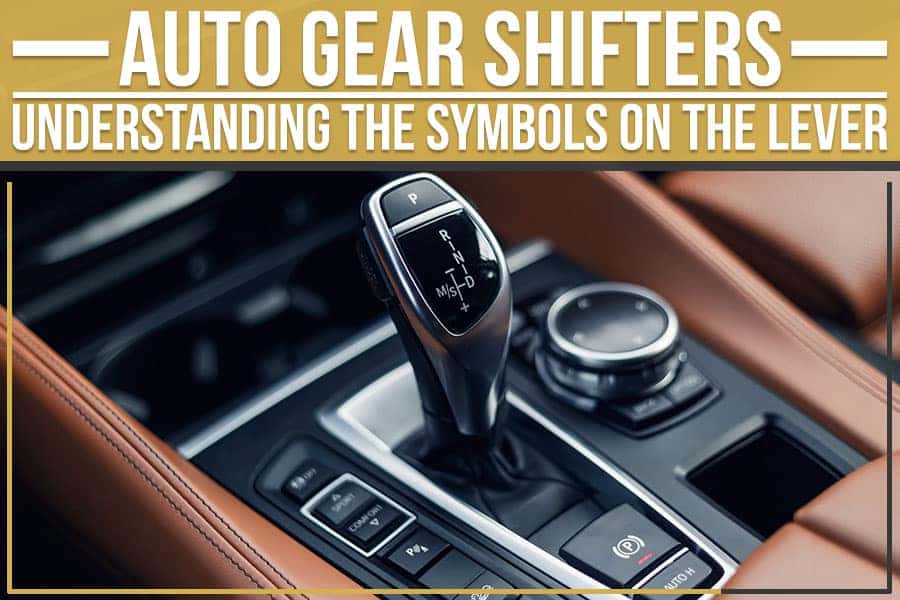
Have you ever wondered how to smoothly change gears in an automatic car? Whether you’re a new driver or just want to feel more confident behind the wheel, understanding this simple process can make your driving experience safer and more enjoyable.
You’ll discover exactly what you need to do to shift gears like a pro—without any confusion or stress. Keep reading, and by the end, you’ll feel ready to take control of your automatic car with ease.
Credit: carfromjapan.com
Automatic Transmission Basics
Understanding the basics of automatic transmission is important for smooth driving. This system changes gears on its own, so drivers focus more on steering and speed. Knowing how it works helps build confidence behind the wheel.
What Is Automatic Transmission
An automatic transmission shifts gears without needing the driver to do it manually. It uses a complex system of sensors, hydraulics, and electronics. These parts work together to select the right gear at the right time. This makes driving easier, especially in stop-and-go traffic.
Unlike manual transmissions, automatic cars do not have a clutch pedal. The vehicle controls gear changes based on speed and engine load. This system helps save fuel and provides a comfortable ride.
Key Gear Positions
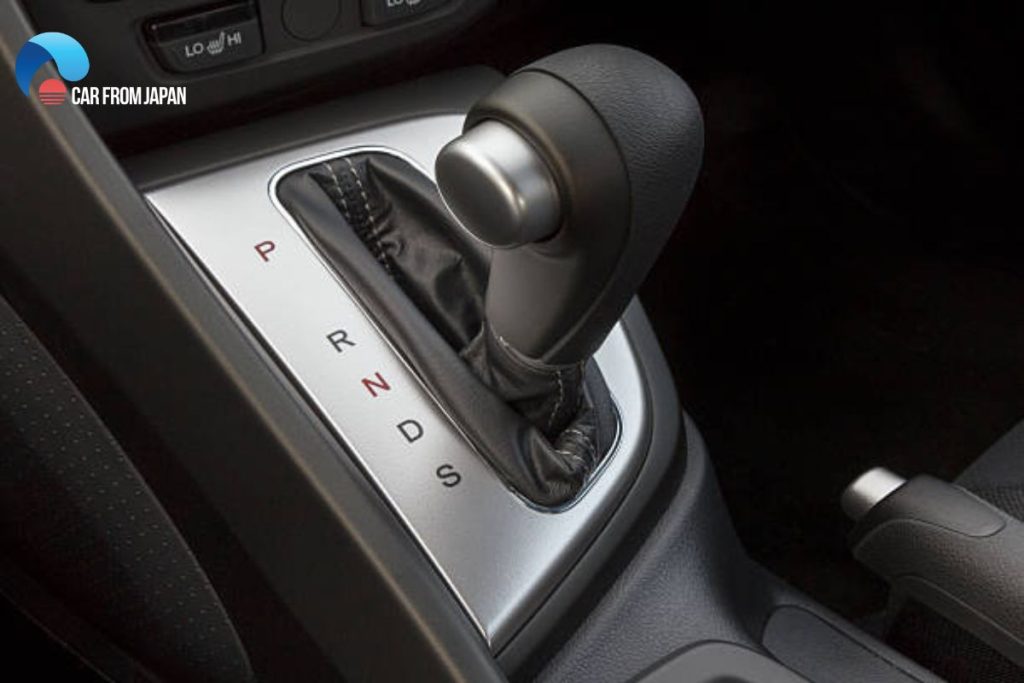
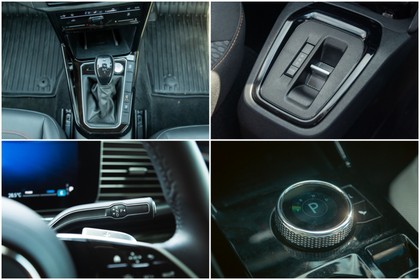
The gear selector in an automatic car usually has several key positions. Each position serves a specific function for different driving needs.
- P (Park):Locks the transmission to keep the car still.
- R (Reverse):Moves the car backward.
- N (Neutral):Disconnects the engine from the wheels, allowing the car to roll freely.
- D (Drive):Allows the car to move forward and automatically shifts through gears.
- L or S (Low or Sport):Holds lower gears for more power or better control on hills.
Knowing these positions helps you use the automatic transmission properly and safely.
Credit: www.cardekho.com
Preparing To Drive
Start by placing your foot on the brake before shifting gears. Move the gear lever smoothly from Park to Drive or Reverse as needed. Automatic cars handle gear changes, so focus on steering and speed control.
Preparing to drive an automatic car involves several simple steps. Getting comfortable with these basic actions helps ensure a smooth driving experience. Before you start moving, it’s crucial to familiarize yourself with the controls.
Starting The Engine
To start the engine, first, locate the ignition. It might be a key slot or a button. If it’s a key slot, insert the key. Turn it to the right until the engine starts. For a button, press it while holding the brake pedal. Ensure the gear is in ‘Park’ or ‘Neutral.’ A calm start helps prevent any sudden movements.
Using The Brake Pedal
The brake pedal is crucial for stopping the car. It’s the wide pedal on the left. Press it firmly with your right foot. Keep the brake engaged while starting the engine. This ensures the car doesn’t move unexpectedly. Once the engine is running, release the brake slowly. This allows the car to start moving smoothly.
Shifting Gears Step-by-step
Shifting gears in an automatic car is designed to be simple, but understanding each gear’s role can improve your driving experience. Knowing how and when to change gears helps you maintain control and respond to different driving conditions smoothly. Let’s break down the steps to help you master gear shifting like a pro.
From Park To Drive
Start with your foot firmly on the brake pedal. This safety measure prevents the car from moving unexpectedly.
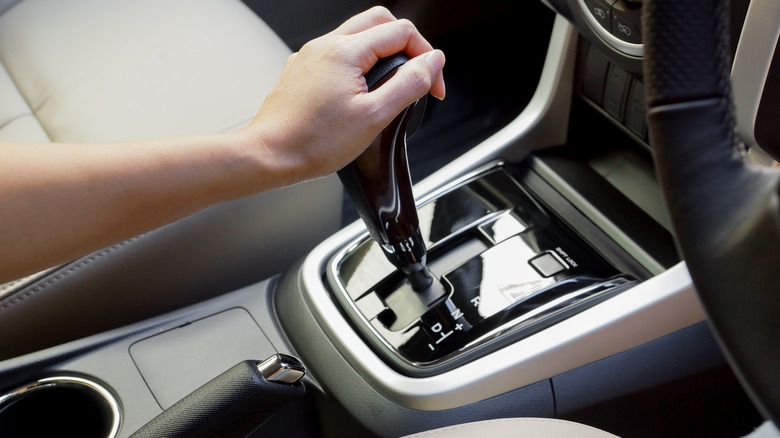
Next, press the button on the gear shift (if your car has one) and move the lever from Park (P)to Drive (D). You’ll feel the car ready to move forward.
Before releasing the brake, glance around to ensure it’s safe. Have you ever noticed how smoothly the car moves once you gently lift your foot off the brake?
Using Reverse Gear
Reverse gear lets you back up safely. Keep your foot on the brake and shift the lever to Reverse (R).
Look over your shoulder and check your mirrors before moving. It’s easy to forget how important this step is until you need to avoid obstacles behind you.
Release the brake slowly and control your speed with the brake pedal, not the accelerator. Have you ever felt how sensitive reversing can be compared to moving forward?
Switching To Neutral
Neutral gear (N) disconnects the engine from the wheels. Use it when you need to stop temporarily without turning off the engine.
To switch, press the brake and move the gear lever to Neutral. This is useful during long stops, like waiting at a railroad crossing.
Remember, in neutral, you can’t accelerate, so keep your foot ready on the brake. Have you tried rolling down a hill in neutral? It’s less safe and not recommended.
Using Low Gear
Low gear (Lor 1, 2) gives you more power and control at low speeds. It’s perfect for steep hills or towing heavy loads.
Shift into low gear by moving the lever to the designated position, usually marked as Lor a number. This limits the car’s speed and increases engine braking.
Using low gear helps avoid constant brake use and overheating. Have you noticed how your car handles better on slopes when you use low gear?
Tips For Smooth Gear Changes
Changing gears smoothly in an automatic car makes your drive more comfortable and extends the life of your vehicle. It’s not just about shifting; it’s about timing and control. Getting this right can transform your daily drive into a seamless experience.
When To Change Gears
Although automatic cars handle gear changes for you, understanding when the car switches gears can help you drive more efficiently. Pay attention to the engine sound and speed—these are your best clues. If the engine sounds like it’s working too hard or the car feels sluggish, it might be time to ease off the accelerator.
Being mindful of gear changes also helps in situations like climbing hills or towing. In these cases, manually selecting a lower gear can provide better control and power. Have you noticed how your car sometimes hesitates on a steep slope? That’s your cue to intervene.
Avoiding Common Mistakes
- Rushing the gear lever:Move the gear lever gently and deliberately. Jerky movements can confuse the transmission and cause wear.
- Ignoring the brake:Always come to a complete stop before shifting from Reverse to Drive or vice versa. Not doing so can damage the gearbox.
- Resting your foot on the pedal:Keep your foot steady. Constantly pressing and releasing the accelerator can cause rough gear changes and waste fuel.
I once learned the hard way by quickly switching from Drive to Reverse without stopping. The grinding noise that followed was a clear sign to slow down and respect the mechanics. Your car will thank you for a smoother touch.
Troubleshooting Gear Issues
Gear issues in an automatic car can be frustrating and sometimes even dangerous. Knowing how to troubleshoot these problems quickly can save you time and prevent further damage. Let’s look at some common gear problems and how to tackle them effectively.
Stuck Gear Lever
If your gear lever feels stuck and won’t move from Park (P), don’t panic. This often happens if the brake pedal isn’t fully pressed or there’s a problem with the shift lock system.
Try pressing the brake pedal firmly while gently attempting to move the lever. If this doesn’t work, check your car’s manual for a shift lock release button—usually a small slot near the gear lever where you can insert a key or screwdriver to manually unlock it.
Ignoring a stuck lever might cause you to force it and damage the transmission. Have you ever tried forcing the gear lever? It’s best to avoid that and address the root cause instead.
Unusual Noises
Hearing grinding, clunking, or whining noises when changing gears is a clear sign something is wrong. In an automatic car, these sounds often point to low transmission fluid or worn components inside the gearbox.
Check your transmission fluid level and condition first. Dark or burnt-smelling fluid means it’s time for a change. If the fluid looks fine, it might be time to get a professional inspection.
Listening closely to when the noise happens can help pinpoint the issue. Does it occur only when shifting into Drive or Reverse? Such details can save you from unnecessary repairs.
Warning Lights
Your dashboard warning lights are your car’s way of telling you something needs attention. A transmission or check engine light can mean gear problems that require immediate care.
Don’t ignore these warnings. Use an OBD-II scanner to read the trouble codes, or visit a mechanic to diagnose the exact problem. This can prevent a minor issue from turning into a costly repair.
Have you ever driven with a warning light on? Think about how much you might have saved by addressing the issue early.
Maintaining Your Automatic Transmission
Maintaining your automatic transmission is key to a smooth driving experience. It helps your car shift gears properly and lasts longer. Taking care of the transmission prevents costly repairs. Simple steps can keep it working well for years.
Regular Fluid Checks
Check your transmission fluid often. The fluid keeps the transmission cool and lubricated. Low or dirty fluid can cause slipping or rough shifts. Use the dipstick to check the fluid level and color. Bright red fluid means good condition. Dark or burnt-smelling fluid needs changing. Top up or replace fluid as needed.
Scheduled Servicing
Follow your car’s service schedule for transmission care. Mechanics inspect and replace fluid at set intervals. They also check for leaks and worn parts. Regular servicing finds problems early. It ensures your transmission runs smoothly. Keep service records to track maintenance history.
Credit: www.slashgear.com
Frequently Asked Questions
How Do You Shift Gears In An Automatic Car?
To shift gears in an automatic car, press the brake pedal first. Then, move the gear lever to the desired position like Drive (D), Reverse (R), or Park (P). The car will automatically change gears as you drive.
When Should You Use The “l” Gear In Automatic Cars?
Use the “L” gear for low-speed driving or steep hills. It provides more engine braking and control. This gear limits the car to lower gears, preventing it from shifting up automatically.
Can You Change Gears Without Pressing The Brake?
No, you must press the brake pedal to change gears safely. This prevents accidental gear shifts and ensures the car doesn’t move unexpectedly. It is a standard safety feature in all automatic cars.
What Does The “n” Gear Do In An Automatic Car?
The “N” or Neutral gear disconnects the engine from the wheels. The car can roll freely but won’t move under engine power. Use it when the car is stationary for a short time or during towing.
Conclusion
Changing gears in an automatic car is simple and safe. Just follow the gear shift pattern carefully. Always press the brake before switching gears to avoid accidents. Practice helps you gain confidence and smooth driving. Remember, automatic cars do most of the work for you.
Focus on the road and your surroundings. Soon, gear changes will feel natural and easy. Keep these tips in mind every time you drive. Enjoy a comfortable and stress-free ride with your automatic car.