

Do You Have to Change Gears in an Automatic Car?. Have you ever wondered if you really need to change gears when driving an automatic car? It’s a question that pops up for many drivers, especially if you’re used to manual transmissions or just curious about how your car works.
Understanding this can make your driving smoother and less stressful. Keep reading, because by the end of this article, you’ll know exactly what to do with those gears – or if you even need to touch them at all. This simple knowledge could change the way you drive forever.
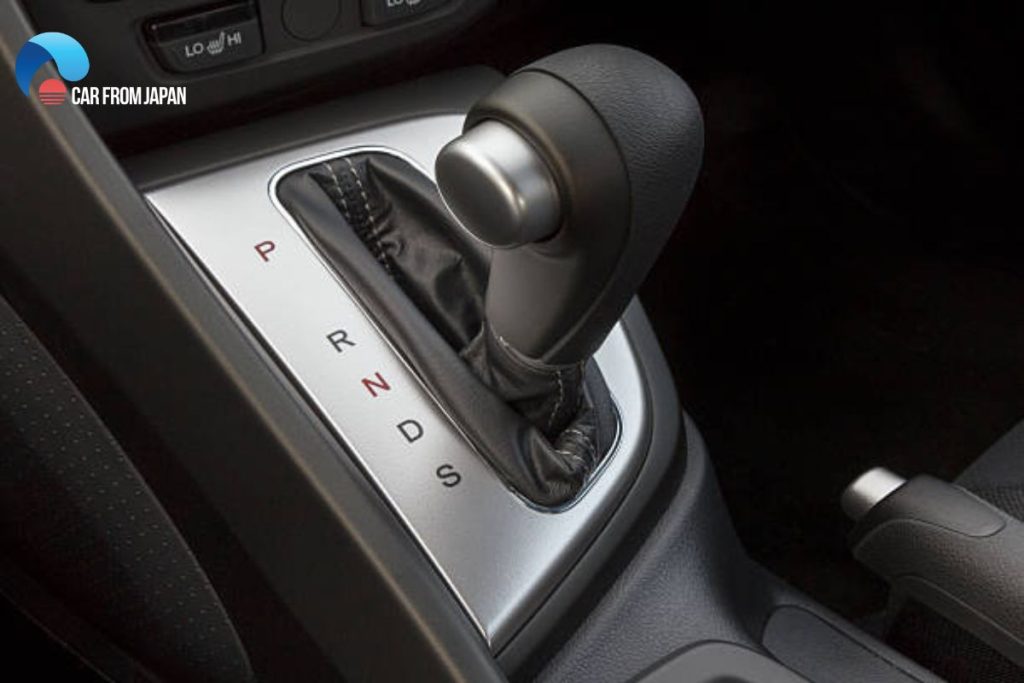
Credit: carfromjapan.com
How Automatic Transmissions Work
Understanding how automatic transmissions work helps you see why you don’t usually need to change gears yourself. These systems handle gear shifts internally, allowing you to focus on the road instead of the mechanics. But how exactly do they manage this smooth transition? Let’s break it down.
Basics Of Gear Shifting
Automatic transmissions use a combination of hydraulic systems, sensors, and computer controls to change gears. When you accelerate or slow down, the transmission detects the speed and engine load, then selects the appropriate gear for you.
Unlike manual cars where you physically move the gear stick, automatics do this automatically through a torque converter or a dual-clutch system. This means you don’t have to think about gear changes, which can be a huge relief in heavy traffic or on hilly roads.
Have you noticed how smoothly your automatic car shifts gears without any jerking? That’s the transmission working behind the scenes to balance power and efficiency.
Types Of Automatic Transmissions
- Torque Converter Automatics:The most common type, using fluid coupling to transfer engine power. It offers smooth gear changes but can sometimes feel less responsive.
- Continuously Variable Transmission (CVT):Instead of fixed gears, CVTs provide an infinite range of gear ratios. This results in seamless acceleration and improved fuel efficiency.
- Dual-Clutch Transmission (DCT):Uses two separate clutches for odd and even gears, allowing faster and more precise shifts. Many sports cars use DCT for a more engaging driving experience.
- Semi-Automatic Transmissions:These allow manual gear changes without a clutch pedal, combining aspects of both manual and automatic systems.
Knowing the type of automatic transmission your car has can change how you perceive driving it. Does your car’s shifting feel slow or crisp? That might depend on whether it’s a torque converter or a dual-clutch system.

Credit: www.blog.donedeal.ie
Manual Gear Changes In Automatic Cars
Manual gear changes in automatic cars give drivers more control over the vehicle. Modern automatics often include features that let you shift gears without a clutch. These controls help in specific driving situations, improving performance and safety. Understanding when and how to use manual shifting can enhance your driving experience.
When Drivers Might Shift Gears
Drivers may shift gears manually to:
- Maintain better control on steep hills
- Prevent the car from constantly shifting up and down
- Increase engine power during overtaking
- Reduce wear on brakes by using engine braking
- Adapt to slippery or rough road conditions
Manual shifting allows smoother handling in these cases. It also helps avoid unwanted gear changes that can affect stability.
Using Paddle Shifters And Manual Modes
Many automatic cars have paddle shifters behind the steering wheel. Drivers tap these paddles to shift gears up or down quickly. Manual modes in the gear selector let you choose gears by moving the lever forward or backward.
- Paddle shifters provide fast, easy gear changes
- Manual mode gives more precise gear selection
- Both features keep the car in manual mode until changed
- They help with better control during sporty or difficult driving
Using these tools requires little effort but improves driving control greatly.
Benefits Of Automatic Gear Changes
Automatic gear changes bring several benefits that enhance your driving experience. They simplify the driving process by handling gear shifts for you. This leads to smoother rides and less stress behind the wheel. Many drivers appreciate how automatic transmissions make city driving easier and more relaxing.
Improved Driving Comfort
Automatic gear changes remove the need to press the clutch pedal. This means less foot movement and fewer distractions while driving. The transmission shifts gears smoothly without jerks or sudden changes. This creates a comfortable and calm ride, especially in heavy traffic. Drivers can focus more on the road and less on changing gears.
Fuel Efficiency Considerations
Modern automatic transmissions often optimize gear changes to save fuel. They select the best gear ratio for the engine’s speed and load. This helps the engine run efficiently and reduces fuel consumption. Some automatics use advanced technology to adjust shifts based on driving style. This can lead to better mileage compared to older manual transmissions.
Common Myths About Automatic Gears
Automatic cars often come with many myths about their gear systems. Many drivers wonder if they must change gears manually like in manual cars. Others worry about how shifting gears affects the car’s lifespan. These myths can confuse new drivers. Clearing up these misunderstandings helps you drive with confidence and care.
Do You Need To Shift Gears Manually?
Automatic cars do not require manual gear changes. The car’s system shifts gears on its own. This feature makes driving easier, especially in traffic. Some automatic models offer a manual mode, but it is optional. Using manual mode is for more control, not a must.
Impact On Car Longevity
Automatic gear shifting does not harm the car’s engine. The system is built to handle all gear changes smoothly. Proper maintenance is more important than shifting style. Regular oil changes and check-ups keep the transmission healthy. Avoiding harsh driving habits also helps extend the car’s life.
Tips For Driving Automatic Cars
Automatic cars shift gears on their own, so you don’t need to change gears manually. Focus on using the brake and accelerator smoothly for a comfortable drive. Understanding how the gear lever works helps you drive safely and confidently.
Driving an automatic car can be a liberating experience, especially if you’re used to manual transmissions. The ease of not having to change gears manually allows you to focus more on the road and less on the mechanics of driving. However, to truly master automatic driving, it’s important to understand some essential tips that can enhance your driving experience.
Best Practices For Smooth Driving
Achieving smooth driving in an automatic car is all about timing and anticipation. Anticipate traffic lights and slow down gradually rather than stopping abruptly. This not only saves fuel but also reduces wear and tear on your brakes. Keep your foot light on the accelerator. Automatic cars are designed to shift gears smoothly when you accelerate gently. Aggressive driving can lead to jerky gear changes, which can be uncomfortable for both you and your passengers. Regularly check your car’s transmission fluid. It’s crucial for smooth gear transitions and overall vehicle health. A quick check every few months can prevent potential issues down the road.
Handling Different Road Conditions
Different road conditions require slight adjustments in your driving style. On steep inclines, use the “L” or “2” gear setting if your car has it. This helps maintain a steady speed without over-relying on your brakes. In wet or slippery conditions, maintain a steady speed and avoid sudden movements. Automatic cars are generally equipped with traction control, but it’s wise to drive cautiously to prevent skidding. When driving on highways, use cruise control to maintain a consistent speed, enhancing fuel efficiency. However, stay alert and be ready to take control if traffic conditions change suddenly. Driving an automatic car can be a rewarding experience when you understand these subtle nuances. Have you tried any of these tips before? What changes did you notice in your driving experience?
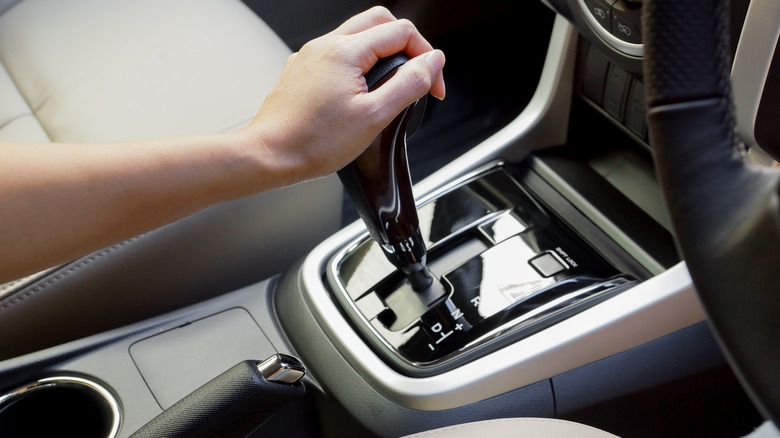
Credit: www.slashgear.com
Frequently Asked Questions
Do Automatic Cars Require Manual Gear Changes?
No, automatic cars do not require manual gear changes. The transmission shifts gears automatically based on speed and engine load.
How Does An Automatic Car Change Gears?
An automatic car uses a torque converter and sensors to shift gears smoothly without driver input.
Can You Override Gear Changes In Automatic Cars?
Yes, many automatic cars have a manual mode allowing drivers to select gears if desired.
Is Changing Gears In An Automatic Car Necessary For Beginners?
No, beginners do not need to change gears manually in an automatic car, making driving easier.
Conclusion
Automatic cars do most gear changes for you. You just need to focus on driving safely. Knowing how your car works helps you feel confident. Automatic transmissions make driving easier, especially in traffic. You don’t have to shift gears yourself.
Just keep your eyes on the road and enjoy the ride. Driving an automatic car is simple and stress-free.