

Learning how to switch gears in a car can feel tricky at first, but it’s a skill that puts you in full control of your driving. Imagine smoothly shifting gears without hesitation, making every drive safer and more comfortable.
Whether you’re just starting out or want to improve your technique, this guide will walk you through the simple steps you need to master gear shifting. By the end, you’ll feel confident behind the wheel and ready to handle any road ahead.
Keep reading, and let’s make gear switching easy for you.
Manual Vs Automatic Gears
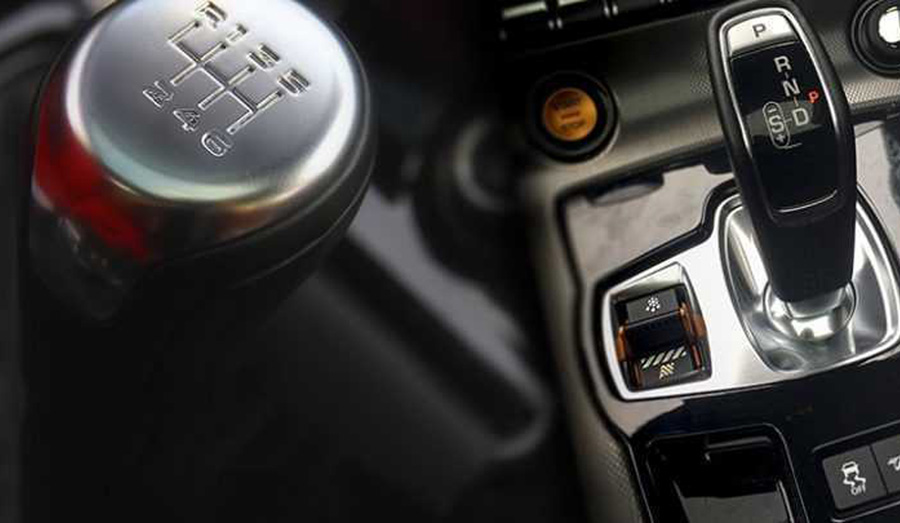
Choosing between manual and automatic gears is a common dilemma for drivers learning how to switch gears in a car. Each type offers a unique driving experience and requires different skills. Understanding these differences helps you decide which fits your style and needs best.
Key Differences
Manual gearsrequire you to control the clutch and shift gears yourself. This gives you direct control over the car’s power and speed, making driving more engaging but also more demanding.
Automatic gearshandle the shifting for you, using sensors and hydraulics. This makes driving easier, especially in stop-and-go traffic, but you lose some control and the feel of the car.
| Feature | Manual | Automatic |
|---|---|---|
| Control | Full control over gear changes | Gear changes done automatically |
| Learning Curve | Steeper, requires practice | Easy for beginners |
| Fuel Efficiency | Often better, depends on driver | Improved in modern automatics |
| Driving Comfort | More effort needed, especially in traffic | Less effort, more relaxed driving |
When To Use Each Type
If you enjoy being hands-on and want to master driving skills, manual gears offer a rewarding challenge. They are great on open roads where you can control acceleration and engine response.
Automatic gears suit city driving, where frequent stops and starts make manual shifting tiring. They also reduce stress if you’re new to driving or prefer a smoother, less demanding experience.
Think about your daily routes and driving conditions. Would you rather focus on the road or on managing the gears? Your choice impacts not only comfort but also safety and enjoyment behind the wheel.
Credit: www.ingear.ie
Getting To Know The Gear Stick
The gear stick is a key part of driving a manual car. It controls the gears that make the car move at different speeds. Understanding the gear stick helps you drive smoothly and safely. It feels like a small lever between the front seats. Each position on the gear stick matches a gear in the car.
Knowing how to find and use each gear position is important. Some gears help the car go faster, while others help it start or reverse. The gear stick also has a neutral position. This lets the engine run without moving the car.
Gear Positions Explained
The gear stick usually has five or six forward gears. Each gear fits a specific speed range and power level. The first gear is for starting and slow speeds. Higher gears let the car go faster with less engine effort.
| Gear | Use |
|---|---|
| 1st Gear | Start moving and drive slowly |
| 2nd Gear | Increase speed after starting |
| 3rd Gear | Drive at moderate speed |
| 4th Gear | Higher speed on flat roads |
| 5th Gear | Highest speed, best fuel efficiency |
| 6th Gear (if available) | Very high speed, highway driving |
Neutral And Reverse Functions
Neutral is the gear stick’s center position. The engine runs but the car doesn’t move. Use neutral when idling or stopped for a short time. It lets you rest your foot from the clutch.
Reverse gear moves the car backward. It usually needs a special action to engage, like pushing down or lifting a collar on the gear stick. This prevents accidental shifting into reverse while driving forward.
Starting With The Clutch
Starting with the clutch is the foundation of smooth gear shifting in any manual car. Mastering this skill helps you avoid stalling and jerky movements. It might feel tricky at first, but with some practice, you’ll gain confidence and control quickly.
Clutch Pedal Basics
The clutch pedal is located to the left of the brake pedal. Pressing it disconnects the engine from the wheels, allowing you to change gears without damaging the transmission.
When you push the clutch pedal all the way down, the engine and wheels are disengaged. Releasing it gradually reconnects them. Think of it as a bridge that you raise and lower smoothly.
- Always press the clutch fully before shifting gears.
- Don’t ride the clutch—keep your foot off the pedal when not shifting.
- Feel the pedal resistance; a soft press is usually enough to disengage the gears.
Have you noticed how some drivers seem to shift gears almost without thinking? That’s because they’ve developed a good feel for the clutch pedal’s bite point—the moment it starts to engage the engine again.
Timing Your Clutch Release
Knowing when to release the clutch is just as important as pressing it. If you let go too quickly, the car may jerk or stall. Too slowly, and you risk unnecessary wear on the clutch.
Try to find the balance by paying attention to the engine sound and how the car reacts. When you feel the car begin to move forward, ease off the clutch gently while adding a bit of gas.
Practice on a flat surface to get this timing right. You’ll soon notice a rhythm—press clutch, shift, release clutch slowly, add gas—that makes gear switching feel natural.
What challenges do you face when releasing the clutch? Focusing on this timing can transform your driving experience and reduce stress behind the wheel.
Shifting Gears Smoothly
Shifting gears smoothly is essential for a comfortable and efficient driving experience. It keeps the car running well and helps you avoid unnecessary wear on the transmission. Mastering this skill takes practice, but once you get the feel for it, driving becomes much more enjoyable.
Upshifting Techniques
When you want to move to a higher gear, pay close attention to your engine’s sound and speed. Shift up just before the engine revs too high, usually around 2,500 to 3,000 RPM for most cars. This helps save fuel and prevents strain on the engine.
Ease off the accelerator as you press the clutch pedal fully down. Move the gear lever smoothly into the next gear without forcing it. Then, slowly release the clutch while gently pressing the accelerator to maintain steady power.
Have you ever noticed a jerky movement when shifting up? That usually means the clutch and accelerator timing is off. Try coordinating your foot movements more slowly to feel the car glide into the next gear.
Downshifting Tips
Downshifting helps when you need more power or are slowing down. It’s crucial to match the engine speed to the lower gear to avoid jolting the car. This is called “rev matching” and makes your ride smoother.
Press the clutch and shift into the lower gear. Before releasing the clutch, gently tap the accelerator to raise the engine RPM to the right speed for that gear. Then, release the clutch smoothly.
Have you ever felt your car lurch forward when slowing down? That’s a sign you need better rev matching. Practicing this can make your driving safer and more comfortable, especially on hills or during overtaking.
Common Mistakes To Avoid
Switching gears smoothly is vital for safe driving. Avoid pressing the clutch too early or holding it down too long. Keep your hand off the gear stick when not shifting to prevent unnecessary wear.
Switching gears in a car is a fundamental skill every driver needs to master. However, it’s easy to develop habits that can lead to common mistakes. These errors can not only cause damage to your vehicle but also compromise your safety on the road. Being aware of these pitfalls and how to avoid them is crucial for a smooth driving experience.
Riding The Clutch
Riding the clutch is a common mistake that can cause premature wear and tear on your vehicle. This happens when you keep your foot on the clutch pedal, even when you don’t need to. It’s like holding a door slightly ajar instead of fully closing it. To avoid this, always fully engage the clutch when changing gears. Once the gear is shifted, remove your foot from the pedal. This habit ensures the longevity of your clutch and keeps your driving smooth.
Skipping Gears
Skipping gears might seem like a time-saver, but it can strain your engine. This mistake often occurs when drivers try to shift from first gear directly to third or fourth gear. It’s important to remember that each gear is designed to handle a specific range of speeds and engine power. Always go through the gears sequentially, especially when accelerating. This practice allows the engine to operate efficiently and extends its lifespan. Next time you’re tempted to jump gears, think about whether saving a second is worth the potential damage.

Credit: www.youtube.com
Practice Exercises For Mastery
Mastering gear shifting takes more than just understanding the mechanics—it requires hands-on practice that builds muscle memory and sharpens your timing. Regular exercises help you gain control and reduce hesitation behind the wheel. Let’s dive into some practical drills designed to make gear switching second nature.
Simple Drills
Start by finding a quiet, flat area where you can focus without distractions. Practice shifting through the gears slowly, paying close attention to the clutch pedal’s engagement point and the smoothness of the gear lever movement.
- Press the clutch fully before changing gears to avoid grinding.
- Shift from first to second gear and back repeatedly to get a feel for the timing.
- Try moving through all gears without pressing the accelerator to understand clutch control.
These drills help your feet and hands work together naturally. Have you noticed how your coordination improves just by repeating these simple moves?
Building Confidence On The Road
Once you’re comfortable with basic drills, take your practice to quiet streets. Focus on starting, stopping, and shifting in real traffic conditions but at low speeds. This helps you adapt to real-world scenarios without pressure.
Challenge yourself by practicing hill starts or gradual accelerations. These situations force you to fine-tune clutch control and timing, which can feel tricky at first but become manageable with steady practice.
Think about how confident you feel when you can smoothly switch gears without stalling or jerking. How does that confidence change your overall driving experience?
Tips For Driving Automatic Cars
Driving an automatic car is simple but requires some attention. Knowing how to switch gears smoothly makes your ride safer and more comfortable. Here are practical tips for handling automatic transmissions with ease.
Using The Gear Selector
The gear selector controls your car’s movement. Most automatics have positions like P, R, N, and D:
- P (Park):Locks the transmission. Use this when parking.
- R (Reverse):Moves the car backward. Always check surroundings.
- N (Neutral):Disengages the engine. Use briefly when stopped.
- D (Drive):Moves the car forward. Use for normal driving.
Always press the brake before changing gears. Avoid shifting while the car moves fast. This keeps the transmission healthy and avoids damage.
When To Use Manual Mode
Many automatic cars offer manual mode for more control. Shift gears yourself using the selector or paddle shifters.
Use manual mode in these cases:
- Going uphill to prevent gear hunting.
- Driving downhill to use engine braking.
- Needing quick acceleration or slower speeds.
Switch back to automatic mode for regular driving. This mode helps save fuel and reduce engine strain.

Credit: gartzlube.com
Frequently Asked Questions
How Do I Know When To Switch Gears In A Car?
You should switch gears when the engine RPM reaches a certain level. Listen for engine sound and feel the car’s speed. Shifting too early or late can cause engine strain or poor fuel efficiency.
What Is The Correct Way To Switch Gears Smoothly?
Press the clutch fully before shifting gears. Move the gear stick gently to avoid grinding. Release the clutch slowly while applying gas to ensure a smooth transition and prevent jerking.
Can I Switch Gears Without Using The Clutch?
Switching gears without the clutch can damage the transmission. It requires precise timing and skill, not recommended for beginners. Always use the clutch for safe and smooth gear changes.
When Should I Downshift While Driving?
Downshift when you need more power, like going uphill or overtaking. It helps maintain engine speed and control. Shift to a lower gear before the engine slows too much.
Conclusion
Switching gears smoothly takes practice and patience. Start slow and feel the clutch and gear shift. Listen to your car’s engine sound to know when to change. Avoid rushing to prevent damage to the car. With time, gear changes will feel natural and easy.
Remember, each car may feel a little different. Keep practicing, and soon you will drive with confidence. Enjoy the ride and stay safe on the road.