
How Shift Gears in a Car. Learning how to shift gears in a car can feel tricky at first, but it’s easier than you think. Imagine having full control of your ride, smoothly changing speeds without hesitation.
Whether you’re just starting to drive a manual car or want to improve your skills, this guide will help you master gear shifting step by step. By the end, you’ll feel confident behind the wheel and enjoy a smoother, more connected driving experience.
Ready to take charge? Let’s dive in and make shifting gears second nature for you.
Basics Of Gear Shifting
Shifting gears in a car helps control speed and engine power. Understanding the basics of gear shifting makes driving smoother and safer. It also reduces wear on the car parts. Learning about transmissions, timing, and the clutch is key to proper gear shifting.
Types Of Car Transmissions
Cars usually have two main types of transmissions:
- Manual Transmission:Drivers change gears using a clutch and gear stick.
- Automatic Transmission:The car changes gears by itself without driver input.
Manual transmissions require more skill but give better control. Automatic transmissions are easier for new drivers.
When To Shift Gears
Knowing when to shift gears keeps the engine running well. Shift up to a higher gear as speed increases. Shift down when the car slows or climbs hills. Listen to the engine sound; it often tells you when to change gears.
- Shift up at low engine noise and smooth acceleration.
- Shift down if the engine sounds too loud or struggles.
Role Of The Clutch
The clutch connects and disconnects the engine from the wheels. Pressing the clutch pedal lets you change gears smoothly. Releasing it engages the gear and moves the car. Using the clutch properly avoids engine damage and jerky rides.
Steps For Smooth Gear Changes
Smooth gear changes make driving safer and more comfortable. Knowing the right steps helps you shift gears without jerks or stalls. Follow these simple steps to get better control and enjoy a smoother ride.
Preparing To Shift
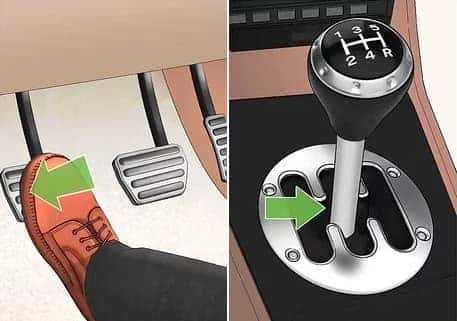
Keep your eyes on the road ahead. Check your speed and engine sound. Press the clutch pedal all the way down. This action disconnects the engine from the wheels. It allows you to change gears without damage.
Executing The Shift
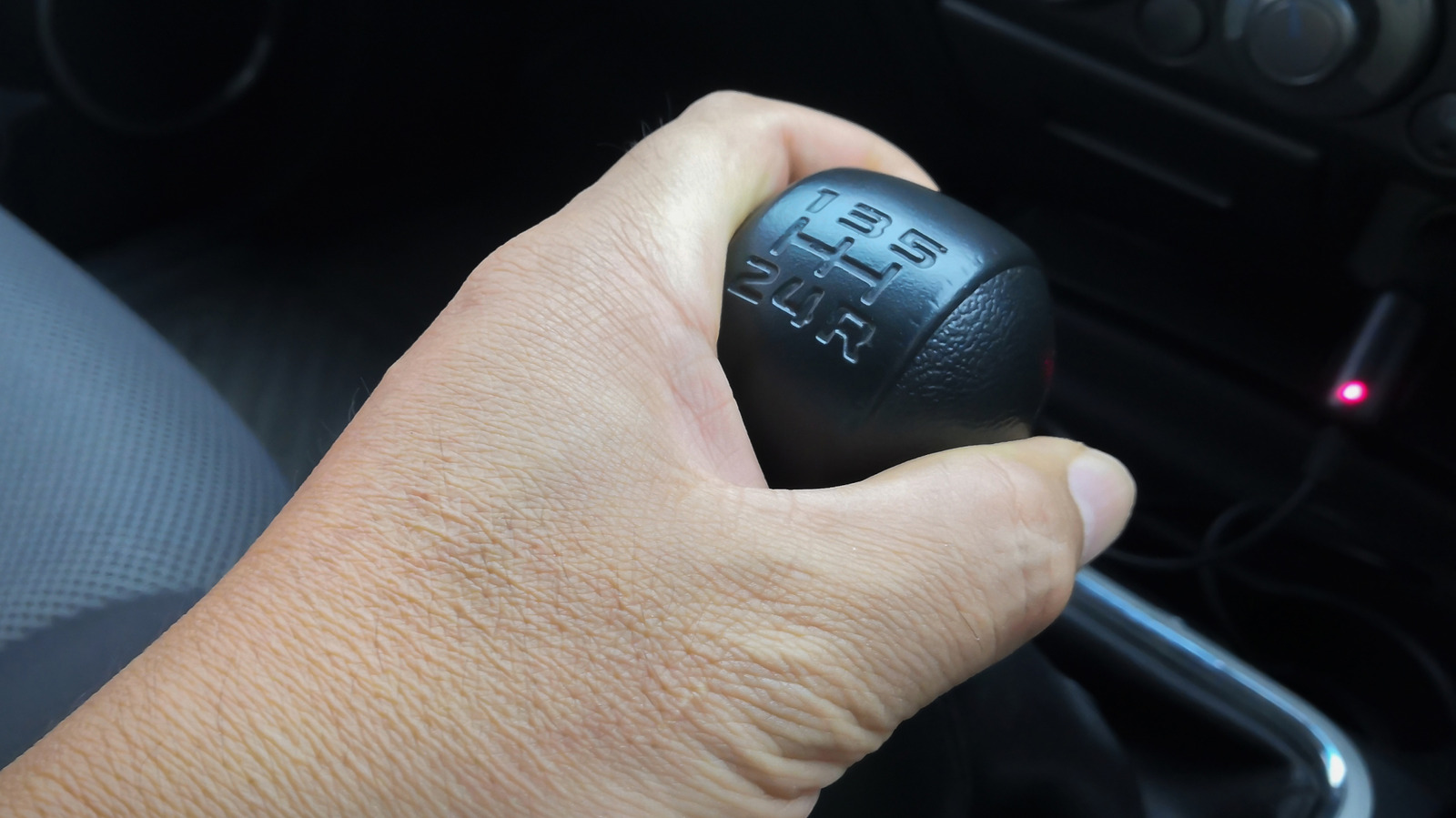
Move the gear lever gently to the next gear. Avoid forcing or rushing the shift. Let the gear stick find the slot smoothly. Pay attention to the engine’s response. A smooth shift feels natural and steady.
Releasing The Clutch Properly
Lift your foot off the clutch pedal slowly. Do not release it too fast or too slow. Find a steady pace that matches the engine speed. This helps the car move smoothly without jerks. Practice makes this step easier and more natural.
Common Gear Shifting Mistakes
Shifting gears smoothly requires practice and attention. Many drivers make common mistakes that can damage the car or make driving harder. Learning these errors helps improve control and car health. Avoiding these mistakes makes gear changing safe and smooth.
Shifting Too Early Or Late
Changing gears too early can strain the engine. The car may feel weak and slow to respond. Shifting too late causes the engine to roar loudly. This wastes fuel and wears out parts fast. Listen to the engine sound and feel the car’s speed to know the right time.
Riding The Clutch
Keeping the clutch partially pressed is called riding the clutch. This causes the clutch to wear out quickly. It also makes the car jerk and lose power. Fully press the clutch when changing gears. Release it smoothly after the gear is set.
Forcing The Gearshift
Forcing the gearshift can break the transmission. Gears should slide in easily if done right. If it feels stuck, the clutch might not be pressed fully. Avoid using too much force. Practice patience and gentle moves for smooth gear changes.

Credit: www.auffenbergfarmington.com
Tips To Improve Gear Shifting
Improving your gear shifting skills makes driving smoother and safer. It helps the car run better and saves fuel. Small changes in how you shift can make a big difference on the road.
Practice Regularly
Practice is key to better gear shifting. Spend time driving in different conditions. Try shifting gears gently and smoothly. The more you practice, the more natural it will feel. Muscle memory builds up with regular practice.
Listen To Engine Sounds
Engine sounds give clues about when to shift gears. A high-pitched sound means the engine is working hard. Shift up to avoid strain. Low or rough sounds suggest it’s time to shift down. Learning these sounds helps you shift at the right time.
Use The Tachometer
The tachometer shows the engine speed in RPM. Watch the needle to know when to change gears. Shift up when RPM is high but before it reaches red. Shift down when RPM is too low to keep the engine steady. The tachometer guides smooth shifting.
Driving Scenarios For Gear Shifting
Different driving conditions call for smooth gear changes to keep the car running well. Shifting gears helps control speed and power on hills, city streets, and highways. Practice timing shifts to match engine sound and road demands.
Shifting gears in a car isn’t just a mechanical action; it’s an art that changes with the driving environment. Understanding how to shift gears based on different driving scenarios can make your drive smoother and more enjoyable. Whether you’re navigating city streets, cruising down the highway, or tackling steep hills, knowing when and how to shift gears is crucial for a seamless driving experience.
City Traffic
City driving often means frequent stops and starts. You need to be ready for sudden changes in speed. In heavy traffic, use lower gears to maintain better control. For smoother transitions, anticipate the traffic flow. Being in the right gear ensures you can react quickly to the stop-and-go nature of urban roads. Staying in second or third gear might be optimal as you navigate through intersections and congested areas.
Highway Driving
On highways, maintaining a constant speed is key. Here, higher gears become your best friend. Shifting to fifth or sixth gear optimizes fuel efficiency and keeps the engine quiet. Feel the rhythm of the road. If you’re about to overtake, downshift to gain speed quickly. This brief shift can provide the power needed to pass safely without straining your engine.
Hills And Inclines
Climbing hills demands more power. You’ll need to downshift to prevent the car from struggling. Lower gears provide the torque needed to ascend smoothly. While descending, use lower gears to control your speed without overusing the brakes. This technique, known as engine braking, helps in maintaining control and saves your brake pads from excessive wear. Have you ever felt your car struggling on a steep incline? A quick downshift can make all the difference, giving you the power to conquer that hill with ease. Understanding these scenarios can transform your driving from a task to an enjoyable journey. How do you adapt your gear shifting in different situations?
Credit: www.slashgear.com
Troubleshooting Gear Issues
Gear issues can quickly turn a smooth drive into a stressful experience. Identifying the root cause early helps you avoid costly repairs and keeps your car running safely. Let’s look at common problems you might face when shifting gears and how to tackle them effectively.
Gear Slippage
Have you noticed your car suddenly dropping out of gear or feeling like it’s slipping? This usually means your transmission isn’t holding the gear properly.
Common causes include worn-out clutch plates in manual cars or low transmission fluid in automatics. Check your transmission fluid level first—if it’s low or dirty, topping it up or replacing it can often solve the problem.
Ignoring gear slippage can damage your transmission further. If topping up fluid doesn’t help, a mechanic may need to inspect your clutch or transmission bands.
Grinding Noises
Grinding sounds when you shift gears are a clear warning sign. This noise often happens if you try to shift gears too quickly or if the clutch isn’t fully disengaging.
In manual transmissions, this can mean the clutch is worn or the synchronizers inside the gearbox are damaged. For automatic cars, it might indicate low fluid or internal damage.
Don’t ignore grinding; it can lead to more serious damage. You can test the clutch pedal—if it feels soft or sticky, that’s a good reason to get it checked. Have you ever experienced a grinding noise and kept driving? That often makes repairs more expensive.
Difficulty In Shifting
When your gear stick feels stiff or refuses to move smoothly, it’s frustrating and dangerous. This issue may come from low transmission fluid, linkage problems, or a failing clutch system.
Start by checking if the transmission fluid level and condition are okay. Dirty or burnt-smelling fluid signals a need for replacement. In manual cars, inspect the clutch cable or hydraulic system—sometimes a simple adjustment can restore smooth shifting.
If your car struggles to shift into certain gears, it might be time to have the transmission inspected professionally. Have you noticed certain gears being harder to engage? This detail can help your mechanic pinpoint the problem faster.
Credit: gearjunkie.com
Frequently Asked Questions
How Do I Shift Gears Smoothly In A Car?
To shift gears smoothly, press the clutch fully, change the gear lever gently, and release the clutch slowly. Avoid sudden movements to prevent jerks and wear on the transmission. Practice helps improve timing and coordination for a seamless gear shift experience.
When Should I Shift Gears While Driving?
Shift gears when the engine RPM reaches 2,000 to 3,000 for most cars. Listen to engine sound and feel the car’s speed. Shifting too early or late can cause engine strain or reduced fuel efficiency. Proper timing ensures better performance and fuel economy.
What Mistakes Should I Avoid When Shifting Gears?
Avoid releasing the clutch abruptly, shifting without pressing the clutch, and forcing the gear lever. Do not skip gears excessively or rest your hand on the gear stick. These habits cause transmission damage and reduce gear lifespan. Smooth and correct technique preserves your car’s health.
Can I Shift Gears In An Automatic Car?
Automatic cars do not require manual gear shifting as the transmission changes gears automatically. You only need to select drive, reverse, or park modes. Some automatics offer manual mode for gear control, but it is optional and designed for specific driving conditions.
Conclusion
Shifting gears smoothly takes practice and patience. Listen to your car’s sound and feel the pedals. Change gears at the right speed to avoid damage. Each shift helps the car run better and saves fuel. Keep your hands steady and eyes on the road.
Soon, gear changing will feel natural and easy. Drive safely and enjoy the journey ahead.