
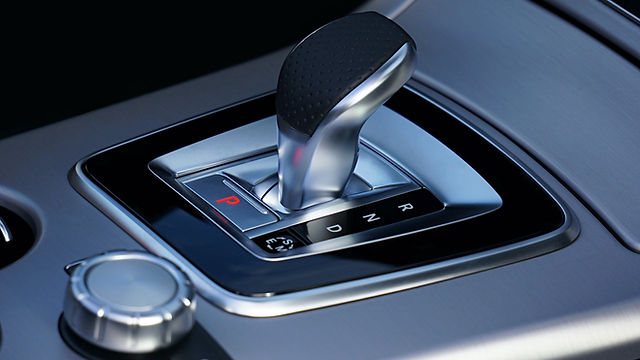
How Does an Automatic Car Change Gears. Have you ever wondered how your automatic car shifts gears without you lifting a finger? It’s like magic, but there’s a smart system working behind the scenes to make your drive smooth and effortless.
Understanding how an automatic car changes gears can help you appreciate your vehicle more and even improve your driving experience. Keep reading, and you’ll discover the secrets that make your ride so comfortable and easy.
Basic Components Of Automatic Transmission
Automatic transmissions change gears smoothly without driver effort. They rely on key components working together. These parts control power flow and shift timing. Understanding these components helps explain how automatic cars work.
Torque Converter
The torque converter replaces the clutch in automatic cars. It connects the engine to the transmission. It uses fluid to transfer power and allow smooth starts. It also multiplies engine torque for better acceleration.
Planetary Gear Sets
Planetary gear sets create different gear ratios. They have a central sun gear, planet gears, and a ring gear. These gears work together to provide various speeds and torque. They allow smooth shifting without interrupting power flow.
Hydraulic System
The hydraulic system controls gear changes using fluid pressure. It directs this pressure through valves to engage or release gears. It ensures shifts happen smoothly and at the right time. The system relies on transmission fluid to operate properly.
Electronic Controls
Electronic controls manage the transmission’s operation. Sensors monitor speed, engine load, and throttle position. A computer uses this data to decide when to shift gears. This system improves fuel efficiency and driving comfort.
Role Of The Torque Converter
The torque converter plays a key role in automatic cars. It acts as a bridge between the engine and the transmission. This device allows the car to change gears without using a manual clutch. It uses fluid dynamics to transfer power smoothly. The torque converter helps the engine run while the car is stopped. This makes driving easier and more comfortable.
Replacing The Clutch
In manual cars, the clutch connects and disconnects the engine from the wheels. The torque converter replaces this function in automatic cars. It uses a fluid coupling to connect the engine and transmission. This fluid allows the engine to keep running without stalling. Drivers do not need to press a clutch pedal. The torque converter manages power transfer automatically.
Transferring Power Smoothly
The torque converter uses three main parts: the pump, turbine, and stator. The pump spins with the engine and pushes transmission fluid. The fluid moves the turbine, which is connected to the transmission. The stator redirects the fluid to increase efficiency. This fluid movement transfers power without direct contact. It creates a smooth and gradual gear change. This process reduces wear and tear on the transmission.
How Planetary Gears Shift
The heart of an automatic transmission lies in the planetary gear system. This clever setup allows your car to change gears smoothly without you lifting a finger. Understanding how planetary gears shift can give you a clearer picture of what’s happening under the hood every time you accelerate or slow down.
Gear Ratios Explained
Planetary gears work by combining different gear ratios, which control the power and speed sent to your wheels. The system includes three main parts: the sun gear, planet gears, and ring gear.
- Sun Gear:The central gear that drives the planet gears.
- Planet Gears:These rotate around the sun gear and mesh with the ring gear.
- Ring Gear:The outer gear that encircles the planet gears.
By holding one component still and letting another rotate, the system changes the gear ratio, which adjusts your car’s speed and torque. Lower gears provide more torque for acceleration, while higher gears focus on speed and fuel efficiency.
Switching Between Gears
Switching gears in an automatic transmission involves clutches and brakes that control which part of the planetary gear set is locked or free to move. This process happens seamlessly and quickly, so you barely notice the shift.
Imagine you’re driving uphill and suddenly need more power. The transmission senses this and engages a lower gear by locking specific gears in the planetary system. This change increases torque, helping your car climb without stalling.
Have you ever wondered why your car feels different when cruising on the highway versus starting from a stoplight? That’s the planetary gear system switching gears to optimize performance for each situation.
Hydraulic Pressure And Gear Changes
Hydraulic pressure plays a key role in how automatic cars change gears smoothly. The system uses fluid pressure to move parts inside the transmission. This pressure controls gear shifts without driver effort. It ensures timely and precise changes for a comfortable ride.
Fluid Control
The transmission fluid carries hydraulic pressure throughout the system. This fluid moves through channels inside the valve body. The valve body acts like a control center. It directs fluid to different parts based on driving conditions.
Pressure changes in the fluid signal the transmission to shift gears. Sensors and valves regulate this pressure carefully. The fluid also lubricates and cools the moving parts inside.
Activating Clutches And Bands
Hydraulic pressure activates clutches and bands inside the transmission. Clutches connect and disconnect gears to the engine. Bands wrap around gear sets to hold them in place.
When fluid pressure hits these components, it causes friction. This friction locks or releases gears for the next gear stage. The precise control of pressure creates smooth gear changes without jerks.
Electronic Control Unit (ecu) Role
The Electronic Control Unit (ECU) is the brain of an automatic car. It plays a crucial role in gear shifting. The ECU ensures smooth driving by processing various inputs. It makes real-time decisions to enhance performance and efficiency.
Sensors And Data Input
The ECU relies on sensors to gather data. These sensors monitor speed, engine load, and throttle position. They provide constant updates to the ECU. This data is essential for making informed decisions.
Temperature sensors also play a role. They ensure the car operates within safe limits. All this information helps the ECU to make precise gear changes.
Deciding When To Shift
The ECU uses the data to decide the right time to shift gears. It considers factors like speed and engine load. The ECU aims for optimal fuel efficiency and performance.
It ensures the car runs smoothly at all times. The decision-making process happens in milliseconds. This quick response improves driving comfort and safety.

Credit: www.whocanfixmycar.com
Types Of Automatic Transmissions
Automatic transmissions come in different types. Each type changes gears in unique ways. Understanding these helps you know how your car works.
Traditional Automatic
This transmission uses a set of gears and a torque converter. The torque converter links the engine to the transmission. It lets the car change gears smoothly without manual input. The system uses hydraulic controls to shift gears based on speed and load. Drivers enjoy easy and reliable driving with this type.
Cvt (continuously Variable Transmission)
CVT doesn’t have fixed gears. Instead, it uses a system of pulleys and belts. This allows infinite gear ratios between low and high speeds. The engine runs at the most efficient speed for better fuel economy. Acceleration feels smooth without noticeable gear changes. CVTs are common in small and hybrid cars.
Dual-clutch Transmission
This transmission uses two separate clutches for odd and even gears. It pre-selects the next gear for faster shifting. The result is quick gear changes with minimal power loss. Dual-clutch transmissions offer sportier performance than traditional automatics. Many modern performance cars use this technology.
Common Issues Affecting Gear Changes
Automatic transmissions are designed to make driving easier by smoothly changing gears without your intervention. However, sometimes your car may struggle with gear changes, signaling that something needs your attention. Understanding common issues can help you identify problems early and avoid costly repairs.
Slipping Gears
Have you ever felt your car suddenly lose power while driving? That’s often a sign of slipping gears. This happens when the transmission fails to stay in the selected gear, causing a sudden drop in acceleration or engine revs rising without the car speeding up.
Slipping can occur due to worn-out clutch plates or low transmission fluid. Ignoring this can lead to more serious damage, so if your car feels like it’s “slipping” between gears, it’s time to get it checked.
Delayed Shifts
Does your car hesitate before changing gears or shift with a noticeable lag? Delayed shifts can make your ride feel jerky and unresponsive. This often happens when the transmission fluid is old or contaminated, affecting the hydraulic pressure needed for smooth gear changes.
Sometimes, delayed shifts may point to problems with the transmission control module or solenoids. Think about your last trip—did you notice any hesitation during acceleration? If yes, addressing this early can prevent unexpected breakdowns.
Fluid Problems
Transmission fluid plays a crucial role in gear changes, acting as a lubricant and hydraulic fluid. If the fluid is low, dirty, or burnt, your transmission will struggle to operate properly. You might notice a burning smell, strange noises, or rough shifts.
Checking your transmission fluid regularly is simple and can save you from headaches. If the fluid looks dark or smells burnt, replacing it can restore smooth gear changes and extend your transmission’s life.

Credit: www.auffenbergfarmington.com
Tips For Smooth Automatic Shifting
Driving an automatic car smoothly requires a few smart strategies. Automatic transmissions handle gear changes on their own. Yet, certain tips can help in achieving seamless shifts. This not only enhances driving comfort but also boosts vehicle longevity.
Regular Maintenance
Regular maintenance is key for smooth automatic shifting. Check the transmission fluid regularly. Low fluid levels can affect gear shifts. Dirty fluid can also cause issues. It is important to change the fluid as recommended by the manufacturer. Inspect the transmission system for wear and tear. Address minor issues before they become major problems. A well-maintained car ensures smooth and efficient gear changes.
Driving Habits
Your driving habits impact gear shifting in an automatic car. Avoid sudden starts and stops. Gradual acceleration and deceleration lead to smoother shifts. Keep a steady speed whenever possible. Avoid heavy loads which can stress the transmission. Use the correct gear for the road conditions. For example, use a lower gear on steep hills. This prevents unnecessary strain on the transmission. Good driving habits enhance the performance and life of your automatic car.

Credit: www.youtube.com
Frequently Asked Questions
How Does An Automatic Car Change Gears Smoothly?
An automatic car uses a transmission system that shifts gears based on speed and engine load. Sensors detect driving conditions, and the transmission control unit adjusts gear changes for smooth performance without driver input.
What Role Does The Torque Converter Play In Gear Changes?
The torque converter connects the engine to the transmission, allowing smooth power transfer. It replaces the clutch in manuals and enables automatic gear shifts by managing engine torque during acceleration and deceleration.
How Do Sensors Help In Automatic Gear Shifting?
Sensors monitor speed, throttle position, and engine load. This data helps the transmission control unit decide the best timing for gear changes, ensuring efficient performance and fuel economy.
Can Automatic Cars Change Gears Without Driver Input?
Yes, automatic cars shift gears independently. The transmission system uses sensors and control units to adjust gears automatically based on driving conditions, removing the need for manual gear changes.
Conclusion
Automatic cars change gears smoothly without driver effort. The system uses sensors to decide when to shift. This makes driving easier, especially in traffic. Understanding how it works helps you appreciate the technology. It also shows why automatic cars feel comfortable and simple.
Next time you drive, notice the seamless gear changes. The process happens fast and quietly every time. This keeps your ride smooth and safe. Automatic gear shifting suits both new and experienced drivers. It makes daily travel less stressful and more enjoyable.