
Learning how and when to change gears in a manual car can feel tricky at first. But once you get it right, driving becomes smoother, more fun, and you’ll have full control over your ride.
Whether you’re just starting out or want to improve your skills, understanding the perfect timing and technique for shifting gears will make a big difference. Keep reading, and you’ll discover simple tips that can boost your confidence and make every drive a pleasure.
Basics Of Manual Gears
Understanding the basics of manual gears is key to driving smoothly and confidently. Gears control how power from the engine is transferred to the wheels, affecting your speed and control. Mastering this helps you avoid engine strain and improves fuel efficiency.
Gear Types And Functions
Manual cars usually have five or six forward gears plus a reverse. Each gear serves a purpose:
- First gear:Used to start moving from a stop. It provides maximum power but low speed.
- Second to Fourth gears:These gears gradually increase speed while reducing engine effort.
- Fifth and Sixth gears:Designed for cruising at higher speeds with lower engine RPM, saving fuel.
- Reverse gear:Moves the car backward and requires careful use.
Choosing the right gear depends on your speed and the driving situation. Have you noticed how staying in too high a gear while moving slowly can cause the car to jerk or struggle?
Clutch Role In Gear Changing
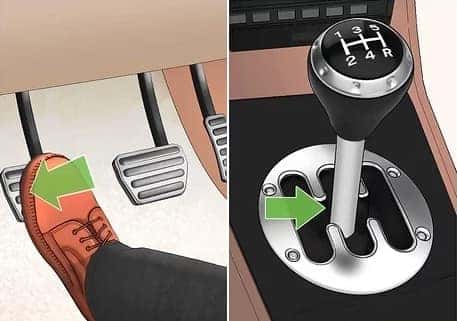
The clutch is your connection between the engine and the wheels. Pressing the clutch pedal temporarily disconnects this link, letting you change gears smoothly.
Without using the clutch properly, shifting gears can damage the transmission or cause the car to stall. When you press the clutch, the engine power is disengaged, allowing the gear lever to move freely.
Think about your first time driving a manual: did you struggle with clutch control? Practicing the timing of clutch release and gear engagement can make all the difference in avoiding jerks and stalls.

Credit: www.youtube.com
When To Shift Gears
Knowing when to shift gears in a manual car is crucial for smooth driving and engine health. Shifting too early or too late can cause jerks, reduce fuel efficiency, and even damage the transmission. Paying attention to your car’s sounds and feel helps you decide the perfect moment to change gears.
Recognizing Rpm Ranges
Your car’s tachometer shows the RPM (revolutions per minute), which is a key indicator of when to shift. Most engines perform best between 2,000 and 3,000 RPM during normal driving. If you hear the engine revving too high or feel it straining, it’s time to shift up.
Conversely, when the engine sounds like it’s struggling or the RPM drops too low, shifting down can prevent stalling. I remember my first drive where ignoring the RPM led to a rough ride and stalled engine; after tuning in to the tachometer, my gear changes became smoother and more confident.
Speed And Gear Relationship
Each gear corresponds to a certain speed range. For example, first gear is for starting from a stop and speeds under 10 mph, while second gear suits speeds around 10-20 mph. Driving too fast in a low gear can strain the engine, and staying in a high gear at low speeds can cause the car to jerk.
Pay attention to how your car feels as you accelerate or decelerate. If the engine sounds like it’s laboring or the car feels sluggish, it’s a sign to shift gears. Have you noticed how your driving becomes smoother once you get the hang of matching speed and gear?
How To Shift Smoothly
Shifting gears smoothly in a manual car is an art that combines timing, feel, and coordination. It’s not just about moving the gear stick; it’s about making your car respond naturally and comfortably. When you master this, your rides become less jerky, less stressful, and more enjoyable.
Clutch And Accelerator Coordination
The key to smooth gear changes lies in how well you coordinate the clutch and the accelerator. Press the clutch fully before moving the gear stick to avoid grinding gears or stalling.
As you release the clutch, gently add pressure on the accelerator. If you lift the clutch too quickly without enough gas, the car will jerk or stall.
Think of it like a dance: the clutch lets go while the accelerator steps in to keep the engine running smoothly. Try practicing in a quiet area to feel this balance.
Timing Your Gear Changes
Knowing when to change gears is just as important as how you do it. Shifting too early or too late can strain the engine and make driving uncomfortable.
Listen to your car’s engine sound and watch the RPM gauge. When the engine starts to sound strained or the RPM climbs above 2,500-3,000, it’s time to upshift.
Downshifting should happen before the engine struggles or you need extra power, such as when climbing a hill. Have you noticed how waiting too long makes the car lag or jerk? Timing is everything.
Common Gear Changing Mistakes
Changing gears smoothly is a skill that takes time to develop, but many learners make common mistakes that can cause wear and tear on the car or lead to jerky rides. Understanding these errors helps you avoid damage and gain confidence behind the wheel. Let’s look at two frequent gear-changing pitfalls and how to fix them.
Riding The Clutch
Riding the clutch means keeping your foot partially pressing the clutch pedal instead of fully releasing it after shifting gears. This can cause the clutch to overheat and wear out quickly, leading to expensive repairs.
Think about the last time you tried to creep forward in heavy traffic. You might have felt tempted to keep the clutch partially engaged to control speed. Instead, try using the brake and accelerator together, fully releasing the clutch as soon as you shift. This will save your clutch and make your driving smoother.
Shifting Too Early Or Late
Shifting gears at the wrong time can cause the engine to struggle or rev unnecessarily. Shifting too early means moving up to a higher gear before the engine has enough power, making the car feel sluggish.
On the other hand, shifting too late causes the engine to roar loudly and wastes fuel. Pay attention to your car’s sound and the tachometer if you have one. When the engine starts to sound strained or the RPMs get too high, it’s time to shift. How does your car feel when you shift—smooth or jerky? Your response tells you if your timing is right.
Advanced Gear Shifting Techniques
Shifting gears smoothly keeps your car running well and saves fuel. Change gears as the engine sound changes or the speed increases. Practice helps you feel the right moment to shift without jerking or stalling.
In the world of manual driving, mastering advanced gear shifting techniques can elevate your driving experience from ordinary to exceptional. These techniques offer smoother transitions, better control, and can even extend the life of your vehicle. By understanding and applying these methods, you can transform your drive into a seamless and efficient journey.
Double Clutching
Double clutching is a technique that allows for smoother shifts, especially in older cars without synchronized gearboxes. It involves pressing the clutch pedal twice during a shift. Here’s how it works: When shifting gears, press the clutch, move the gear to neutral, release the clutch, and then rev the engine to match the speed of the next gear. Finally, press the clutch again and shift into the desired gear. This method not only ensures smoother gear transitions but also reduces wear on your transmission. It’s particularly useful when downshifting to maintain momentum without jerky movements.
Rev Matching
Rev matching is all about syncing the engine speed with the wheel speed to ensure a smooth downshift. It enhances control and comfort, especially when driving on winding roads or during spirited driving. To perform rev matching, press the clutch and shift to neutral. Then, blip the throttle to increase the engine RPM to match the next lower gear. Finally, shift into the lower gear and release the clutch smoothly. This technique is not just for race car drivers; it can make everyday driving more enjoyable and less stressful on your car. Have you ever felt that jolt when downshifting? Rev matching can eliminate that. By incorporating these advanced techniques, you’ll find yourself more connected with your car and the road. Why not give it a try the next time you’re behind the wheel?

Credit: www.youtube.com
Tips For Different Driving Conditions
Driving a manual car means adapting your gear changes to fit the situation on the road. Different driving conditions demand different approaches to gear shifting. Understanding how and when to shift gears can make your drive smoother, safer, and more fuel-efficient.
City Driving
In city traffic, you’re often stopping and starting. Use lower gears to keep the engine responsive at low speeds. Stay in first or second gear when moving slowly to avoid stalling.
Keep an eye on traffic lights and pedestrians to anticipate stops. This helps you shift down smoothly without sudden jerks. Have you noticed how shifting early can save your clutch and reduce stress?
Hills And Inclines
Climbing hills requires more power, so shift to a lower gear before you start ascending. This gives your engine the torque it needs to avoid struggling.
When going downhill, use engine braking by shifting to a lower gear instead of relying solely on brakes. This prevents brake overheating and keeps control on steep declines.
Have you ever felt your car slow down unexpectedly on a hill? Proper gear choice can prevent that and keep your ride steady.
Traffic And Stop-and-go
Stop-and-go traffic can be tiring, but proper gear use helps. Stay in first gear when moving slowly, and shift to second only when you gain enough speed.
Try to anticipate traffic flow to avoid constant clutch pressing. Smooth gear changes reduce wear and save fuel.
Think about how much easier your drive becomes when you avoid riding the clutch in traffic jams. Could adjusting your gear habits make your commute less stressful?

Credit: gartzlube.com
Frequently Asked Questions
How Do I Know When To Change Gears In A Manual Car?
You should change gears based on engine RPM and speed. Shift up when RPM reaches 2,500-3,000 for smooth driving. Downshift when slowing or needing more power. Listening to engine sound helps timing gear changes perfectly.
Why Is It Important To Change Gears Smoothly?
Smooth gear changes prevent engine strain and wear. It improves fuel efficiency and extends transmission life. Harsh shifting can damage clutch and gearbox parts, leading to costly repairs. Always use the clutch fully for seamless gear transitions.
What Happens If I Change Gears Too Early Or Late?
Changing gears too early causes engine lugging and poor acceleration. Too late leads to high RPM, engine noise, and fuel waste. Both affect car performance and can damage the engine over time. Correct timing ensures optimal power and efficiency.
Can I Change Gears Without Using The Clutch?
It’s not recommended to shift without the clutch in a manual car. Skipping the clutch can cause gear grinding and damage. Only experienced drivers may do clutchless shifting with precise rev-matching, but beginners should always use the clutch for safety.
Conclusion
Changing gears in a manual car takes practice and patience. Pay attention to the engine sound and speed. Shift smoothly to avoid jerks or engine strain. Knowing the right time to change gears helps you drive safely. It also saves fuel and keeps the car healthy.
Keep practicing, and soon gear changes will feel natural. Enjoy the control and freedom that manual driving gives you. Remember, every driver learns at their own pace. Stay calm, focus, and drive confidently.