

Have you ever been behind the wheel, ready to shift gears, only to find your car refusing to respond? It’s frustrating, confusing, and can leave you stranded if you don’t know what’s wrong.
When your car gear is not shifting smoothly, it’s more than just an annoyance—it could signal a problem that needs your attention. You’ll discover the common reasons why your car gear might not be shifting and what you can do to fix it.
Keep reading, because understanding these issues could save you time, money, and a lot of stress on the road.
Signs Of Gear Shifting Problems
Gear shifting problems can cause serious driving troubles. Noticing the early signs helps you avoid bigger repairs and unsafe situations. Pay attention to how your car changes gears and any unusual behavior during driving.
Here are common signs that show your car’s gear shifting might have issues.
Delayed Gear Engagement
Your car hesitates before moving after shifting to drive or reverse. The engine revs but the car moves slowly or not at all. This delay can mean fluid problems or worn transmission parts.
Grinding Noises
Hearing grinding sounds when changing gears signals trouble. This noise means gears are not syncing properly. It often points to clutch or transmission damage.
Gear Slippage
The car suddenly drops out of gear or shifts on its own. You feel the engine racing but the speed does not increase. This slipping can cause dangerous loss of control.
Warning Lights
Transmission or check engine lights on the dashboard warn of gear issues. Ignoring these lights risks serious damage. Always get a diagnostic test if these lights appear.

Credit: www.carparts.com
Common Mechanical Issues
Experiencing trouble with your car’s gear not shifting? Common mechanical issues might be the cause. These problems often affect how smoothly your vehicle operates. Understanding them can help you identify solutions faster.
Worn Clutch Components
The clutch is crucial for smooth gear shifts. Over time, its components wear out. This wear can lead to gear shifting problems. Symptoms include a slipping clutch or difficulty engaging gears. Regular maintenance can prevent these issues from worsening.
Damaged Gear Linkage
Gear linkage connects the gear stick to the transmission. If damaged, it can hinder gear shifts. You might notice loose or stiff gear changes. Inspecting the linkage for damage can help restore proper function. Repairing or replacing it can solve shifting problems.
Low Transmission Fluid
Transmission fluid is vital for smooth gear operation. Low fluid levels can cause shifting issues. You might experience delayed or rough shifts. Checking fluid levels regularly is essential. Top up or replace the fluid to maintain optimal performance.
Faulty Synchronizers
Synchronizers help gears engage smoothly. If they fail, gear shifts can become noisy or difficult. This issue often requires professional inspection. Replacing faulty synchronizers can improve gear performance. Regular servicing can prevent such problems.
Transmission Fluid Troubles
Transmission fluid plays a vital role in how smoothly your car shifts gears. If your gear isn’t shifting right, the fluid might be the culprit. Ignoring this can lead to bigger, costly problems down the road.
Importance Of Fluid Levels
Low transmission fluid can cause your car to hesitate or fail to shift gears properly. The fluid acts as a lubricant and hydraulic fluid, so if it’s low, parts can wear out or gears won’t engage smoothly.
Have you ever noticed your car slipping gears or making strange noises? Checking fluid levels regularly can save you from these frustrating issues.
Effects Of Dirty Fluid
Old or dirty transmission fluid loses its ability to lubricate and cool the transmission. This can cause rough shifting, slipping, or even complete gear failure.
Dirty fluid often looks dark and smells burnt. If you’ve ever smelled a burnt odor when driving, it’s a strong sign your fluid needs changing.
How To Check Fluid
- Start your car and let it warm up.
- Locate the transmission fluid dipstick—usually near the back of the engine.
- Pull the dipstick out, wipe it clean, then reinsert it fully.
- Pull it out again and check the fluid level and color.
- The fluid should be bright red and near the “Full” mark.
If the fluid is low or dirty, it’s time to add or replace it. Don’t guess—using the wrong type of fluid can cause more harm than good. Consult your owner’s manual for the exact fluid specification.
Electrical And Sensor Problems
Electrical and sensor problems can silently sabotage your car’s ability to shift gears smoothly. These issues often hide beneath the surface, making it tricky to identify the root cause without proper knowledge. Understanding how these components interact can save you from costly repairs and frustrating breakdowns.
Faulty Transmission Sensors
Your car relies on transmission sensors to monitor gear position, speed, and fluid temperature. If a sensor malfunctions, the transmission control module may receive wrong data, causing delayed or failed gear shifts.
Imagine driving and suddenly the gear won’t change from neutral to drive. This might be due to a faulty sensor sending incorrect signals. Replacing or recalibrating these sensors often restores smooth shifting.
Wiring And Connection Issues
Wiring problems are common culprits behind shifting failures. Loose, corroded, or damaged wires disrupt the flow of electrical signals between sensors and the transmission control unit.
Have you ever checked your car’s wiring harness after a sudden gear issue? Often, simple repairs like reconnecting a loose plug or cleaning corrosion can fix the problem quickly without replacing expensive parts.
Computer Control Malfunctions
Your car’s transmission is controlled by a computer, usually called the Transmission Control Module (TCM). If this computer malfunctions due to software glitches or hardware faults, it may fail to send the correct commands to shift gears.
Resetting the TCM or updating its software can sometimes solve shifting issues. However, persistent problems might require professional diagnostics to reprogram or replace the control module.
Simple Diy Fixes
Facing gear shifting problems can be frustrating, but some fixes don’t require a mechanic’s visit. You might be surprised how often the issue comes down to something simple you can handle yourself. These DIY tips can save you time and money while getting your car back on track.
Checking And Refilling Fluid
Low or dirty transmission fluid often causes gear shifting troubles. Start by locating your car’s transmission dipstick, usually near the engine, and check the fluid level. If it’s low, adding the right type of transmission fluid can instantly improve shifting.
Make sure the fluid looks clean and has a reddish color. Dark or burnt-smelling fluid means it’s time for a change, not just a top-up. Have you checked your fluid level recently? It’s a quick step that many overlook but can fix shifting issues fast.
Inspecting Linkage Adjustments
The gear linkage connects your gear shifter to the transmission. If this linkage is loose or misaligned, your car may struggle to shift gears properly. Open the hood and follow the linkage to see if any parts look worn or out of place.
Sometimes, simply tightening the bolts or realigning the linkage can restore smooth gear shifts. If you notice excessive play in the shifter or it feels different, this might be your culprit. Can you see how small adjustments here could make a big difference?
Resetting Transmission Computer
Modern cars rely on a transmission control module to manage shifting electronically. Sometimes, the computer can get confused by errors or glitches, leading to gear problems. Resetting this system can clear errors and help your transmission function normally again.
To reset, disconnect your car battery for about 15 minutes, then reconnect it. This simple action can reboot the transmission computer. Have you tried this reset before? It’s an easy step that might just reset your shifting issues without any tools.
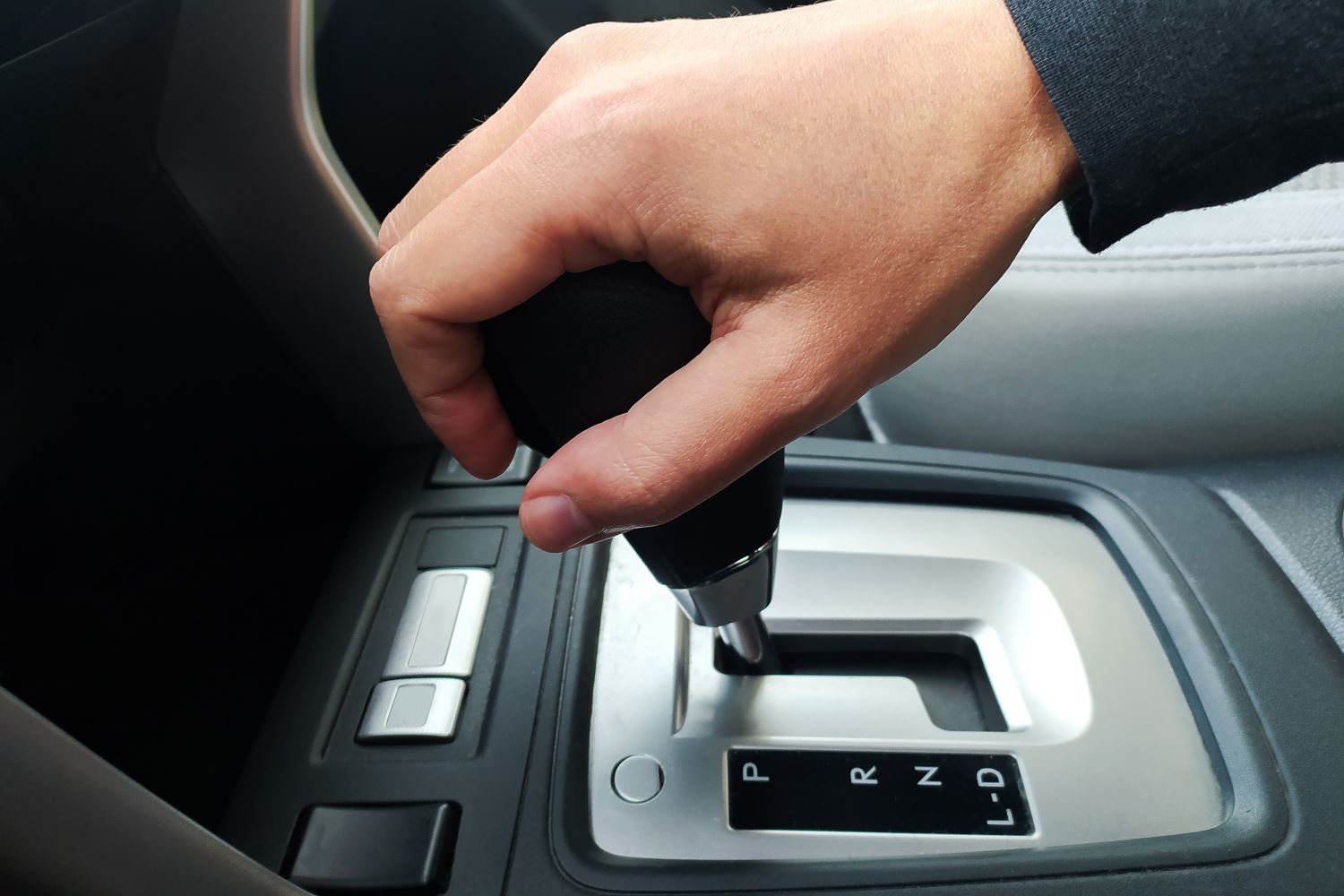
Credit: www.carparts.com
When To See A Mechanic
Knowing when to see a mechanic for your car’s gear shifting problems can save you time, money, and stress. Sometimes, a small glitch might resolve on its own, but other times, ignoring the issue can lead to serious damage. Understanding the signs that indicate professional help is necessary helps you avoid costly repairs and ensures your safety on the road.
Persistent Shifting Issues
If your car keeps struggling to shift gears smoothly, it’s a clear sign to visit a mechanic. Occasional hiccups might be normal, but persistent slipping, jerking, or delayed gear changes often point to a deeper problem.
Think about how often you notice these issues. Do they happen every time you drive, or just once in a while? If the problem doesn’t go away after checking fluid levels or making simple adjustments, it’s time to get professional advice.
Complex Internal Damage
Sometimes, the cause of gear shifting problems lies deep inside the transmission system. Damage to internal components like gears, clutches, or sensors can’t be fixed with simple DIY methods.
Ignoring these signs might worsen the damage and increase repair costs. If you hear unusual noises or feel grinding when shifting, don’t wait to consult a mechanic who can inspect these complex parts thoroughly.
Professional Diagnostic Tools
Modern cars rely on electronic systems to manage gear shifting, which means some problems aren’t visible to the naked eye. Mechanics use advanced diagnostic tools to read error codes and identify hidden issues quickly.
These tools help pinpoint the exact cause of shifting troubles, saving you from unnecessary repairs. Have you ever wondered why some mechanics can fix your car faster? Their access to professional diagnostics makes all the difference.

Credit: brockautomotive.com
Frequently Asked Questions
Why Is My Car Gear Not Shifting Smoothly?
Gear shifting issues often stem from low transmission fluid or worn clutch components. Check fluid levels and inspect the clutch system for wear or damage.
Can Transmission Fluid Cause Gear Shifting Problems?
Yes, dirty or low transmission fluid can cause rough or delayed gear shifts. Regularly check and replace fluid to maintain smooth shifting.
How Does A Faulty Clutch Affect Gear Shifting?
A worn or damaged clutch can prevent gears from engaging properly, causing slipping or difficulty shifting. Timely clutch repair is essential.
When Should I See A Mechanic For Gear Shifting Issues?
If your car struggles to shift gears, makes unusual noises, or slips frequently, consult a mechanic promptly to avoid further damage.
Conclusion
Car gear not shifting can cause serious driving problems. Check the fluid level and condition first. Worn or damaged parts might need replacement. Sometimes, the clutch or transmission system has issues. Early repairs save money and keep you safe. Don’t ignore strange noises or slipping gears.
Regular car maintenance helps prevent these problems. Trust a mechanic if you feel unsure. Stay alert and act quickly to avoid bigger damage. Your car will run smoother with proper care. Safe driving starts with a well-functioning transmission.