
Have you ever wondered what happens when you shift gears in a manual car? Understanding how gears work can give you more control and confidence behind the wheel.
It’s not just about moving from first to second; it’s about how your car’s engine and wheels work together to give you smooth power and speed. You’ll discover the simple mechanics behind gears and why they matter every time you drive.
Keep reading, and you’ll see how this knowledge can make your driving experience easier and more enjoyable.
Credit: my-summer-car.fandom.com
Gear Basics
Gears are key parts of a manual car’s transmission. They help control speed and power from the engine to the wheels. Understanding gear basics helps you see how a car moves smoothly and efficiently. Gears work by changing the force and speed between the engine and wheels. This lets the car start, stop, and drive at different speeds with ease.
Types Of Gears
Manual cars use several types of gears to transfer power. The most common are:
- Spur Gears:These have straight teeth and mesh easily. They are simple and reliable.
- Helical Gears:These have angled teeth for smoother and quieter operation.
- Synchronizer Gears:These help match gear speeds before engagement, making shifting smooth.
Each gear type plays a role in how the car shifts and drives. They work together inside the gearbox to manage power flow.
Gear Ratios Explained
Gear ratios show the relationship between two gears’ teeth or speeds. They determine how much the engine speed changes at the wheels.
A low gear ratio means more power but less speed. High gear ratios give more speed but less power. This balance helps the car move efficiently in different situations.
| Gear | Effect | Use |
|---|---|---|
| 1st Gear | High torque, low speed | Starting and climbing hills |
| 2nd & 3rd Gear | Moderate torque and speed | City driving |
| 4th & 5th Gear | Low torque, high speed | Highway cruising |
Understanding gear ratios helps you use each gear well. It improves fuel efficiency and car control.
Credit: gearjunkie.com
Manual Transmission Components
The manual transmission system relies on several key parts to work smoothly. These parts help the driver control the car’s speed and power. Understanding these components helps explain how gear changes happen in a manual car.
Clutch And Its Role
The clutch connects and disconnects the engine from the wheels. It allows the driver to change gears without stopping the engine. Pressing the clutch pedal separates the engine from the gearbox. This stops power flow temporarily, so gears can shift easily. Releasing the clutch pedal reconnects the engine to the wheels, moving the car forward. The clutch also helps control the car’s speed when starting or stopping.
Gearbox Structure
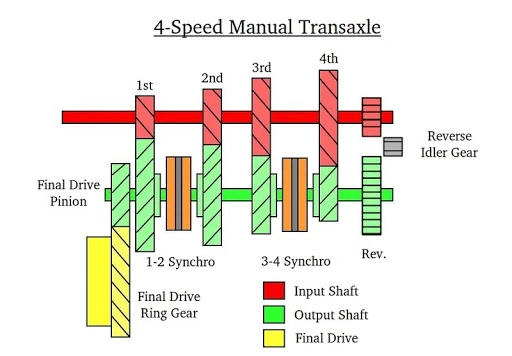
The gearbox contains different gears of various sizes. These gears change the car’s speed and torque. Inside, you find:
- Input shaft – connects to the engine and brings power in.
- Output shaft – sends power to the wheels.
- Gear pairs – different sizes for different speeds.
- Selector forks – move gears to engage the right gear.
Gears mesh together to change the rotation speed and force. Smaller gears spin faster but with less force. Larger gears spin slower but deliver more force. The driver selects gears to match driving needs and road conditions.
How Gears Engage
Gears in a manual car engage to transfer power smoothly from the engine to the wheels. This process requires precision to avoid grinding noises and wear. The engagement happens inside the transmission, where different parts work together to align and lock the gears.
Synchronizers And Smooth Shifting
Synchronizers help match the speed of the gear and the shaft. They use friction to slow down or speed up the gear. This matching prevents gear clash and ensures smooth shifting. Without synchronizers, shifting would be noisy and rough.
These small parts act like a clutch for the gears. They allow the driver to change gears without stopping the car or causing damage. Synchronizers are key for easy and quiet gear changes.
Shifting Mechanism
The shifting mechanism moves the gears into place. When the driver moves the gear stick, it moves a shift fork inside the transmission. This fork pushes the collar to engage with the selected gear.
The collar slides to lock the gear to the shaft, transmitting power. This movement must be precise to avoid grinding. The driver feels the gear shift through the stick, signaling successful engagement.

Credit: www.xautomotive.com
Shifting Techniques
Mastering shifting techniques is key to driving a manual car smoothly and efficiently. How you handle the clutch and match engine speed directly affects the longevity of your transmission and your overall driving experience. Let’s break down these essential skills so you can shift like a pro.
Proper Clutch Use
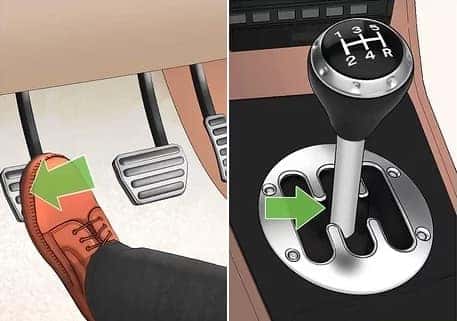
The clutch is your connection to the engine’s power. Press it fully before you change gears to avoid grinding or stalling. Releasing the clutch too quickly can jerk the car or cause damage, so aim for a smooth, steady motion.
Imagine driving up a hill for the first time—you might find yourself stalling if you don’t engage the clutch gently. Practice feeling the “biting point” where the clutch starts to engage. This awareness helps you start moving smoothly without sudden stops.
- Press the clutch pedal fully before shifting.
- Shift gears while the clutch is pressed down.
- Release the clutch pedal slowly and steadily to engage the gear.
Matching Engine Speed
Matching engine speed, or rev-matching, means adjusting your engine’s RPM to the gear you’re shifting into. This prevents jerks and reduces wear on your transmission. It’s especially important when downshifting to avoid sudden jolts.
Think about how your engine sounds during shifts. If the RPMs drop or spike too quickly, the car won’t feel smooth. You can practice by blipping the throttle (giving a quick gas burst) while releasing the clutch during downshifts. This technique feels tricky at first, but it quickly becomes second nature.
- Listen to your engine’s sound and feel the RPM changes.
- Use the gas pedal briefly to raise RPMs when downshifting.
- Coordinate throttle blips with clutch release to smooth out shifts.
Common Shifting Issues
Manual cars offer drivers a more engaged driving experience, but they can sometimes present shifting challenges. Understanding common shifting issues can save you from unexpected frustration on the road. Let’s dive into two frequent problems that can affect your shifting experience.
Gear Grinding Causes
Have you ever heard a horrible grinding noise while shifting gears? This unpleasant sound might be due to several reasons. Often, it’s a result of not fully engaging the clutch, causing the gears to clash.
Misalignment between the gear teeth can also cause grinding. This happens when you shift too quickly or forcefully. Regularly listening to your car’s feedback can help you adjust your shifting technique to avoid this issue.
Sometimes, worn-out synchros can be the culprit, especially in older vehicles. Ensuring timely maintenance of your transmission system can prevent costly repairs down the road. Have you checked your car’s synchros recently?
Clutch Slippage Symptoms
Clutch slippage is another pesky issue that can disrupt your driving experience. You might notice a lack of acceleration even when the engine is revving high. This can be particularly frustrating when you’re trying to merge onto a busy highway.
A burning smell is a common sign that your clutch is slipping. This occurs when the clutch plate isn’t fully engaging, causing excess friction. If you experience this, it might be time to inspect your clutch for wear and tear.
Delayed gear engagement can also indicate clutch slippage. Pay attention to how your car responds when you shift gears. Is there a delay or a lack of responsiveness? Addressing these symptoms early can help you avoid more severe transmission issues.
By understanding these common shifting issues, you can ensure a smoother and more enjoyable driving experience. How will you address these potential challenges in your manual car?
Maintaining Your Manual Transmission
Maintaining your manual transmission is crucial for smooth gear shifts and long vehicle life. Proper care prevents costly repairs and keeps driving enjoyable. Regular attention helps detect problems early and extends transmission durability.
Fluid Changes
Transmission fluid lubricates gears and reduces friction. Over time, fluid gets dirty and loses effectiveness. Change the fluid as recommended in the owner’s manual. Fresh fluid ensures smooth gear engagement and prevents overheating.
Use the correct type of fluid specified for your car. Avoid mixing fluids from different brands or types. Check fluid levels regularly to avoid running low, which can cause damage.
Regular Inspection Tips
Inspect your manual transmission often for signs of wear or leaks. Look for fluid leaks under the car or around the transmission area. Listen for unusual noises during gear shifts. Grinding or clunking sounds may indicate problems.
Check the clutch pedal for smooth operation. A stiff or spongy pedal can signal clutch or hydraulic issues. Monitor gear engagement; difficulty shifting or slipping gears needs prompt attention. Regular inspections keep your transmission healthy and prevent breakdowns.
Frequently Asked Questions
How Do Gears Transfer Power In A Manual Car?
Gears transfer engine power to the wheels by changing torque and speed. The driver shifts gears using the clutch to match engine power with driving conditions.
Why Is The Clutch Important In Manual Gear Operation?
The clutch disconnects the engine from the transmission, allowing smooth gear changes. It prevents gear grinding and helps the car start moving without stalling.
What Happens When Shifting Gears Incorrectly In A Manual Car?
Incorrect shifting can cause gear grinding, clutch wear, and transmission damage. It reduces driving efficiency and may lead to costly repairs if done frequently.
How Do Gear Ratios Affect Car Performance?
Gear ratios control the balance between speed and torque. Lower gears provide more torque for acceleration, while higher gears allow for faster speeds with less engine effort.
Conclusion
Gears in a manual car help control speed and power. They connect the engine to the wheels in different ways. Changing gears lets the car move smoothly on roads. Drivers use the clutch to switch gears safely. Understanding gears helps you drive with more confidence.
It also makes the car run better and last longer. Learning this simple system can improve your driving skills. Gears may seem tricky at first, but they work logically. Keep practicing, and shifting gears will become easier.