
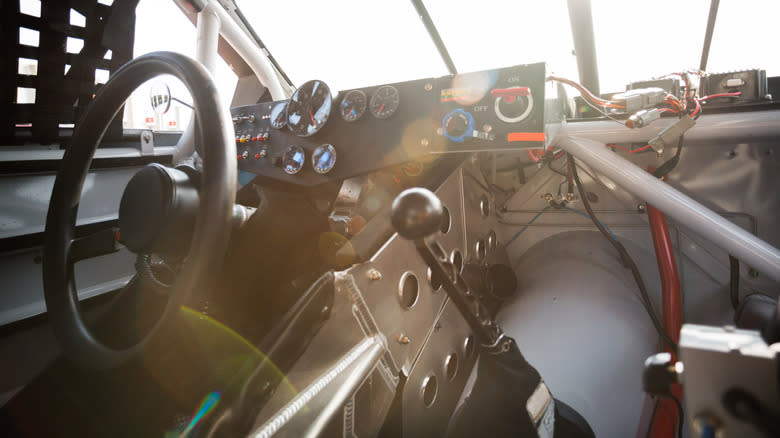
Have you ever wondered how race cars shift gears so quickly and smoothly during a high-speed race? Understanding how many gears a race car has can give you a closer look at what makes these machines so fast and powerful.
Whether you’re a racing fan or just curious about how these cars work, knowing about their gears will change the way you watch a race. Keep reading to discover the secrets behind race car gears and why they matter more than you might think.
Race Car Transmission Basics
Race car transmissions play a crucial role in controlling speed and power. They help the driver shift gears smoothly and keep the engine in its best power range. Understanding race car transmission basics gives insight into how these machines perform at high speeds.
Race car transmissions differ from regular car gearboxes. They are built to handle rapid gear changes under extreme conditions. The number of gears in race cars varies depending on the racing type and car design.
Types Of Race Car Transmissions
Race cars mainly use two types of transmissions: manual and sequential. Each has unique features for performance and control.
- Manual Transmission:Traditional gearbox with a clutch pedal and H-pattern shifter.
- Sequential Transmission:Gear changes in order, using a simple push or pull lever.
- Automatic Transmission:Rare in racing but sometimes used in endurance races for ease.
Sequential gearboxes are most common in modern race cars. They allow faster shifts and reduce driver effort.
Manual Vs. Sequential Gearboxes
Manual gearboxes require clutch use and precise gear selection. Drivers must shift gears in an H-pattern. This can be slower but offers more control.
Sequential gearboxes shift gears up or down one step at a time. Drivers use a lever or paddle shifters. This system is faster and reduces mistakes.
Sequential gearboxes improve lap times by minimizing shift delays. They also lower the chance of engine damage from wrong gear shifts.

Credit: www.imsa.com
Typical Gear Counts In Race Cars
Race cars have different numbers of gears depending on the type of racing. The gear count affects how the car accelerates and handles on the track. Typical race cars usually have fewer gears than regular cars. This helps drivers shift faster and keep the engine in its power range.
Common Gear Numbers In Different Racing Series
- Formula 1 cars usually have 8 gears. These gears are closely spaced for quick shifts.
- NASCAR stock cars typically use 4-speed transmissions. Simpler but strong for oval tracks.
- Rally cars often have 5 or 6 gears. This helps in varied terrain and speeds.
- Touring cars use 6-speed gearboxes. Balanced for speed and control on circuits.
- IndyCar machines generally feature 6-speed sequential gearboxes. Designed for high-speed tracks.
How Gear Count Affects Performance
A higher number of gears allows smoother acceleration. It keeps the engine near its best power level.
More gears mean closer ratios. Drivers get better control over speed and torque.
Fewer gears can mean simpler mechanics and less weight. This can improve reliability.
Choosing gear count depends on track type and car design. Each setup aims for optimal speed and efficiency.
Gear Ratios And Speed Optimization
Gear ratios play a crucial role in how a race car performs on the track. They determine how power from the engine translates into speed and acceleration. Understanding and optimizing these ratios can give you a real edge, whether you’re pushing for a quick start or aiming for top speed on a long straight.
Role Of Gear Ratios In Acceleration
Gear ratios directly affect how quickly your car can accelerate. A lower gear ratio means more torque reaches the wheels, helping you launch off the line faster. However, it limits your top speed because the engine hits its maximum RPM sooner.
Higher gear ratios, on the other hand, reduce torque but allow the car to reach higher speeds. This balance is why race cars have multiple gears: to maximize acceleration in the lower gears and maintain speed in the higher ones.
Think about a sharp corner followed by a long straight. How do you optimize your acceleration out of the turn without losing speed down the straight? Your gear ratios are the answer.
Tailoring Gear Sets For Track Conditions
Not all tracks are the same, so your gear setup shouldn’t be either. Tracks with many tight corners benefit from shorter gear ratios to boost acceleration. Tracks with long straights require taller gears to reach and sustain high speeds.
Adjusting your gear sets based on track layout can shave seconds off your lap time. Teams often test different ratios during practice sessions to see what fits best. You can also look at weather and track grip since these affect how much power you can use effectively.
- Shorter gear ratios improve responsiveness but limit max speed.
- Taller gear ratios increase top speed but reduce low-speed torque.
- Balancing these depends on your driving style and the specific demands of the race.
Are you prepared to tweak your gear ratios for every race? Small adjustments can create big differences in your lap times and overall performance.
Technological Advances In Gear Systems
Race car gear systems have evolved a lot over time. New technology helps drivers change gears faster and more smoothly. These advances improve performance and control on the track. Modern gearboxes are smarter and adapt to racing conditions. This section explores key innovations in race car gear systems.
Electronic Shift Systems
Electronic shift systems replace traditional manual gear changes. Drivers use paddles on the steering wheel to shift gears quickly. This system reduces shift time and errors. It also lowers driver fatigue during long races. Sensors send signals instantly to the gearbox for smooth gear changes.
These systems offer precise control over gear shifts. They help keep the engine in its optimal power range. Electronic shifts improve acceleration and reduce gear wear. Many top racing series now use this technology.
Adaptive Gearboxes And Data Integration
Adaptive gearboxes adjust their behavior based on real-time data. They analyze factors like speed, engine load, and track conditions. The system then selects the best gear for each moment. This leads to better fuel efficiency and performance.
Data integration allows teams to monitor gearbox performance remotely. Engineers can make quick adjustments to improve reliability. Adaptive gearboxes help drivers maintain optimal speed through corners and straights. These smart systems contribute to winning races by enhancing gear management.
Impact Of Gear Choices On Race Strategy
Race cars usually have six to eight gears, affecting speed and control. Choosing the right gear helps drivers manage turns and straights efficiently. Gear selection shapes the entire race strategy.
The impact of gear choices on race strategy is a fascinating aspect of motorsport that can significantly influence the outcome of a race. Gears in a race car are not just about speed; they’re strategic tools that drivers and engineers use to optimize performance across different segments of a race track. Every gear shift can be the difference between gaining a crucial second or losing a position.
Balancing Speed And Fuel Efficiency
Race teams meticulously choose gear ratios to balance speed and fuel efficiency. A shorter gear ratio might provide quicker acceleration, making it ideal for circuits with many tight corners. However, this can lead to higher fuel consumption and increased wear on the engine. Imagine you’re in a long endurance race. You need to consider fuel stops and tire wear. Opting for a longer gear ratio could mean fewer pit stops, saving valuable time. What’s your priority: a fast lap or a reliable finish? The answer could shift your entire strategy.
Gear Selection And Driver Control
Gear selection also plays a critical role in how a driver controls the car. The right gear choice can offer better traction, especially in wet or slippery conditions. Drivers often have personal preferences for gear settings based on their driving style. Some prefer aggressive setups with shorter gears for quick overtakes, while others might favor smoother transitions for better stability. Have you ever thought about how a gear change could alter a driver’s confidence on track? The right gear can be the silent partner in a driver’s success, giving them the control they need to push the limits. Understanding these nuances can transform your appreciation of racing from a simple spectator sport to a strategic battle of wits and machinery.

Credit: www.tegiwa.com
Comparing Race Cars With Road Cars
Comparing race cars with road cars reveals some fascinating differences, especially in how many gears each has and why. The number of gears is not just a technical detail; it affects how the vehicle performs on different surfaces and at various speeds. Understanding these differences can give you a clearer picture of what makes race cars so uniquely tuned for speed and control.
Differences In Gear Numbers
Most road cars typically come with 5 to 8 gears, enough to balance fuel efficiency and smooth driving. Race cars, on the other hand, usually have between 6 and 7 gears, but these are designed very differently. The focus isn’t on comfort or fuel economy—it’s about maximizing acceleration and maintaining optimal engine power throughout the race.
Race cars often use sequential gearboxes, allowing drivers to shift gears faster and more precisely. This setup reduces the chance of missing a gear, which can cost valuable seconds. Think about your daily drive: you rarely need to shift rapidly, but in a race, every millisecond counts.
Why Race Cars Need More Precise Gear Control
Precision in gear control helps drivers keep the engine in its “sweet spot” — the range where it produces maximum power. Shifting too early or too late can cause a loss of speed or even engine damage. This is why race cars have gearboxes that allow lightning-fast shifts, often controlled by paddles on the steering wheel.
Imagine trying to navigate a sharp corner at high speed. You need to downshift instantly to get the right power for acceleration out of the turn. Race car drivers train extensively to master this skill, as every shift impacts lap times and overall performance.
Have you ever thought about how your car’s gear system affects your driving experience? If you could control gear shifts as precisely as a race car driver, how would it change your daily drive?

Credit: www.news-journalonline.com
Frequently Asked Questions
How Many Gears Does A Typical Race Car Have?
Most race cars have between 5 to 7 gears. This range optimizes acceleration and top speed. Gear selection depends on track type and car design. More gears allow better control over power delivery and engine performance.
Why Do Race Cars Use Multiple Gears?
Multiple gears help maintain optimal engine RPM. They improve acceleration and fuel efficiency during races. Gears allow drivers to adapt to track conditions. This helps maximize performance and control during high-speed driving.
Do All Race Cars Have The Same Number Of Gears?
No, gear numbers vary by race type and vehicle. Formula 1 cars often use 8 gears. NASCAR vehicles typically have 4-speed transmissions. Gear count depends on race regulations and car engineering.
Can More Gears Improve Race Car Speed?
Yes, more gears enable smoother acceleration and efficient power use. This helps maintain engine performance in various speed ranges. However, too many gears can add weight and complexity.
Conclusion
Race cars usually have between 5 and 7 gears. These gears help drivers control speed and power. More gears give smoother acceleration and better performance. Each gear suits different parts of the track. Drivers shift gears quickly to stay competitive.
Knowing how many gears a race car has shows how complex racing is. It also helps fans understand the sport better. Gears play a key role in racing success. They balance speed, control, and engine power perfectly.