
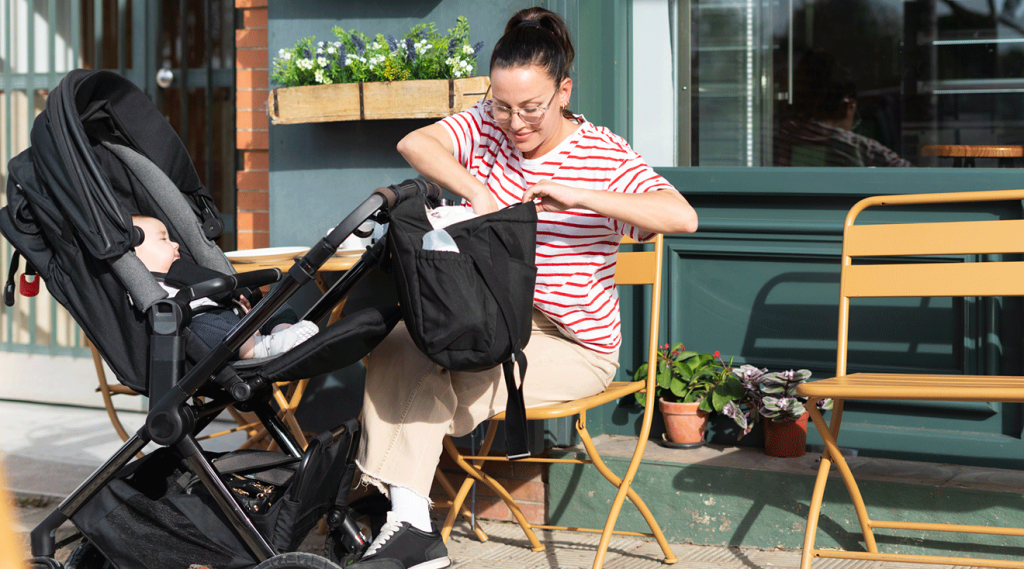
Are you wondering when it’s safe to put your baby in a stroller without using a car seat? You’re not alone.
Every parent wants to keep their little one safe and comfortable, but it can be confusing to know the right time to switch. Making the wrong choice could affect your baby’s safety and your peace of mind. In this post, you’ll discover clear signs and expert tips to help you decide exactly when your baby is ready to ride in a stroller on its own.
Keep reading to feel confident every time you step outside with your child.

Credit: momcozy.com
Choosing The Right Stroller
Choosing the right stroller without a car seat is essential for your baby’s comfort and safety. It’s not just about picking a stroller that looks good; you need one that suits your lifestyle and meets your child’s needs. The right stroller can make outings smoother and more enjoyable for both you and your little one.
Types Of Strollers Without Car Seats
There are several types of strollers designed without car seats, each serving different purposes.
- Standard strollers:These are sturdy and offer good support for toddlers who can sit upright.
- Lightweight strollers:Perfect for quick trips and easy folding, ideal if you’re often on the go.
- Jogging strollers:Designed for active parents, they provide excellent suspension and stability.
- Umbrella strollers:Compact and easy to carry, great for travel and crowded places.
Think about your daily routine. Do you need a stroller for running errands or for weekend hikes? This will help narrow down your choice.
Features To Look For
Not all strollers are created equal, and the details matter. Look for a stroller with a comfortable seat and good padding to keep your baby cozy.
- Adjustable recline options let your baby nap comfortably during walks.
- Five-point harnesses provide the best security and keep your child safely strapped in.
- Large, easy-to-maneuver wheels make pushing smoother, especially on uneven surfaces.
- A sturdy frame ensures durability and safety over time.
- Storage space for your essentials can make outings less stressful.
Remember, a stroller with the right features can save you from frustration and keep your baby happy.
Age And Weight Guidelines
Understanding age and weight limits is critical before using a stroller without a car seat. Most strollers support babies who can sit up independently, usually around six months old. Check the manufacturer’s weight limits—many strollers accommodate up to 50 pounds, but some are designed for lighter weights.
Using a stroller too early can be uncomfortable or unsafe for your baby. Have you noticed how your baby handles sitting upright? This is a good indicator that they might be ready for a stroller without a car seat. Always prioritize your child’s comfort and safety over convenience.
Signs Your Baby Is Ready
Knowing when to put your baby in a stroller without a car seat is important for safety and comfort. Babies need to reach certain milestones before using a stroller alone. These signs show your baby is ready for this change.
Head And Neck Control
Your baby must hold their head up steadily. Good head and neck control means they can support their head without help. This skill usually develops around 4 to 6 months. Without strong control, the head might flop forward or sideways, causing discomfort or danger.
Sitting Up Independently
Babies should sit up without support before using a stroller without a car seat. This ability shows strong muscles and balance. Sitting up helps them stay stable and enjoy the ride. It also reduces the risk of slumping or sliding down.
Comfort And Alertness
A ready baby stays comfortable and alert in the stroller. They should not fuss or seem sleepy all the time. Being calm and engaged means they can enjoy the stroll safely. Watch for signs of distress or discomfort before moving on.
Safety Precautions
Ensuring your baby’s safety in a stroller without a car seat is crucial. Taking the right precautions helps prevent accidents and keeps your child comfortable. Follow these key safety tips to protect your little one during strolls.
Harness Use And Adjustment
Always use the stroller’s harness to secure your baby. A five-point harness is best for safety and support. Adjust the straps to fit snugly but not too tight. Check the harness each time before placing your baby inside. Loose straps can cause your baby to slip or fall.
Proper Recline Position
Set the stroller’s seat to a proper recline for your baby’s age. Newborns need a nearly flat position to support their neck and back. Older babies can sit more upright but should remain comfortable. Avoid positions that force your baby’s head forward or strain their spine.
Avoiding Common Hazards
- Keep small objects and toys away to prevent choking risks.
- Watch for uneven surfaces that might tip the stroller.
- Lock the stroller brakes when stopping or pausing.
- Check for loose parts or broken wheels before use.
- Never leave your baby unattended in the stroller.
Stroller Setup Tips
Setting up a stroller without a car seat requires careful attention. Ensuring comfort and safety is key for your baby’s ride. Proper setup helps prevent accidents and keeps your baby secure. Follow these simple tips to get your stroller ready for use.
Securing The Baby Correctly
Use the stroller’s harness system to keep your baby in place. Adjust straps to fit snugly but not too tight. Fasten all buckles and check them twice. Make sure the baby cannot slip out or lean too far. A well-secured baby stays safe and comfortable.
Checking Brakes And Locks
Always test the stroller’s brakes before placing your baby inside. Engage the brake and push the stroller lightly to check stability. Ensure the wheels lock firmly to prevent rolling. Inspect locks on folding parts to avoid sudden collapse. Reliable brakes and locks protect your baby and give you peace of mind.
Using Sun And Rain Covers
Protect your baby from harsh weather with covers. Use a sunshade to block direct sunlight and UV rays. A rain cover keeps your baby dry during wet weather. Make sure covers fit securely without blocking airflow. These covers help maintain a cozy environment inside the stroller.
When Not To Use A Stroller Without Car Seat
Ensure your baby is strong enough to sit up and hold their head without support. Use a stroller without a car seat when they reach six months or older. Always prioritize your baby’s safety and comfort.
Understanding when not to use a stroller without a car seat can make a significant difference in your baby’s safety and comfort. While strollers are incredibly convenient, there are specific situations where attaching the car seat is non-negotiable. Knowing these scenarios can help you make informed decisions and ensure your little one is safe and snug during every outing.
Newborns And Premature Babies
Newborns and premature babies have delicate necks and spines. Their tiny bodies require additional support that a car seat provides. Without it, the risk of injury or discomfort increases significantly. You wouldn’t want to expose your newborn to unnecessary risks during their earliest days.
Long Trips And Naps
On long trips, your baby may fall asleep, and without proper support, their head can slump forward. This position can obstruct breathing and lead to other safety concerns. During these trips, a car seat provides the right posture and support, ensuring your baby naps safely and comfortably.
Unstable Terrain
Taking a stroller over gravel, cobblestones, or rough paths without a car seat can be risky. The bumps and jolts could unbalance your baby or lead to a fall. A car seat offers extra security and stability, minimizing the effect of sudden movements. Would you feel comfortable navigating such terrain without the added security?

Credit: visapoint.travel
Alternatives To Strollers Without Car Seats
Choosing the right way to transport your baby is important for safety and comfort. Sometimes, using a stroller without a car seat is not the best option. There are other choices that keep your baby secure and make moving around easier. These alternatives offer different benefits depending on your needs and lifestyle.
Infant Car Seat Carriers
Infant car seat carriers are designed to hold your baby safely. They attach easily to many stroller frames. This option allows you to move your baby without taking them out of the car seat. It keeps your baby snug and protected while you walk.
Many car seat carriers have handles for easy carrying. They are lightweight and convenient for short trips. Using a car seat carrier reduces the need to disturb your sleeping baby.
Baby Carriers And Slings
Baby carriers and slings let you keep your baby close to your body. These carriers support your baby’s head and neck well. They allow hands-free movement, making daily tasks easier.
Carriers come in different styles, like wraps, soft-structured carriers, and ring slings. Each style offers different levels of support and comfort. Carrying your baby promotes bonding and helps soothe them.
Travel Systems
Travel systems combine a stroller and a car seat in one set. They allow quick transitions from car to stroller. You can click the car seat into the stroller frame easily.
Travel systems provide convenience and safety for on-the-go parents. They are practical for those who travel often or run errands. This system reduces the need to carry multiple baby gear pieces.
Maintaining Stroller Safety
Keeping a stroller safe for your baby is very important. Regular care helps prevent accidents and keeps the stroller working well. You must check the stroller often and fix small problems before they get bigger. This way, your baby stays comfortable and secure while you are out.
Regular Inspections
Look over the stroller before every use. Check the brakes to make sure they lock properly. Test the wheels for smooth movement and no wobbling. Confirm the harness buckles work and hold tight. Look for cracks or broken parts on the frame. Spotting issues early stops accidents.
Cleaning And Maintenance
Clean the stroller regularly to keep it safe and nice. Use mild soap and water to wipe down the frame and fabric. Remove crumbs and dirt from crevices where germs hide. Let all parts dry fully before folding or storing. Lubricate wheels and joints to help them move well.
Replacing Worn Parts
Parts wear out with time and use. Replace torn straps or loose buckles right away. Swap out wheels that no longer roll smoothly. Change broken or bent frame pieces. Use only parts made for your stroller model. Keeping parts fresh ensures your baby’s safety on every walk.

Credit: www.reddit.com
Frequently Asked Questions
When Can I Use A Stroller Without A Car Seat?
You can use a stroller without a car seat once your baby can sit up unaided. This usually happens around 6 months. Ensure the stroller has a proper reclining feature for younger babies to support their head and neck safely.
Is It Safe To Put A Newborn In A Stroller Alone?
No, newborns should not be placed in a stroller alone without a car seat. Newborns require full head and neck support, which most strollers without car seats do not provide. Use a car seat attachment or a stroller designed for infants.
What Age Is Best For Stroller Use Without A Car Seat?
Typically, babies aged 6 months or older can safely use a stroller without a car seat. By this age, they have enough neck strength to sit upright. Always check your stroller’s guidelines to ensure it is suitable for your baby’s age and size.
How To Choose A Stroller For A Baby Without A Car Seat?
Choose a stroller with a fully reclining seat and good head support. It should be sturdy, easy to maneuver, and have safety features like a harness. Confirm the stroller is appropriate for your baby’s weight and developmental stage.
Conclusion
Choosing the right time to put your baby in a stroller without a car seat matters. Babies need strong neck and head control first. Watch your baby closely for signs of readiness. Safety should always come before convenience. Strollers offer comfort but only when your baby is ready.
Trust your instincts and follow your baby’s growth. Enjoy the walks and make each moment safe and happy.