
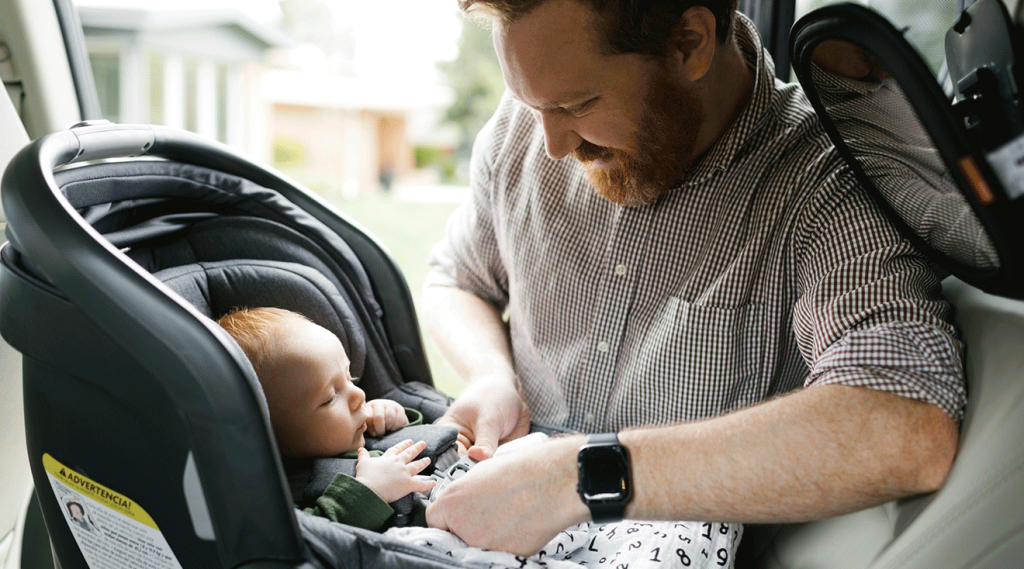
You want your baby to be safe and comfortable every time you travel by car. But how long can your baby actually ride in a car seat without risking their health or comfort?
It’s a question every parent or caregiver needs a clear answer to. Knowing the right limits helps you protect your little one from potential harm while keeping trips smooth and stress-free. Keep reading to discover the important facts about car seat time and learn how to make every ride safe and pleasant for your baby.

Credit: www.madeformums.com
Car Seat Time Limits
Car seat time limits matter for your baby’s safety and comfort. Babies cannot stay in car seats for long periods without breaks. Too much time in a car seat can cause discomfort and affect breathing. Parents should watch the clock and the baby’s behavior during rides.
Recommended Duration For Infants
Experts suggest infants ride in a car seat for no more than two hours at a stretch. This limit helps prevent strain on their developing bodies. Long trips should include regular stops to take the baby out of the seat. During breaks, hold and comfort your baby. This practice reduces stress and keeps your baby calm.
Signs Baby Needs A Break
Babies cannot tell you when they need a break. Watch for these signs:
- Fussing or crying more than usual
- Restlessness or squirming in the seat
- Changes in breathing patterns
- Becoming very quiet or limp
Notice these signals early. Stop the car safely and take the baby out. Stretching and cuddling help your baby feel better and safe.
Risks Of Prolonged Seating
Keeping a baby in a car seat for too long can cause several risks. Babies cannot adjust their position alone. Prolonged sitting can lead to discomfort and health issues. Understanding these risks helps parents keep their babies safe and comfortable during trips.
Physical Discomfort And Health Concerns
Babies may feel stiff and sore after sitting too long. Their muscles and joints need movement to stay healthy. Staying in one position can cause pressure on their skin. This may lead to redness or even sores. Babies might become fussy or cry more due to discomfort.
Impact On Breathing And Circulation
A baby’s breathing can be affected by long time in a car seat. The position can restrict their chest and abdomen. This makes it harder for them to breathe deeply. Circulation may also slow down in certain body parts. Poor blood flow can cause numbness or swelling.
Safe Car Seat Practices
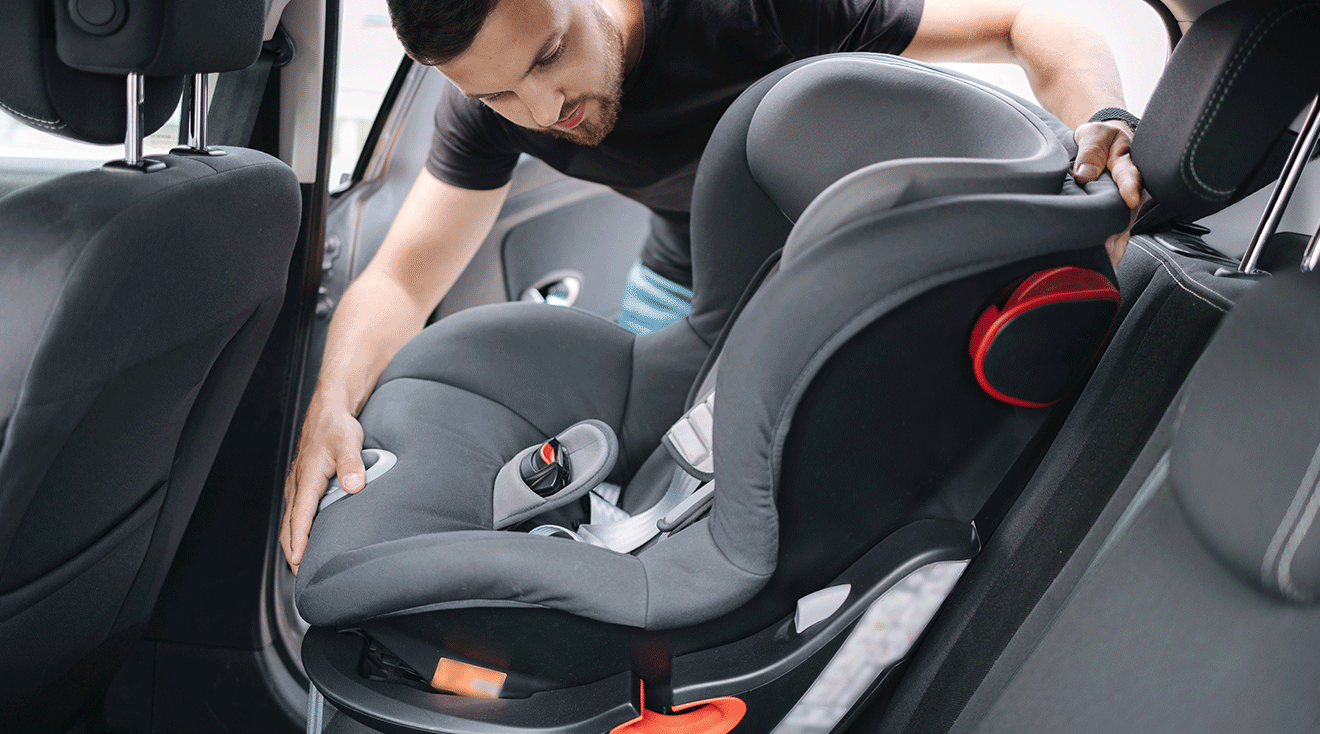
Ensuring your baby’s safety during car rides starts with following safe car seat practices. Proper use of a car seat significantly lowers the risk of injury. It protects your child in sudden stops and accidents. Knowing how to correctly install and adjust the car seat is key. This knowledge keeps your baby secure and comfortable throughout the journey.
Proper Installation Tips
- Place the car seat in the back seat, away from airbags.
- Use either the vehicle’s seat belt or LATCH system for installation.
- Tighten the straps until the seat does not move more than one inch side to side.
- Check the recline angle to keep your baby’s head from falling forward.
- Follow the car seat manufacturer’s instructions carefully for the best fit.
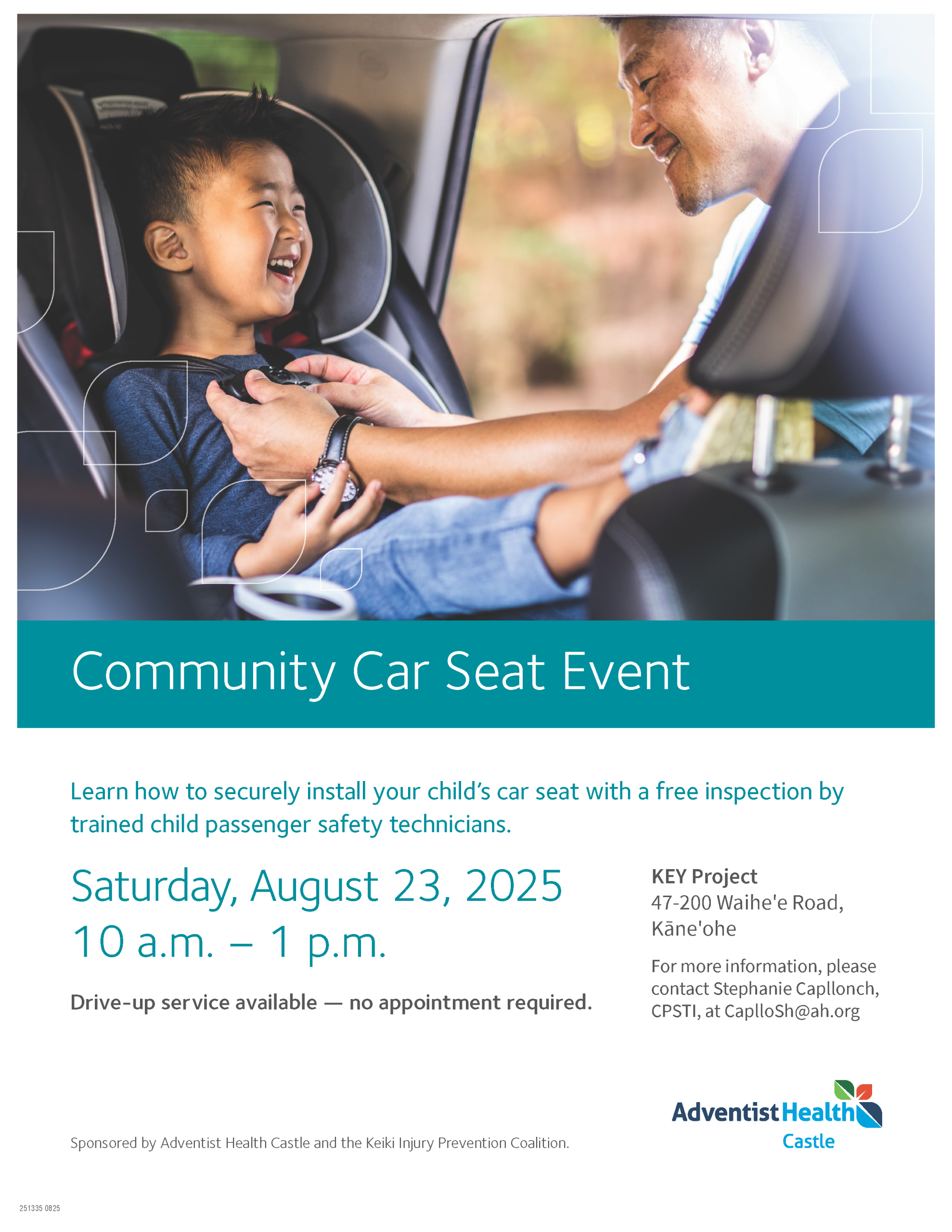
- Have a certified technician inspect your installation if possible.
Correct Harness Positioning
- Place the harness straps at or below your baby’s shoulders for rear-facing seats.
- Ensure the harness fits snugly against your child’s body with no slack.
- Position the chest clip at armpit level to keep straps in place.
- Use only the car seat’s original harness system, never add extra padding.
- Regularly adjust the harness as your baby grows for continued safety.
Alternatives During Long Trips
Keeping your baby safe and comfortable during long car trips is a challenge every parent faces. Car seats are essential, but babies shouldn’t stay in them for hours without a break. Looking beyond the car seat can make your journey smoother and more pleasant for both you and your little one.
Scheduling Regular Breaks
Stopping every 1 to 2 hours gives your baby a chance to stretch and move around. Use these breaks to take your baby out of the car seat and let them wiggle their arms and legs.
During one trip, I noticed my baby became restless after just 90 minutes in the seat. A short 15-minute walk around a rest stop helped calm them down and reset their mood. Could your schedule allow for more frequent stops to avoid fussiness?
- Plan stops near parks or open spaces where your baby can enjoy fresh air.
- Use breaks to feed or change diapers comfortably outside the car.
- Keep a small blanket or favorite toy handy to create a cozy spot during breaks.
Using Portable Baby Carriers
Portable carriers like soft wraps or structured carriers let you keep your baby close while giving them a break from the car seat. They support your baby’s posture and allow you to move freely during stops.
On a recent trip, switching to a carrier during breaks helped my baby relax against me while I stretched my legs. It also gave me peace of mind knowing my baby was secure and content.
- Choose carriers suitable for your baby’s age and weight to ensure safety.
- Try carriers with adjustable straps for a comfortable fit during longer use.
- Consider breathable materials to keep your baby cool during outdoor stops.
Have you tried a baby carrier on your trips? It might be the simple change that keeps everyone happier on the road.
Expert Recommendations
Babies should not stay in a car seat for more than two hours at a time. Frequent breaks help prevent discomfort and breathing issues. Always watch for signs that your baby needs a rest from the seat.
Navigating the world of car seats can be overwhelming, especially with the paramount concern of your baby’s safety. Ensuring that your little one is securely fastened and comfortable during car rides involves more than just buckling them in. Experts have laid out specific recommendations to guide you in this crucial aspect of parenting.
Guidelines From Pediatricians
Pediatricians advise that babies should not be in a car seat for more than two hours at a time. This is due to the risk of developing breathing problems, especially in newborns. Frequent breaks during long journeys are crucial to allow your baby to stretch and breathe more easily. Your baby’s age and development stage significantly impact how long they can safely stay in a car seat. Newborns and infants, for example, need more frequent breaks compared to older babies. Have you ever noticed how restless your baby gets after a while? It’s their way of telling you it’s time for a break.
Safety Standards And Regulations
Adhering to safety standards and regulations is vital for your baby’s protection. The American Academy of Pediatrics recommends that babies ride rear-facing until at least the age of two. This position offers better support for the baby’s head, neck, and spine in the event of a collision. It’s not just about the direction of the seat, but also ensuring that it fits your car and is installed correctly. Did you know that up to 59% of car seats are not used properly? This staggering statistic underscores the importance of double-checking your seat’s installation. Be mindful of expiration dates on car seats, as materials can degrade over time, compromising safety. Regularly inspect the seat for wear and tear. What’s your strategy for keeping tabs on safety recalls and updates? Staying informed can make a world of difference in your baby’s safety during car rides.
Credit: www.thebump.com
Credit: hidot.hawaii.gov
Frequently Asked Questions
How Long Can A Baby Safely Stay In A Car Seat?
Babies should not stay in a car seat for more than 2 hours continuously. Prolonged sitting can affect their breathing and posture. Always take breaks during long trips to remove the baby from the seat and allow movement.
When Should I Transition My Baby From Rear-facing Car Seat?
Keep your baby rear-facing until at least age 2 or until they reach the seat’s height and weight limits. Rear-facing seats provide better protection for the head, neck, and spine in crashes.
Can Babies Sleep Long Hours In A Car Seat?
Avoid letting babies sleep for extended periods in a car seat outside the car. Prolonged sleeping can cause breathing difficulties and positional asphyxia. Always transfer your baby to a flat, safe sleeping surface when possible.
What Signs Show My Baby Needs A Bigger Car Seat?
Look for signs like the baby’s head touching the top, shoulders near the harness slots, or weight limit reached. Proper fit ensures maximum safety and comfort during travel.
Conclusion
Babies should not stay in car seats for too long. Experts say breaks are important for their comfort and safety. Always follow the car seat’s weight and height limits. Check the baby often during the ride. Stop every hour to let the baby stretch and move.
A well-fitted car seat keeps your baby safe on trips. Remember, short rides are best for little ones. Keep your baby happy and secure during every drive. Safety and comfort go hand in hand on the road.