
You want to keep your baby safe every time you hit the road. But when is it actually safe to turn your little one’s car seat to face forward?
Making this decision can feel confusing and even a bit stressful. You might worry if your baby is ready or if you’re doing the right thing to protect them. You’ll find clear, easy-to-follow advice that helps you know exactly when it’s time to switch your baby’s car seat to face forward—so you can drive with confidence and peace of mind.
Keep reading to discover the simple guidelines that will keep your child safe on every trip.
Rear-facing Benefits
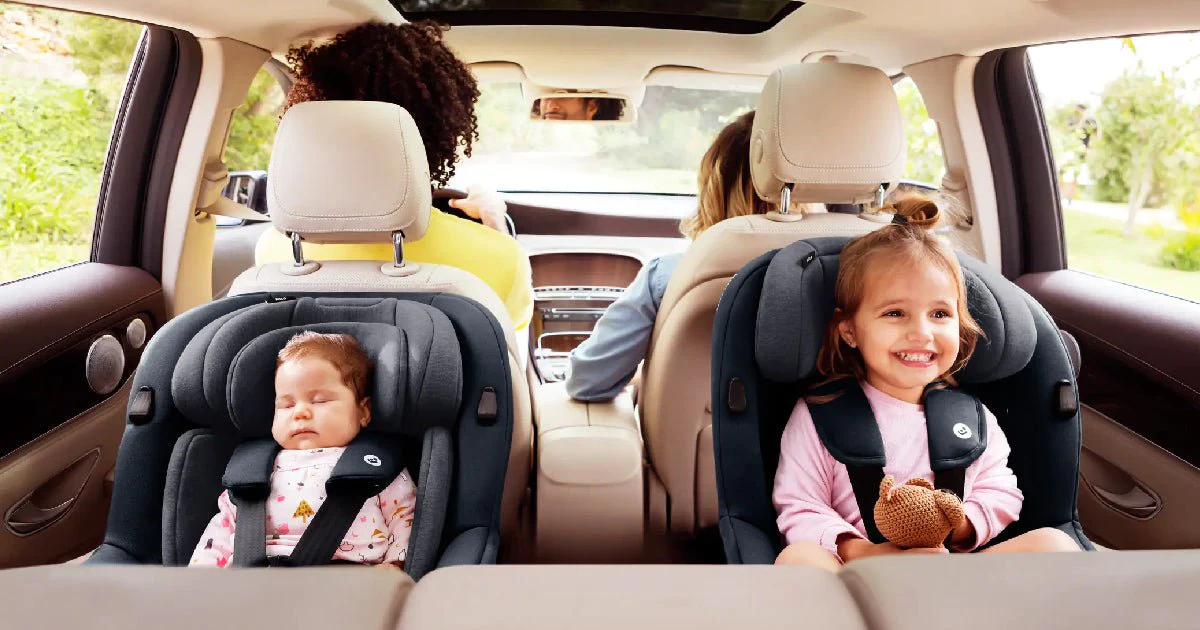
Keeping babies rear-facing in a car seat offers key benefits that protect their fragile bodies. This position supports their head, neck, and spine better than facing forward. The rear-facing setup absorbs crash forces more evenly, lowering stress on a baby’s body during sudden stops or collisions.
Experts recommend keeping children rear-facing for as long as possible within the car seat’s limits. This choice helps reduce the risk of severe injury and offers peace of mind for parents during every ride.
Safety Advantages
Rear-facing car seats cradle a baby’s body, preventing excessive movement in crashes. The seat’s structure spreads crash forces across the back, which is stronger than the neck or head. This setup keeps a baby’s airway open and protects vital organs by reducing impact on the chest and abdomen.
Children under two have weaker neck muscles. Rear-facing seats provide the needed support to avoid serious neck injuries. Many safety groups say rear-facing is the safest position for babies and toddlers.
Impact On Injury Reduction
Research shows rear-facing seats lower the chance of injury by 75% compared to forward-facing seats. This significant reduction applies mostly to head, neck, and spine injuries. The design prevents the baby’s head from snapping forward, a common cause of injury in crashes.
In crashes, a rear-facing seat acts like a shield. It absorbs much of the crash energy before it reaches the child. This cushion effect is less effective when the child faces forward.

Credit: orbitbaby.com
Age And Weight Guidelines
Knowing the right time to turn your baby’s car seat forward is key for safety. Age and weight guide this decision. Following these guidelines helps protect your child during travel. Every baby grows at their own pace, so use these rules as a general reference.
Recommended Age For Turning Forward
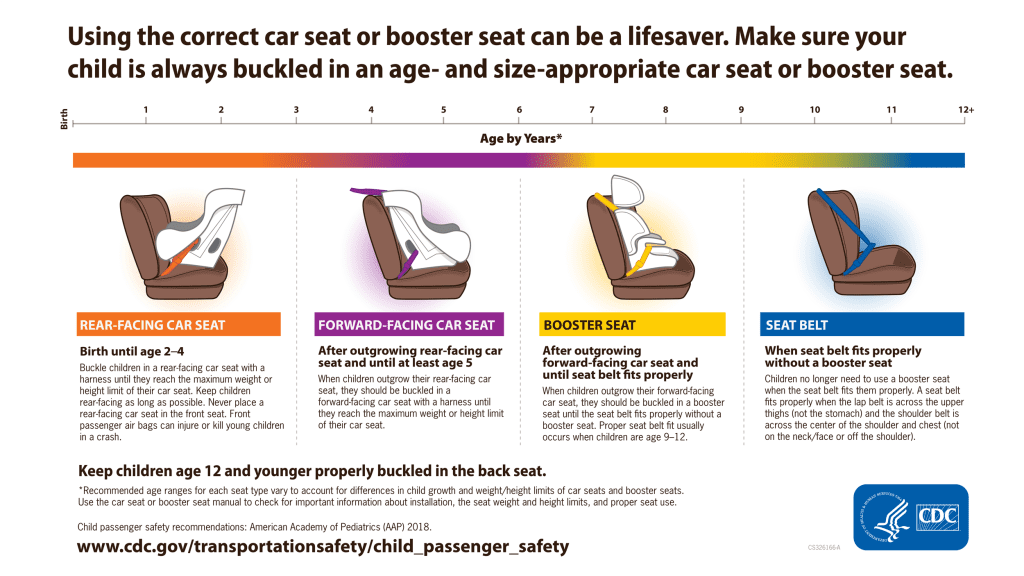
Experts suggest keeping babies rear-facing until at least 2 years old. This position supports their head, neck, and spine better in a crash. Many babies reach the forward-facing age between 2 and 4 years. Some may need to stay rear-facing longer depending on size and comfort. Always check your car seat manual for specific age advice.
Weight And Height Requirements
Weight limits for rear-facing seats often range from 20 to 40 pounds. Height limits usually depend on the car seat’s design, often near 30 to 35 inches. Babies who exceed these limits can switch to forward-facing seats. Forward-facing seats have their own weight limits, usually up to 65 pounds. A baby’s height must also fit the seat’s straps properly. Ensure the harness fits snugly and the headrest supports the head well.
Car Seat Types
Choosing the right car seat affects when babies can face forward safely. Different car seat types have varied weight and height limits. These limits guide when to switch from rear-facing to forward-facing.
Convertible Seats
Convertible seats grow with your child. They start rear-facing for infants and flip forward as kids grow. These seats fit children from about 5 pounds up to 40-65 pounds. Many parents prefer them for their long use.
All-in-one Seats
All-in-one seats serve multiple roles. They work as rear-facing, forward-facing, and booster seats. This type supports children from infancy through early school years. It offers convenience by reducing seat changes.
Infant-only Seats
Infant-only seats are made just for newborns. They hold babies rear-facing only and usually support up to 30-35 pounds. These seats are easy to carry and fit well in small cars. Once babies outgrow them, switching is necessary.
State Laws And Recommendations
Knowing when babies can face forward in a car seat depends on laws and expert advice. Each state sets its own rules to keep children safe during travel. Following these rules helps prevent injuries in accidents. Safety organizations also provide guidelines based on research and crash testing. Understanding both legal and recommended age or size limits is important for every parent and caregiver.
Legal Requirements By Region
Car seat laws vary widely across states and countries. Most require infants to ride rear-facing until at least age 1 or a certain weight. Some states have stricter laws, mandating rear-facing until age 2 or beyond. Legal limits often include:
- Minimum age for forward-facing seats
- Weight and height limits for rear-facing use
- Requirements for booster seats after forward-facing
Violating these laws can result in fines and increased risk of injury. Checking local regulations ensures compliance and safety.
Guidelines From Safety Organizations
Experts recommend keeping babies rear-facing as long as possible. The American Academy of Pediatrics (AAP) suggests rear-facing until age 2 or until the child reaches the maximum height or weight limit of the seat. Rear-facing seats support the head, neck, and spine better in crashes.
Other organizations, like the National Highway Traffic Safety Administration (NHTSA), echo these guidelines. They provide detailed advice on seat installation and transition timing. Following these recommendations enhances child safety beyond legal minimums.
Transitioning Safely
Transitioning your baby from a rear-facing to a forward-facing car seat is a big milestone, but safety should always be your top priority. Moving too soon can increase the risk of injury during a sudden stop or crash. Understanding the right signs and mastering proper installation helps you make this change confidently and securely.
Signs Baby Is Ready
Look for clear signs before turning your baby forward-facing. First, check if your little one has reached the car seat’s height and weight limits for rear-facing. These limits vary by model, so review your car seat manual carefully.
Also, notice your baby’s head control. Can they hold their head steady without support? This strength is crucial for forward-facing safety. If your baby seems wobbly or leans excessively, keep them rear-facing longer.
Another signal is your child’s curiosity and behavior in the car. Are they restless or trying to turn around frequently? Sometimes, this hints at readiness for a change, but never rush based on fussiness alone.
Proper Installation Tips
Installing a forward-facing car seat correctly can feel overwhelming, but a few key steps make it easier. Always use the vehicle’s lower anchors or seat belt, not both, unless your seat’s instructions allow it.
- Check the car seat angle to ensure it’s upright and secure.
- Tighten the harness straps so they’re snug but not uncomfortable—no slack should remain.
- Attach the top tether strap to the designated anchor point behind your seat to reduce forward movement.
After installation, test the seat by trying to move it side-to-side and front-to-back. It should not shift more than an inch. If it does, tighten the straps and check your vehicle’s anchor points again.
Have you ever felt unsure if your car seat was installed right? Many parents do. Don’t hesitate to ask a certified child passenger safety technician for help—they can offer peace of mind and hands-on guidance.

Credit: incarsafetycentre.co.uk
Common Mistakes To Avoid
Ensuring your baby’s safety in a car seat is crucial. Parents often make mistakes while transitioning car seats. These errors can impact your child’s safety. Let’s explore these common pitfalls.
Turning Forward Too Early
Some parents switch seats too soon. Babies should remain rear-facing until age two. Early transition increases injury risks. Always follow the car seat’s guidelines. This ensures maximum protection for your child.
Incorrect Harness Usage
Proper harness usage is vital. Straps should be snug yet comfortable. Loose straps compromise safety during crashes. Always check the harness height. It should be at or below the shoulders when rear-facing. Adjust as your child grows to maintain safety.
Additional Safety Measures
Ensuring your baby’s safety when facing forward in a car seat goes beyond just the seat choice and orientation. Paying attention to additional safety measures can make a significant difference in protecting your little one during every ride. These steps help reduce risks and give you peace of mind while on the road.
Proper Seat Belt Positioning
The way the seat belt fits your child is crucial for safety. The harness straps should lie flat and snug against your baby’s chest without any twists. The chest clip must be at armpit level to keep the straps in the right position.
Have you checked how tight the harness is recently? A good test is that you shouldn’t be able to pinch any excess webbing at the shoulders. If the belt sits too low or is loose, it might not protect your baby well in a crash.
Regular Car Seat Checks
Car seats can shift or loosen over time, especially with frequent use. Make it a habit to inspect your baby’s car seat before every trip. Look for signs of wear, loose parts, or incorrect installation.
Even small mistakes, like a slightly unlatched buckle or a poorly tightened seat, can affect safety. Have you ever experienced a moment when you thought the seat wasn’t secure enough? Taking a few extra seconds to check can prevent bigger problems later.
Credit: www.humboldt.ca
Frequently Asked Questions
When Is It Safe For Babies To Face Forward?
Babies can face forward after reaching at least 2 years old. They must meet the car seat’s height and weight limits. Rear-facing is safer for infants and toddlers under this age.
Why Keep Babies Rear-facing Longer?
Rear-facing protects a baby’s head, neck, and spine better in crashes. It reduces injury risk by supporting the entire body. Experts recommend rear-facing until age 2 or beyond.
What Weight Allows Forward-facing Car Seats?
Forward-facing seats usually require babies to weigh at least 20-25 pounds. Check the specific car seat manual for exact weight limits before switching.
How Does Age Affect Car Seat Direction?
Age impacts neck strength and body development. Most kids should stay rear-facing until age 2. After that, they may transition forward if size requirements are met.
Conclusion
Babies should stay rear-facing as long as possible for safety. Most experts say keep them rear-facing until at least age two. This position protects their head, neck, and spine better in crashes. Always check your car seat’s height and weight limits before turning forward.
Follow the manufacturer’s instructions carefully to keep your child safe. Remember, safety comes first, no matter what. Trust your instincts and ask a professional if unsure. Keeping your baby safe on every trip is the most important goal.