

How to See Wheels on Your Car. Have you ever stopped to really look at the wheels on your car? They do more than just help you move—they affect your safety, comfort, and even your car’s style.
But do you know how to check them properly? Knowing how to see your wheels the right way can save you money, keep you safe on the road, and boost your car’s performance. Keep reading, and you’ll learn simple steps to inspect your wheels like a pro—no special tools or experience needed.
Your car—and your peace of mind—will thank you.

Credit: www.instagram.com
Importance Of Seeing Your Car Wheels
Seeing your car wheels clearly is vital for safety and maintenance. Wheels affect how your car moves and stops. If wheels have issues, your driving can become unsafe quickly.
Regularly checking wheels helps spot problems early. It saves money by preventing costly repairs. It also keeps your car running smoothly and efficiently.
Safety On The Road
Wheels connect your car to the road. Damaged or worn wheels can cause accidents. Seeing wheels well helps you notice cracks or flat tires fast. This reduces the risk of losing control while driving.
Improved Vehicle Performance
Good wheels improve handling and fuel efficiency. Watching your wheels helps maintain tire pressure and alignment. Properly maintained wheels make driving easier and more comfortable.
Early Detection Of Problems
Visual checks help find issues like uneven tire wear or loose lug nuts. Spotting these early stops bigger mechanical failures. This keeps repair costs low and extends wheel life.
Better Maintenance Scheduling
Seeing your wheels allows you to plan tire rotations and replacements. Timely maintenance keeps wheels balanced and safe. It also improves the overall lifespan of your tires and wheels.
Common Obstacles To Wheel Visibility
Seeing your car wheels clearly can be a challenge. Various obstacles can hinder visibility. Recognizing these challenges helps maintain your car’s appearance and safety. Let’s explore some common obstacles that can obscure your wheels.
Dirt And Debris
Dirt and debris are among the top obstacles to wheel visibility. Dust from roads accumulates on wheels over time. Mud splashes during rainy days add layers of grime. This buildup makes wheels appear dull and dirty.
Regular cleaning is essential. Use a soft brush and mild soap. This removes dirt without scratching. Clean wheels improve visibility and enhance the car’s look.
Wheel Covers And Hubcaps
Wheel covers and hubcaps can obscure the view of your wheels. They are designed to protect and enhance appearance. Sometimes, they completely cover the wheel itself.
Consider removing covers for better visibility. This allows inspection of the wheel’s condition. Removing covers is simple and can be done at home.
Low Lighting Conditions
Low lighting conditions reduce wheel visibility. Dim lights make it hard to see wheel details. Shadows hide dirt and scratches.
Ensure good lighting in your garage or driveway. Use bright lights during inspections. This helps spot any issues early and keeps your wheels looking their best.
Cleaning Techniques For Clear Wheels
Keeping your car wheels clear and shiny improves the overall look of your vehicle. Proper cleaning removes dirt, brake dust, and grime that hide the wheels’ true shine. Regular care helps prevent damage and keeps wheels looking new for longer.
Choosing The Right Cleaning Products
Select cleaning products made specifically for car wheels. Avoid harsh chemicals that can damage the wheel finish. Look for pH-balanced cleaners to protect the surface. Use soft brushes or sponges to avoid scratches. Microfiber cloths work best for drying and polishing.
Step-by-step Cleaning Process
- Rinse the wheels with water to remove loose dirt.
- Apply wheel cleaner evenly, covering all surfaces.
- Let the cleaner sit for a few minutes to break down grime.
- Gently scrub with a soft brush, focusing on crevices.
- Rinse thoroughly to wash away cleaner and dirt.
- Dry wheels with a microfiber cloth to prevent water spots.
Maintaining Wheel Cleanliness
Clean wheels regularly to stop buildup and stains. Avoid driving through mud or salty roads without washing afterward. Apply a wheel sealant or wax to create a protective layer. This reduces dirt sticking and makes cleaning easier next time. Check wheels often and clean immediately if dirty.

Credit: www.facebook.com
Adjusting Your Driving Position
Adjusting your driving position is key to seeing the wheels on your car clearly. Without the right posture, your view can be blocked or distorted, making it harder to judge distances and angles. Small tweaks in how you sit and position your mirrors can make a big difference in safety and control.
Seat Height And Angle
Raising or lowering your seat affects how much of the car’s front and sides you can see. If your seat is too low, the hood might block your view of the wheels. Adjust your seat height until you can glance down and spot the wheel edges without straining your neck.
Also, tilt your seatback slightly forward to lean in when parking or navigating tight spots. Sitting too far back reduces your ability to judge wheel placement. Try different angles and see which gives you the clearest view without compromising comfort.
Mirror Adjustments
Mirrors aren’t just for checking traffic—they help you see your wheels better. Side mirrors angled too far outward leave blind spots near the wheels. Adjust them inward just enough to catch the wheel edges when you look down and to the side.
Don’t forget the rearview mirror. Sometimes, shifting it slightly can help you orient your position relative to curbs or parking lines. Experiment with small changes while parked to discover the best mirror setup for wheel visibility.
Using Peripheral Vision
Your eyes don’t have to focus directly on the wheels to track them. Training your peripheral vision helps you monitor wheel position while keeping your attention on the road. This skill comes with practice but makes a noticeable difference in tight maneuvers.
Try glancing straight ahead and using your side vision to sense how close your wheels are to obstacles. You might be surprised how much you can “see” without moving your head. What if you could improve your parking accuracy just by trusting your peripheral vision more?
Using Technology To Enhance Visibility
Technology helps drivers see their wheels clearly. It improves safety and parking ease. These tools give a better view of the car’s position. They help avoid curbs and obstacles near the wheels.
Backup Cameras
Backup cameras show the area behind the car. They display images on a screen inside the vehicle. Drivers can see the wheels and nearby objects. This helps to park without hitting curbs or other hazards. Many cars now come with backup cameras as a standard feature.
Wheel Sensors And Indicators
Wheel sensors detect the distance from the wheels to obstacles. They send signals to the driver through alerts or lights. These indicators warn when the wheels get too close to objects. This technology helps prevent tire damage and accidents. Some sensors also monitor tire pressure for safety.
Aftermarket Visibility Aids
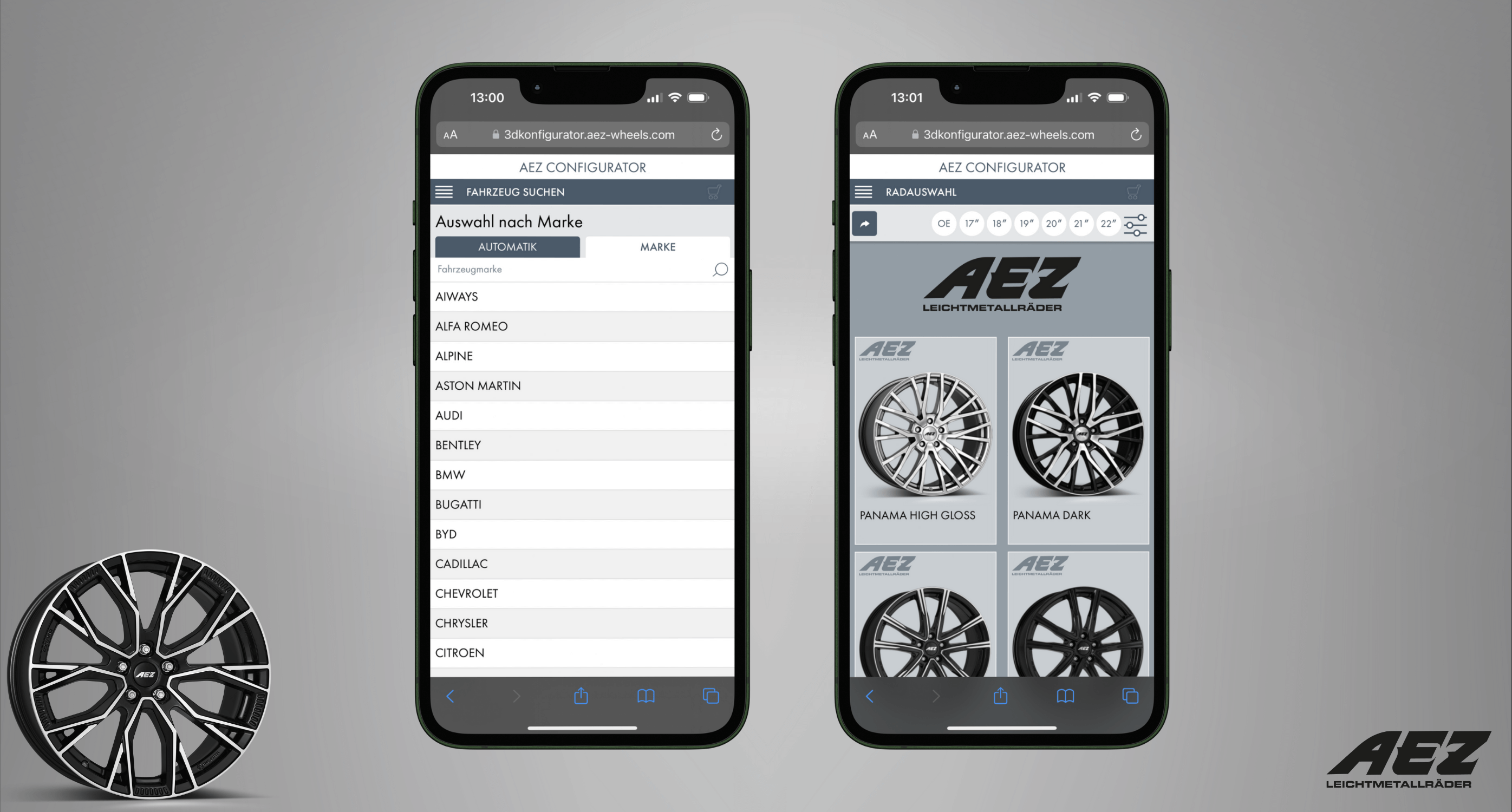
Aftermarket aids improve wheel visibility for older cars. These include additional cameras, mirrors, and sensors. Some devices attach near the wheels or on the dashboard. They provide real-time views or warnings about wheel position. These tools are easy to install and use.
Credit: www.aez-wheels.com
Safety Tips While Monitoring Wheels
Keeping an eye on your car’s wheels is more than just a routine check—it’s a key part of staying safe on the road. Wheels support your entire vehicle and any damage or wear can quickly turn into dangerous situations. Knowing what to watch for and how to check your wheels properly helps you avoid unexpected breakdowns and accidents.
Checking Tires Before Driving
Before you start your car, take a moment to inspect the tires. Look for any visible cuts, bulges, or embedded objects like nails. Tire pressure matters just as much—underinflated tires reduce fuel efficiency and overinflated ones can lead to blowouts.
Keep a reliable tire pressure gauge in your glove box. Checking pressure when tires are cold gives the most accurate reading. Have you ever felt your car pulling to one side? It might be a sign your tires need attention before you even see it.
Recognizing Signs Of Wheel Damage
Not all wheel issues are easy to spot at first glance. Listen for unusual noises like grinding or clicking when you turn the steering wheel. Vibrations or wobbling during driving can signal bent rims or loose wheel components.
Inspect your wheels for cracks or dents, especially after hitting a pothole or curb. A small crack can worsen quickly, putting your safety at risk. Don’t ignore any strange smells or smoke near the wheels—they could hint at brake or tire problems.
Regular Maintenance Checks
Schedule regular maintenance to keep wheels in top shape. Rotating your tires every 6,000 to 8,000 miles helps even out wear and extends their life. Balancing and alignment checks prevent uneven tire wear and improve handling.
Keep your wheel nuts tightened to the correct torque to avoid loosening during driving. If you’re unsure, a trusted mechanic can perform these checks for you. How often do you think about your wheels when you take your car in for service?
Frequently Asked Questions
How Can I Check My Car Wheels Visually?
Stand beside your car and look at each wheel carefully. Ensure the wheels are clean and free from damage. Check if the tires are properly inflated and aligned. Visual inspection helps identify obvious issues like cracks or uneven wear.
What Tools Help Me See Hidden Wheel Parts?
Use a flashlight and a mirror to view hidden wheel parts. These tools allow you to inspect inside the wheel well and brake areas. Proper lighting reveals dirt buildup and potential damage not visible in daylight.
How Often Should I Inspect My Car Wheels?
Inspect your car wheels at least once a month. Regular checks prevent tire wear and wheel damage. Frequent inspections ensure safety and improve vehicle performance on the road.
Can I See Wheel Condition Without Removing The Tire?
Yes, visual inspection from outside can show tread wear and damage. However, detailed checks of the wheel rim or brake system may require tire removal. Use a jack and proper tools for thorough examination.
Conclusion
Seeing the wheels on your car helps you stay safe and prepared. Checking wheels is quick and easy. It shows any damage or wear early. Regular checks keep your car running well. You can spot problems before they get worse.
Remember to look closely at each wheel. Clean wheels also help you see better. Taking time for this small step saves money later. Stay aware and keep your car in good shape. Simple actions make a big difference on the road.