

Are you wondering when it’s safe to turn your baby’s car seat to face forward? You want to keep your little one as safe as possible during every car ride.
But with so many rules and recommendations, it can be confusing to know the right time for this change. You’ll discover exactly when to make the switch, why it matters, and how to keep your baby protected. Keep reading to learn the simple steps that can make a big difference in your child’s safety.
Rear-facing Vs Forward-facing
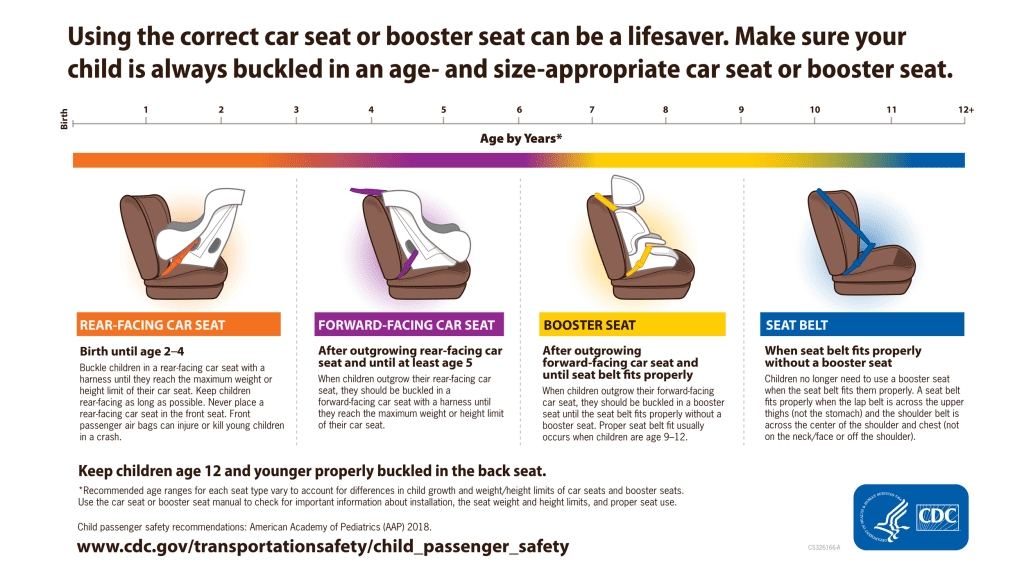
Choosing between rear-facing and forward-facing car seats is vital for baby safety. Each option serves a specific purpose during different stages of a child’s growth. Understanding the differences helps parents protect their little ones on every trip. The car seat direction depends on age, weight, and development milestones.
Benefits Of Rear-facing Seats
Rear-facing seats provide the best protection for babies and toddlers. They support the head, neck, and spine during sudden stops. In crashes, forces spread across the entire body, reducing injury risk. Experts recommend keeping children rear-facing as long as possible.
- Reduces risk of head and neck injuries
- Distributes crash forces evenly
- Supports fragile bones and muscles
- Recommended up to age 2 or more
When To Switch To Forward-facing
Switching to a forward-facing seat depends on the child’s size and age. Most safety guidelines suggest waiting until the child is at least two years old. Also, the child must meet the car seat’s height and weight limits for forward-facing use.
- Child is at least 2 years old
- Meets height and weight requirements
- Car seat instructions allow forward-facing
- Child shows readiness for new position
Age And Weight Recommendations
Understanding the right age and weight for switching a baby car seat to face forward is essential for safety. Parents should follow guidelines set by safety experts and manufacturers. These rules help protect children during car rides. Knowing the minimum age and weight can prevent serious injuries.
Minimum Age For Forward-facing
Most safety organizations recommend keeping a child rear-facing until at least 2 years old. Some suggest waiting longer if the car seat allows. Rear-facing seats support the head, neck, and spine better in crashes. Turning the seat forward too soon can increase injury risk. Always check your car seat manual for specific age guidelines.
Weight And Height Limits
Car seats have weight and height limits to ensure proper fit and protection. Typically, forward-facing seats are for children who weigh between 20 and 65 pounds. Height limits vary but usually fall between 35 and 49 inches.
Exceeding these limits means the child should move to the next safety seat stage. Parents should measure their child regularly to confirm they meet these limits. Staying within the recommended range maximizes safety and comfort during travel.
Safety Standards And Regulations
Understanding safety standards and regulations is crucial when deciding the right time to switch your baby’s car seat to face forward. These rules are designed to protect your child during every trip, no matter how short. Knowing what the law says helps you make safer choices and avoid costly mistakes.
Federal Guidelines
The National Highway Traffic Safety Administration (NHTSA) sets clear federal guidelines for car seat use. They recommend keeping your child in a rear-facing seat until at least age 2 or until they reach the maximum height and weight limit of the rear-facing seat.
Why does this matter? Rear-facing seats offer better support for a baby’s head, neck, and spine during a crash. Even if your child seems ready to face forward, federal rules prioritize their physical safety over convenience.
Remember, these guidelines are based on extensive crash data and research. Ignoring them can increase the risk of serious injury.
State Laws And Variations
State laws on when to turn car seats forward can differ quite a bit. Some states strictly follow federal recommendations, while others allow forward-facing at younger ages or lower weights.
For instance, in Texas, children must remain rear-facing until at least age 2, aligning with federal advice. Meanwhile, states like Florida allow forward-facing at younger ages with certain weight limits. This variation means you should check your state’s specific rules before making changes.
Have you ever wondered why these differences exist? They often reflect local safety campaigns, accident statistics, or legislative priorities. Staying informed ensures you comply with the law and keep your child as safe as possible.
Choosing The Right Car Seat
Choosing the right car seat for your baby is more than just a purchase—it’s about safety and comfort on every ride. You want a seat that fits your child’s size, age, and developmental needs while keeping them secure. Understanding the different types of seats available helps you make a confident decision that protects your little one.
Convertible Car Seats
Convertible car seats offer flexibility by allowing you to switch between rear-facing and forward-facing positions. Most experts recommend keeping your child rear-facing as long as possible because it provides better support for their head and neck. Once your child outgrows the rear-facing limits, usually around 2 years old or when they reach the seat’s height or weight limit, you can turn the seat forward-facing.
These seats often have higher weight limits, so you won’t need to upgrade too quickly. If you’re worried about the hassle of switching, convertible seats simplify the process by growing with your child. Think about your daily routines—would having one seat that adapts save you time and money?
Booster Seats
Booster seats come into play after your child has outgrown their forward-facing car seat with a harness. They help position your child so the vehicle’s seat belt fits correctly across their chest and hips, not their neck or stomach. This is crucial because an improperly fitting seat belt can cause serious injuries in a crash.
Most kids start using booster seats between ages 4 and 7, depending on their size and the seat’s specifications. When choosing a booster, look for one with side-impact protection and a comfortable design that your child likes—this increases the chances they’ll use it consistently. Have you checked if your car’s seat belts align well with the booster? Proper fit makes all the difference.
Installation Tips For Forward-facing Seats
Installing a forward-facing car seat correctly is vital for your child’s safety. Every detail matters, from harness fit to how the seat is secured. Proper installation reduces risks during travel and keeps your baby comfortable. Follow these simple but important tips to ensure a safe ride.
Proper Harness Adjustment
The harness should fit snugly around your child. It must lie flat without twists. The straps go through the slots at or above your child’s shoulders. Tighten the harness until you cannot pinch any slack. The chest clip stays at armpit level. Check the fit every time before driving.
Securing The Car Seat
Attach the car seat firmly using the vehicle’s seat belt or LATCH system. The seat should not move more than one inch side to side or front to back. Lock the seat belt or tighten the LATCH straps to secure the seat. Follow the car seat and vehicle manuals for specific instructions. A securely installed seat protects your child in sudden stops.
Credit: greensafaris.com
Common Mistakes To Avoid
Ensuring your child’s safety while traveling is crucial. One of the significant decisions you’ll make is when to switch your baby’s car seat to face forward. However, many parents unknowingly make mistakes during this transition. Understanding these pitfalls can help keep your little one safe and secure.
Switching Too Early
Many parents are eager to turn their child’s car seat forward-facing once they hit a certain age or weight. However, guidelines recommend keeping your child rear-facing until at least the age of two, or until they reach the maximum height and weight limit of the car seat. Why rush into it when safety is at stake?
Rear-facing seats are designed to protect the child’s head, neck, and spine during sudden stops or impacts. Turning the seat too early compromises these safety features. Always check the manufacturer’s guidelines and consult with your pediatrician if unsure.
Incorrect Installation
Installing a car seat might seem straightforward, but even a small error can reduce its effectiveness. Did you know that a significant percentage of car seats are installed incorrectly? This statistic might surprise you, but it’s a reality many parents face.
Take the time to read the car seat manual thoroughly. Double-check that the seat is tightly secured and at the correct angle. Many local fire stations or children’s hospitals offer free car seat inspections. Have you ever considered taking advantage of this service to ensure peace of mind?
Remember, it’s not just about doing it fast; it’s about doing it right. Your child’s safety is worth every extra minute spent on careful installation.
Signs Your Child Is Ready
Knowing when to switch your baby’s car seat to face forward is a big decision. It’s not just about age but about your child’s readiness. Watching for the right signs can help you keep your little one safe and comfortable on every ride.
Physical Growth Indicators
One clear sign your child might be ready to face forward is their height and weight. Most car seat manufacturers set specific limits for rear-facing seats, often around 40 pounds or a height that reaches the top of the seat’s shell.
Check if your child’s shoulders have grown above the car seat’s top harness slots. If they have, it’s a sign the seat might no longer fit correctly rear-facing. Also, look for their head position—if it’s touching or close to the top of the seat, it’s time to think about turning forward.
Behavioral Readiness
Does your child seem restless or uncomfortable in the rear-facing seat? Some kids outgrow the rear view not just physically but emotionally too. If your child is constantly trying to turn around or seems distressed, it might be time to reconsider the seat direction.
However, keep in mind that comfort doesn’t always mean readiness. Ask yourself if your child can sit upright unassisted and maintain a stable head position during the ride. These behaviors show they can handle the forward-facing position safely.

Credit: uppababy.com
Frequently Asked Questions
When Can Babies Switch To Forward-facing Car Seats?
Babies can switch to forward-facing car seats once they reach the minimum age and weight set by safety guidelines, usually after 2 years old. Always follow your car seat manufacturer’s instructions and local laws for the safest transition.
Why Keep Babies Rear-facing For As Long As Possible?
Rear-facing seats protect babies’ heads, necks, and spines better during crashes. Experts recommend keeping children rear-facing until at least age 2 or when they exceed the car seat’s height and weight limits.
What Are The Risks Of Early Forward-facing Car Seats?
Switching too early increases injury risks in collisions. Forward-facing seats offer less support for a baby’s fragile neck and spine, which can lead to serious harm in an accident.
How Do I Know If My Baby Is Ready Forward-facing?
Check your car seat’s height and weight limits. Your baby should meet or exceed the rear-facing requirements and be able to sit upright comfortably before switching.
Conclusion
Babies should ride rear-facing as long as possible. Most safety experts say until at least age two. Car seats have weight and height limits to check. Turning forward too soon can increase injury risk. Always follow your car seat’s instructions carefully.
Keep your child safe by choosing the right direction. Every family’s timing might be a little different. Stay informed and review your car seat rules often. Safety first—your child depends on you.