
Are you wondering when it’s safe for your baby to start using a front-facing car seat? You want to keep your little one safe, but the rules and recommendations can feel confusing.
Knowing the right time to switch can protect your child and give you peace of mind every time you hit the road. Keep reading, and you’ll discover exactly when and why making the switch matters for your baby’s safety.
Age And Weight Guidelines
Understanding the age and weight guidelines for switching your baby to a front-facing car seat is crucial for their safety. Every child grows at their own pace, so keeping track of these milestones helps you make the best decision. Ignoring these guidelines can increase risks during car rides, something no parent wants to face.
Recommended Age For Front Facing
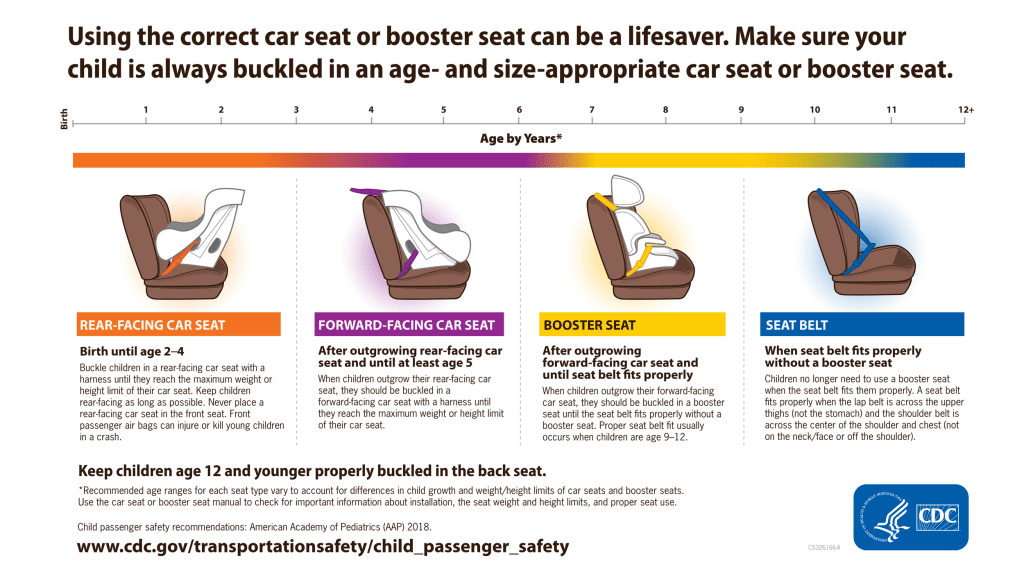
Most safety experts suggest waiting until your child is at least 2 years old before turning the car seat forward-facing. This recommendation is because toddlers’ necks and spines need enough strength to handle the forces in a crash. Have you noticed how your little one still sometimes leans forward or struggles to stay upright? That’s a sign they might not be ready yet.
Some children might be ready a bit earlier or later depending on their development, but waiting until age 2 or older aligns with what many child safety organizations recommend. It’s always good to check your car seat manual and local laws, too, as they can vary. Your child’s comfort and safety should guide your timing more than just hitting a certain birthday.
Weight Limits To Consider
Weight is just as important as age when deciding to switch to a front-facing seat. Most convertible car seats have a rear-facing weight limit between 30 and 40 pounds. Once your child exceeds this, it’s time to consider front-facing.
Here’s a simple way to keep track:
- Check the car seat label for maximum rear-facing weight.
- Weigh your child regularly to know when they approach this limit.
- Remember that some kids hit the weight limit before age 2, so age alone isn’t enough.
Knowing these numbers helps you avoid the temptation to switch too early just for convenience. Have you ever felt rushed because your child outgrew clothes or toys? The same patience is needed here for their safety.

Credit: orbitbaby.com
Benefits Of Rear Facing Seats
Rear facing car seats offer many benefits for babies. They provide better safety and support during travel. This position helps protect a baby’s head, neck, and spine. Experts recommend keeping babies rear facing as long as possible. The design of these seats is tailored for infants’ needs. It reduces injury risks in accidents.
Enhanced Protection For Infants
Babies have weak neck muscles and soft bones. Rear facing seats support the entire body. They spread crash forces over the back and shoulders. This reduces pressure on sensitive areas. The seat’s shell absorbs energy during impact. It cushions the baby and prevents severe injuries. Rear facing seats also keep the baby in a safer position. This lowers the chance of head or spinal damage.
Crash Impact Reduction
In a crash, the baby moves forward quickly. Rear facing seats reduce this forward motion. They hold the baby firmly against the seat. This slows down the movement and lessens impact force. The seat acts like a shield during sudden stops. It prevents the baby from hitting hard surfaces. Studies show rear facing seats reduce injury risk by 75%. This makes them the safest choice for young children.
Signs Your Baby Is Ready
Knowing when your baby is ready to switch to a front-facing car seat is crucial for their safety and comfort. Watching for specific signs can help you make this decision confidently. These signs reflect your baby’s physical readiness, ensuring they can handle the new position without risk.
Neck And Head Control
Your baby must have strong neck and head control before moving to a front-facing seat. This means they can hold their head steady without support, even during sudden stops or turns. You might notice your baby staying upright and alert when sitting in a stroller or high chair.
Try gently letting go of your baby’s head while they sit upright. If they can keep it steady for several seconds, that’s a good sign. If their head lolls forward or sideways, your baby may need more time before facing forward.
Sitting Stability
Sitting stability is another key indicator. Can your baby sit well without slumping or leaning? Sitting steadily shows they have the core strength needed for a front-facing car seat.
Observe your baby during playtime or tummy time. If they can sit unsupported for a few minutes, it suggests their muscles are developing properly. This control helps keep them safe and comfortable during car rides.
Choosing The Right Car Seat
Choosing the right car seat is essential for your baby’s safety. Parents often wonder when their baby can switch to a front-facing seat. Understanding the factors involved can ensure peace of mind. The right car seat offers protection and comfort. It’s crucial to consider safety ratings and adjustable features. Let’s dive into these aspects.
Safety Ratings To Look For
Safety ratings provide insight into a seat’s effectiveness. Check for crash test results and certifications. Look for labels like the Federal Motor Vehicle Safety Standards (FMVSS). Seats with higher ratings offer better protection. Research reputable sources for updated safety information. This ensures you make an informed choice.
Adjustable Features
Car seats with adjustable features grow with your child. Look for seats with adaptable harness systems. Adjustable headrests can provide extra comfort and safety. Some models offer reclining options for better support. Ensure the seat is easy to install and adjust. This flexibility ensures a snug fit as your child grows.
Installation Tips
Installing a front-facing car seat correctly is crucial for your baby’s safety and comfort. Even a small mistake can affect how well the seat protects your child during a ride. Paying attention to key installation details will give you peace of mind every time you buckle up.
Proper Seat Positioning
Position the car seat in the back seat, preferably in the middle if your vehicle allows. This spot offers the most protection from side impacts. Ensure the seat is upright and snug against the vehicle seat without any wobbling.
Check your car’s manual and the car seat instructions to confirm the right angle. Too reclined or too upright can reduce safety and comfort. You might feel frustrated at first, but adjusting the seat carefully makes a big difference.
Securing Harness Straps
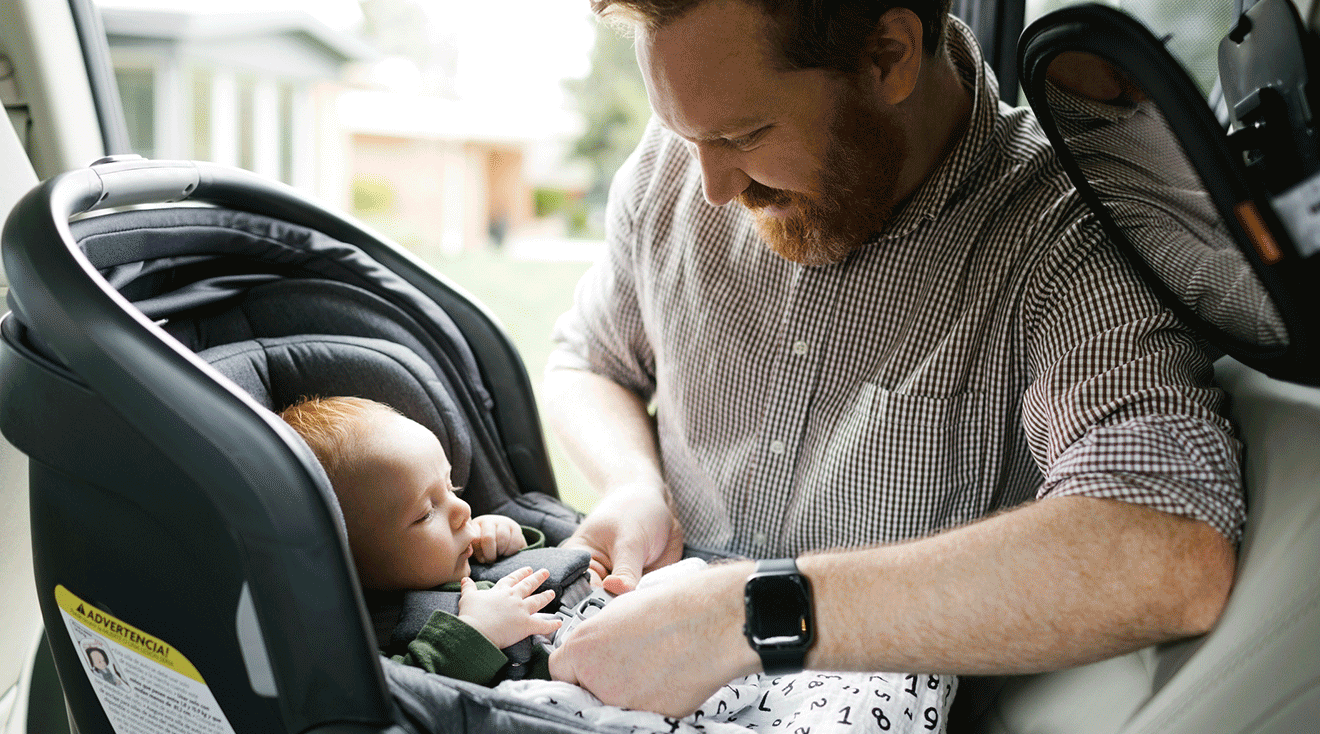
Make sure the harness straps are at or just above your child’s shoulders for a front-facing seat. Straps should lie flat without any twists. A twisted harness can cause injury during sudden stops.
After placing your child in the seat, buckle the harness and chest clip securely. The chest clip should rest at armpit level to keep the straps in place. Can you pinch any slack in the straps? If yes, tighten them until the harness fits snugly.
Credit: www.thebump.com
Common Mistakes To Avoid
Knowing when to switch your baby to a front-facing car seat is important, but equally important is avoiding common mistakes that can put your child at risk. Many parents move their child too soon or don’t secure the harness correctly, which can compromise safety. Understanding these pitfalls helps you protect your little one better on every journey.
Premature Transition Risks
Switching to a front-facing seat too early can expose your child to serious injury during a crash. Babies need to remain rear-facing until they reach the car seat’s height and weight limits, usually around age 2 or older.
Have you ever felt pressure from family or friends to move your baby forward-facing early? It’s tempting, but staying patient with your child’s growth keeps them safer. Rear-facing seats support the head, neck, and spine better in a collision.
- Check your car seat manual for exact limits before switching.
- Remember, every child develops differently—don’t rush based on age alone.
Incorrect Harness Use
The harness is your child’s main protection in the car seat, yet many parents struggle with securing it properly. A harness that’s too loose or incorrectly positioned can cause serious harm in an accident.
Here’s what to watch for:
- Straps should lie flatwithout twists and fit snugly against your child’s chest and shoulders.
- The chest clip must be at armpit level, not too low or high.
- Use the correct harness slots based on your child’s height.
Think about the last time you buckled your baby in—did you double-check the tightness and clip placement? Taking an extra moment ensures the harness works as designed and keeps your child safe every time.
Legal Requirements And Recommendations
Choosing the right time for a front-facing car seat is crucial. Safety is the top priority for parents. Understanding legal requirements and recommendations helps make informed decisions. These guidelines ensure children’s safety during travels.
State Laws Overview
Each state has different car seat laws. Most states require rear-facing seats until age two. Some states extend this requirement for longer. It’s essential to check local laws before switching car seats. Ignoring these laws can lead to fines and increased risk of injury.
Manufacturer Guidelines
Manufacturers provide specific guidelines for their car seats. These recommendations often include height and weight limits. Following these guidelines ensures optimal safety for your child. Always read the manual provided with the car seat.
Additional Safety Measures
Switching your baby to a front-facing car seat is an important milestone, but it also means you need to take extra steps to keep them safe. Additional safety measures go beyond just installing the seat correctly. They help you maintain protection as your child grows and changes.
Regular Seat Inspections
Checking the car seat regularly is essential. Look for any cracks, loose parts, or worn-out straps that could affect safety. Even small damage can reduce the seat’s ability to protect your child during a crash.
Make sure the seat is tightly secured every time you place your child in it. Sometimes, a seat can shift slightly after a few rides, so don’t assume it’s still locked in place. Have you noticed your seat loosen after a long trip?
Using Supplemental Gear
Supplemental gear can add an extra layer of safety. Items like anti-rebound bars, seat protectors, and tether straps improve stability and comfort. These tools help reduce movement and keep your child properly positioned.
However, only use gear approved by the car seat manufacturer. Adding unapproved accessories might interfere with the seat’s design and safety features. What extra gear have you found helpful without compromising safety?
Frequently Asked Questions
When Can Babies Start Using Front-facing Car Seats?
Babies can start front-facing car seats after they outgrow rear-facing limits. This is usually around age 2 or when they exceed height or weight limits set by the car seat manufacturer.
What Are The Height And Weight Limits For Front-facing Seats?
Front-facing car seats typically require children to weigh at least 20-22 pounds and be under 40 inches tall. Always check your specific car seat’s manual for exact limits.
Why Is Rear-facing Recommended Before Front-facing Seats?
Rear-facing seats better support a baby’s head, neck, and spine in crashes. Experts recommend keeping children rear-facing as long as possible for maximum safety.
How To Know When To Switch To A Front-facing Car Seat?
Switch when your child exceeds the rear-facing seat’s height or weight limits. Also, ensure your child can sit upright comfortably and follow safety guidelines.
Conclusion
Babies should stay rear-facing as long as possible for safety. Most experts recommend switching after the child reaches the car seat’s weight or height limit. Always check your car seat manual and local laws before changing positions. Front-facing too early can increase injury risk.
Keep your child secure and comfortable on every ride. Safety matters more than convenience or speed. Remember, every baby grows at their own pace. Trust the guidelines and protect your little one well.