
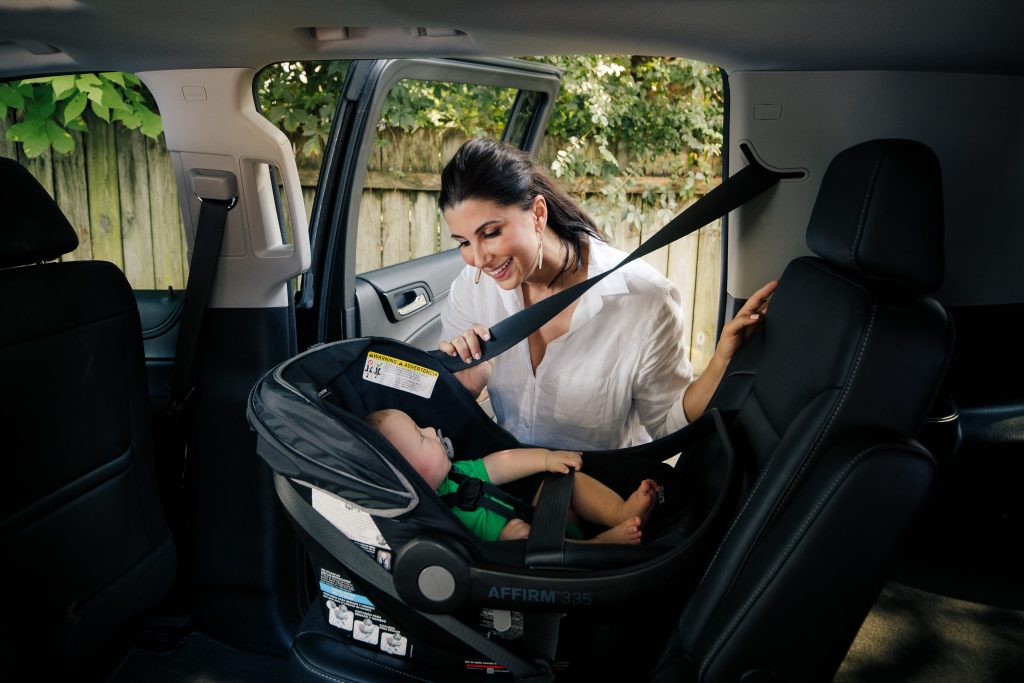
When it comes to your baby’s safety in the car, one question is always on your mind: How long should your baby face backwards in their car seat? You want to do what’s best, but the rules and recommendations can feel confusing.
Getting this right is crucial because it can protect your little one from serious injuries. You’ll discover exactly how long to keep your baby rear-facing, why it matters, and tips to make the transition easier. Keep reading to make sure your baby rides as safely as possible every time you hit the road.

Credit: bridgemi.com
Importance Of Rear-facing Car Seats
Using a rear-facing car seat is crucial for infant safety. It offers the best protection for a baby’s fragile body during travel. The design supports a baby’s head, neck, and spine better than forward-facing seats. This support helps reduce injuries in sudden stops or crashes.
Parents often ask how long babies should remain rear-facing. Experts suggest keeping children rear-facing as long as possible, usually until age two or beyond. This approach aligns with safety guidelines and research findings.
Safety Benefits For Infants
Rear-facing seats cradle infants, spreading crash forces over the entire back. This reduces stress on the neck and spine, which are very delicate in babies. The seat acts like a shield that absorbs impact and keeps the head from snapping forward.
Infants have large heads compared to their bodies. Rear-facing seats support the head and prevent dangerous whiplash injuries. This positioning helps protect the brain and spinal cord from harm.
Crash Impact Reduction
In a crash, a rear-facing seat slows the forward motion of a baby’s body. The seat absorbs energy and minimizes sudden movements. This reduces the risk of serious injuries to the head, neck, and spine.
Studies show that rear-facing seats lower the chance of death or serious harm by up to 75%. This benefit is most important in the first two years of life when babies are most vulnerable.
Expert Recommendations
- The American Academy of Pediatrics advises keeping children rear-facing until at least age two.
- Car seat manufacturers often recommend rear-facing use until the child reaches the maximum height or weight limit.
- Experts stress the importance of following the car seat’s instructions carefully.
- Regular checks ensure the seat is installed correctly and the child fits properly.
Recommended Duration For Rear-facing
Choosing the right time to switch your baby from a rear-facing car seat is crucial. Experts recommend keeping babies rear-facing as long as possible. This position offers the best protection for their head, neck, and spine during a crash. Knowing the recommended duration helps parents make safe decisions for their child’s travel.
Age Guidelines
Babies should face backward at least until they are 2 years old. Many safety organizations suggest extending this until age 3 or beyond. This age range ensures better safety during sudden stops or collisions. Waiting longer provides extra protection as your child grows.
Weight And Height Limits
Rear-facing car seats have specific weight and height limits. These limits vary by model but usually allow children up to 40 pounds or more to remain rear-facing. Height limits depend on the seat’s design, often based on the top of the child’s head relative to the seat. Always check your car seat manual for exact numbers. Staying within these limits keeps your child safe and comfortable.
State Laws And Regulations
State laws about rear-facing car seats differ across the country. Most states require children to face backward until at least 1 year old and 20 pounds. Some states have stricter rules, requiring rear-facing for up to 2 years or longer. It is important to know your state’s laws to follow legal and safety guidelines. Complying helps protect your child and avoid fines.
Choosing The Right Car Seat
Choosing the right car seat is important for your baby’s safety and comfort. A good car seat keeps your baby secure during every trip. It also fits well in your car and grows with your child. Understanding the types and features helps you make the best choice.
Infant Vs Convertible Seats
Infant seats are small and designed for newborns. They face backwards and are easy to carry. Convertible seats fit babies and toddlers. They can face backwards and then forward as your child grows. Convertible seats last longer but are heavier and less portable.
Features To Look For
- Strong safety ratings from trusted sources
- Adjustable harness for a snug fit
- Side-impact protection for extra safety
- Easy-to-clean covers and padding
- Clear labels and instructions for use
- Lightweight design for easy handling
Installation Tips
Read the car seat manual and your car’s guide carefully. Use the seat belt or LATCH system to secure the seat tightly. The car seat should not move more than one inch side to side. Place the seat at the correct recline angle to support your baby’s head. Check the harness fit before every ride. Visit a local car seat check station if unsure about installation.

Credit: www.carseatsplus.co.uk
Transitioning To Forward-facing
Transitioning your baby from a rear-facing to a forward-facing car seat is a major milestone. It’s not just about convenience; it’s about your child’s safety and comfort. Understanding when and how to make this switch can give you peace of mind on every journey.
Signs Your Baby Is Ready
Look for clear signs before changing your baby’s car seat position. Your child should have good head and neck control, allowing them to sit upright without slumping.
Check the car seat manufacturer’s weight and height limits. Most rear-facing seats support children up to 40 pounds or more. If your baby is approaching these limits, it might be time to consider forward-facing.
Notice if your child seems uncomfortable or cramped in the rear-facing seat. If your baby fusses consistently or seems restricted, this could indicate they’re ready for the next stage.
Risks Of Early Transition
Switching to a forward-facing seat too soon can increase the risk of injury during a crash. The rear-facing position offers better protection for your baby’s vulnerable head, neck, and spine.
Studies show toddlers face a higher chance of severe injury in forward-facing seats before they reach proper size and strength. This risk outweighs any convenience gained by an early transition.
Think about your child’s safety first. Is it worth risking their wellbeing just to fit a bulky stroller in the car or to avoid extra hassle?
Safe Transition Practices
Always follow the car seat manufacturer’s guidelines. Install the forward-facing seat tightly using the seatbelt or LATCH system to minimize movement.
Use a harness with a top tether strap. This additional anchor reduces forward movement during sudden stops or crashes.
Make sure the harness fits snugly, lying flat against your child’s chest without slack. Check the harness height; it should be at or above your child’s shoulders when forward-facing.
Test the seat installation by giving it a firm shake at the base. If it moves more than an inch side to side or front to back, tighten the straps.
Common Mistakes To Avoid
Many parents switch their baby to forward-facing too soon. Keeping babies rear-facing longer protects their head and neck in crashes. Always check your car seat’s height and weight limits before changing positions.
When it comes to car seat safety, parents often make common mistakes. These errors can impact the safety of a rear-facing car seat. Understanding and avoiding these mistakes ensures a safer ride for your baby.
Improper Installation
A common mistake is not installing the car seat properly. Many parents don’t read the manual, leading to incorrect setups. Always ensure the seat is tightly secured. Use the seatbelt or the LATCH system. The car seat should not move more than an inch. Check the angle of the car seat. It should recline properly to support the baby’s head and neck. Too upright, and the baby’s head may flop forward. Too reclined, and the seat may not protect properly in a crash.
Incorrect Harness Use
Securing the harness incorrectly can be dangerous. The harness should be snug on the child. You should not pinch any slack in the straps. The chest clip should be at armpit level. Many parents place it too low or too high. If the straps are twisted, they won’t protect the child well. Always straighten and untwist the harness before buckling.
Ignoring Growth Changes
Babies grow quickly, and so do their car seat needs. Many parents forget to adjust the harness height as the baby grows. The harness should be at or below the shoulders for rear-facing seats. Also, check the car seat’s weight and height limits. If the baby surpasses these, it’s time to upgrade the seat. Regularly review your child’s fit in the car seat. This ensures they are always secured safely.

Credit: www.thule.com
Additional Safety Tips
Keeping your baby safe in a car seat goes beyond just using it correctly. Regular care and smart habits improve protection. These extra safety tips help you maintain the best environment for your child during every trip. They cover how to care for the seat, travel wisely, and prepare for emergencies.
Car Seat Maintenance
- Check the car seat for cracks or wear every month.
- Clean the seat cover with mild soap and water only.
- Ensure the harness straps are not twisted or frayed.
- Follow the manufacturer’s instructions for installation and adjustments.
- Replace the seat after a car accident, even if no damage is visible.
Traveling Tips
- Always secure the baby snugly with the harness straps.
- Use the car seat in the back seat, away from airbags.
- Plan breaks during long trips to give your baby a rest.
- Keep the baby dressed comfortably, avoiding bulky clothes under straps.
- Limit toys and loose items that could become hazards in a crash.
Emergency Preparedness
- Keep a first aid kit and emergency phone numbers in your car.
- Know how to quickly remove the car seat in case of emergency.
- Practice emergency drills with your child to stay calm and ready.
- Keep a list of your child’s medical information accessible.
- Ensure your car’s safety features, like airbags and brakes, are functioning well.
Frequently Asked Questions
How Long Should Babies Face Backwards In Car Seats?
Babies should face backwards until at least 2 years old. Rear-facing seats protect their head and neck during crashes. Many safety experts recommend keeping them rear-facing as long as possible within the seat’s weight and height limits.
Why Is Rear-facing Safer For Infants?
Rear-facing seats better support a baby’s head, neck, and spine. In a crash, the seat absorbs impact forces evenly. This reduces injury risk compared to forward-facing seats, which expose the head and neck to more stress.
When Can A Baby Switch To Forward-facing Seats?
Switch only after your child exceeds the rear-facing seat’s height or weight limits. This is often around age 2 or older. Always follow your car seat manufacturer’s guidelines to ensure safety.
Can Extended Rear-facing Cause Discomfort For Babies?
Properly installed rear-facing seats offer good support and comfort. Babies often sleep better rear-facing due to natural recline. Ensure the seat angle is correct to prevent slumping and maintain airway safety.
Conclusion
Babies should stay in rear-facing car seats as long as possible. Experts say until at least age two or until they reach the seat’s height and weight limits. This position keeps their head, neck, and spine safer in crashes. Always check your car seat’s manual for specific rules.
Remember, safety comes first. Rear-facing seats protect your child better than forward-facing ones. Keep your little one rear-facing to help reduce injury risks. It’s a simple step that makes a big difference. Safety matters most on every trip.