

Are you wondering when it’s safe to turn your baby’s car seat around? You’re not alone.
Many parents ask this question because they want to keep their little one as safe as possible while making car rides more comfortable. Turning your baby’s car seat too early can put them at risk, but waiting too long might feel inconvenient.
You’ll discover the right time to switch your baby to a forward-facing seat and why it matters for their safety. Keep reading—your baby’s well-being depends on it.
Rear-facing Vs Forward-facing Seats
Deciding when to turn your baby’s car seat around is a common question for many parents. Understanding the differences between rear-facing and forward-facing seats can help you make a safer choice for your child’s travel. Let’s look closely at what makes each option unique and why rear-facing seats are often recommended for longer periods.
Safety Benefits Of Rear-facing
Rear-facing seats support your baby’s head, neck, and spine better during a crash. In a sudden stop or collision, the car seat absorbs most of the impact, reducing the force on your child’s body.
Babies have proportionally larger heads and weaker neck muscles, making rear-facing the safest position. Keeping them rear-facing longer lowers the risk of serious injuries, especially in frontal crashes, which are the most common.
Have you noticed how your little one’s head sometimes flops forward? Rear-facing seats help prevent that, offering better stability and protection. This is why many safety experts recommend keeping your child rear-facing as long as possible within the seat’s limits.
Common Age And Weight Guidelines
Most car seat manufacturers and safety organizations suggest keeping your child rear-facing until at least 2 years old. Some seats allow children to stay rear-facing up to 40 pounds or more, which can mean staying rear-facing until 3 or 4 years old.
| Seat Type | Typical Age Range | Weight Limits |
|---|---|---|
| Rear-Facing | Birth to 2-4 years | Up to 40-50 lbs |
| Forward-Facing | 2 years and older | Typically starts at 20+ lbs, up to 65 lbs |
Check your car seat’s manual for exact weight and height limits before turning it forward. It’s easy to feel pressure from family or friends to switch earlier, but sticking to these guidelines can make a big difference in safety.
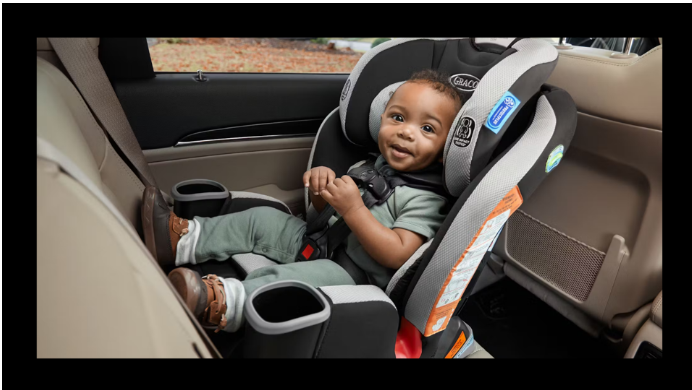
Credit: www.feanor.cl
Signs Your Baby Is Ready To Turn
Knowing when to turn your baby’s car seat around is important for safety. Babies grow and change quickly. Their bodies and skills tell you when it is time to switch from rear-facing to forward-facing. Watching for clear signs helps keep your child safe during car rides.
Physical Development Milestones
Strong neck control is a key sign your baby is ready. Your baby should hold their head steady without support. Look for the ability to sit up well without help. These skills show good muscle strength and control. Babies usually reach these milestones between 6 and 12 months. Always observe your baby’s comfort and stability in the seat.
Weight And Height Considerations
Check your car seat manual for exact weight and height limits. Most rear-facing seats support babies up to 40 pounds. Height limits vary but often range around 30 to 35 inches. Your baby’s legs may touch the seat back, but this is okay. The important part is the weight and height fit within the seat’s safe range. Follow these guidelines to keep your baby secure and comfortable.
Expert Recommendations
Turning a baby car seat around is an important decision for safety. Experts give clear advice on when to switch from rear-facing to forward-facing. Following trusted guidelines helps protect your child on every trip.
American Academy Of Pediatrics Guidelines
The American Academy of Pediatrics (AAP) strongly advises keeping children rear-facing as long as possible. They recommend using rear-facing seats until at least 2 years old. This position supports the head, neck, and spine better in a crash. The AAP states that rear-facing is safest until the child reaches the seat’s height or weight limit. After that, parents can switch to forward-facing seats with a harness.
Manufacturer Instructions
Every car seat comes with specific instructions from the manufacturer. These include exact weight and height limits for rear-facing and forward-facing use. Always read these instructions carefully before turning your seat around. If your child exceeds the rear-facing limits, it is time to switch. Following these instructions ensures the seat fits correctly and works as designed. Ignoring them can reduce the seat’s safety and increase injury risk.

Credit: visapoint.travel
Risks Of Turning Too Early
Turning a baby car seat too early poses serious risks. Babies need extra protection during their first year. Their bodies are fragile and still developing. Facing forward too soon can expose them to harm in crashes. Understanding these risks helps parents make safer choices.
Injury Statistics
Studies show that babies in rear-facing seats have fewer injuries. Crash tests confirm rear-facing seats absorb more impact. Babies turned forward early face higher chances of head injuries. Injury rates drop significantly when children stay rear-facing longer.
- Rear-facing reduces severe injuries by up to 75%
- Forward-facing babies are more vulnerable in crashes
- Most injuries happen in head and chest areas
Impact On Baby’s Neck And Spine
A baby’s neck muscles are weak and not fully formed. Rear-facing seats support the head, neck, and spine better. Facing forward puts too much strain on these areas. Sudden stops or impacts can cause serious neck injuries. Keeping the car seat rear-facing protects the spine from harmful forces.
Transitioning Safely
Babies should stay rear-facing in their car seats until they reach the height or weight limit set by the manufacturer. Turning the seat too early can increase injury risk during a crash. Always check the car seat manual before making the switch.
Transitioning Safely Turning your baby’s car seat from rear-facing to forward-facing is a significant milestone. However, ensuring this transition is done safely is critical for your child’s protection. As a parent, you may wonder about the best practices for this switch, and it’s essential to have the right information to guide your decision.Choosing The Right Forward-facing Seat
Selecting the appropriate forward-facing car seat can be overwhelming with so many options. Look for seats that meet the latest safety standards and fit well with your vehicle. Consider a model that offers adjustable harnesses and has high weight and height limits to accommodate your growing child. Many parents find convertible seats beneficial as they grow with your child. This could save you money and ensure consistent safety. Always check the seat’s expiration date to ensure it remains effective.Proper Installation Tips
Installing a forward-facing seat correctly is crucial for safety. Always read both the car seat manual and your vehicle’s owner manual for specific instructions. Use either the seat belt or LATCH system, but not both simultaneously, unless the car seat manufacturer specifies this. Ensure the seat is tightly secured and does not move more than an inch side-to-side or front-to-back. Position the harness straps at or above your child’s shoulders and ensure they are snug. A snug harness allows only one finger to fit between the harness and your child’s collarbone. This simple check can make a substantial difference in safety. Remember, your child’s safety is paramount, so taking the time to install the seat correctly is well worth the effort. Are you confident in the installation, or would you benefit from a professional inspection?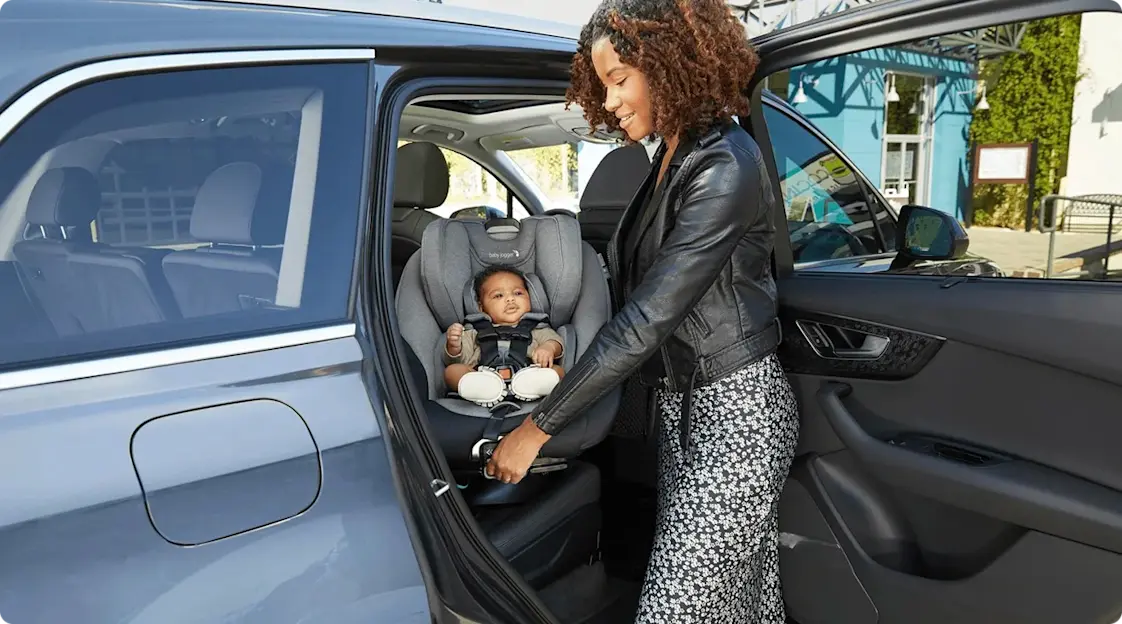
Credit: www.thebump.com
Additional Safety Tips
Keeping your baby safe in the car goes beyond just turning the seat around. Extra care with the car seat ensures your child stays secure on every ride. Simple actions help maintain safety and comfort.
Harness Adjustments
Adjust the harness as your baby grows. The straps should fit snugly, lying flat without twists. Position the harness at or below your baby’s shoulders for rear-facing seats. Check the fit before every trip to avoid loose straps that reduce safety.
Regular Seat Inspections
Inspect the car seat often for any damage or wear. Look for cracks in the plastic and frayed straps. Ensure the seat is installed tightly in the vehicle. Clean the seat according to the manufacturer’s instructions to keep it in good condition.
Frequently Asked Questions
When Is It Safe To Turn Baby Car Seat Forward?
You can turn the seat forward once your child meets the car seat’s height and weight limits. Always follow manufacturer guidelines for safety.
What Age Should Baby Face Forward In Car Seat?
Most experts recommend keeping babies rear-facing until at least 2 years old. This position protects their head and neck better during a crash.
How Long Can My Baby Stay Rear-facing?
Babies can stay rear-facing until they reach the car seat’s maximum height or weight limit. This often means up to age 2 or more.
What Are Signs Baby Is Ready For Forward-facing Seat?
Signs include your child’s head is above the seat’s top or they exceed weight limits. Check your car seat manual for exact criteria.
Conclusion
Turning your baby’s car seat around depends on safety rules and your child’s size. Always follow the car seat manual and local laws. Keep your baby rear-facing as long as possible for better protection. Watch your child’s weight and height limits carefully.
When you switch to forward-facing, install the seat correctly. Regular checks help keep your child safe on every trip. Safety first, always. Your child’s well-being is the top priority.