
Have you ever wondered how your car changes speed so smoothly when you press the gas or brake? The secret lies in the gears of your car.
Understanding what these gears do can help you drive better and take care of your vehicle. You’ll discover the different types of gears inside your car, how they work, and why they matter to your driving experience. By the end, you’ll see your car in a whole new light—and maybe even enjoy driving more than before.
Keep reading to unlock the mystery behind your car’s gears!
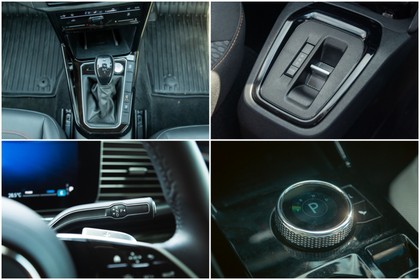
Credit: www.cardekho.com
Types Of Car Gears
Car gears control the power and speed of a vehicle. Different types of gears suit different driving styles and needs. Understanding these gears helps you choose the right car and drive better.
Manual Transmission Gears
Manual gears require the driver to change gears by hand. Drivers use a clutch pedal and a gear stick to shift gears. This system gives more control over the car’s speed and power. It usually has 5 or 6 forward gears plus a reverse gear.
Manual transmissions are common in sports cars and older vehicles. They help save fuel and improve engine performance. Learning to use manual gears takes practice but offers a more engaging driving experience.
Automatic Transmission Gears
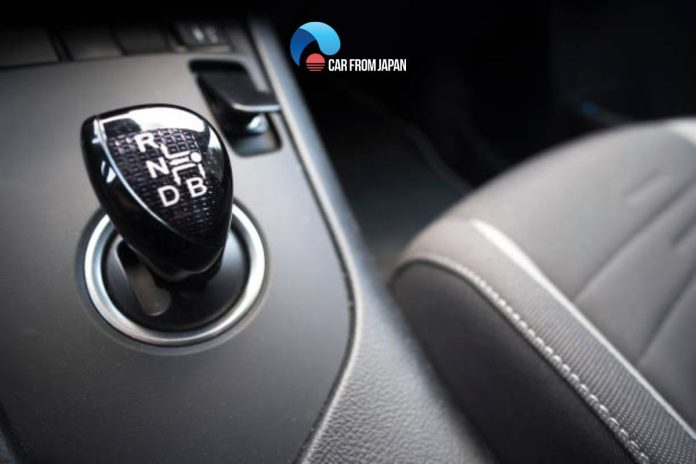
Automatic gears change automatically without driver input. The car’s system decides when to shift based on speed and engine load. This makes driving easier, especially in traffic.
Most modern cars use automatic transmissions. They often have fewer gears than manuals but adjust smoothly. Some automatics include modes for sport or economy driving. They are ideal for drivers who prefer convenience over control.
Cvt And Dual-clutch Gears
CVT stands for Continuously Variable Transmission. It does not have fixed gears but changes seamlessly across a range of speeds. This helps keep the engine running efficiently.
Dual-clutch transmissions use two separate clutches for odd and even gears. This design allows very fast gear changes without interrupting power. Dual-clutch systems combine the smoothness of automatics with the control of manuals.
Both CVT and dual-clutch gearboxes improve fuel efficiency. They offer a modern alternative to traditional manual and automatic systems.
Purpose Of Each Gear
Each gear in a car serves a specific purpose, designed to match the engine’s power output with the driving conditions you face. Understanding the role of each gear helps you drive more smoothly and efficiently. Let’s break down what each gear does and why it matters for your driving experience.
First Gear: Starting And Low Speed
First gear is your go-to when starting from a complete stop. It provides the most power and torque, allowing the car to overcome inertia and begin moving forward.
Use this gear for slow speeds, like in heavy traffic or when climbing steep hills. Shifting out of first gear too soon can strain the engine, so take your time getting going.
Second And Third Gears: Acceleration
These gears help you build up speed after starting. Second gear is often used for moderate acceleration, while third gear lets you gain momentum on city roads.
Shifting through these gears smoothly ensures your ride feels responsive without wasting fuel. Think of them as the stepping stones between slow starts and faster cruising speeds.
Higher Gears: Cruising And Fuel Efficiency
Higher gears, like fourth, fifth, and sometimes sixth, are designed for steady driving at higher speeds. They reduce engine strain and improve fuel economy by lowering the engine RPM.
When you’re on the highway or a clear road, these gears help keep your car running efficiently. Have you noticed how your car sounds different at higher gears? That’s the engine working less hard.
Reverse Gear: Moving Backward
Reverse gear is unique—it lets you move the car backward safely. It’s essential for parking, maneuvering in tight spaces, or backing out of a driveway.
Engage reverse only when the car is fully stopped to avoid damage. Using it cautiously can save you from unexpected bumps and scratches.
How Gears Affect Performance
Gears play a key role in a car’s performance. They control how power from the engine reaches the wheels. Changing gears affects the car’s speed and strength. This makes driving smoother and more efficient. Understanding gears helps explain how a car moves and uses fuel.
Torque And Speed Relationship
Torque is the force that turns the wheels. Speed is how fast the car moves. Gears balance torque and speed to match driving needs. Low gears give more torque but less speed. High gears reduce torque but increase speed. This balance helps the car climb hills or drive fast on highways.
Gear Ratios Explained
Gear ratio shows how many times one gear turns compared to another. A high gear ratio means the engine turns many times for one wheel turn. This gives more power but less speed. A low gear ratio means fewer engine turns per wheel turn. This gives less power but more speed. Cars shift gears to use the best ratio for driving conditions.
Impact On Fuel Consumption
Gears also affect fuel use. Low gears use more fuel because the engine works harder. High gears save fuel by lowering engine effort. Driving in the right gear helps save gas. It keeps the engine running smoothly and avoids wasting fuel.

Credit: uxdesign.cc
Shifting Techniques
Gears in a car help control speed and power. Shifting gears lets the engine work best for different driving conditions. Smooth gear changes improve fuel efficiency and driving comfort.
Shifting gears in a car is an essential skill for drivers. It involves moving the gear lever smoothly to ensure a comfortable ride. Understanding the right techniques can improve driving efficiency and vehicle longevity. Mastering these techniques can also enhance the driving experience.
Smooth Gear Changes
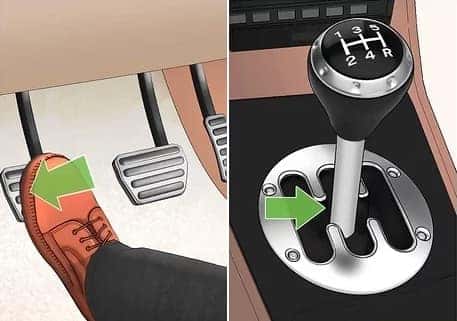
Smooth gear changes are crucial for a comfortable drive. Keep the clutch fully pressed while changing gears. Release it slowly to avoid jerks. Use gentle pressure on the accelerator as you shift. This helps in maintaining control and ensures a smoother transition.
Downshifting And Engine Braking
Downshifting helps slow down the car without using brakes. It involves shifting to a lower gear as the car decelerates. This technique can save brake wear and improve vehicle control. Engine braking is effective on downhill roads, providing stability and safety.
Common Mistakes To Avoid
Avoid riding the clutch while driving. It wears out the clutch plate quickly. Don’t skip gears during shifts, as it can harm the transmission. Never shift gears without pressing the clutch. This can damage the gearbox. Always listen to engine sounds for timely gear changes.
Gear Maintenance Tips
Keeping your car’s gears in good shape helps the vehicle run smoothly. Proper gear maintenance avoids costly repairs and extends gear life. Simple checks and timely care make a big difference.
Signs Of Gear Problems
- Difficulty shifting gears or rough gear changes
- Unusual noises like grinding or whining
- Slipping gears or delayed engagement
- Gear lever feels loose or hard to move
- Burning smell near the transmission area
Notice any of these signs early to prevent serious damage.
Fluid Checks And Changes
Gear fluid keeps gears lubricated and cool. Check fluid levels regularly using the dipstick. Low fluid causes gears to wear quickly.
Change gear fluid as per the car manual’s schedule. Old fluid loses its effectiveness and allows dirt buildup. Use the recommended fluid type for your car model.
When To Seek Professional Help
Persistent gear issues need a mechanic’s attention. Avoid driving if gears slip or make loud noises. A professional can diagnose problems and fix them properly.
Regular inspections during service visits catch early gear problems. Trust experts to maintain your transmission system for safe driving.
Credit: www.statewideford.com
Frequently Asked Questions
What Are The Main Types Of Car Gears?
Car gears include manual, automatic, CVT, and dual-clutch types. Each type controls speed and torque differently for efficient driving.
How Do Car Gears Affect Driving Performance?
Gears regulate engine power to wheels, improving speed and fuel efficiency. Proper gear use enhances control and vehicle longevity.
Why Is Gear Shifting Important In Manual Cars?
Gear shifting matches engine speed to road conditions. It prevents engine strain and ensures smooth acceleration and deceleration.
What Is The Role Of Reverse Gear In Cars?
Reverse gear allows the car to move backward safely. It uses a different gear arrangement to change wheel rotation direction.
Conclusion
Understanding car gears helps you drive smoothly and safely. Each gear plays a key role in controlling speed and power. Lower gears give more power, while higher gears save fuel. Knowing how gears work makes driving easier and more fun.
Keep practicing to feel confident behind the wheel. Gears are simple once you get the hang of them. Now, you can appreciate how your car moves and performs.