

Have you ever found yourself stuck, unable to change gear in your car just when you need to? It’s frustrating, stressful, and can even be dangerous if you don’t know what to do next.
If you’re facing this problem, you’re not alone—and the good news is, there are simple reasons behind it and easy fixes you can try right away. Keep reading, because understanding why your car won’t shift gears could save you time, money, and a lot of hassle on the road.
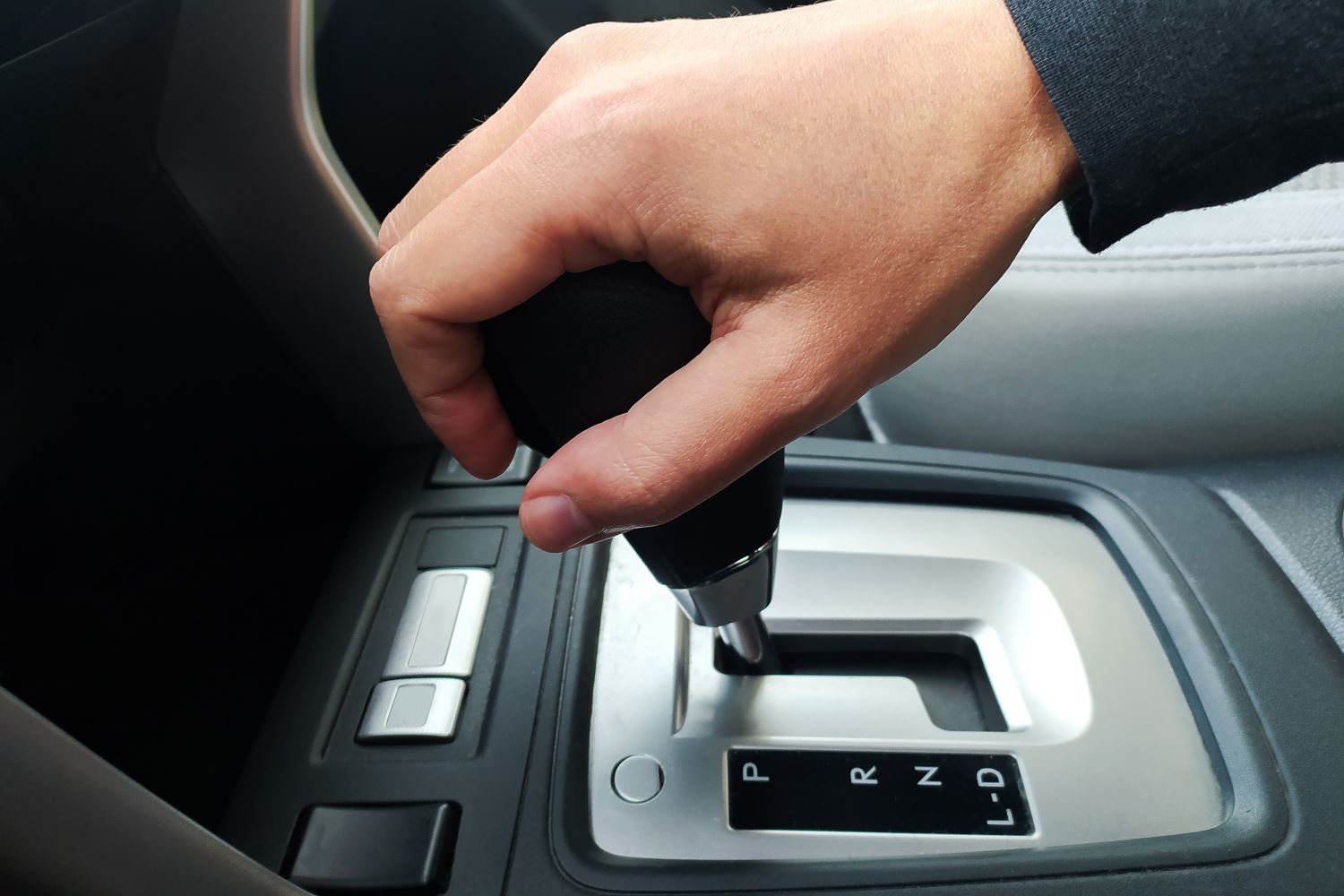
Credit: www.carparts.com
Common Causes Of Gear Shifting Issues
Struggling to change gears in your car can be frustrating and even dangerous if not addressed promptly. Understanding the common causes behind gear shifting issues helps you identify the problem early and avoid costly repairs. Let’s look closely at some typical reasons why your car might refuse to shift gears smoothly.
Clutch Problems
The clutch plays a crucial role in gear shifting. If it’s worn out or not engaging properly, you’ll find it hard or impossible to change gears. Sometimes the clutch pedal feels spongy or sticks to the floor—these are clear signs of clutch trouble.
Have you noticed your car slipping out of gear or the engine revving without the car accelerating? That’s a classic clutch issue. Checking the clutch fluid or hydraulic system can often reveal leaks or air bubbles causing the problem.
Transmission Fluid Levels
Transmission fluid lubricates and cools the gears inside your gearbox. Low or dirty fluid can cause gears to grind or become stiff. If you haven’t checked your transmission fluid in a while, it might be time to take a look.
Regularly topping off or replacing transmission fluid keeps your car shifting smoothly. Think about the last time you serviced your transmission—could this simple step solve your shifting woes?
Linkage And Cable Issues
Your gear shift relies on linkages and cables to connect the gear lever to the transmission. If these parts are damaged, stretched, or misaligned, gear changes won’t register correctly. You might experience difficulty moving the gear stick or find it stuck in one position.
Sometimes, a quick inspection and adjustment of these linkages can restore proper shifting function. Have you ever checked under your car’s hood to see if the shift cables look worn or loose?
Worn Synchronizers
Synchronizers help the gears mesh smoothly when you change gears. Over time, they wear out, especially if you often shift aggressively. Worn synchronizers cause grinding noises and make it hard to engage certain gears.
If you hear strange sounds or feel resistance when shifting, the synchronizers could be the culprit. Repairing or replacing these components requires professional help but catching the issue early saves money.
Quick Checks Before Driving
Before you hit the road, a quick check can save you from the frustration of not being able to change gears. These simple inspections help identify common issues that might cause your car’s transmission to stick. Taking a few moments now can prevent a breakdown later and keep your driving smooth and safe.
Inspecting The Clutch Pedal
Start by pressing the clutch pedal and noticing its feel. Does it press down smoothly, or does it feel stiff or spongy? A clutch pedal that doesn’t fully disengage the transmission can stop you from shifting gears properly.
Look under the dashboard for any loose or broken parts connected to the pedal. Sometimes, the clutch cable or hydraulic system might need adjustment or refilling. Have you ever felt the clutch pedal suddenly change its resistance? That’s a clear sign to inspect it before driving.
Checking Transmission Fluid
Transmission fluid keeps your gears lubricated and working smoothly. Low or dirty fluid can cause gear shifting problems. Check the fluid level using the transmission dipstick while the engine is warm and running.
Look at the fluid’s color and smell. Healthy transmission fluid is bright red and smells slightly sweet. If it’s dark or smells burnt, it’s time for a change. Have you checked your transmission fluid lately? A quick look can save you from expensive repairs.
Examining Gear Linkage
The gear linkage connects your gear stick to the transmission. If it’s loose, worn, or damaged, it can prevent the gears from engaging properly. You can usually spot problems by gently moving the gear stick and feeling for unusual looseness or resistance.
Check for any visible signs of wear or broken parts around the linkage. Sometimes, dirt and debris can also block smooth movement. Do you notice any strange noises or difficulty moving the gear stick? That’s a signal to inspect the linkage before driving.
Simple Fixes You Can Try
Struggling to change gears in your car can be frustrating, especially when you’re on the go. Before calling a mechanic, there are a few simple fixes you can try yourself. These quick checks might save you time and money, and get your car shifting smoothly again.
Adjusting The Clutch Cable
If your clutch feels loose or the gear shift is stiff, the clutch cable might need adjustment. Over time, the cable can stretch, making it harder to disengage the clutch fully.
Look under the hood for the clutch cable near the pedal assembly. Try tightening or loosening the adjustment nuts to find the right tension. A properly adjusted clutch cable lets you change gears without grinding or resistance.
Topping Up Transmission Fluid
Low transmission fluid can cause difficulty in shifting gears. Check your car’s manual to locate the transmission fluid dipstick or fill point.
If the fluid level is low, add the recommended type of transmission fluid slowly. Avoid overfilling, as that can cause other issues. Clean, adequate fluid helps your transmission work smoothly and extends its life.
Lubricating Linkages
Linkages connect your gear stick to the transmission, and they need to move freely. Dirt, rust, or lack of lubrication can cause stiffness or sticking when you try to change gears.
Spray a suitable lubricant on the linkage joints and move the gear stick around to distribute it evenly. Regular lubrication keeps your gear changes smooth and prevents wear on critical parts.

Credit: www.youtube.com
When To Use Neutral And Restart
Knowing when to use neutral and restart your car can help prevent further issues. This action is useful if the car won’t change gear or feels stuck. Using neutral can reduce stress on the gearbox and allow a smooth restart. It gives the engine a moment to reset and helps regain control over the vehicle.
Avoiding Gearbox Damage
Switching to neutral stops the engine from working against a jammed gear. This reduces pressure inside the gearbox. Avoid forcing the gear lever, as it can cause serious damage. Always pause and shift to neutral if gears feel stuck. This simple step can save costly repairs later.
Safe Restart Techniques
Before restarting, make sure the car is fully in neutral. Keep your foot on the brake pedal to prevent rolling. Turn the key or press the start button gently. Once the engine is on, wait a moment before trying to change gears again. This helps the car’s systems reset safely and smoothly.
Preventive Maintenance Tips
Stuck gear shifts often signal low transmission fluid or worn clutch parts. Regular checks and fluid changes keep your car shifting smoothly. Avoid harsh gear changes to prevent damage and costly repairs.
Preventive maintenance is crucial to keeping your car’s gear system in top-notch condition. A failure to change gears can be both frustrating and dangerous. By incorporating some simple maintenance habits, you can prolong the life of your gearbox and enjoy a smoother driving experience.Regular Fluid Changes
Changing your car’s transmission fluid regularly is essential. It keeps the gears lubricated and functioning smoothly. Fresh fluid can prevent wear and tear on the components, helping you avoid that dreadful moment when the gear just won’t shift. Make it a habit to check the fluid levels every month. If you notice a burning smell or the fluid is dark, it’s time for a change. Neglecting this simple task can result in costly repairs down the road.Clutch System Care
The clutch is a vital part of your car’s gear system. Keeping it in good shape can prevent many shifting problems. If you drive a manual car, ensure you fully engage the clutch when changing gears. Avoid resting your foot on the clutch pedal while driving. This habit, often called “riding the clutch,” can cause premature wear. If you notice slipping or difficulty in shifting, it might be time to have a professional look at your clutch system.Routine Gearbox Inspections
Regular inspections of your gearbox can catch issues before they become major problems. A professional mechanic can spot signs of wear and potential failures you might miss. Schedule a gearbox inspection at least once a year. During the inspection, the mechanic will check for leaks, worn-out parts, and other potential issues. A small investment in regular check-ups can save you from unexpected breakdowns and expensive repairs. Remember, preventive maintenance not only extends the life of your vehicle but also ensures your safety on the road. Are you ready to put these tips into practice and keep your gear system running smoothly?
Credit: www.carparts.com
Signs You Need Professional Help
Noticing trouble with changing gears in your car can be frustrating and even dangerous. It’s important to recognize the warning signs that indicate you need professional help before the problem worsens. Ignoring these signs might lead to more expensive repairs or leave you stranded unexpectedly.
Persistent Gear Slipping
If your car keeps slipping out of gear while driving, this is a clear signal something is wrong. You might feel the engine revving without the car accelerating as it should. This issue often points to worn-out clutch components or transmission problems that require expert attention.
Grinding Noises
Hearing grinding sounds when you try to change gears is never normal. These noises suggest that the gears aren’t meshing properly, possibly due to low transmission fluid or damaged gear teeth. Continuing to drive under these conditions can cause severe damage, so it’s wise to get a mechanic to inspect your car promptly.
Difficulty Engaging Gears
Do you find it hard to move the gear stick into the desired position? Stiff or resistant gear shifting could mean the clutch is not fully disengaging or there’s an issue with the linkage. This problem often requires professional diagnostics and repair to restore smooth gear changes.
Frequently Asked Questions
Why Can’t I Change Gear In My Car?
You might face gear change issues due to a worn clutch, low transmission fluid, or a faulty gear linkage. Check these parts first to identify the problem quickly and avoid further damage.
How To Fix A Stuck Gear Shift?
First, ensure the clutch pedal is fully pressed. Check transmission fluid levels and inspect the gear linkage. If problems persist, consult a mechanic for professional diagnosis and repair.
Can Low Transmission Fluid Cause Gear Problems?
Yes, low transmission fluid can cause difficulty in changing gears. It lubricates and cools the transmission parts. Regularly check and top up the fluid to maintain smooth gear shifts.
Is A Faulty Clutch Responsible For Gear Change Issues?
A worn or damaged clutch can prevent smooth gear changes. It may cause slipping or difficulty engaging gears. Have the clutch inspected and repaired by a professional if needed.
Conclusion
Trouble changing gears can happen to any driver. Check the clutch, gear linkage, and fluid first. Sometimes, small fixes can solve the problem quickly. Avoid forcing the gear shift to prevent damage. If problems persist, visit a trusted mechanic soon.
Staying calm and addressing issues early saves time and money. Keep your car in good shape for smoother drives ahead.