
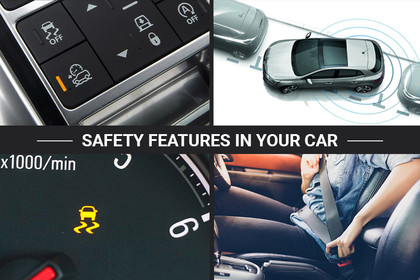
Have you ever wondered what keeps you safe inside your car during a sudden stop or accident? Car safety features aren’t just fancy add-ons—they work together to protect you every time you drive.
Understanding how these systems function can give you peace of mind and help you make smarter choices when buying or using a vehicle. You’ll discover exactly how your car’s safety features work to shield you and your loved ones on the road.
Keep reading to unlock the secrets behind these lifesaving technologies.
Credit: www.idtechex.com
Active Safety Systems
Active safety systems in cars help prevent accidents before they happen. These technologies work automatically to keep drivers in control. They react to road conditions and driver actions quickly. This reduces the risk of collisions and improves overall safety.
Anti-lock Braking System (abs)
ABS stops wheels from locking during hard braking. Sensors detect if a wheel is about to stop spinning. The system then pulses the brakes rapidly to maintain traction. This helps drivers steer while braking hard. It works best on slippery or uneven surfaces.
Electronic Stability Control (esc)
ESC helps keep the car stable during sharp turns or sudden moves. It monitors steering and wheel speed sensors constantly. If the car starts to skid, ESC applies brakes to specific wheels. It can also reduce engine power to regain control. ESC helps prevent spin-outs and rollovers.
Traction Control
Traction control prevents wheels from spinning on slippery roads. It works by reducing engine power or applying brakes to spinning wheels. This improves grip and helps the car move smoothly. Traction control is useful on wet, icy, or loose surfaces.
Adaptive Cruise Control
Adaptive cruise control keeps a safe distance from the car ahead. It uses radar or cameras to monitor traffic. The system adjusts the car’s speed automatically. It slows down or speeds up as needed. This makes highway driving easier and safer.
Credit: www.consumerreports.org
Passive Safety Features
Passive safety features protect you during a crash without any action needed on your part. They work quietly in the background, reducing the risk of injury when an accident happens. Understanding how these features function can help you appreciate their importance and ensure you use your vehicle safely.
Airbags
Airbags inflate instantly during a collision, creating a cushion between you and hard surfaces like the steering wheel or dashboard. This sudden inflation helps reduce the force of impact on your body. Ever noticed how airbags deploy only in certain types of crashes? They use sensors to detect the severity and direction of the impact, deploying only when necessary to avoid unnecessary injuries.
Seatbelts
Seatbelts keep you firmly in place, preventing you from being thrown forward or out of the car during a crash. Their design includes a locking mechanism that activates during sudden stops. Think about the last time you felt that jolt when braking hard — that’s your seatbelt’s locking system at work, keeping you safe.
Crumple Zones
Crumple zones are areas of the car designed to deform and absorb energy during a collision. They act like shock absorbers, reducing the force that reaches the passenger cabin. Next time you see a car with a visibly flexible front end, remember it’s not a flaw but a life-saving design that helps protect you.
Side-impact Protection
Side-impact protection involves reinforced door beams and specially designed panels that absorb energy from a side collision. These features help prevent intrusion into the cabin, safeguarding your body from direct impact. Have you ever wondered why some cars feel more solid when you close the door? That solidity often means better side-impact protection for you.
Advanced Driver Assistance
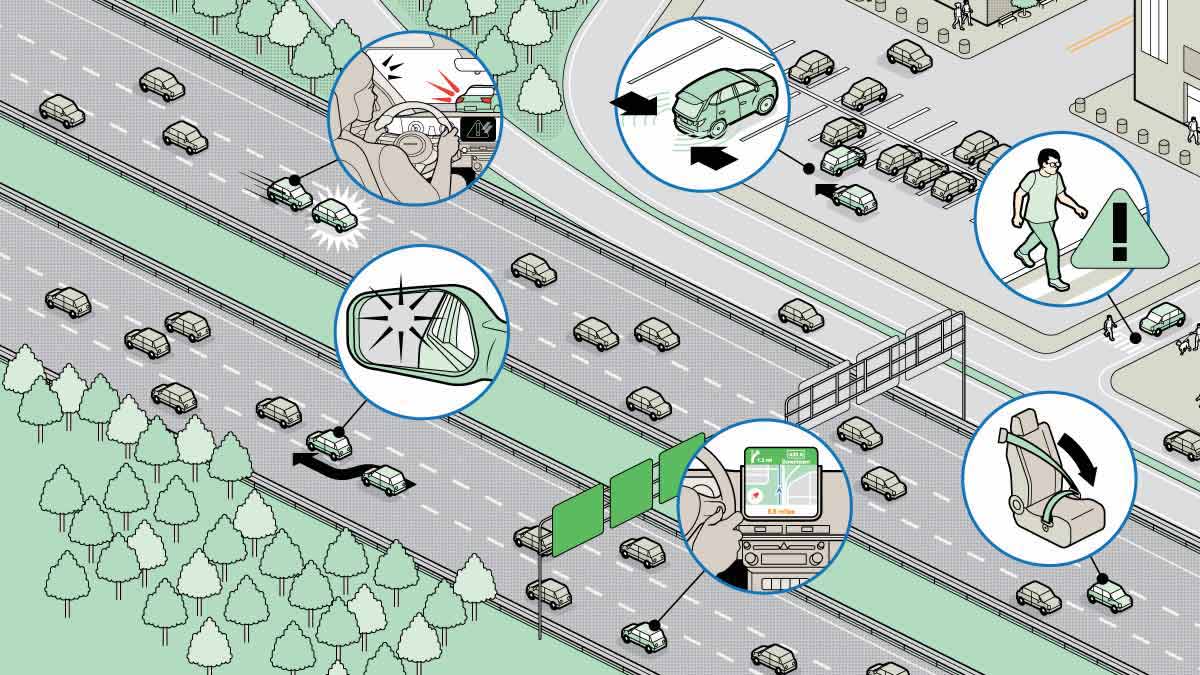
Advanced Driver Assistance systems make driving safer and easier. These technologies help prevent accidents. They alert drivers to potential dangers. This section explores key features like Lane Departure Warning, Blind Spot Detection, Automatic Emergency Braking, and Parking Assistance. Each feature plays a vital role in ensuring road safety.
Lane Departure Warning
Lane Departure Warning systems keep you in your lane. They monitor your car’s position on the road. If you drift without signaling, it alerts you. The alert can be a sound or a vibration. This helps prevent accidental lane changes and collisions.
Blind Spot Detection
Blind Spot Detection systems watch areas you can’t see. Sensors detect vehicles in your blind spots. An alert warns you if a vehicle is present. This ensures safe lane changes and reduces the risk of accidents.
Automatic Emergency Braking
Automatic Emergency Braking systems can stop your car quickly. They detect obstacles ahead using sensors. If a collision is likely, the system applies the brakes. This reduces the impact or avoids a crash entirely.
Parking Assistance
Parking Assistance systems make parking stress-free. They use cameras and sensors to guide you. The system detects obstacles and suggests steering actions. Some systems can even park the car for you. This feature simplifies parking in tight spaces.

Credit: www.seatcoversolutions.com
Sensor Technologies
Sensor technologies form the backbone of modern car safety systems. They help detect obstacles, other vehicles, and road conditions. Cars use different sensors to gather real-time data and respond quickly. These sensors work together to keep drivers and passengers safe.
Radar And Lidar
Radar uses radio waves to detect objects around the car. It measures the distance and speed of nearby vehicles. Lidar uses laser beams to create detailed maps of the environment. Both sensors help with adaptive cruise control and collision avoidance. Radar works well in bad weather. Lidar provides high accuracy in object recognition.
Cameras
Cameras capture visual information from the car’s surroundings. They detect lanes, traffic signs, and pedestrians. Advanced cameras support lane-keeping assist and automatic emergency braking. They provide a wide field of view and color details. Cameras work best in good lighting but can struggle at night or in fog.
Ultrasonic Sensors
Ultrasonic sensors emit sound waves to sense nearby objects. They measure the time taken for sound to bounce back. These sensors are common in parking assist systems. They help detect close obstacles during low-speed maneuvers. Ultrasonic sensors have a short range but high accuracy for nearby objects.
Integration And Control
Car safety features rely on complex systems working together seamlessly. Integration and control help these systems communicate and react quickly. This ensures the car responds correctly to potential dangers. The process involves central control units, software algorithms, and real-time data processing.
Central Control Units
Central control units act as the brain of car safety systems. They collect data from different sensors around the vehicle. Then, they send commands to safety devices like airbags or brakes. These units coordinate actions to protect passengers during emergencies. They also monitor system health to ensure everything works properly.
Software Algorithms
Software algorithms analyze the data received from sensors. They detect patterns that indicate a possible hazard. The algorithms decide the best safety action to take. For example, they may trigger automatic braking to avoid a collision. These programs constantly update to improve safety performance.
Real-time Data Processing
Real-time data processing allows quick decision-making in critical moments. Sensors send continuous information about speed, distance, and road conditions. The system processes this data instantly to react without delay. Fast processing helps prevent accidents by activating safety measures immediately. This quick response is vital for driver and passenger safety.
Future Trends In Safety
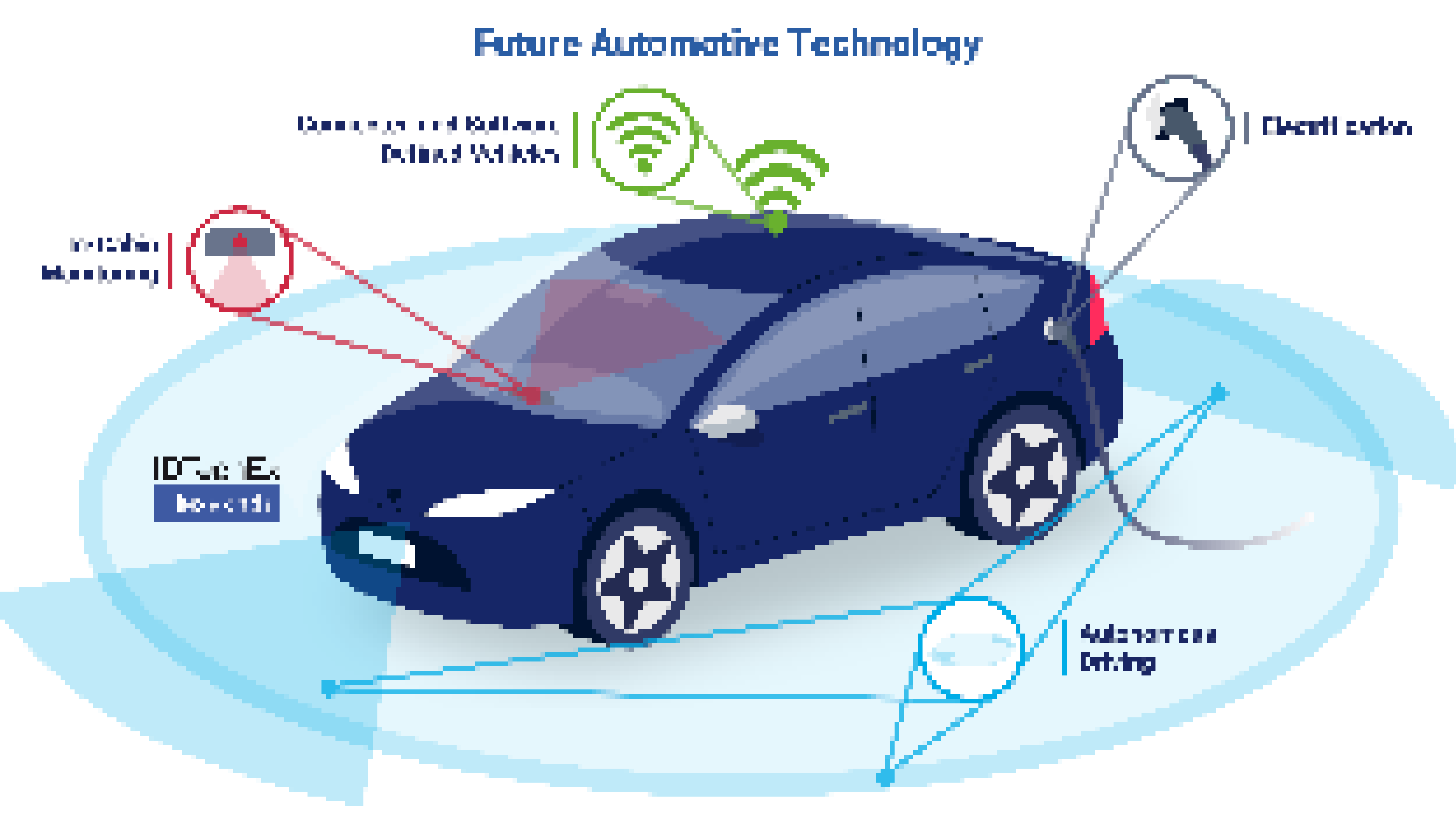
The future of car safety holds exciting advancements that aim to reduce accidents and save lives. New technologies will make vehicles smarter and more aware of their surroundings. These trends focus on communication, automation, and intelligent decision-making to improve safety on the road.
Vehicle-to-vehicle Communication
Vehicles will soon talk to each other using wireless signals. This communication helps cars share information about speed, location, and road conditions. It allows cars to warn each other about hazards ahead, such as sudden braking or slippery roads. This real-time data exchange can prevent collisions and improve traffic flow.
Autonomous Driving Features
Self-driving technology will become more common in future cars. These features use sensors and cameras to control acceleration, braking, and steering. Autonomous systems can detect pedestrians, cyclists, and other vehicles to avoid accidents. They reduce human error by reacting faster and more accurately than drivers.
Ai And Machine Learning In Safety
Artificial intelligence will analyze huge amounts of driving data to improve safety features. Machine learning algorithms will predict dangerous situations and help cars respond proactively. AI can personalize safety systems based on a driver’s habits and preferences. This smart technology will make driving safer and more comfortable for everyone.
Frequently Asked Questions
How Do Airbags Protect Passengers In Crashes?
Airbags deploy instantly during collisions to cushion passengers. They reduce impact force and prevent contact with hard surfaces. Sensors detect crash severity and trigger airbags. This technology significantly lowers injury risks and increases survival chances in accidents.
What Role Do Seat Belts Play In Safety?
Seat belts secure occupants by restraining movement during sudden stops. They prevent ejection and reduce injury severity. Modern belts include pre-tensioners that tighten upon impact. Wearing seat belts is a simple, effective way to protect lives in crashes.
How Does Anti-lock Braking System (abs) Work?
ABS prevents wheel lock-up during hard braking by modulating brake pressure. This maintains steering control and reduces skidding risks. Sensors monitor wheel speed and adjust brakes instantly. ABS enhances vehicle stability and helps drivers avoid collisions.
What Is The Function Of Electronic Stability Control?
Electronic Stability Control (ESC) detects and reduces loss of traction. It applies brakes to specific wheels to correct skidding. ESC helps maintain control during sharp turns or slippery conditions. This feature significantly decreases rollover and crash risks.
Conclusion
Car safety features help protect drivers and passengers every day. They work by detecting danger and reacting fast. Airbags, seat belts, and sensors all play key roles. These features reduce injuries during accidents. Understanding how they function can make you a safer driver.
Technology keeps improving to keep cars safer. Stay aware and use these features properly. Safety is not just about the car but also your choices. Drive smart, stay alert, and protect yourself on the road.