
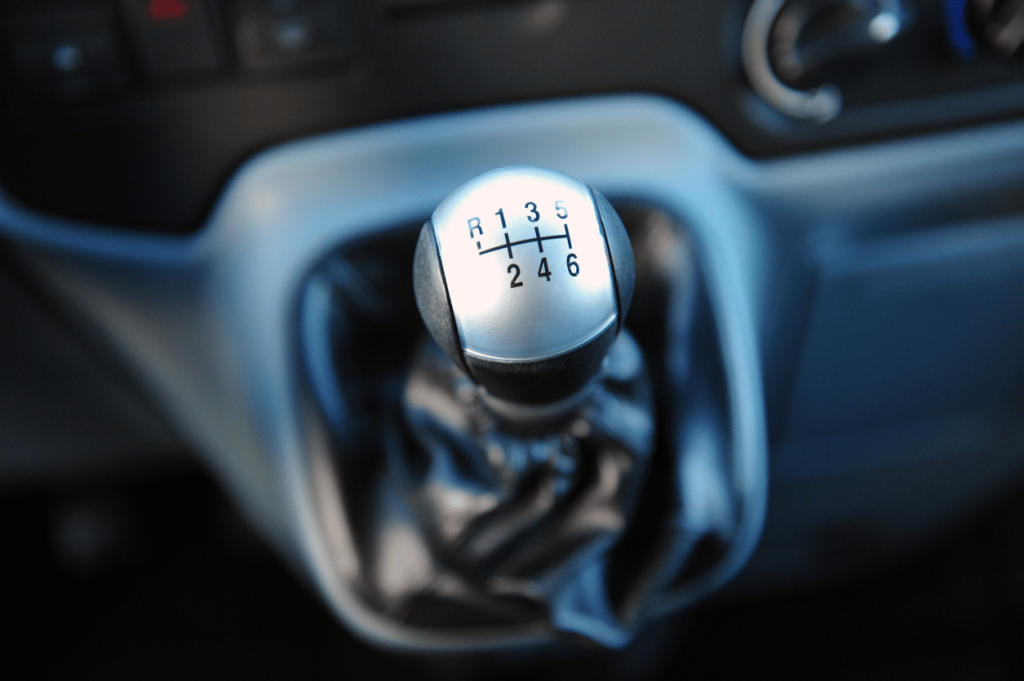
Have you ever wondered what really happens when you shift gears in your car? Understanding how shifting gears works can make you a smoother, safer driver and even help you take better care of your vehicle.
Whether you’re new behind the wheel or just curious about what’s going on under the hood, this guide will break down the process in simple terms. By the end, you’ll see gear shifting in a whole new light—and maybe even enjoy driving a little more.
Ready to find out how your car changes speed and power with just a flick of your hand? Let’s dive in.
Credit: www.cars24.com
Basics Of Car Gears
Car gears are essential components that control the vehicle’s speed and power. They help the engine run efficiently under different driving conditions. Understanding the basics of car gears helps drivers shift smoothly and protect the car’s engine.
Purpose Of Gears
Gears adjust the power from the engine to the wheels. They change the speed and torque of the vehicle. Low gears provide more power but less speed. High gears offer more speed with less power. This balance helps the car move efficiently on roads and hills.
Gears also improve fuel efficiency. They keep the engine running at the right speed. This reduces engine wear and saves fuel. Without gears, the engine would struggle to handle different driving situations.
Types Of Gear Systems
Two main gear systems exist in cars: manual and automatic. Each has a different way of changing gears.
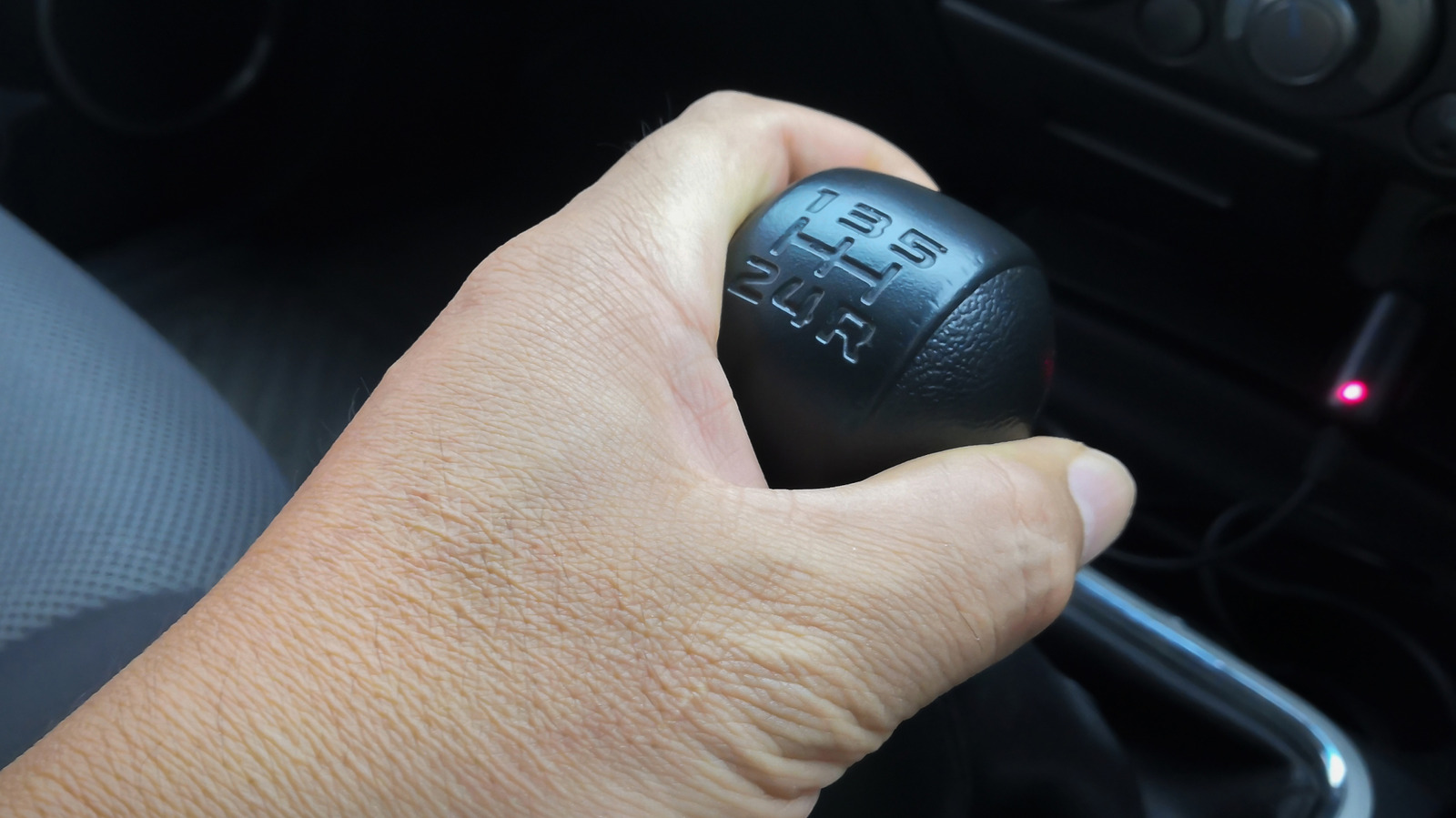
- Manual Transmission:The driver changes gears using a clutch and gear stick. This system gives more control over the car’s power and speed.
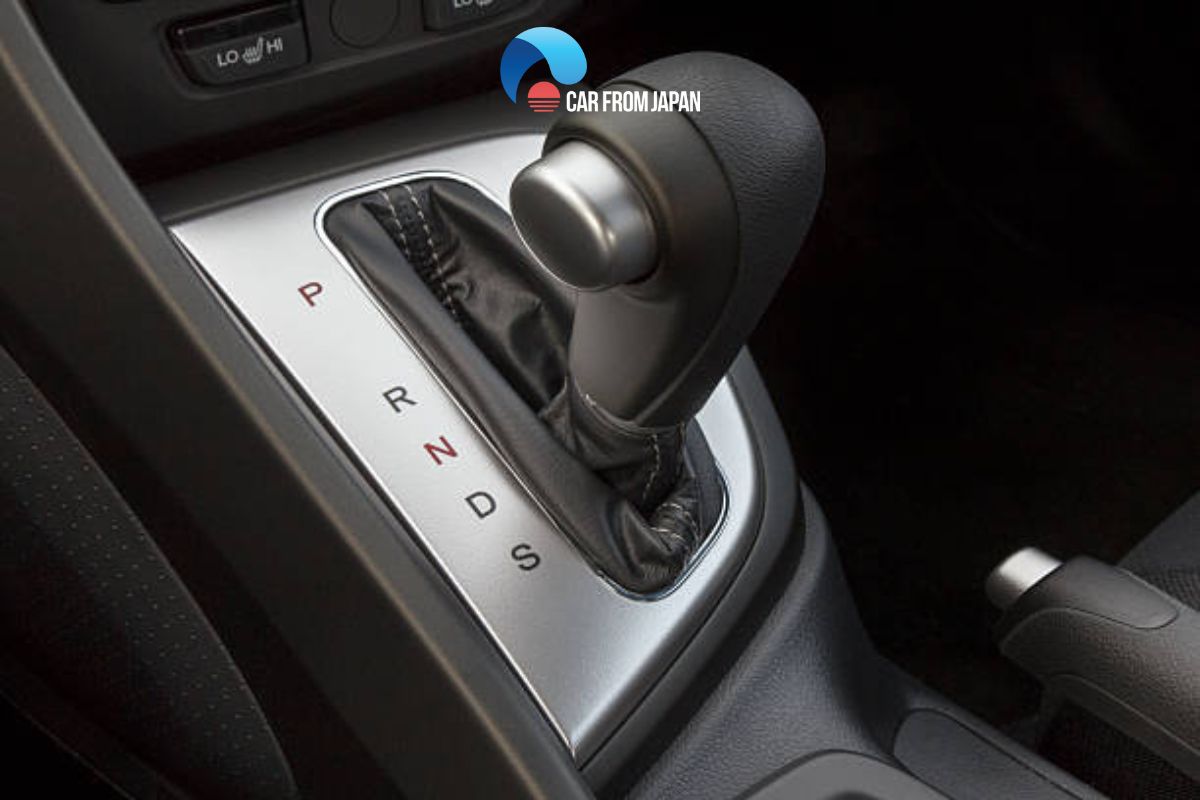
- Automatic Transmission:The car changes gears automatically. Sensors and computers decide the best gear based on speed and load.
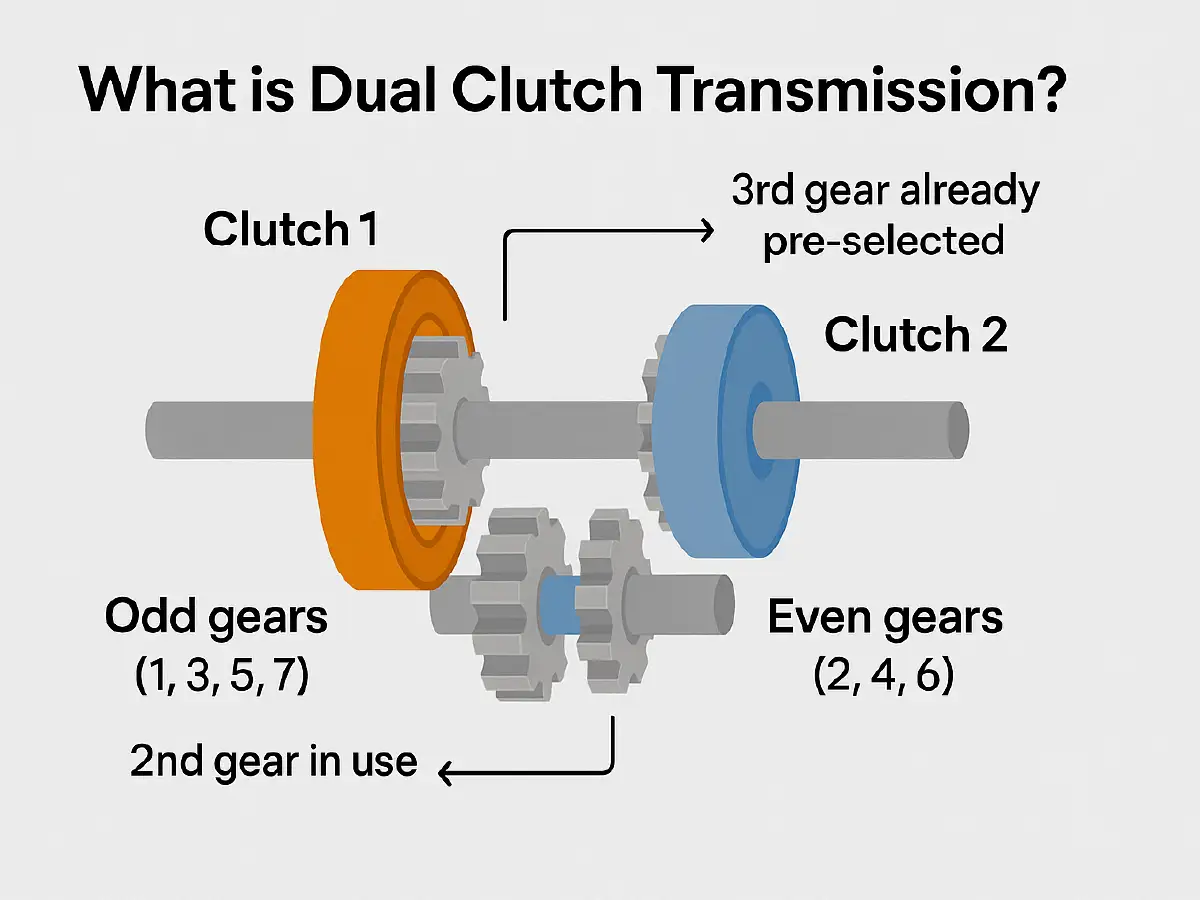
Some cars use a combination of both systems, like semi-automatic transmissions. These systems make driving easier and more efficient.
Credit: carfromjapan.com
Manual Transmission Mechanics
Understanding how manual transmission works can make a huge difference in your driving experience. The mechanics behind shifting gears involve precise coordination between different components. When you shift gears, you’re actually controlling how power is transferred from the engine to the wheels, which directly affects your car’s speed and performance.
Role Of The Clutch
The clutch is the key to smoothly changing gears. It temporarily disconnects the engine from the wheels, allowing you to switch gears without grinding. When you press the clutch pedal, you disengage the engine’s power, giving you a moment to move the gear lever to a new position.
If you don’t fully press the clutch, you might feel resistance or hear a grinding noise. This is because the gears are still engaged and trying to mesh while spinning at different speeds. Proper use of the clutch is essential to avoid wear and tear on your transmission system.
Gear Lever Function
The gear lever acts as your direct link to the car’s transmission system. Moving it selects different gears, which change the ratio between the engine speed and wheel speed. Each gear lever position corresponds to a specific gear, from first to fifth (or sixth) gear, plus reverse.
You might wonder why shifting gears feels jerky at times. This happens if the gear lever is moved before the clutch fully disengages or if the gear doesn’t align perfectly. Smooth gear changes come from coordinating clutch use with careful movement of the gear lever.
Synchronizing Gear Speeds
Have you noticed that gears need to spin at matching speeds before they engage? That’s the job of the synchronizers inside the transmission. They help equalize the speed of the gear you want to shift into with the speed of the gear you’re currently in.
This synchronization prevents gear clash and allows for a smooth transition. If the synchronizers wear out, shifting gears becomes harder and noisier. Understanding this can help you recognize when your car needs maintenance before serious damage occurs.
Automatic Transmission Mechanics
Automatic transmission systems shift gears without driver effort. They use complex parts working together smoothly. Understanding these parts helps explain how gear changes happen automatically.
Torque Converter Role
The torque converter replaces the clutch in an automatic car. It connects the engine to the transmission. Inside, a fluid transfers power by spinning turbines. This fluid coupling allows the engine to keep running when the car stops.
The torque converter also multiplies engine torque. This helps the car start moving from a stop with less effort. It adjusts power delivery smoothly, preventing jerky movements during gear shifts.
Planetary Gear Sets
Planetary gear sets create different gear ratios in an automatic transmission. They have three main parts:
- Sun gear
- Planet gears
- Ring gear
These parts work together to produce various gear speeds and directions. By locking or releasing different components, the transmission changes gears. This process happens quickly and without driver input.
Shift Timing And Control
The transmission uses sensors to monitor speed and engine load. A control unit decides the right time to shift gears. It sends signals to hydraulic valves that engage the correct gear.
Modern cars use electronic controls for precise shifting. This improves fuel efficiency and driving comfort. The system adjusts shifts based on driving style and road conditions.
How Shifting Gears Affects Performance
Understanding how shifting gears affects your car’s performance can change the way you drive. Each gear change influences the engine’s power, fuel use, and the overall smoothness of your ride. Paying attention to these factors helps you get the best out of your vehicle.
Impact On Engine Power
Shifting gears controls how much power the engine delivers to the wheels. Lower gears provide more torque, which is why you use them to start moving or climb hills. Higher gears reduce engine effort, letting the car cruise smoothly at higher speeds.
If you shift too early or too late, your engine might struggle or waste energy. Have you noticed how your car feels different when you accelerate in first gear compared to fifth? That’s the gear change directly affecting power output.
Fuel Efficiency Considerations
Your choice of gear impacts fuel consumption more than you might think. Staying in lower gears for too long means the engine runs at higher RPMs, burning more fuel. Conversely, shifting up at the right time helps the engine work less and saves gas.
Try watching your tachometer and shifting when the RPMs reach the recommended range. This simple habit can lead to noticeable savings at the pump. Have you ever tracked how your fuel efficiency improves with smoother gear changes?
Smoothness Of Ride
Proper gear shifting directly affects how comfortable your drive feels. Jerky or rushed shifts cause sudden jolts that are uncomfortable and stressful for both you and your car. Smooth transitions keep the momentum steady and reduce wear on transmission parts.
Think about a time you shifted smoothly versus a time you didn’t—did the ride feel more relaxed? Practicing timing and clutch control can make every drive more enjoyable and extend your car’s lifespan.
Common Shifting Techniques
Shifting gears changes the car’s speed and power. Press the clutch, move the gear stick, then release the clutch smoothly. This process helps the engine work efficiently at different speeds.
Navigating the intricacies of shifting gears in a car can be both thrilling and challenging. Mastering common shifting techniques not only enhances your driving experience but also ensures the longevity of your vehicle. These methods can transform a mundane drive into a smooth and enjoyable journey, where every shift feels natural and intuitive. Whether you’re a novice or someone looking to refine your skills, understanding these techniques can make a world of difference.
Upshifting Tips
Upshifting is about increasing your speed smoothly. Always press the clutch fully before shifting gears to prevent any unnecessary wear. Release the clutch gradually after shifting to ensure a smooth transition. Pay attention to the engine sound; it’s often a reliable indicator of when to upshift. When the engine starts to sound strained, it’s usually time to change up.
Downshifting Tips
Downshifting helps in gaining better control of the vehicle, especially on descents. Always match your speed with the gear; this prevents the car from jerking. Blip the throttle slightly during downshifting to match the engine speed with the wheel speed, ensuring a smoother transition. Practice makes perfect, so don’t hesitate to find an empty stretch of road to hone this skill.
Avoiding Gear Grinding
Gear grinding not only sounds unpleasant but can also damage your gearbox. Always ensure the clutch is fully engaged before shifting gears. If you hear grinding, don’t force the gear; instead, return to neutral and try again. Consider regular maintenance checks to ensure your gearbox is in top condition. This simple habit can save you from costly repairs in the long run. By focusing on these techniques, you’re not just improving your driving skills but also enhancing your vehicle’s performance. Are you ready to make every drive a seamless experience?
Troubleshooting Gear Shifting Issues
Troubleshooting gear shifting issues helps keep your car running smoothly. Problems with shifting gears can cause poor driving performance and damage the transmission. Identifying problems early can save money and prevent breakdowns. This section covers common signs of gear problems, simple fixes, and when to see a mechanic.
Signs Of Gear Problems
- Difficulty shifting between gears
- Grinding or clunking noises during shifts
- Gear slipping or popping out unexpectedly
- Delayed response when changing gears
- Burning smell or fluid leaks near the transmission
Basic Fixes
- Check and top up transmission fluid
- Ensure clutch pedal is fully pressed (manual cars)
- Adjust the clutch cable if it feels loose
- Clean or replace the gear shift linkage
- Inspect for worn or damaged shift cables
When To See A Mechanic
- Shifting problems persist after basic fixes
- Transmission fluid is dark or smells burnt
- Car vibrates or jerks when changing gears
- Warning lights appear on the dashboard
- Unusual noises continue or worsen
Credit: www.slashgear.com
Frequently Asked Questions
What Happens When You Shift Gears In A Car?
Shifting gears changes the engine’s power output to the wheels. It adjusts speed and torque for better control and efficiency. Lower gears provide more power, while higher gears increase speed and fuel economy.
Why Is Gear Shifting Important For Car Performance?
Proper gear shifting optimizes engine power and fuel consumption. It prevents engine strain and improves acceleration. Smooth shifting enhances driving comfort and extends the vehicle’s lifespan.
How Do Manual And Automatic Gear Shifting Differ?
Manual shifting requires driver input to change gears using a clutch and gear stick. Automatic shifting uses sensors and a transmission system to change gears without driver effort, offering convenience and ease.
When Should You Shift Gears While Driving?
Shift gears based on engine speed and road conditions. Up-shift when the engine revs high to save fuel. Down-shift for more power during acceleration or climbing hills.
Conclusion
Shifting gears helps the car move smoothly at different speeds. It controls engine power and fuel use. Drivers change gears to match road conditions and speed. Knowing how gears work improves driving comfort and safety. Practice makes gear shifting easier and more natural.
Each gear has a purpose in driving. Keep these basics in mind next time you drive. Understanding this simple process makes driving less stressful.