
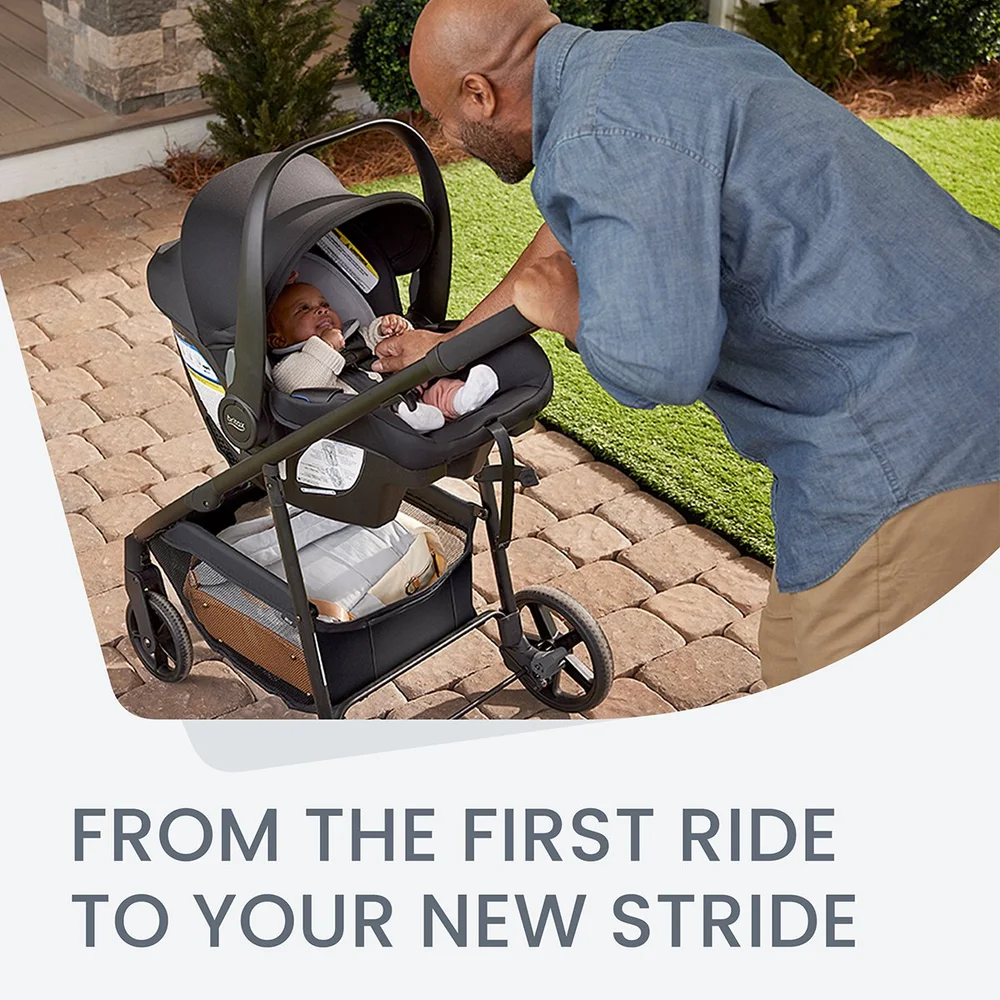
Traveling with a baby can be challenging, but having the right car seat makes all the difference. You want your little one to be safe and comfortable, no matter where you go.
But how do you handle a bulky car seat when you’re on the move? How can you make sure it fits on planes, in taxis, or rental cars? You’ll discover simple tips and smart tricks to travel smoothly with your baby car seat.
Keep reading to learn how to make every trip easier and stress-free for both you and your baby.

Credit: orbitbaby.com
Choosing The Right Car Seat
Choosing the right car seat is important for your baby’s safety and comfort during travel. The right seat keeps your baby secure and fits your car well. It also makes travel easier for parents. Understanding different car seats and what to check helps you pick the best option. Size, weight, and safety rules matter a lot.
Types Of Baby Car Seats
There are three main types of baby car seats:
- Rear-facing seats:Best for newborns and infants. They protect the head and neck.
- Forward-facing seats:Used after your baby outgrows the rear-facing seat. They have a harness system.
- Booster seats:For older children, helping seat belts fit correctly.
Choose the type that fits your baby’s age and size.
Safety Standards To Look For
Always check for safety labels on the car seat. Look for approval from trusted safety organizations. These marks show the seat meets safety tests. Also, see if the seat has side-impact protection. A five-point harness is best for babies. Check for easy installation features too. A well-installed seat keeps your baby safer.
Size And Weight Considerations
Car seats come with weight and height limits. Make sure the seat fits your baby well. Too big or too small can be unsafe. Measure your car’s space before buying. Some seats are bulky and may not fit all cars. Lightweight seats are easier to carry. Choose a seat that balances size and comfort for travel.
Credit: www.walmart.ca
Preparing The Car Seat For Travel
Preparing the car seat for travel ensures safety and comfort for your baby. Checking and readying the seat reduces stress during the trip. Proper preparation helps avoid last-minute surprises at the airport or on the road.
Cleaning And Maintenance Tips
Clean the car seat thoroughly before travel. Remove crumbs, dirt, and dust from all crevices. Use mild soap and water to wipe down the cover and straps. Avoid harsh chemicals that can damage the fabric or weaken the straps. Let the seat dry completely to prevent mold or mildew. Check all buckles and latches for proper function. Tighten loose screws or fasteners to keep the seat secure. Regular maintenance improves safety and extends the seat’s life.
Packing Accessories And Covers
Pack accessories that protect and enhance the car seat. Use a travel bag designed for car seats to prevent damage. Include a rain cover to protect from wet weather. Bring a sunshade or canopy for extra shade during sunny days. Consider a head support pillow for added comfort on long trips. Keep a small blanket or towel handy for spills or messes. Proper packing keeps the seat clean and ready for use.
Checking For Expiry Dates
Check the car seat’s expiry date before travel. Most seats have a sticker or label with this information. Expired seats may not meet current safety standards. Using an expired seat puts your baby at risk. Replace the car seat if it is past its expiration. Also, inspect for signs of wear or damage. A safe seat protects your baby during every journey.
Traveling By Car With A Baby Seat
Traveling by car with a baby seat requires more than just strapping your little one in. Safety and comfort go hand in hand, especially on long drives. Paying attention to proper installation and thoughtful adjustments can make all the difference in your journey.
Proper Installation Techniques
Ensuring the baby seat is correctly installed is your top priority. Start by reading the car seat manual alongside your vehicle’s manual to understand the best fit.
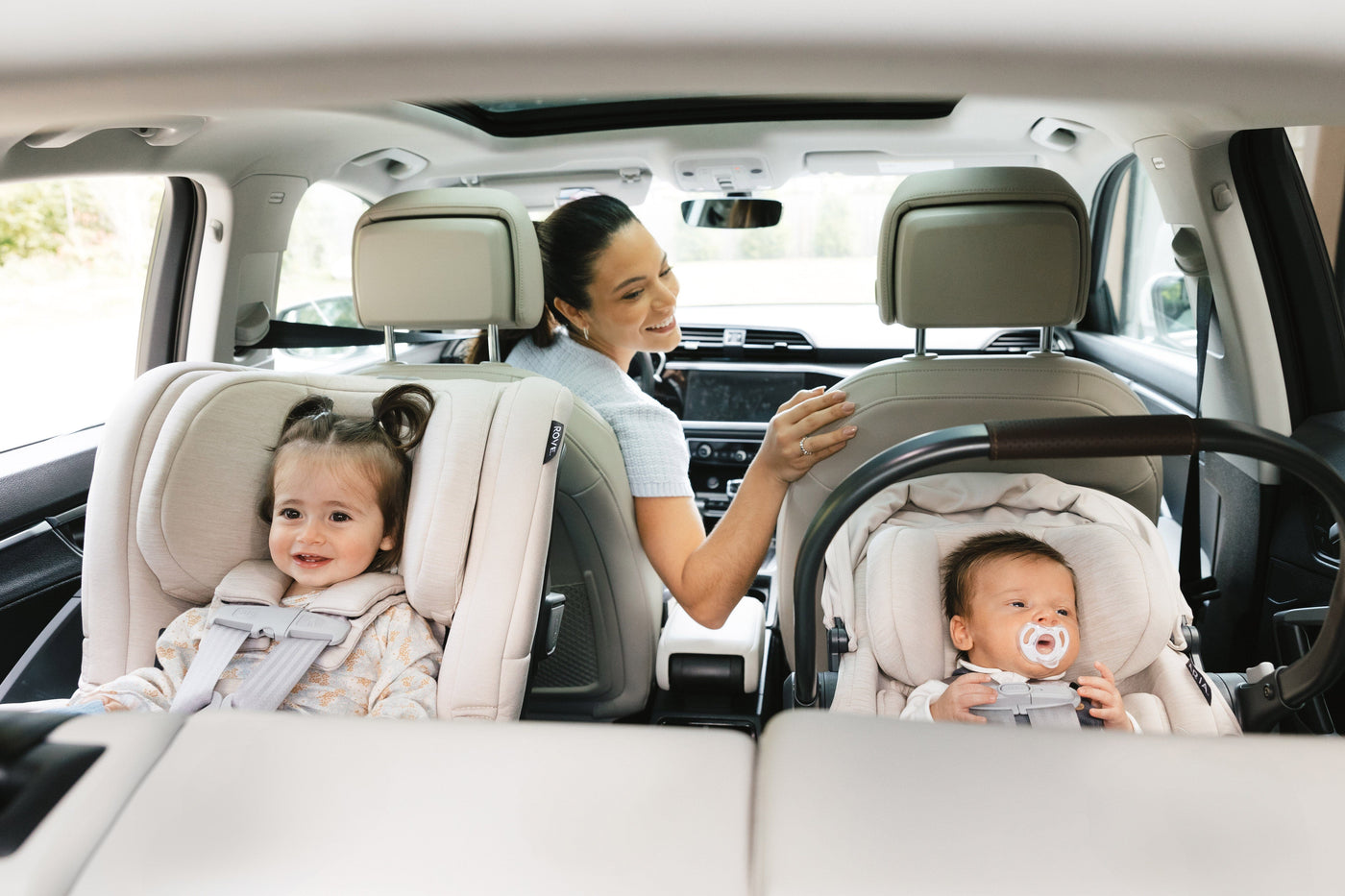
Use either the seat belt or the LATCH system to secure the seat tightly—there should be less than an inch of movement at the base. Don’t forget to check the angle of the seat; newborns need a reclined position to keep airways open.
Have you ever tested your installation by giving the seat a firm shake at the base? This quick check can reveal if the seat is secure enough before you hit the road.
Securing The Seat For Long Drives
Long trips mean your baby seat must stay put without shifting or loosening. Keep a seat belt tight and periodically check it during stops to maintain security.
Consider using additional locking clips for extra stability, especially if your car’s seat belts don’t lock automatically. These clips prevent slack from developing over time.
Also, avoid placing heavy items behind or around the seat that might shift and affect its stability during sudden brakes or turns. Have you thought about how road vibrations might impact your baby’s safety?
Comfort Tips For Baby On The Road
Even the safest seat won’t keep your baby happy if they’re uncomfortable. Dress your baby in layers so you can adjust their warmth easily during the trip.
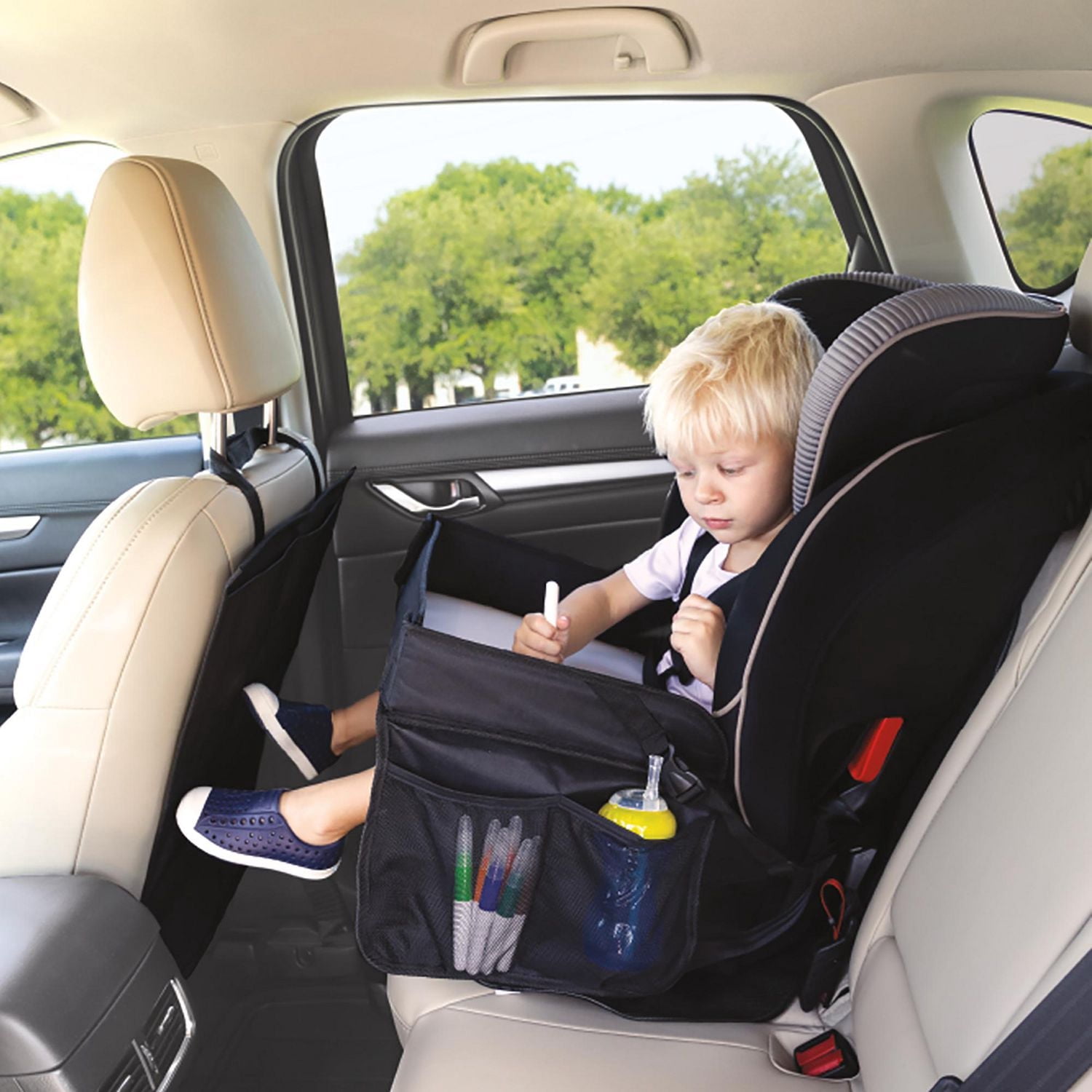
Add a head support pillow designed for car seats to prevent their head from falling awkwardly. A sunshade on the window can also protect sensitive skin and reduce glare.
Plan for regular stops to give your baby a break from the seat and stretch. Have favorite toys or soft blankets within reach to soothe them during the ride. What small changes can you make to turn the car seat into a cozy little space for your baby?
Flying With A Baby Car Seat
Flying with a baby car seat can feel overwhelming, but it doesn’t have to be. Knowing what to expect helps you stay calm and prepared. Your baby’s safety and comfort depend on how well you manage the logistics around the car seat during air travel.
Airline Policies And Regulations
Every airline has its own rules about bringing and using a baby car seat on board. Some allow you to check the car seat for free, while others require it to be used only if you have a separate seat for your child. It’s important to check your airline’s website or call customer service before your trip to avoid surprises at the airport.
Keep in mind that the car seat must be approved for air travel—look for labels that say it meets FAA or other relevant safety standards. Airlines may also have size limits or specific installation instructions, so knowing these details helps you avoid last-minute hassles.
Booking Seats For The Car Seat
If you want to use the car seat on the plane, you’ll need to book a separate seat for your baby. This gives you the chance to install the car seat safely and keep your child secure during takeoff and landing. Booking early is crucial, as not all flights have extra seats available at the last minute.
Consider choosing seats by the window or bulkhead for extra space. Some parents find that installing the car seat facing backward offers better support for their baby. Have you thought about how your baby’s comfort might change if you select different seats?
Navigating Airport Security
Going through airport security with a car seat requires extra patience. You’ll usually need to remove your baby from the car seat and carry them through the metal detector. The car seat will go through the X-ray machine separately.
To make this easier, use a baby carrier or sling to keep your child close and calm during the process. Some parents pack snacks or favorite toys to distract their little ones while waiting in line. Have a plan for managing your hands and belongings before you get to security—it can save a lot of stress.
Using Car Seats In Rental Cars
Using car seats in rental cars can be a tricky part of traveling with a baby. You need to ensure safety without compromising convenience. Deciding how to handle car seats during your trip can save time, money, and stress.
Bringing Your Own Vs Renting
Bringing your own car seat gives you peace of mind because you know it’s safe and familiar. However, it can be bulky and heavy to carry, especially if you have multiple bags or tight connections.
Renting a car seat from the rental company might sound easier, but availability isn’t guaranteed. The seats they offer may be older models or not fit well with every car. Have you ever arrived only to find the rental car seat isn’t compatible or in poor condition?
Think about your trip length, luggage space, and how confident you feel installing the seat. Sometimes, bringing your own is worth the hassle for safety and comfort.
Inspecting Rental Car Seat Options
Not all rental agencies offer car seats, so call ahead and confirm their options. If they do, ask about the brand, model, and age of the seat. You want one that meets current safety standards.
When you pick up the car seat, inspect it carefully. Look for cracks, missing parts, or frayed straps. Don’t hesitate to refuse it if it looks unsafe or outdated.
Check if the seat comes with clear instructions. Rental staff might not always help with installation, so being prepared is key. Would you trust your baby’s safety to a seat with unclear or worn-out labels?
Installation Challenges And Solutions
Installing a car seat in a rental car often brings surprises. Different car models have varying anchor points and seat designs, which can complicate installation.
Bring your car seat manual and watch online installation videos before your trip. Some rental cars have LATCH systems, but others might require seat belt installation. Knowing both methods helps you stay flexible.
If you struggle with installation, don’t hesitate to ask rental staff or airport car seat technicians for help. They can often spot mistakes you might miss. Have you ever felt unsure if the seat was tight enough? Getting a second opinion can make a big difference.
Credit: strolleria.com
Storing And Transporting The Car Seat
Storing and transporting a baby car seat can be tricky, especially when you want to keep it safe and hassle-free. The key is to protect the seat from damage while making it easy to carry during your travels. Let’s look at smart ways to handle your car seat on the go.
Carrying Cases And Travel Bags
Investing in a quality carrying case or travel bag can make a huge difference. These bags often come with padded straps and extra pockets for storing accessories like straps or manuals.
A well-fitted travel bag keeps the seat clean and shields it from scratches or dirt. When I traveled with my baby, the padded bag saved me from worrying about scuffs during airport security checks.
Protecting The Seat During Transit
Wrap the car seat in a soft blanket or bubble wrap inside the travel bag for added cushioning. This extra layer guards against bumps or drops.
Always double-check that the seat is securely fastened in your vehicle or airline-approved stroller. Unsecured seats can shift and get damaged during movement.
Have you ever noticed how little scratches can add up over time? Protecting your car seat means it stays safe for future trips and keeps your baby comfortable.
Handling Airport And Vehicle Transfers
When moving through airports, use a lightweight stroller to attach the car seat if possible. It reduces the strain on your arms and speeds up your transit.
At the airport, tag your car seat with your contact information. In case it gets misplaced, this simple step can help you recover it quickly.
While switching between vehicles, keep the seat within easy reach to avoid leaving it behind. Having a checklist can help ensure you don’t forget anything important during these busy moments.
Safety Tips For Stress-free Trips
Traveling with a baby car seat ensures safety and comfort. Secure the seat properly in the vehicle. Pack essentials within easy reach to keep the journey stress-free.
Traveling with a baby can be both exciting and daunting. Ensuring your little one’s safety while on the road is a top priority. Below are some essential safety tips for a stress-free trip with a baby car seat.
Frequent Breaks And Baby Comfort
Plan for regular breaks during your journey. Babies need to stretch, and frequent stops allow them to do so comfortably. This also gives you a chance to check on the car seat and ensure it’s still securely fastened. Keep your baby comfortable by adjusting the car seat to the correct recline angle. A small pillow or a soft toy can make their travel experience more pleasant. Remember, a comfortable baby is a happy traveler.
Monitoring Baby’s Position And Behavior
Always keep an eye on your baby’s position. Ensure their head isn’t slumping forward, which can obstruct breathing. A small mirror attached to the back seat can help you monitor them without taking your eyes off the road. Watch for signs of discomfort or distress. Crying or fussiness may indicate that something needs adjusting. A quick check could save you from a stressful situation later.
Emergency Preparedness
Being prepared for emergencies is crucial. Keep a well-stocked diaper bag with essentials like diapers, wipes, and extra clothes. Include a first-aid kit that’s easily accessible. Have a list of emergency contacts and relevant medical information. Knowing who to call in an emergency can ease your worries. Are you prepared for unexpected weather changes? A small blanket or jacket could be a lifesaver. Each journey with your baby is unique and requires careful planning. By focusing on these safety tips, you can ensure a smoother, stress-free travel experience for both you and your little one.
Frequently Asked Questions
How Do I Choose The Right Baby Car Seat For Travel?
Select a car seat that meets safety standards and fits your vehicle. Choose a lightweight, compact model for easy transport. Ensure it has a convenient carry handle and is FAA-approved for air travel if flying.
Can I Use A Baby Car Seat On An Airplane?
Yes, FAA-approved car seats can be used on airplanes. Always check airline policies before traveling. Secure the car seat in a window seat using the airplane seatbelt for safety.
How Do I Transport A Baby Car Seat During Travel?
Use a car seat travel bag with padding for protection. Carry it using the handle or a stroller attachment. Consider renting a car seat at your destination to avoid carrying it.
Is It Safe To Check A Baby Car Seat On A Plane?
Checking a car seat is allowed but not recommended. It may get damaged or lost. Using a car seat on the plane ensures your baby’s safety during the flight.
Conclusion
Traveling with a baby car seat can feel tough but it gets easier. Plan ahead and check airline rules before you go. Use a travel bag to protect the seat during the trip. Always secure the car seat properly in the vehicle for safety.
Keep your baby comfortable and calm while traveling. Small steps help make travel smooth and stress-free. Enjoy the journey and create happy memories with your little one. Safe travels start with good preparation and care.