
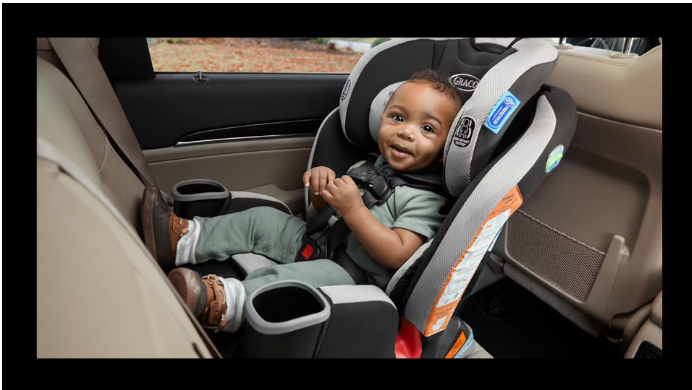
Are you wondering when it’s safe to turn your baby’s car seat to face forward? You’re not alone.
Every parent wants to keep their little one safe and comfortable during car rides. But figuring out the right time to switch from rear-facing to forward-facing can feel confusing. Making this decision at the right moment can protect your child from serious injuries in a crash.
Keep reading to discover the clear signs and expert advice that will help you know exactly when to forward face your baby in the car seat—so you can drive with confidence and peace of mind.
Rear-facing Vs Forward-facing Seats
Choosing between rear-facing and forward-facing car seats is a crucial decision for your child’s safety. Understanding the differences helps you know when to switch your baby’s seat direction. This choice can directly impact how well your child is protected during a car ride.
Benefits Of Rear-facing Seats
Rear-facing seats support your baby’s head, neck, and spine better in a crash. The seat absorbs the force, reducing injury risk by spreading the impact over the back of the car seat.
Experts recommend keeping children rear-facing until at least age 2, or until they reach the maximum height and weight allowed by the car seat. Many parents find their toddlers actually enjoy the rear-facing position because it feels cozy and secure.
Did you know that rear-facing seats reduce the chance of serious injury by up to 75% compared to forward-facing seats? That’s a powerful reason to wait before making the switch.
Risks Of Early Forward Facing
Turning your child forward too soon can increase the risk of severe injury in a collision. The neck and spine of young children are still developing and are vulnerable to sudden impact.
Forward-facing seats expose your child to greater forces during a crash, especially in frontal collisions, which are the most common. Parents sometimes feel pressure to switch early because their child wants to face forward or because of convenience, but safety should come first.
Ask yourself: Is the convenience of forward-facing worth the increased risk to your child’s safety? Waiting longer can make a big difference in protecting your child’s well-being.

Credit: maxicosi.com
Age And Weight Guidelines
Understanding the age and weight guidelines for forward-facing car seats is essential for your child’s safety. These guidelines help ensure your baby transitions at the right time. Car seats protect children best when used according to these standards.
Recommended Age For Forward Facing
Experts suggest keeping babies rear-facing as long as possible. Most children are ready to face forward after they turn 2 years old. Some may need to stay rear-facing until age 3 or beyond. This depends on the car seat’s limits and the child’s growth.
Rear-facing seats support your child’s head and neck better in crashes. Moving to forward-facing too early can increase injury risk. Always check your car seat manual for specific age advice.
Weight And Height Limits
Weight and height limits vary by car seat model. Most convertible seats allow children to face forward starting at 20 to 30 pounds. Height limits typically range from 30 to 40 inches.
| Car Seat Stage | Weight Range | Height Range |
|---|---|---|
| Rear-Facing | 5 to 40 pounds | Up to 40 inches |
| Forward-Facing | 20 to 65 pounds | Up to 49 inches |
Always follow the limits printed on your car seat. These numbers ensure the harness fits correctly. Proper fit is vital for effective protection during travel.
Car Seat Types And Features
Choosing the right car seat affects when a baby can face forward. Car seats come in various types, each with unique features. These features impact safety and comfort. Understanding these differences helps parents make informed decisions.
Convertible Car Seats
Convertible car seats switch from rear-facing to forward-facing. Babies start rear-facing for better head and neck support. When they outgrow the rear-facing limits, the seat converts to forward-facing. This type often fits children from infancy to toddlerhood. It offers long-term use and solid protection.
All-in-one Car Seats
All-in-one car seats grow with your child from birth to booster stage. They work as rear-facing, forward-facing, and booster seats. These seats save money and space by combining multiple functions. Safety features adjust to match your child’s size and age. They provide a smooth transition through all stages.
Harness Systems
Harness systems keep babies secure in the car seat. Most convertible and all-in-one seats use a five-point harness. It holds the child at shoulders, hips, and between legs. This system limits movement during sudden stops. Proper harness fit is key for safety and comfort. Adjust harness straps as your baby grows.

Credit: incarsafetycentre.co.uk
Safety Standards And Regulations
Understanding safety standards and regulations is key before you decide to forward face your baby in a car seat. These rules are designed to protect your child and keep you informed about the safest practices. Knowing what the law requires helps you make decisions that prioritize your baby’s well-being.
Federal Safety Guidelines
The National Highway Traffic Safety Administration (NHTSA) sets clear federal standards for car seat safety. They recommend keeping your child in a rear-facing car seat until at least the age of 2 or until they reach the highest weight or height allowed by the car seat manufacturer.
Why does this matter? Rear-facing seats better protect your child’s head, neck, and spine in a crash. When you think about switching to forward-facing, checking your car seat’s limits is crucial. It’s not just about age but also about weight and height limits set by the manufacturer.
State Laws On Car Seat Usage
State laws vary widely, with some states enforcing stricter rules than federal guidelines. For example, states like California and New York require children to remain rear-facing until age 2 or until they exceed the car seat’s rear-facing limits.
Have you checked your state’s specific laws lately? Ignoring these can lead to fines and more importantly, compromise your child’s safety. Many states also have laws about booster seats and seat belts that you should be aware of as your child grows.
- Check your state’s DMV websitefor up-to-date rules.
- Consult local child passenger safety techniciansfor personalized advice.
- Stay informedas laws can change to reflect new safety research.
Signs Your Baby Is Ready
Babies show signs like stable neck control and sitting well before facing forward in a car seat. Weight and age limits on the car seat label also guide the right time. Always check safety rules to keep your baby secure.
When considering transitioning your baby to a forward-facing car seat, certain signs indicate they might be ready. Recognizing these signs ensures your child’s safety and comfort during car rides. Let’s explore the key indicators under physical milestones and behavioral cues.
Physical Milestones
Babies should reach a specific weight and height before facing forward. Most guidelines suggest waiting until they are at least two years old. Check your car seat’s manual for specific weight and height limits. Ensure your baby’s head is not less than one inch from the top of the car seat. This ensures they have adequate support in case of sudden stops.
Behavioral Cues
Notice how your baby behaves in the car. Are they curious about their surroundings? This curiosity can indicate readiness for a new view. If they consistently try to turn around, it might be time for a change. Babies who sit still and seem comfortable may still benefit from a rear-facing seat. Always prioritize safety over convenience when making the switch.
Proper Installation Tips
Proper installation is the foundation of keeping your baby safe when forward-facing in a car seat. Even a slight mistake can reduce the effectiveness of the seat during a sudden stop or crash. Paying close attention to how you secure the seat, adjust the harness, and check the angle can make a real difference in your child’s safety and comfort.
Securing The Car Seat
Start by firmly attaching the car seat to your vehicle’s seat using either the seat belt or the LATCH system. Pull the belt or straps tight to eliminate any movement; the seat should not shift more than an inch side to side or front to back.
Have you tried pushing down on the seat while tightening? This small action can help remove slack and ensure a tighter fit. Remember, a loosely installed seat can put your baby at risk during sudden stops.
Adjusting The Harness
The harness should fit snugly against your baby’s chest without any slack. Place the harness straps at or just above your child’s shoulders when they are forward-facing.
Check that the chest clip is positioned at armpit level—too low or too high can reduce its effectiveness. A harness that’s too loose may let your baby move too much, which can be dangerous in a crash.
Checking The Angle
Keep an eye on the car seat’s recline angle. Forward-facing seats usually have a recommended angle marked on the side.
Too upright can strain your baby’s neck, while too reclined may not provide enough support. Use a level or the built-in indicator to confirm the angle is correct before each trip.
Common Mistakes To Avoid
Knowing when to turn your baby’s car seat forward is important, but avoiding common mistakes is even more crucial for safety. Many parents rush this transition or overlook key details, which can put their child at risk. Let’s look at some frequent errors and how you can steer clear of them to keep your little one safe on every ride.
Premature Forward Facing
Turning your baby’s car seat forward too soon is a risk many parents don’t realize they’re taking. Babies should stay rear-facing as long as possible, usually until they reach the maximum weight or height limit of their rear-facing seat. Moving them forward early can increase the chance of injury in a crash.
Ask yourself: Are you following the seat manufacturer’s guidelines, or just moving forward because your child seems restless? Patience here pays off—rear-facing seats provide the best protection for your baby’s head, neck, and spine.
Loose Harness Straps
Loose harness straps are a silent danger. Even if the seat is facing the right way, straps that don’t fit snugly can reduce the car seat’s effectiveness. You should never be able to pinch any slack between your fingers when the harness is fastened.
Think about the last time you buckled your child in—did you double-check the tightness? If not, make it a habit. A properly tightened harness keeps your baby secure and minimizes movement during sudden stops.
Incorrect Seat Positioning
Positioning the car seat incorrectly is more common than you might think. Whether it’s installed at the wrong angle or placed where the seatbelt doesn’t lock properly, mistakes here can compromise safety. Always ensure the seat is firmly installed and reclined according to the manufacturer’s instructions.
Have you inspected the seat’s position after installation? Even a small tilt or loose installation can reduce protection. Use tools like a level indicator if available, and don’t hesitate to ask for a professional check at a car seat inspection station.
Expert Recommendations
Babies should stay rear-facing in car seats until they reach the height or weight limit set by the car seat manufacturer. Experts say this helps protect their head and neck during a crash. Always check your car seat’s manual before turning it forward-facing.
When it comes to deciding when to forward-face your baby in a car seat, expert recommendations are crucial. Transitioning from rear-facing to forward-facing is a significant milestone in your child’s journey, and it’s essential to do it safely. Let’s delve into what the experts say to ensure you’re making the best choice for your little one.
Pediatricians’ Advice
Pediatricians emphasize the importance of keeping your child rear-facing as long as possible. They often recommend waiting until your child reaches the maximum height and weight limit of their rear-facing seat. This advice is rooted in the understanding that rear-facing seats better protect your child’s head, neck, and spine in a crash. Personal experience shows that many parents face pressure to switch to forward-facing prematurely. Yet, trusting pediatric advice can offer peace of mind. Have you ever found yourself in a similar situation, weighing convenience against safety?
Safety Organizations’ Guidelines
Leading safety organizations, such as the American Academy of Pediatrics and the National Highway Traffic Safety Administration, advocate for extended rear-facing. They recommend keeping children rear-facing until at least age two or until they outgrow the seat’s limits. These guidelines are based on extensive research and crash test data. A simple checklist can help determine if your child is ready to forward-face:
- Has your child reached the height limit of their rear-facing seat?
- Is your child’s head within one inch of the top of the car seat?
- Does the seat manufacturer allow forward-facing at your child’s current weight?
Adhering to these guidelines may require patience, but it’s crucial for your child’s safety. Have you checked your car seat’s manual recently to ensure compliance with these recommendations? Making informed decisions about your child’s safety in the car is not just about following rules but understanding the reasons behind them. By aligning with expert recommendations, you can rest assured knowing you’re doing what’s best for your child.
Transitioning Safely To Forward Facing
Transitioning your baby to a forward-facing car seat is a big step that requires careful attention to safety and comfort. It’s important to recognize the right moment and make the switch gradually to help your child adjust smoothly. This process involves more than just flipping the seat; it’s about ensuring your baby feels secure and stays protected during every ride.
Gradual Adjustment Tips
Start by letting your baby sit in the forward-facing seat while the car is parked. This helps them get used to the new position without the stress of movement. You might notice your child fidgeting or feeling unsure—this is normal as they adapt to the change.
Take short trips initially. Use familiar routes to create a sense of security. Gradually increase the time spent forward-facing over several days or weeks.
Talk to your baby during rides. Your voice can provide comfort and reassurance as they adjust to facing forward.
Monitoring Comfort And Safety
Keep an eye on your baby’s posture and head position throughout the journey. Forward-facing seats require your child to hold their head up more, so frequent breaks can prevent discomfort. If you spot signs of strain or fussiness, pause and check the harness fit and seat angle.
Ensure the harness is snug but not too tight. The straps should lie flat and rest at or above your child’s shoulders when forward-facing. Don’t hesitate to re-read your car seat’s manual to confirm proper installation and fit.
Have you noticed how your baby reacts after longer trips? Their comfort can reveal if the seat is adjusted correctly or if it’s time to make tweaks. Listening to these cues keeps safety and comfort in balance.

Credit: www.safetyandhealthmagazine.com
Frequently Asked Questions
When Is It Safe To Forward Face A Baby In A Car Seat?
It is safe to forward face a baby after they reach at least 2 years old. They must also meet the car seat’s height and weight limits. Rear-facing offers better protection for young children’s heads and necks.
What Are The Height And Weight Limits For Forward-facing?
Forward-facing limits vary by car seat model. Generally, babies should weigh between 20-40 pounds and be at least 30 inches tall. Always check your specific car seat manual for exact requirements.
Why Is Rear-facing Recommended For Infants?
Rear-facing car seats better protect babies’ heads, necks, and spines in crashes. The position spreads crash forces across the entire body, reducing injury risk. Experts recommend rear-facing until at least age 2.
Can Premature Babies Forward Face Earlier Than Full-term Babies?
Premature babies should remain rear-facing longer. They often have lower muscle tone and fragile necks, needing extra protection. Always consult your pediatrician before switching to forward-facing.
Conclusion
Forward-facing your baby in a car seat depends on age and size. Most experts suggest keeping babies rear-facing until at least two years old. Rear-facing seats protect your child’s head and neck better in crashes. Always check your car seat’s manual for specific rules.
Safety comes first. Wait until your child meets the weight and height limits before turning forward. This small step helps keep your baby safe on every trip. Remember, patience now means better protection later. Trust the guidelines and drive safely.