
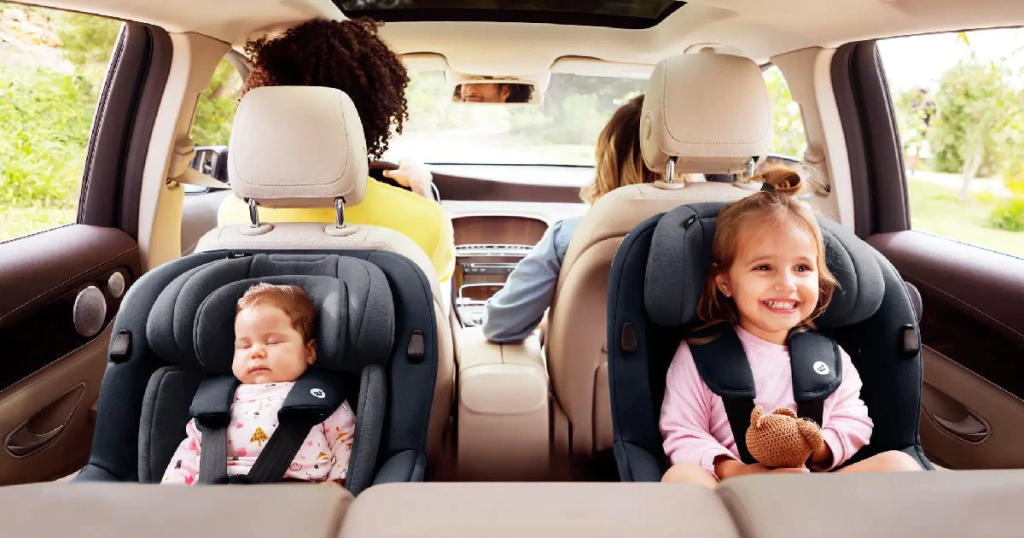
You want to keep your baby safe every time you hit the road. One big question many parents face is: when is the right time to switch your baby to a forward-facing car seat?
Making this move too soon or too late can affect your child’s safety. You’ll discover the key signs to look for and expert tips to help you make the best choice for your little one. Keep reading to learn exactly when your baby is ready to face forward—and how to do it safely.

Credit: orbitbaby.com
Signs Baby Is Ready
Knowing when your baby is ready to switch to a forward-facing car seat is important. This change affects your child’s safety during car rides. Parents should watch for clear signs that show readiness. These signs include age, weight, and physical skills. Understanding these points helps make the right decision.
Age And Weight Guidelines
Most safety experts suggest keeping babies rear-facing until at least 2 years old. Some car seats allow forward-facing at 1 year, but check your seat’s manual. Weight limits vary but usually start around 20 to 22 pounds. Always follow your car seat’s specific weight and height rules. Using these guidelines keeps your baby safe on every trip.
Physical Development Milestones
Your baby needs good head and neck control before facing forward. Watch if your baby can sit up well without support. Strong neck muscles protect the baby during sudden stops. Also, your child should be able to stay seated comfortably. If your baby struggles to hold up their head, wait longer. These milestones show your baby’s body is ready for the change.

Credit: chicco.ca
Risks Of Early Forward Facing
Switching a baby to a forward-facing car seat too soon can cause serious risks. Babies’ bodies are still growing, and their muscles and bones are not strong enough for this position. This can lead to injuries that might have long-lasting effects. Understanding these risks helps parents keep their children safer on the road.
Injury Statistics
Research shows that babies in forward-facing seats face higher injury risks. Studies report that children under two years old are more likely to suffer severe injuries in crashes if forward-facing. Car crashes can cause head and chest injuries more often in forward-facing babies. Rear-facing seats reduce injury risk by up to 75% for infants.
- Forward-facing babies have a higher chance of head injuries.
- Chest and spinal injuries increase in early forward-facing cases.
- Rear-facing seats offer better protection during sudden stops.
Impact On Baby’s Neck And Spine
A baby’s neck and spine are fragile and still developing. Early forward-facing puts too much pressure on these areas during a crash. The neck may not support the head properly, increasing the risk of serious injury. The spine, still soft and flexible, can bend in dangerous ways when facing forward too early.
- Neck muscles are weak and cannot handle forward forces well.
- The spine is vulnerable to twisting and compression injuries.
- Rear-facing seats support the head, neck, and spine better.
Choosing The Right Car Seat
Choosing the right forward facing car seat is a decision that impacts your child’s safety and comfort during every ride. It’s not just about picking the first seat you see; it’s about understanding the options available and which features truly matter. Your choice can make a difference in protecting your child during unexpected stops or accidents.
Types Of Forward Facing Seats
There are several types of forward facing car seats to consider, each designed for different ages and sizes.
- Convertible Seats:These start as rear-facing and then convert to forward facing. They grow with your child, making them a flexible option.
- Combination Seats:These are forward facing only and often transform into booster seats. They’re great if you want a seat that lasts through multiple stages.
- High-back Booster Seats:These provide head and neck support, which is important for younger kids who have outgrown harness seats but aren’t ready for just a seat belt.
Think about your child’s current size and how long you want to use the seat before upgrading. Would a seat that adapts as they grow save you money and hassle?
Safety Ratings To Consider
Not every car seat is created equal when it comes to safety. Checking safety ratings can help you make an informed decision.
- Crash Test Results:Look for seats that perform well in independent crash tests. These tests reveal how well a seat protects in real-world scenarios.
- Ease of Installation:A seat that’s hard to install correctly can compromise safety. Choose seats with clear instructions and features like LATCH connectors to simplify installation.
- Side Impact Protection:Extra padding or reinforced sides can provide better protection in side collisions.
I once struggled with a seat that was rated well but difficult to install. After switching to an easier model with similar safety scores, I felt much more confident about my child’s security. How confident are you in your current car seat’s installation and protection?
Proper Installation Tips
Secure the car seat tightly using the seat belt or LATCH system to prevent movement. Check the angle and harness fit to ensure your baby’s comfort and safety. Always follow the car seat manufacturer’s instructions carefully.
Proper installation of a forward-facing car seat is crucial for your child’s safety. It’s not just about strapping the seat in; it’s about ensuring every component is secure and in the right place. Let’s explore some practical tips to make sure your child’s car seat is installed properly.Using Latch Vs Seat Belt
Choosing between the LATCH system and a seat belt can be confusing. The LATCH (Lower Anchors and Tethers for Children) system is often preferred for its simplicity and effectiveness. However, it’s essential to use one method and not both, as combining them can lead to improper installation. Each vehicle has weight limits for using the LATCH system. If your child’s car seat or combined weight exceeds this limit, switch to using the seat belt. Always refer to both your car’s manual and the car seat manual for guidance.Checking For Secure Fit
A secure fit is non-negotiable. Once installed, give the car seat a firm shake at the base. It should not move more than an inch in any direction. Ensure the tether strap is tightened properly. This minimizes forward movement during a crash, providing additional safety. Do you feel a sense of relief when your child’s car seat doesn’t budge? That’s the peace of mind every parent deserves. Always double-check the fit before every trip to ensure your child’s safety is never compromised.Harness And Strap Adjustments
The harness and strap adjustments are crucial for your baby’s safety and comfort in a forward-facing car seat. Properly adjusted harnesses keep your child secure during every ride, reducing the risk of injury. Knowing how to set the harness height and ensure a snug fit can make all the difference in protecting your little one.
Correct Harness Height
The harness straps should sit at or just above your child’s shoulders when the car seat is forward facing. This positioning helps distribute crash forces evenly across the strongest parts of your child’s body.
Check your car seat’s manual to find the correct harness slots and adjust the straps accordingly. If the straps are too low or too high, they can cause discomfort or fail to restrain your child properly.
Have you noticed how easy it can be to overlook this step? A quick harness height check every time you buckle up ensures you don’t miss this vital safety measure.
Ensuring Snug Fit
A snug harness fit is essential to keep your child secure. After adjusting the straps, pull the harness tightening strap to remove any slack until you cannot pinch any excess webbing at the shoulder.
Too loose, and your child could slip out during sudden stops; too tight, and it might cause discomfort or restrict breathing. Finding the right balance is key.
Remember, your child should be comfortable but never able to move freely inside the seat. Have you tried the “pinch test” lately to confirm the fit?
Additional Safety Measures
Ensuring your baby’s safety in a forward-facing car seat means more than just installing the seat. Taking extra safety steps can protect your child better during travel. These measures help secure the seat firmly and position it correctly within the vehicle.
Using Tether Straps
Tether straps are essential for forward-facing car seats. They connect the top of the car seat to an anchor point in the vehicle. This reduces forward movement during sudden stops or crashes. Always check the car’s manual to find the tether anchor location.
Secure the tether strap tightly without slack. A loose tether strap can reduce the seat’s stability. Regularly inspect the strap for wear or damage and replace it if necessary. Proper use of tether straps helps prevent serious injury by keeping the seat stable.
Positioning The Seat In The Vehicle
Place the car seat in the back seat. The middle seat is safest, away from airbags and side impacts. Ensure the seat faces forward and sits flat on the vehicle’s seat. Avoid placing the seat on top of thick seat covers that affect stability.
Adjust the recline angle according to the car seat manual. Too upright or too reclined positions can be unsafe. Lock the vehicle’s seat belt or LATCH system tightly around the car seat. Check for any movement; the seat should not move more than one inch side-to-side or front-to-back.
Common Mistakes To Avoid
Choosing to switch your baby to a forward-facing car seat is an important step. Parents often make simple mistakes that can reduce the seat’s safety. Knowing what to avoid helps keep your child secure during every ride.
Incorrect Harnessing
Many parents do not tighten the harness properly. Loose straps can cause serious injury in a crash. The harness should be snug, with no slack. Check that the chest clip is at armpit level. Twisted straps reduce protection and must be straightened. Always secure the harness so the baby cannot slip out.
Loose Installation
Installing the car seat loosely is a common error. The seat should not move more than an inch side to side or front to back. Use the vehicle’s seat belt or LATCH system firmly. Follow the car seat manual for correct installation steps. A loose seat can cause the child to shift dangerously during sudden stops. Double-check the fit before every trip.
Transitioning To Booster Seats
Transitioning to booster seats happens once your child outgrows the forward-facing car seat. Check the height and weight limits on the car seat label. Booster seats help keep children safe and comfortable during car rides.
Transitioning your child from a forward-facing car seat to a booster seat is a significant milestone. It marks a step closer to independence and can be both exciting and nerve-wracking. Ensuring that this transition is done safely and at the right time is crucial for your child’s safety and your peace of mind.When To Make The Switch
Deciding when to transition your child to a booster seat depends on several factors. Typically, children are ready for booster seats when they outgrow the height and weight limits of their forward-facing car seats. Look for signs like their shoulders being above the top harness slots of the car seat. Age is also a consideration; most children transition to booster seats between the ages of 5 and 7. However, readiness varies, and it’s essential to ensure your child can sit correctly without slouching or leaning out of the seat. Is your child mature enough to sit without a harness? If so, it might be time for a booster.Booster Seat Safety Tips
Safety is paramount when switching to a booster seat. Ensure the booster seat is correctly installed in your vehicle and that your child understands the importance of staying seated properly. The seat belt should lie flat across your child’s chest and shoulder, not the neck, and the lap belt should fit snugly across the upper thighs, not the stomach. Always use a high-back booster if your vehicle doesn’t have a headrest. It provides necessary head and neck support. Make regular checks to ensure the booster seat remains securely in place and that your child maintains the correct posture throughout your journeys. Engage your child in the process by explaining why booster seats are essential for their safety. This not only helps in making them understand the importance but also gets them excited about their new “grown-up” seat. Is your child ready for this new responsibility?
Credit: www.thule.com
Frequently Asked Questions
When Can A Baby Use A Forward Facing Car Seat?
A baby can use a forward facing car seat after reaching the manufacturer’s height and weight limits for rear-facing. Generally, this is around 2 years old. Keeping your child rear-facing longer offers better protection for their head and neck in crashes.
What Are The Safety Benefits Of Rear-facing Seats?
Rear-facing seats support the baby’s head, neck, and spine during impact. They distribute crash forces evenly across the body. Experts recommend rear-facing as it reduces injury risk significantly compared to forward-facing seats.
How To Transition From Rear-facing To Forward-facing?
Transition only after your child meets the car seat’s rear-facing limits. Secure the forward-facing seat with a harness and tether strap. Follow the car seat manual carefully for installation and harness adjustments.
Are There Legal Age Or Weight Limits For Forward-facing Seats?
Yes, laws vary by location but often require children to use rear-facing seats until age 2 or specific weight limits. Always check your local regulations and follow car seat manufacturer guidelines for safety and compliance.
Conclusion
Choosing the right time for a baby to face forward matters a lot. Keep your child’s safety as the top priority. Follow the car seat manual and local laws carefully. Make sure your baby meets the weight and height limits.
Always use the harness correctly and snugly. Remember, rear-facing is safest for younger babies. Switching too soon can increase risks during accidents. Take your time and stay informed. Your careful decisions keep your baby secure on every trip. Safety first, always.