

You want to keep your baby safe and comfortable during every car ride. But when is the right time to switch from an infant car seat to a convertible car seat?
Making this change at the perfect moment can protect your child better and give you peace of mind. If you’re unsure about the signs or the best age to make the switch, this article will guide you step-by-step. Keep reading to discover exactly when and how to move your baby to a convertible car seat safely.
Your child’s safety depends on it.
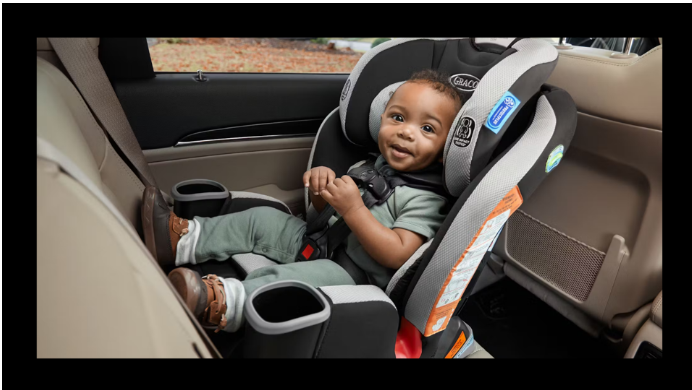
Credit: upgrademystatus.com
Signs Baby Is Ready
Knowing when to switch your baby to a convertible car seat is important for safety. Babies grow fast, and their needs change. Watching for signs can help you make the right choice. These signs include age, weight, height, and physical skills. Each factor plays a role in deciding the best time to switch seats.
Age And Weight Milestones
Most babies outgrow their infant car seats between 9 and 12 months. Weight limits vary by seat but usually range from 22 to 35 pounds. Check your car seat’s manual for exact numbers. Reaching these milestones means your baby might need a bigger seat. The convertible car seat often supports children up to 40 or 50 pounds.
Height Considerations
Height is as important as weight. Infant seats have a maximum height limit. When your baby’s head nears the top edge, it’s time to switch. Convertible seats offer more headroom and support taller children. Measuring your baby regularly helps track this change. A comfortable fit ensures better protection and safety.
Physical Development
Physical growth matters too. Babies who can sit up well and have good neck control are ready. This development helps them stay safe in a convertible seat. If your baby struggles to sit unsupported, wait longer. Strong muscles reduce the risk of injury during travel. Watch your baby’s movements and strength daily for clues.
Benefits Of Convertible Seats
Choosing the right time to switch your baby to a convertible car seat can feel overwhelming. But knowing the benefits of convertible seats can make that decision easier. These seats grow with your child, offer better safety, and save you money in the long run.
Extended Use
Convertible seats are designed to accommodate children from infancy to toddlerhood and beyond. This means you can use the same seat rear-facing for your baby, then switch it to forward-facing as they grow.
This extended use eliminates the need to buy multiple seats. It also saves space in your car since you won’t be juggling several bulky seats at once. Have you noticed how quickly kids outgrow their gear? A convertible seat adapts to their changing size effortlessly.
Cost-effectiveness
Instead of purchasing a separate infant seat and then a toddler seat, a convertible seat combines both stages. This can significantly reduce your overall spending on car seats.
Many parents find this budget-friendly option especially helpful when preparing for a new baby. Plus, resale value tends to be better for convertible seats because they serve longer. How much could you save by investing in one versatile seat?
Enhanced Safety Features
Convertible car seats often come with advanced safety features that protect your child at different growth stages. These include adjustable harness systems, side-impact protection, and reinforced frames.
Using a single seat that meets the latest safety standards for both rear and forward-facing positions ensures consistent protection. Are you confident your current seat offers the best possible security as your child grows? Upgrading to a convertible seat might give you peace of mind.
Rear-facing Vs Forward-facing
Deciding when to switch your baby from a rear-facing to a forward-facing convertible car seat is a crucial choice that impacts their safety on every ride. Understanding the differences between rear-facing and forward-facing positions can help you make the right call based on your child’s growth and needs. Let’s break down the key points to consider so you can keep your little one safe and comfortable.
Safety Advantages Of Rear-facing
Rear-facing seats provide the best protection for your baby’s head, neck, and spine during a collision. In a crash, the seat absorbs the impact and spreads the force evenly across the body, reducing injury risk.
Experts recommend keeping your child rear-facing for as long as possible, at least until they reach the height or weight limit of the seat. Many parents find their children stay rear-facing beyond the age of two, which offers extended safety benefits.
When To Transition Forward-facing
You should switch to forward-facing only when your child outgrows the rear-facing limits set by the car seat manufacturer. This usually happens when your baby exceeds the maximum height or weight allowed for rear-facing.
Watch your child’s comfort and posture too. If your toddler’s head is pressing against the car seat or their legs are uncomfortably bent, it might be time to consider the change. However, don’t rush; keeping your child rear-facing longer is safer.
Legal Requirements
Car seat laws vary by location but generally require children to remain rear-facing until at least age two or until they hit specific size limits. It’s important to check your local regulations to ensure compliance and avoid fines.
Some regions have updated laws encouraging extended rear-facing for improved safety. Staying informed about these rules helps you make decisions that protect your child and keep you on the right side of the law.
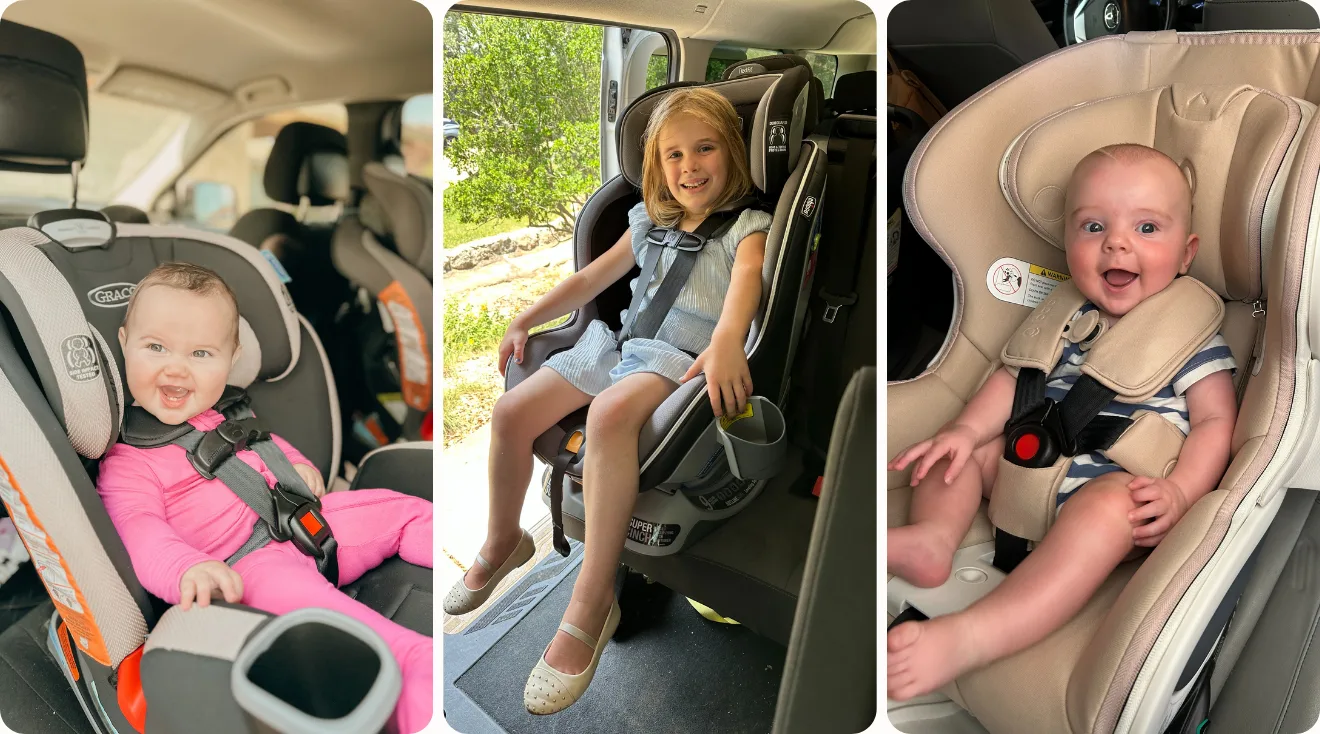
Credit: www.thebump.com
Installation Tips
Installing a convertible car seat correctly ensures your baby’s safety during every ride. Proper installation reduces risks and keeps your child secure. Follow these tips to install the seat the right way.
Proper Seat Positioning
Place the convertible seat in the back seat, the safest spot in the car. Rear-facing is best for infants and toddlers. Make sure the seat reclines at the right angle to support your baby’s head. Use the seat’s level indicators to check the angle. Avoid placing the seat where airbags could hit it.
Using Latch And Seat Belts
Use either the LATCH system or the vehicle’s seat belt to secure the car seat. Check your car manual to find the LATCH anchors. Attach the connectors firmly and tighten the straps. If using the seat belt, lock it properly and pull out slack. Never use both LATCH and seat belts at the same time unless the car seat instructions allow it.
Ensuring A Secure Fit
After installing, test the seat for movement. It should not move more than one inch side to side or front to back. Press down on the seat while tightening straps for a snug fit. Adjust harness straps to fit your child snugly without slack. Double-check buckles and clips to make sure they fasten securely.
Common Mistakes To Avoid
Switching your baby to a convertible car seat is an important milestone, but it’s crucial to avoid common mistakes that can compromise their safety. As a parent, you want to ensure every transition is smooth and secure. Let’s dive into some frequent errors to steer clear of during this switch.
Switching Too Early
Transitioning to a convertible car seat too soon can put your child’s safety at risk. Many parents are eager to make the switch, thinking their baby has outgrown the infant seat. However, infants should remain in their rear-facing seats until they reach the maximum weight or height limit—often beyond the first year.
Check the guidelines provided by the car seat manufacturer. Ensuring your baby is the right size before switching is vital for their safety.
Incorrect Harness Adjustment
A common mistake is not adjusting the harness correctly. An incorrectly adjusted harness can lead to inadequate protection in the event of a crash. The harness should be snug, with the chest clip at armpit level.
To test, try the pinch test: if you can pinch the strap webbing between your fingers, it’s too loose. Always double-check the harness adjustment each time you buckle in your little one.
Loose Installation
Ensuring the car seat is installed tightly is critical. A loose car seat can move more than an inch side-to-side or front-to-back, which is unsafe during sudden stops or accidents.
Refer to the car seat manual and your vehicle’s manual for correct installation. Consider visiting a certified car seat technician if you’re unsure. Remember, a properly installed car seat should not budge.
Have you encountered these mistakes before? Share your experiences or tips in the comments below and help other parents make safer choices.
Credit: uppababy.com
Additional Safety Recommendations
Switching your baby to a convertible car seat is a big step. Safety should stay the top priority. Beyond choosing the right seat, certain practices help keep your child safe during every ride. These extra safety tips support your efforts to protect your little one effectively.
Regular Seat Inspections
Check the car seat often for any damage or wear. Look for cracks, broken parts, or missing pieces. Make sure all straps and buckles work smoothly. Keep the seat clean and free from dirt that might affect its function. Replace the seat if you find any serious damage.
Avoiding Secondhand Seats
Secondhand car seats might be unsafe. You often don’t know their full history. They might have hidden damage from past accidents. The seat could be expired or missing important parts. Always buy new seats from trusted stores or brands.
Following Manufacturer Guidelines
Read the car seat manual carefully. Follow the weight and height limits exactly. Use the seat only as the manufacturer instructs. Install the seat according to the guide. Proper installation makes a big difference in safety.
Frequently Asked Questions
When Is The Right Time To Switch To A Convertible Car Seat?
Switch to a convertible car seat when your baby outgrows the infant seat’s height or weight limit. This usually happens around 1 year old or 20 pounds. Always check the car seat manual for specific limits before switching for safety.
How Long Can My Baby Stay In A Rear-facing Convertible Seat?
Babies should remain rear-facing in a convertible seat until at least age 2 or until they reach the seat’s rear-facing height and weight limits. Rear-facing offers better protection for the head and neck during crashes.
Can I Use A Convertible Seat For A Newborn?
Convertible seats can be used for newborns if they have adequate infant inserts. However, infant car seats are often easier for newborns. Always ensure the seat is installed correctly and meets safety standards.
What Are The Benefits Of Switching To A Convertible Car Seat?
Convertible seats grow with your child, accommodating rear- and forward-facing positions. They offer longer use, better safety features, and cost savings by eliminating the need for multiple seats.
Conclusion
Switching your baby to a convertible car seat is a big step. Watch your child’s height and weight carefully. Make sure they fit the seat’s limits for safety. Keep your baby rear-facing as long as possible. Check the car seat manual for specific guidelines.
This choice helps protect your child during every ride. Trust your instincts and prioritize safety always. Changing seats at the right time makes travel safer and more comfortable. Stay informed, and keep your little one secure on the road.