
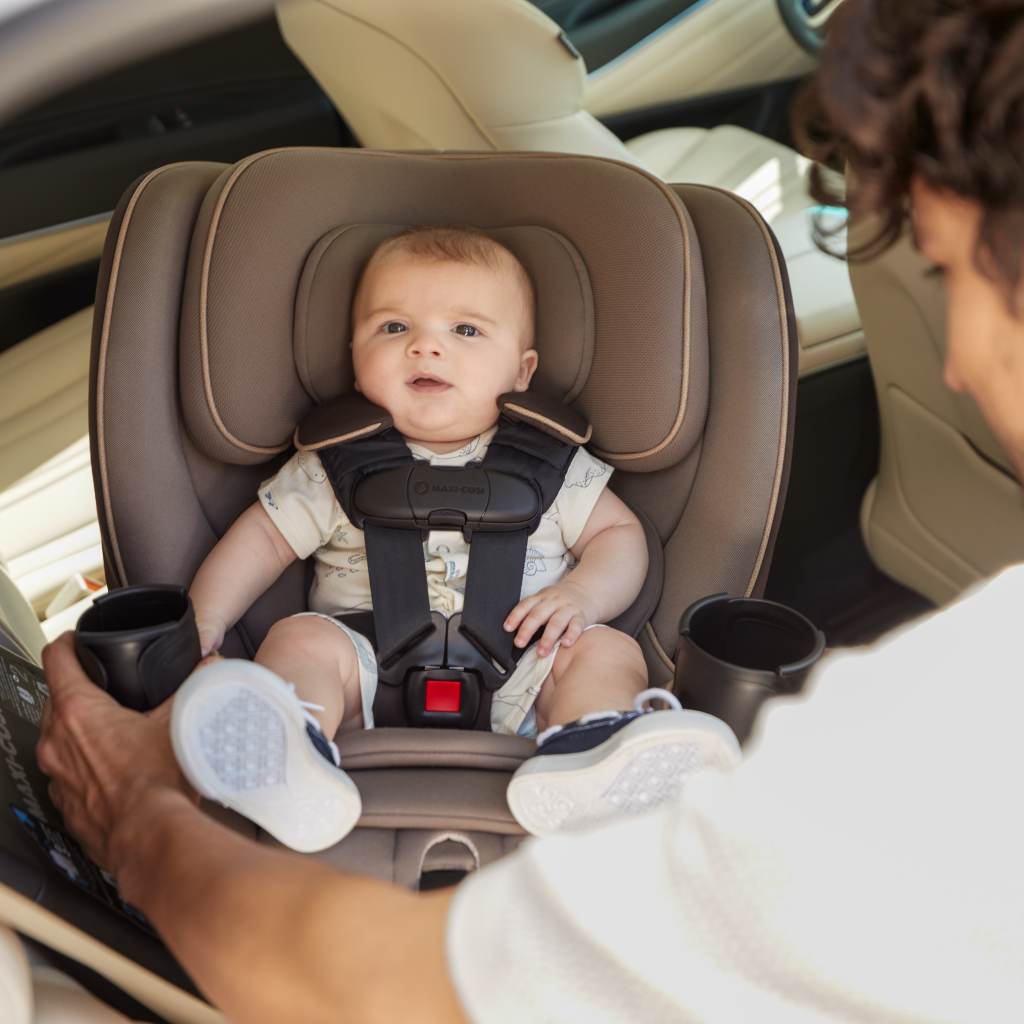
Are you wondering when it’s safe to turn your baby’s car seat forward? It’s a question every parent asks, but the answer isn’t always clear.
Making the switch too soon could put your little one at risk, while waiting too long might feel inconvenient. You want what’s best for your child’s safety and comfort, and understanding the right time to turn the seat forward is key.
Keep reading to discover the important signs and expert tips that will help you make the safest choice for your baby’s car seat transition.
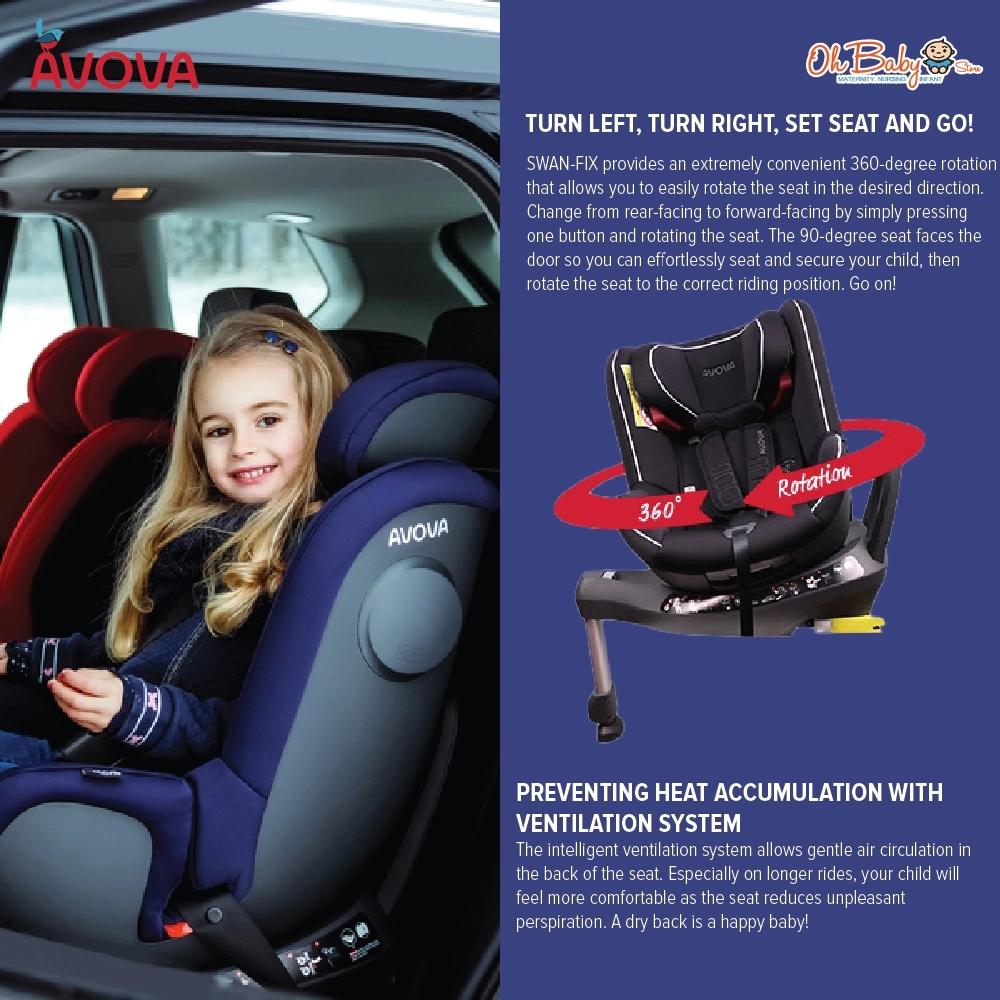
Credit: harubina.co.jp
Recommended Age And Weight Limits
Knowing the right time to turn your baby car seat forward is crucial for your child’s safety. It’s not just about age—weight and height play a big role too. Understanding these limits helps you make the best decision and keeps your little one secure on every trip.
Minimum Age For Forward Facing
Most safety experts recommend keeping your child rear-facing until at least 2 years old. This age allows the child’s neck and spine to develop enough to handle forward-facing impacts better. However, some toddlers may be ready sooner if they meet the weight and height requirements set by the car seat manufacturer.
Have you ever felt unsure if your child was ready to switch? Remember, rushing this step can increase risk, so patience pays off. You want to avoid the temptation to turn the seat forward just because your toddler wants a better view.
Weight And Height Guidelines
Weight limits usually start around 20 to 22 pounds for forward-facing seats. Height limits vary but are often near 29 to 31 inches. These numbers are crucial because they ensure the harness fits correctly and protects your child effectively.
| Car Seat Type | Minimum Weight | Maximum Weight | Height Limit |
|---|---|---|---|
| Rear-Facing | 5 lbs | 40 lbs | Up to 40 inches |
| Forward-Facing | 20-22 lbs | 65 lbs | Up to 49 inches |
Check your car seat manual closely. Some models allow forward-facing at higher weights or heights, giving your child extra time rear-facing. Adjusting the harness height and straps as your child grows is also key to maintaining safety.
Are you confident your child fits safely in their seat? Double-checking these numbers regularly can save you from unnecessary risk. Your vigilance protects your child far better than guessing when it’s time to switch.
Benefits Of Rear-facing Seats
Choosing to keep your baby in a rear-facing car seat longer than you might expect has clear benefits. These seats are designed to protect your little one’s head, neck, and spine better than forward-facing seats. Understanding why experts recommend rear-facing seats can help you make safer choices for your child’s travel.
Impact On Safety
Rear-facing seats support your baby’s head and neck by distributing the force of a crash across the entire back. Since infants have weaker neck muscles and larger heads, this design reduces the risk of serious injury. Have you noticed how much more stable your baby’s head feels in a rear-facing seat during sudden stops? That stability is key to safety.
Studies show that children in rear-facing seats are significantly less likely to suffer severe injury in accidents. This isn’t just about avoiding bumps; it’s about protecting your child’s most vulnerable parts during impact. When you keep your child rear-facing, you’re giving them the best chance at a safe ride.
Accident Protection
In a collision, especially a frontal crash, the forces push your child forward. A rear-facing seat acts like a shield, absorbing the impact and spreading it over the child’s back. This reduces the risk of head and spinal injuries dramatically.
- It cradles the child’s body and head together, preventing whiplash.
- It reduces the chance of the child’s head hitting the car interior or windows.
- It gives your child a better chance to survive severe crashes unscathed.
Have you ever wondered why airlines require infants to be rear-facing in airplane seats? The same principle applies to cars. This positioning gives your child the most protection when it matters the most.
Signs Your Baby Is Ready
Knowing when to turn your baby’s car seat forward is crucial for their safety and comfort. Watching for clear signs that your baby is ready helps you make this decision with confidence. These signs come from both their physical growth and how they behave in the car seat.
Physical Development Indicators
Your baby’s body strength and size are key clues. Look for a steady neck control—can your baby hold their head up without wobbling? This shows their muscles are strong enough to handle the new position.
Also, check your baby’s weight and height against the car seat’s forward-facing limits. Some babies outgrow rear-facing seats sooner than others. Has your baby reached about 20 pounds and is tall enough that their head doesn’t go beyond the seat’s top? That’s a green light.
Behavioral Readiness
How your baby acts in the car seat matters just as much. Is your child sitting up calmly and not trying to slump or turn around? This shows they’re comfortable and able to stay safely seated.
Have you noticed your baby seems more curious about the world ahead? Babies who want to look forward and interact with their surroundings often enjoy the forward-facing position. But if your baby fusses or seems uneasy when you shift their seat, it might be too soon.

Credit: www.bambibaby.com
Car Seat Types For Forward Facing
Choosing the right car seat for forward facing depends on your child’s age, weight, and height. Different seat types offer various features and safety levels. Understanding these types helps ensure the best protection for your child.
Convertible Seats
Convertible seats adapt as your child grows. They start as rear-facing seats for infants. When your child meets the size limit, you turn the seat forward facing. These seats usually support children from 5 to 65 pounds. They offer good longevity and safety.
Convertible seats have harnesses designed for younger kids. They provide extra padding and support. Many models include side-impact protection. They are bulkier but very sturdy and reliable.
Combination Seats
Combination seats switch from forward-facing with a harness to booster mode. They fit children typically weighing 22 to 100 pounds. These seats use a five-point harness at first. Later, the harness is removed for belt positioning.
Combination seats are great for older toddlers and preschoolers. They help kids use the car’s seat belt safely. Many feature adjustable headrests and recline options. These seats grow with your child through several stages.
Installation Tips For Forward Facing
Choosing to switch your child’s car seat to forward-facing is a significant step. Ensuring the installation is correct is crucial for safety. Understanding the process makes it easier and safer for your child. Here are some essential tips for installing a forward-facing car seat.
Proper Harness Adjustment
Adjust the harness so it fits snugly against your child’s body. Ensure the straps are at or just above the child’s shoulders. Check that you cannot pinch any extra webbing. A properly adjusted harness keeps your child secure.
Using The Latch System
The LATCH system helps secure the car seat firmly. Locate the lower anchors in your vehicle. Attach the car seat’s connectors to these anchors. Tighten until the seat does not move more than an inch. This ensures stability during travel.
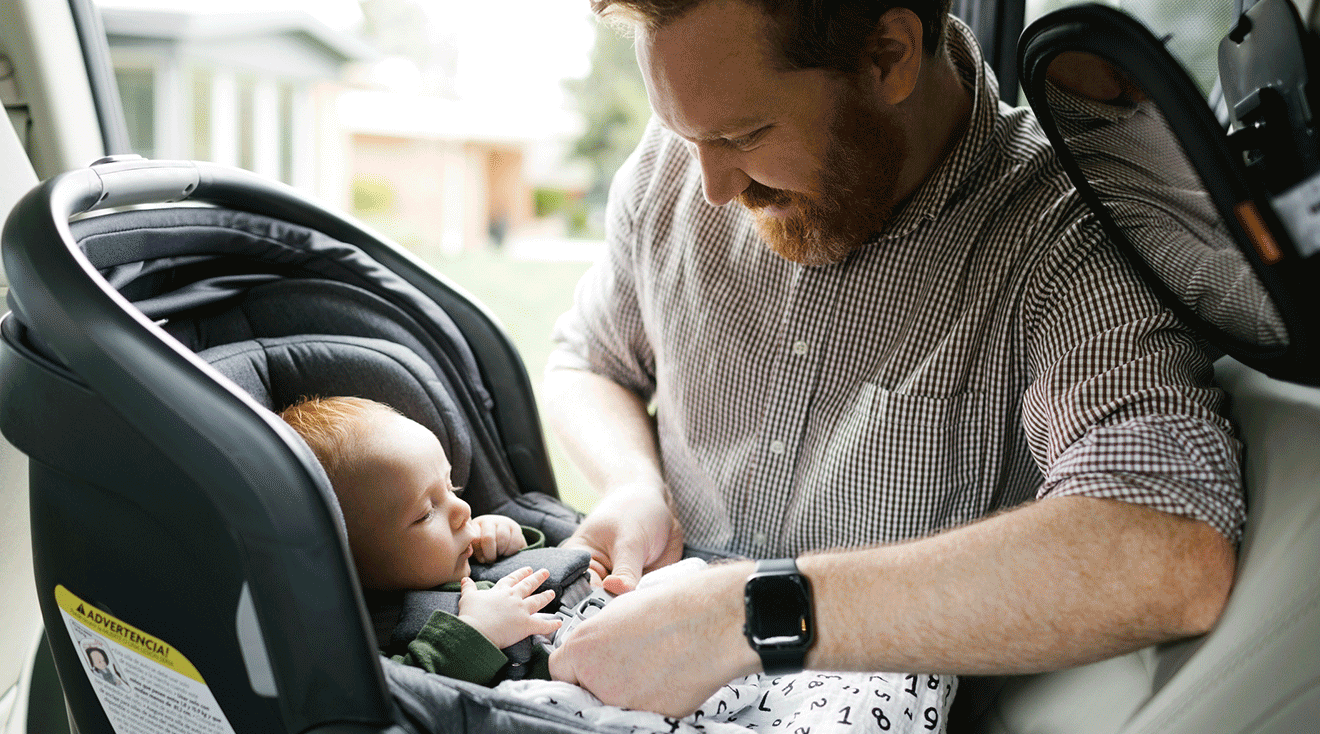
Credit: www.thebump.com
Common Mistakes To Avoid
Turning a baby car seat forward is a big step in a child’s safety journey. Many parents want to make the change quickly, but some common mistakes can put children at risk. Understanding these errors helps keep your child safe and comfortable during car rides.
Turning Too Early
Many parents switch to a forward-facing seat before the child is ready. Experts recommend keeping the seat rear-facing until the child meets the height or weight limits. Turning too early can increase the risk of injury during a crash. Rear-facing seats provide better protection for a baby’s head, neck, and spine.
Check your car seat manual for specific age, weight, and height guidelines. Waiting until your child is ready ensures maximum safety and reduces the chance of harm.
Incorrect Harness Positioning
Proper harness placement is crucial once the seat faces forward. The harness straps should be at or above your child’s shoulders. Straps that are too loose or too tight can cause serious problems in a crash.
Make sure the harness fits snugly against your child’s body. The chest clip must be at armpit level to keep straps in place. Incorrect harness positioning reduces the protection the car seat provides.
Legal Requirements And Recommendations
Understanding when you can turn your baby’s car seat forward is not just about convenience—it’s about following rules designed to keep your child safe. These rules vary depending on where you live and which safety experts you trust. Knowing the legal requirements and recommendations helps you make the best decision for your family’s safety.
State Laws
Every state has its own laws about when a child can switch from rear-facing to forward-facing car seats. These laws often depend on your child’s age, weight, and height.
- Some states require children to remain rear-facing until at least 2 years old.
- Others allow forward-facing earlier if the child meets certain size limits.
- Penalties for not following these laws can include fines or points on your driving record.
Have you checked your state’s official DMV website lately? The rules can change, and staying updated means you avoid unexpected penalties while protecting your child.
Safety Organization Guidelines
Leading safety organizations offer clear advice on when to turn your baby’s car seat forward. The American Academy of Pediatrics (AAP), for example, recommends keeping children rear-facing as long as possible—until they reach the maximum height or weight limit of their car seat.
- Rear-facing seats provide better support for your child’s head, neck, and spine during a crash.
- Forward-facing seats can increase the risk of injury if used too early.
- Many experts suggest waiting until your child is at least 2 years old, even if the law permits earlier changes.
Have you ever wondered why your pediatrician insists on rear-facing seats longer than the minimum legal requirement? It’s because safety guidelines prioritize your child’s well-being over convenience or outdated laws.
Transitioning To Booster Seats
A baby car seat can be turned forward once your child meets the height and weight limits set by the car seat maker. Always check the manual to keep your child safe during the transition. Moving too soon can increase the risk of injury in a crash.
Transitioning to Booster Seats As children grow, their car seat needs change. Transitioning to a booster seat is a significant step. It ensures safety and comfort on the road. Knowing the right time and safety measures is crucial.When To Switch
Children usually switch to booster seats around age four. Weight and height matter more than age. The child should weigh at least 40 pounds. Their head must sit above the car seat’s back. Ensure they can sit still for the whole trip.Booster Seat Safety
Safety comes first with booster seats. Use a lap and shoulder belt. The belt should rest across the chest, not the neck. The lap belt must fit low on the hips. Avoid placing it on the stomach. Install the booster seat in the back seat. Always follow the booster seat’s manual for installation. Regularly check the seat’s condition for wear and tear.Frequently Asked Questions
When Is It Safe To Turn Baby Car Seat Forward?
It is safe to turn your baby car seat forward once your child meets the height and weight limits. Usually, this is after they are at least 2 years old. Always follow manufacturer guidelines and local laws for the safest transition.
What Are The Height And Weight Limits For Forward-facing?
Height and weight limits vary by car seat model. Typically, forward-facing seats support children up to 40-65 pounds and up to 49 inches tall. Check your specific car seat manual to ensure your child fits these safety limits.
Why Should Babies Ride Rear-facing Longer?
Rear-facing seats better protect a baby’s head, neck, and spine during crashes. Experts recommend keeping children rear-facing until at least age 2 for maximum safety. This position absorbs crash forces more effectively than forward-facing seats.
How To Know If Baby Car Seat Is Ready To Turn?
Your baby’s age, weight, height, and neck strength indicate readiness. Confirm these meet or exceed car seat manufacturer recommendations. Also, ensure your child can sit up unassisted and support their head fully before switching.
Conclusion
Turning your baby’s car seat forward depends on age, weight, and height. Follow the car seat manual and safety guidelines carefully. Keep your child rear-facing as long as possible for better protection. Always check local laws about car seat rules.
Safety matters most. Regularly inspect the seat’s fit and harness. Ask a certified technician if unsure. Your child’s safety comes first.