
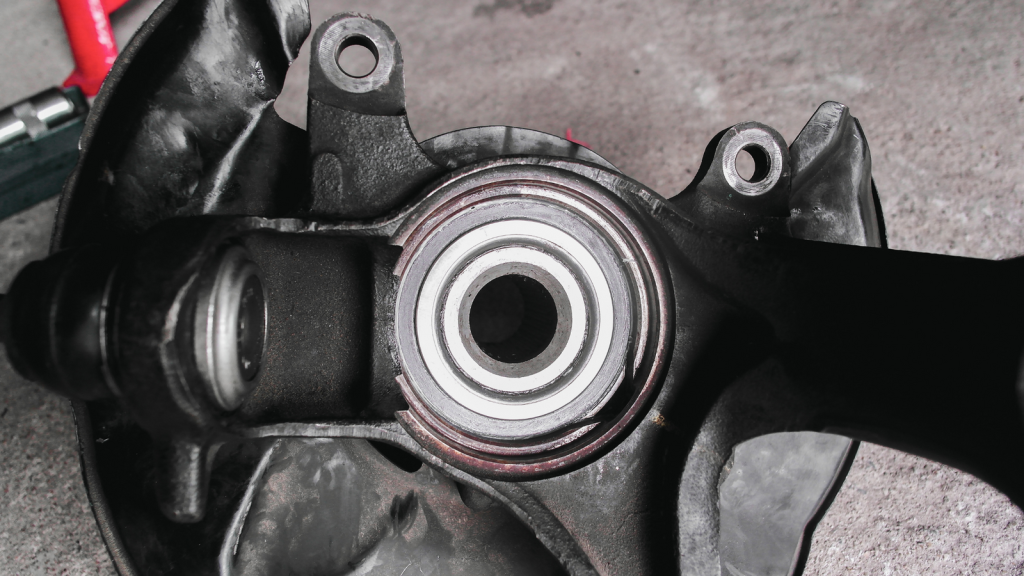
Have you ever wondered how long your car’s wheel bearings actually last? These small but essential parts play a big role in keeping your wheels turning smoothly and safely.
If you ignore them, you might face unexpected noises, poor handling, or even costly repairs. Knowing when to check and replace your wheel bearings can save you money and keep your driving experience safe and comfortable. Keep reading to discover the key signs of wear, how long wheel bearings typically last, and what you can do to protect your car’s performance.
Wheel Bearing Lifespan Factors
The lifespan of wheel bearings depends on several important factors that you might not always consider. Understanding these can help you predict when your car might need a bearing replacement and avoid unexpected breakdowns. Let’s break down the key elements that influence how long your wheel bearings last.
Material Quality
The quality of the materials used in your wheel bearings plays a huge role in their durability. Bearings made from high-grade steel or advanced alloys tend to resist wear and corrosion much better than cheaper alternatives.
Think about the last time you chose parts for your car—did you opt for OEM (original equipment manufacturer) or aftermarket? OEM bearings often offer better longevity because they meet the manufacturer’s strict standards.
Driving Conditions
Your daily driving habits and the environment you drive in affect bearing life more than you might realize. Rough roads, potholes, and frequent off-roading expose bearings to extra stress and dirt, which can wear them down faster.
Do you drive mostly in the city with lots of stop-and-go traffic or on highways? Constant braking and turning create more strain on the bearings. Also, wet or salty conditions, like coastal areas or winter roads, can accelerate corrosion.
Maintenance Practices
Proper maintenance can significantly extend the life of your wheel bearings. Regularly checking for noise, vibration, or play in the wheels can catch issues early before they cause bigger problems.
When was the last time you had your wheel bearings inspected or greased? Many modern sealed bearings are maintenance-free, but older models need periodic lubrication. Neglecting this can lead to overheating and premature failure.

Credit: www.facebook.com
Signs Of Worn Wheel Bearings
Worn wheel bearings cause several noticeable problems. Detecting these early helps prevent serious car damage. Signs of worn wheel bearings affect driving comfort and safety. Watch for noises, vibrations, and tire wear as key indicators.
Unusual Noises
Grinding or humming sounds often come from bad wheel bearings. These noises grow louder during turns or at higher speeds. Listen carefully for a constant rumble or clicking noise near the wheels.
Vibration And Steering Issues
Worn bearings can cause the steering wheel to vibrate or feel loose. You may notice difficulty controlling the car or a wobble while driving. These problems worsen as the bearing damage increases.
Uneven Tire Wear
Uneven tire wear may result from faulty wheel bearings. The tires wear more on one side due to poor wheel alignment. Check your tires regularly for irregular wear patterns that might signal bearing trouble.
Typical Mileage Range
Understanding the typical mileage range for wheel bearings can help you maintain your car’s performance and safety. Wheel bearings play a crucial role in ensuring smooth and efficient wheel rotation, and knowing when they might need replacement is essential for avoiding unexpected breakdowns. But how long do they actually last? Let’s dive into what you can expect in terms of mileage and other factors that influence their lifespan.
Average Lifespan In Miles
Wheel bearings typically last between 85,000 to 100,000 miles. This range can vary based on several factors, including driving conditions and maintenance practices. Regular inspections can help identify any wear and tear, potentially extending their life.
Consider keeping a maintenance log to track mileage and any signs of wear. This proactive approach can prevent premature failure and ensure your car runs smoothly.
Variations By Vehicle Type
Different vehicle types may experience varied wheel bearing lifespans. For instance, heavier vehicles like trucks and SUVs may exert more pressure on bearings, reducing their lifespan compared to lighter sedans.
Electric vehicles, on the other hand, often benefit from advanced engineering, potentially providing longer-lasting bearings. It’s worth researching your specific vehicle type to understand the expected lifespan better.
Impact Of Driving Style
Your driving style can significantly impact wheel bearing longevity. Aggressive driving, such as rapid acceleration and sharp turns, can increase wear and tear.
On the contrary, smooth and steady driving can help maintain optimal condition. Consider how your driving habits might affect not just your wheel bearings but other car components too.
Are there adjustments you can make to prolong the life of your car’s bearings? Reflecting on this can lead to better maintenance decisions and a more reliable vehicle.
Wheel Bearing Maintenance Tips
Keeping your wheel bearings in good shape extends their life and ensures your car runs smoothly. Simple maintenance steps can prevent costly repairs and keep your rides safe. Let’s look at some practical tips you can start applying today.
Regular Inspections
Check your wheel bearings regularly for any signs of wear or damage. Listen for unusual noises like humming or grinding when you drive, as these can hint at bearing problems. Also, feel for vibrations or looseness in the wheels during your routine checks.
Have you noticed a strange sound but ignored it? Catching issues early can save you from a complete wheel bearing failure on the road.
Proper Lubrication
Wheel bearings need the right amount of grease to work well. Too little lubrication causes friction and wear, while too much can trap dirt and moisture. Make sure to use the grease recommended by your vehicle’s manufacturer.
When you service your bearings, clean out the old grease completely before adding new grease. This simple step prevents contamination and keeps the bearings turning smoothly for longer.
Timely Replacement
Even with good care, wheel bearings won’t last forever. Replace them as soon as you notice persistent noise, roughness, or if your mechanic advises it. Waiting too long can lead to wheel damage or even accidents.
Think about how much you rely on your car every day. Isn’t it worth investing in timely replacements to avoid sudden breakdowns?
Replacement Process Overview
Replacing wheel bearings is essential for safe driving and smooth vehicle performance. This process involves removing the old bearing and installing a new one. It requires careful handling to avoid damage to other parts. Understanding the replacement steps helps in deciding between doing it yourself or hiring a professional. Proper tools and knowledge are key for a successful replacement.
Diy Vs Professional Service
Doing the replacement yourself saves money but needs skill and time. You must have a good workspace and follow safety rules. Professionals have experience and special tools. They complete the job faster and guarantee their work. Choose DIY for simple cases or when confident in your skills. Opt for professional help if unsure or without proper tools.
Tools Needed
- Jack and jack stands to lift the car safely
- Lug wrench to remove wheel nuts
- Socket set and wrenches for bolts
- Hammer and punch for bearing removal
- Bearing puller or press for difficult bearings
- Torque wrench to tighten bolts correctly
- Grease and cleaning supplies for lubrication
Cost Considerations
Parts cost depends on vehicle make and bearing type. Wheel bearings usually range from $20 to $100 each. Labor costs vary widely, often between $100 and $300. DIY saves on labor but may require tool purchase. Incorrect installation can lead to costly repairs later. Weigh parts, labor, and tool costs before deciding the replacement method.

Credit: unsealed4x4.com.au
Preventing Premature Wheel Bearing Failure
Keeping your wheel bearings in good shape can save you from unexpected repairs and costly replacements. Premature wheel bearing failure often happens because of habits and conditions you can control. Paying attention to how you drive and care for your car makes a big difference in how long these crucial parts last.
Avoiding Harsh Driving
Sudden stops, fast turns, and aggressive acceleration put extra stress on your wheel bearings. Each jolt and shake speeds up wear and tear. Think about your last drive—did you slam on the brakes or take sharp corners quickly? Slowing down your driving style can extend your wheel bearings’ life significantly.
Driving carefully on rough roads also matters. Potholes and uneven surfaces can knock your bearings out of alignment or cause damage. If you can’t avoid bad roads, try to drive slower and more gently over them.
Protecting From Water And Dirt
Wheel bearings are sealed, but those seals aren’t invincible. Water and dirt sneaking into the bearings lead to corrosion and grinding damage. After driving through deep puddles or muddy areas, it’s smart to check your wheel area for signs of moisture or grime buildup.
Washing your car regularly helps remove dirt that can harm the seals. But be careful not to use high-pressure water jets directly on the wheel hubs—they can force water into the bearings. Simple steps like parking in a garage or covered area also protect from harsh weather conditions.
Routine Vehicle Care
Regular maintenance is your best defense against wheel bearing failure. Getting your wheel bearings inspected during tire rotations or brake checks can catch problems early. If you hear a humming or grinding noise while driving, don’t ignore it—these sounds often signal bearing issues.
Greasing the bearings when recommended by your car’s manual keeps them lubricated and running smoothly. Keeping your tires properly inflated and aligned reduces extra strain on the bearings too. How often do you schedule routine checks? Making it part of your driving routine prevents surprises on the road.

Credit: www.carparts.com
Frequently Asked Questions
How Long Do Wheel Bearings Typically Last?
Wheel bearings usually last between 85,000 to 100,000 miles. Proper maintenance and driving conditions can extend their lifespan. Regular inspections help identify wear early, preventing failure and costly repairs.
What Are Signs Of Failing Wheel Bearings?
Common signs include humming or growling noises, uneven tire wear, and vibration in the steering wheel. A loose or wobbly wheel also signals bearing issues. Addressing these early ensures safety and prevents damage.
Can I Replace Wheel Bearings Myself?
Replacing wheel bearings requires mechanical knowledge and special tools. DIY replacement is possible but challenging. It’s recommended to seek professional help for accurate installation and safety assurance.
Does Driving Style Affect Wheel Bearing Lifespan?
Yes, aggressive driving and rough terrain accelerate bearing wear. Smooth driving and avoiding potholes can prolong bearing life. Regular maintenance further helps maintain optimal performance.
Conclusion
Wheel bearings usually last between 75,000 and 100,000 miles. Driving style and road conditions can change this. Regular checks help catch problems early. Listen for noises like grinding or humming sounds. Replacing worn bearings keeps your car safe and smooth.
Don’t ignore warning signs; they can lead to bigger issues. Proper care extends the life of your wheel bearings. Keep an eye on them to avoid costly repairs later.