
How Much to Fix a Wheel Bearing on a Car: If you’ve noticed a strange humming noise or felt your car pulling to one side, your wheel bearing might be the culprit. Fixing a wheel bearing is not just about comfort—it’s about your safety on the road.
But how much should you expect to pay for this repair? Knowing the cost upfront can save you from surprises and help you make smart decisions for your car and your budget. Keep reading, and you’ll discover everything you need to know about fixing a wheel bearing, so you’re prepared for what’s ahead.

Credit: www.instagram.com
Signs Of A Bad Wheel Bearing
Spotting the signs of a bad wheel bearing early can save you from costly repairs and dangerous driving conditions. Wheel bearings are crucial for smooth wheel rotation, and when they fail, your car sends clear signals. Paying attention to these warnings helps you know when it’s time to fix or replace the bearing.
Noise And Vibration
One of the most common signs of a failing wheel bearing is a strange noise coming from your wheels. You might hear a humming, grinding, or growling sound that gets louder as you speed up. Sometimes, you’ll feel a vibration in the steering wheel or vehicle body, especially when turning.
Have you ever noticed a noise that changes with your car’s speed but disappears when you turn slightly? That’s a classic sign of uneven bearing wear. Ignoring these noises can lead to more severe damage or even wheel failure.
Uneven Tire Wear
Uneven or rapid tire wear can point directly to a bad wheel bearing. If the bearing is worn out, it allows excessive play in the wheel, causing the tire to wear unevenly. Check your tires closely for unusual wear patterns—especially on one side.
Uneven tire wear doesn’t just shorten tire life; it also affects your car’s handling and safety. Have you inspected your tires lately? This simple check might reveal hidden issues with your wheel bearings.
Abs Warning Light
Your car’s ABS (Anti-lock Braking System) warning light can illuminate if a wheel bearing is failing. Many modern vehicles have sensors built into the wheel hub, and a bad bearing can interfere with these sensors. This triggers the ABS light on your dashboard.
Don’t ignore this warning—while the ABS light can mean several things, a faulty wheel bearing is a serious cause. Have you noticed this light coming on without any obvious brake problems? It’s worth getting your wheel bearings inspected immediately.
Factors Influencing Repair Costs
Repairing a wheel bearing isn’t a one-size-fits-all job. Various factors can significantly impact the total cost you’ll face. Understanding these can help you budget better and avoid surprises at the mechanic’s shop.
Car Make And Model
Your car’s make and model play a big role in how much you’ll pay. Luxury brands like BMW or Mercedes often have pricier parts and more complex assemblies. On the other hand, common models like Honda or Toyota usually have cheaper, readily available parts, which can lower your cost.
Think about your own car: is it older or newer? Newer models sometimes require special tools or updated parts that can raise the price. It’s worth checking your specific model’s repair history or asking your mechanic about any model-specific challenges.
Labor Rates
Labor costs vary widely depending on where you live and the shop you choose. Urban areas and dealerships often charge more per hour than small, independent garages. The complexity of the repair also affects labor time—some wheel bearings are tucked away and take longer to access.
Have you ever noticed how some shops give a flat rate while others charge by the hour? Knowing this can help you decide where to take your car. Always ask for a clear estimate before agreeing to repairs.
Parts Quality
The quality of parts you choose directly influences repair costs and the longevity of the fix. OEM (Original Equipment Manufacturer) parts generally cost more but match your car’s specifications perfectly. Aftermarket parts can be cheaper but vary in quality—some might save you money upfront but cause issues later.
When I replaced a wheel bearing on my own car, I went for a mid-range aftermarket part and saved a bit. However, I learned the hard way that cheaper isn’t always better, as it wore out faster than expected. What kind of balance are you comfortable with between cost and reliability?
Average Cost Breakdown
When your car starts making strange noises or feels less stable, it might be time to check the wheel bearings. Understanding the average cost breakdown can help you plan and budget for this essential repair. Let’s dive into the specifics of parts, labor, and any additional fees you might encounter.
Parts Price Range
Wheel bearings vary in price depending on the make and model of your vehicle. Generally, you can expect to pay between $50 to $200for the parts alone. High-performance or specialty vehicles might push this range higher. Consider shopping around online or at local auto shops to find competitive pricing. Have you ever thought about purchasing parts separately to save on costs?
Labor Charges
Labor is often the largest chunk of your repair bill. Depending on the complexity of the replacement, labor charges can range from $150 to $300. A typical job might take a few hours, but if your car requires additional dismantling, costs can climb. Are you aware that a dealership might charge more than a local mechanic?
Additional Fees
Don’t forget about potential extra costs. Taxes, shop supplies, and disposal fees can add to your total. Some places might charge for diagnostics if they’re not sure what’s causing the issue. These fees can range from $20 to $50. Have you ever found unexpected charges on your bill?
Diy Vs Professional Repair
Deciding whether to fix a wheel bearing yourself or hire a professional can save you both time and money—but it also comes with trade-offs. Understanding the tools, skills, risks, and benefits involved can help you make a choice that fits your situation. Are you ready to dive into what it really takes to tackle this repair?
Tools Required
Fixing a wheel bearing isn’t something you can do with just a basic wrench. You’ll need a range of specialized tools like a jack, jack stands, a socket set, a torque wrench, and sometimes a bearing press or puller. Renting or buying these tools can add to the cost and complexity.
Professionals already have all the necessary equipment, which means you won’t have to worry about investing upfront. But if you enjoy working on your car and already own some tools, this might be a chance to put them to good use.
Skill Level Needed
Replacing a wheel bearing requires a moderate to high skill level. You need to safely lift the car, remove the wheel and brake components, and carefully extract and replace the bearing without damaging other parts.
If you’ve never done this before, the process can be frustrating and time-consuming. On the other hand, if you’re confident with automotive repairs, this could be a rewarding project that boosts your skills.
Risks And Benefits
DIY repair can save you money—sometimes hundreds of dollars—but mistakes can lead to bigger problems like uneven tire wear or even unsafe driving conditions. Are you prepared to take that risk?
Hiring a professional means the job is done right the first time with a warranty to back it up. It costs more but gives peace of mind, especially if you rely on your car daily.
Think about your comfort level and how much your time is worth. Would the satisfaction of fixing it yourself outweigh the convenience of a professional job?
Preventive Maintenance Tips
Keeping your wheel bearings in good shape is easier than fixing them after they fail. Preventive maintenance saves you from unexpected expenses and unsafe driving conditions. By taking a few simple steps, you can extend the life of your wheel bearings and avoid costly repairs.
Regular Inspections
Check your wheel bearings during routine car inspections. Look out for unusual noises like humming or grinding when you turn the steering wheel or drive over bumps. If you catch these signs early, you can address minor issues before they escalate.
Try to inspect your wheels every few months, especially after long trips or driving on rough roads. You don’t need special tools; a simple shake test—grasping the tire and moving it back and forth—can reveal looseness in the bearing. Have a mechanic check immediately if you notice any play or noise.
Proper Tire Care
Your tires affect wheel bearing health more than you might realize. Keep your tires properly inflated to reduce uneven pressure on bearings. Driving on underinflated or overinflated tires strains the wheel hub and bearings, causing premature wear.
Rotate your tires regularly to ensure even wear. This balances the load on each bearing, helping them last longer. Also, avoid hitting potholes or curbs hard, as sudden shocks can damage bearings or misalign wheels.
Timely Repairs
Don’t delay fixing small wheel-related problems. If you hear strange noises or feel vibrations, get your car inspected promptly. Waiting can turn a simple bearing replacement into a more expensive repair involving the hub or axle.
Think about the last time you ignored a slight noise from your wheels. Did it lead to bigger issues? Acting quickly not only saves money but keeps your car safer on the road. Your wheel bearings work hard—show them some care before they demand attention.

Credit: culturauas.mx
When To Replace Instead Of Repair
Deciding whether to repair or replace a wheel bearing depends on the extent of the damage and its impact. Sometimes repair is enough, but certain signs show replacement is necessary. Understanding these signs helps avoid further issues and high costs later. Safety should always guide your choice.
Severe Damage Signs
Some signs clearly indicate severe damage to the wheel bearing.
- Loud grinding or humming noise while driving
- Wheel vibration or wobbling
- Excessive play or movement in the wheel
- Grease leaking around the wheel hub
- ABS warning light turning on
These symptoms show the bearing may be too worn or broken to fix.
Cost Comparison
Repairing a wheel bearing might cost less initially.
Replacing it often costs more but lasts longer and prevents further damage.
| Service | Estimated Cost |
|---|---|
| Wheel Bearing Repair | $50 – $150 |
| Wheel Bearing Replacement | $150 – $400 |
Choosing replacement can save money by avoiding repeated repairs and damage.
Safety Considerations
Worn wheel bearings affect vehicle control and braking ability.
Driving with bad bearings risks wheel lock-up or detachment.
Replacing bearings ensures stable handling and reduces accident risk.
Prioritize safety over cost to protect yourself and others.

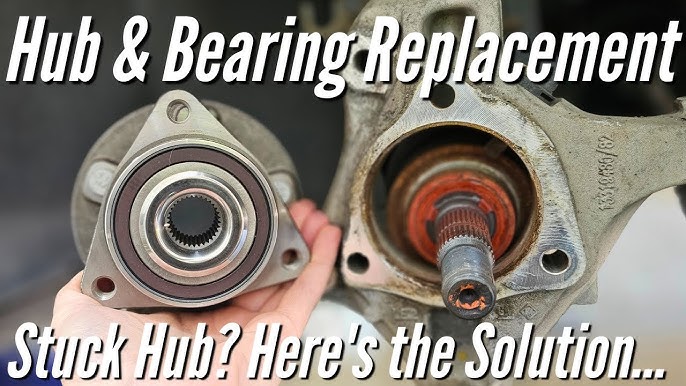
Credit: www.youtube.com
Frequently Asked Questions
How Much Does It Cost To Replace A Wheel Bearing?
Replacing a wheel bearing typically costs between $150 and $400. Labor and parts prices vary by car model and location. Luxury vehicles may incur higher costs. Always get a detailed quote from your mechanic before proceeding.
What Factors Affect Wheel Bearing Replacement Cost?
Costs depend on car make, model, and labor rates. Parts quality and regional pricing also influence the total expense. Additional repairs may increase the final bill. It’s best to get multiple quotes for comparison.
How Long Does Wheel Bearing Repair Usually Take?
Wheel bearing replacement generally takes 1 to 2 hours. The time varies based on vehicle complexity and technician skill. Quick service reduces labor costs. Scheduling an appointment can help avoid long wait times.
Can I Drive With A Bad Wheel Bearing?
Driving with a bad wheel bearing is unsafe. It causes noise, vibration, and can lead to wheel failure. Immediate repair is recommended to avoid accidents and costly damage.
Conclusion
Fixing a wheel bearing usually costs between $150 and $400. Prices depend on your car model and labor charges. Acting quickly helps avoid bigger problems and extra costs. Quality parts and proper work keep your car safe and smooth. Regular check-ups spot issues before they get worse.
Choose a trusted mechanic for the best results. Keep your car in good shape by addressing wheel bearing problems early. Safe driving starts with well-maintained wheels.