
Have you ever wondered how your front wheel drive car manages to turn smoothly without skidding or losing control? If you’re curious about what makes your car’s wheels work together so seamlessly, understanding whether front wheel drive cars have a differential is key.
This simple yet powerful component plays a crucial role in your driving experience. Keep reading, and you’ll discover how this part works, why it matters to your safety and performance, and what makes front wheel drive cars unique. By the end, you’ll have a clear picture of what’s happening beneath your wheels every time you hit the road.

Credit: en.wikipedia.org
Role Of A Differential
A differential is an important part of many cars. It helps the wheels turn at different speeds.
This is very useful when a car turns a corner. Front wheel drive cars also use a differential.
Purpose In Vehicles
The differential allows the wheels to spin at different speeds. This helps during turns.
Without a differential, the wheels would have to spin at the same speed. This can cause tire wear and poor handling.
- Makes turning easier and smoother
- Prevents tire damage
- Improves vehicle control
How It Works
The differential connects to the engine and the wheels. It splits power between the wheels.
When the car turns, one wheel moves faster than the other. The differential adjusts the speed for each wheel.
- Power comes from the engine to the differential
- Differential lets wheels turn at different speeds
- Helps the car turn smoothly without slipping

Credit: cartalk.pandahub.com
Front Wheel Drive Basics
Front wheel drive cars send power from the engine to the front wheels. This setup helps with traction and control, especially in slippery conditions.
Understanding how front wheel drive works can clarify why it uses certain components like a differential.
Drivetrain Layout
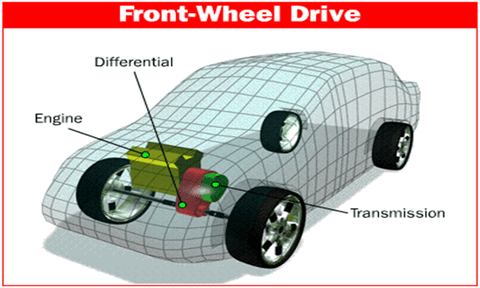
In front wheel drive cars, the engine is usually placed at the front. The transmission connects to the engine and sends power to the front wheels.
- The engine produces power.
- The transmission controls power delivery.
- The differential splits power to each front wheel.
- Drive shafts transfer power to the wheels.
Common Components
Several parts work together to make front wheel drive cars move smoothly. The differential is one key part that allows the front wheels to turn at different speeds.
| Component | Function |
| Engine | Generates power |
| Transmission | Controls power flow |
| Differential | Allows wheel speed difference |
| Drive Shafts | Transfer power to wheels |
Differential In Front Wheel Drive Cars
The differential is an important part of many cars. It helps wheels turn at different speeds. This is needed when the car turns corners.
Front wheel drive cars also have differentials. They work differently than those in rear wheel drive cars. Let’s look at where they are and what types are used.
Presence And Placement
Front wheel drive cars have a differential built into the transmission. This is called a transaxle. It combines the transmission and differential in one unit.
- The differential is located at the front of the car.
- It splits power between the two front wheels.
- This helps the wheels turn at different speeds during cornering.
- It also helps improve traction and handling.
Types Used
Front wheel drive cars use different types of differentials. Each type has its own way of working and benefits.
| Type | Description | Common Use |
| Open Differential | Allows wheels to turn at different speeds freely. | Most basic front wheel drive cars. |
| Limited Slip Differential | Limits speed difference to improve traction. | Sports and performance cars. |
| Torque Vectoring Differential | Distributes torque to improve cornering and grip. | High-end and sporty front wheel drive cars. |
Benefits Of Front Wheel Drive Differentials
Front wheel drive cars have a differential that helps distribute power to the wheels. This part improves how the car moves on different roads.
The differential in front wheel drive vehicles offers key benefits. It helps with traction and handling, making driving safer and more comfortable.
Improved Traction
The front differential sends power to the wheels that need it most. This helps the car keep grip on slippery or uneven surfaces.
- Prevents wheel slip on wet or icy roads
- Distributes power to the wheel with better contact
- Improves stability during acceleration
- Helps the car move forward on loose gravel or dirt
Enhanced Handling
The differential allows each front wheel to turn at different speeds. This improves cornering and steering control for the driver.
| Handling Benefit | How It Helps |
| Smoother Turns | Wheels rotate at different speeds on curves |
| Better Steering | Reduces tire wear and strain on the steering system |
| Increased Safety | Maintains control during sharp or quick turns |
Common Issues And Maintenance
Front wheel drive cars have a differential that helps the wheels turn at different speeds. This is important for smooth turns and better control. Like all parts, the differential can face problems over time.
Regular checks and care keep the differential working well. This helps avoid costly repairs and keeps your car safe to drive.
Signs Of Wear
Watch for noises like whining or clunking when turning. These sounds can mean the differential is worn out. Leaking fluid under the car is another sign.
You may also feel vibrations when driving. If the car pulls to one side, the differential might need attention.
- Whining or clunking noises during turns
- Leaking fluid near the front wheels
- Vibrations while driving
- Car pulls to one side
Maintenance Tips
Check the differential fluid regularly and change it as the manual says. Clean fluid helps the parts move smoothly and last longer.
Inspect seals and gaskets to stop leaks. Keep the tires properly inflated and aligned to reduce stress on the differential.
- Change differential fluid on schedule
- Check for leaks and fix seals
- Keep tires inflated and aligned
- Listen for unusual noises when turning
Credit: carbuzz.com
Comparing With Rear Wheel Drive Differentials
Front-wheel drive cars have a differential, just like rear-wheel drive cars. Differentials help wheels turn at different speeds, which is important for smooth turns.
There are key differences in how these systems are designed and how they affect car performance. Understanding these can help you choose the right type for your needs.
Design Differences
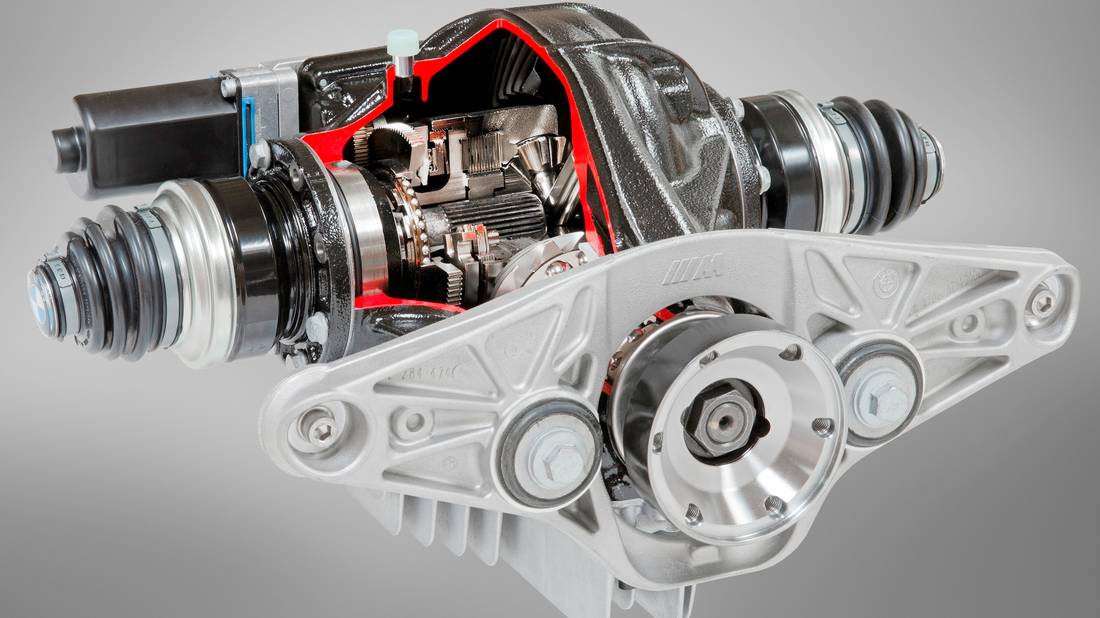
Front-wheel drive differentials are located in the transaxle. This is because the engine and transmission are at the front.
Rear-wheel drive differentials are at the back. They connect to the wheels through a drive shaft.
- Front-wheel drive: Compact design
- Rear-wheel drive: Uses a drive shaft
- Front-wheel drive: Often lighter
- Rear-wheel drive: Better balance
Performance Variations
Front-wheel drive cars often have better traction in bad weather. The weight of the engine is over the drive wheels.
Rear-wheel drive cars can provide better handling. They distribute weight more evenly across the car.
- Front-wheel drive: Good in snow and rain
- Rear-wheel drive: Better for high-speed control
- Front-wheel drive: Can understeer in turns
- Rear-wheel drive: Can oversteer
Frequently Asked Questions
Do Front Wheel Drive Cars Have A Differential?
Yes, front wheel drive cars have a differential. It allows the front wheels to rotate at different speeds. This is essential for smooth cornering and better handling. Without a differential, turning would cause tire wear and drivetrain strain.
How Does A Differential Work In Fwd Cars?
In FWD cars, the differential splits engine torque between the front wheels. It lets each wheel rotate independently, especially during turns. This improves traction and prevents wheel slip. The differential ensures power delivery is smooth and balanced on varying road conditions.
Why Is A Differential Important In Front Wheel Drive Vehicles?
A differential prevents tire scrubbing and drivetrain damage during turns. It allows each front wheel to spin at different speeds. This ensures safer handling and better control. Without it, steering would be difficult and components would wear out faster.
Can Front Wheel Drive Cars Function Without A Differential?
No, front wheel drive cars cannot function properly without a differential. It is crucial for distributing power evenly to front wheels. Without it, turning would cause severe mechanical issues and poor vehicle performance. The differential is an essential drivetrain component.
Conclusion
Front wheel drive cars do have a differential. It helps the wheels turn at different speeds. This is important when the car turns corners. Without a differential, the wheels would slip or wear out quickly. The differential keeps the car smooth and safe to drive.
Knowing this helps you understand how your car works. It also shows why car parts matter for good performance. Remember, the differential plays a key role in front wheel drive cars. Simple but important.