
Are your wiper blades leaving streaks or missing spots? Choosing the right wiper blades for your car might seem simple, but using the wrong ones can affect your visibility and safety on the road.
You want clear vision during rain, snow, or fog, and the perfect fit is key to that. You’ll discover how to find wiper blades that match your car perfectly. Keep reading, and you’ll never have to worry about poor visibility again.

Credit: www.amazon.com
Types Of Wiper Blades
Wiper blades come in different types, each designed for specific needs. Choosing the right type can improve your visibility during rain or snow. Understanding these types helps match the blades to your car’s requirements. Below are the main types of wiper blades available.
Conventional Blades
Conventional blades have a metal frame that holds the rubber strip. This frame presses the rubber evenly against the windshield. They are affordable and widely available. Their design works well in most weather conditions but can wear out faster in extreme weather.
Beam Blades
Beam blades have a sleek, one-piece design without a metal frame. They use flexible rubber that adapts to the shape of the windshield. This design improves wiping performance and reduces wind lift. Beam blades last longer and work well in snow and ice.
Hybrid Blades
Hybrid blades combine features of conventional and beam blades. They have a metal frame covered by a protective rubber shell. This design offers durability and smooth wiping. Hybrid blades provide good performance in various weather conditions and last longer than conventional blades.
Measuring Your Wiper Blades
Measuring your wiper blades accurately is essential to ensure they fit your car perfectly and work effectively. Using the wrong size can lead to streaks, missed spots, or even damage to your windshield. Taking a few moments to check the measurements will save you from unnecessary trips to the store and improve your driving visibility.
Checking Blade Length
Start by lifting the wiper arm off the windshield and measuring the rubber blade from end to end. Avoid including the metal or plastic frame in your measurement—just focus on the rubber edge that makes contact with the glass.
Use a tape measure or a ruler for this task. If your blades are old and worn, measure the intact part where the rubber still touches the windshield. Remember, even a half-inch difference in length can affect the blade’s performance.
Have you ever bought new blades only to find they were too short or long? Measuring before buying prevents that frustration and ensures a smooth wipe every time.
Front Vs Rear Wiper Sizes
Many cars have different wiper blade sizes for the front and rear windows. The front wipers are usually longer to cover a bigger area, while the rear wiper tends to be shorter and sometimes has a different attachment type.
Check your car’s manual or measure both front and rear blades separately. Don’t assume the rear blade matches the front—this mistake often leads to buying the wrong size.
If your vehicle has dual front wipers of different lengths, measure both sides individually. Keeping a list of these measurements helps when shopping online or at an auto parts store.
Matching Wiper Blades To Your Car
Finding the right wiper blades for your car might seem straightforward, but matching them correctly ensures clear visibility and safer driving. Using the wrong size or type can lead to streaks or even damage your windshield. Let’s look at simple ways to identify the perfect fit for your vehicle.
Using Vehicle Make And Model
Your car’s make and model are key pieces of information when shopping for wiper blades. Different manufacturers use various blade sizes and attachment styles, even among models from the same brand.
Check the year of your car as well, since wiper blade designs can change between model years. For example, a 2015 Honda Civic may use different blades than a 2020 model.
Have you ever bought blades just by guessing the size? It often leads to frustration and wasted money.
Consulting Owner’s Manual
The owner’s manual is your most reliable guide for wiper blade specifications. It lists exact blade lengths and recommended types, saving you time and guesswork.
Look under sections labeled “maintenance” or “wipers.” If you don’t have a physical copy, many manuals are available online on the manufacturer’s website.
Trusting the manual helps avoid trial and error. It’s like having a direct answer from the car maker themselves.
Online Compatibility Tools
Many auto parts websites offer tools where you enter your car’s details to find compatible wiper blades instantly. These tools filter options by your specific vehicle, making selection easier.
Some sites even show user reviews and installation tips, which can help you pick blades that perform well in real-world conditions.
Have you tried one of these tools? They often reveal options you might not find just browsing shelves or general catalogs.

Credit: www.amazon.com
Wiper Arm Types And Attachments
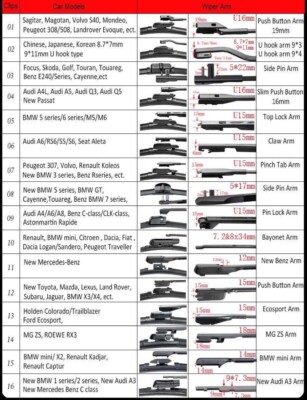
Understanding your car’s wiper arm type is key to finding the right wiper blades. Each arm type has a unique attachment style, which affects how the blade fits and functions. Knowing these differences helps you avoid buying incompatible blades that won’t attach properly or may fall off during use.
Take a moment to check your current wiper arms. Are they easy to remove? Do they have a visible hook or pin? Identifying the arm type can save you time and frustration at the store or online.
Hook Arm
The hook arm is the most common wiper arm type you’ll encounter. It features a J-shaped hook that the wiper blade clips onto securely.
Replacing blades with a hook arm is straightforward. You simply snap the new blade onto the hook. This design works well for many car models, making blade replacement quick and hassle-free.
Pin Arm
Pin arms use a small metal or plastic pin to hold the blade in place. The blade has a hole or slot that fits over this pin.
This type can be tricky if you don’t know what to look for. If you try to fit a blade meant for hook arms, it won’t attach correctly. Double-check if your arm has a pin before ordering new blades.
Bayonet Arm
Bayonet arms have a flat, straight attachment point. The blade slides onto this arm and locks with a clip.
This design is less common but worth knowing about. Blades made for bayonet arms often have a unique connector. If your blade doesn’t lock in place, it might be the wrong attachment style.
Side Lock Arm
Side lock arms have a small latch on the side of the wiper arm. The blade clicks into this latch securely.
Replacing these blades requires pressing or sliding the latch to release the old blade. If you force a blade with a different attachment, you risk damaging the arm or blade. Always confirm your car uses side lock arms before purchasing.
Material And Performance Considerations
Choosing the right wiper blades for your car involves more than fitting them to your vehicle. The material and performance of the blades significantly affect their efficiency. Understanding the difference between rubber and silicone blades, as well as how weather impacts performance, can guide your decision.
Rubber Vs Silicone Blades
Rubber wiper blades are commonly used and affordable. They provide decent performance in regular weather conditions. However, they tend to wear out faster, especially in extreme temperatures.
Silicone blades offer a longer lifespan. They perform well in various weather conditions. Their resistance to UV rays and harsh temperatures makes them durable. They also maintain flexibility in cold weather.
Weather And Climate Impact
Weather plays a crucial role in wiper blade performance. In rainy climates, blades need to clear water efficiently. Silicone blades excel in repelling water, providing clearer vision.
In colder regions, ice and snow can impact blade performance. Silicone blades remain flexible in freezing temperatures. This flexibility ensures effective performance in winter.
For those in hot climates, UV rays can degrade rubber blades. Silicone blades resist UV damage, ensuring a longer lifespan. Consider your local climate when choosing wiper blades for optimal performance.
Installing New Wiper Blades
Installing new wiper blades might seem simple, but doing it right ensures clear visibility and safer drives. You don’t need special tools—just a bit of patience and attention to detail. Let’s break down the process so you can replace your wiper blades confidently and avoid common pitfalls.
Step-by-step Installation
- Lift the wiper arm away from the windshield until it stays upright on its own.
- Find the small tab or button on the wiper blade where it connects to the wiper arm.
- Press the tab and slide the old blade off the arm carefully.
- Align the new blade’s connector with the arm and slide it in until you hear a click.
- Gently lower the wiper arm back onto the windshield.
- Test the new blades by spraying windshield washer fluid and running the wipers.
Did you know some cars use different hook styles like pin arms or bayonet arms? Checking your vehicle’s manual or the blade packaging can save you from buying the wrong type.
Common Installation Mistakes
- Forgetting to lift the wiper arm fully, which can cause it to snap back and damage your windshield.
- Not ensuring the blade clicks securely onto the arm, leading to loose or flying-off blades.
- Installing the blade backward, which reduces wiping efficiency and can scratch glass.
- Ignoring the size difference between driver and passenger side blades, affecting coverage.
- Using excessive force to install, risking bending the wiper arm.
Ever tried replacing blades in a hurry and ended up with streaks or noise? Taking your time and following these simple checks can make all the difference. What’s your experience with wiper blade installation—smooth or frustrating?
Maintaining Wiper Blades For Longevity
Maintaining wiper blades is key to keeping them working well for a long time. Clean blades clear water better and help you see clearly while driving. Regular care stops damage and wear, saving money on early replacements. Simple habits keep blades flexible and effective through all weather.
Cleaning Tips
- Use a soft cloth or sponge with mild soap and water.
- Wipe blades gently to remove dirt and grime.
- Clean both the rubber edge and the metal frame.
- Remove debris like leaves or bugs that stick to the blades.
- Dry blades with a clean cloth before use.
- Clean blades once every two weeks for best results.
Signs To Replace
- Streaks or smears appear on the windshield after wiping.
- Blades make a chattering or squeaking noise during use.
- Rubber edges look cracked, torn, or brittle.
- Wipers miss spots or leave water behind.
- Blades skip or lift off the glass while wiping.
- Replace blades every 6 to 12 months for safety.

Credit: www.amazon.com
Frequently Asked Questions
How Do I Find The Right Wiper Blades For My Car?
Check your car’s manual or measure your current wiper blades. Use online fitment guides by entering your car’s make, model, and year for exact blade size and type recommendations.
Can I Use Universal Wiper Blades On Any Car?
Universal wiper blades fit many cars but may not suit all models. Always verify compatibility with your car’s specifications for optimal performance and fit.
How Often Should I Replace My Car’s Wiper Blades?
Replace wiper blades every 6 to 12 months. Weather conditions and usage frequency affect their lifespan. Inspect regularly for streaks, noise, or reduced visibility.
What Are The Different Types Of Wiper Blades Available?
There are traditional frame-style, beam-style, and hybrid wiper blades. Beam blades offer better durability and performance in harsh weather compared to frame-style blades.
Conclusion
Choosing the right wiper blades keeps your windshield clear and safe. Check your car’s manual or measure your old blades to find the right size. Different cars need different types, like beam or traditional blades. Installing the correct blades helps you see better during rain or snow.
Keep your driving safe by changing wipers regularly. Simple steps make a big difference on the road. Now you know how to pick wiper blades that fit your car well. Stay safe and drive with confidence.