
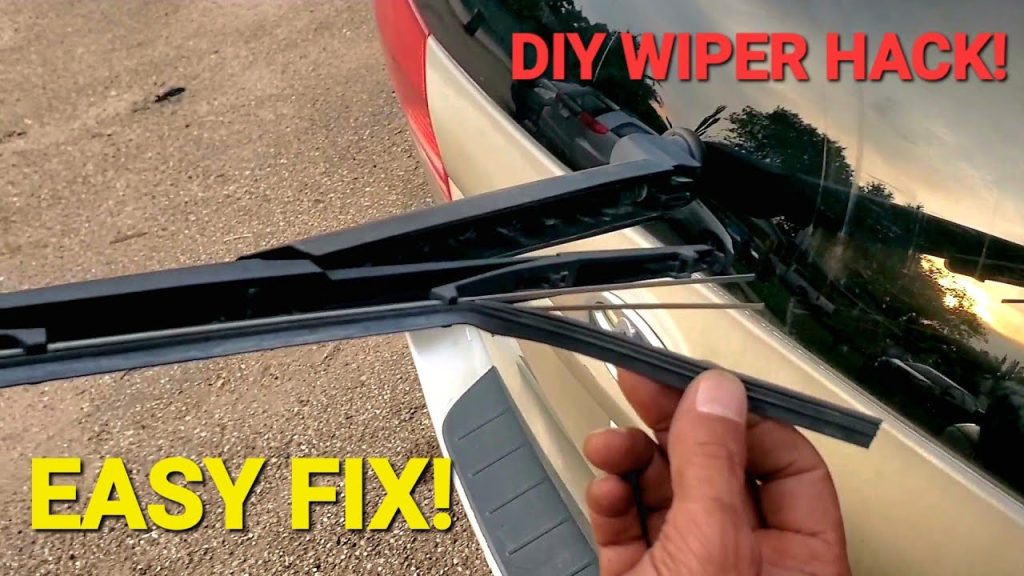
Your car’s wipers are crucial for clear vision during rain, snow, or fog. When they stop working properly, driving can become dangerous and stressful.
But don’t worry—fixing your car wiper might be easier than you think. In this guide, you’ll learn simple, step-by-step tips to get your wipers back in shape quickly. Keep reading, and you’ll save time, money, and avoid frustration the next time your windshield starts to blur.
Common Wiper Problems
Car wipers are essential for clear visibility during rain or snow, but they can develop issues that disrupt their function. Understanding the common problems helps you fix them quickly and avoid unsafe driving conditions. Let’s look at some typical wiper troubles and what you can do to solve them.
Worn Out Blades
Wiper blades wear down from constant use and exposure to weather. When your blades leave streaks or miss spots, it’s a clear sign they need replacement. You don’t have to wait for a heavy rain to notice—check your blades regularly and swap them out every 6 to 12 months to keep your windshield clear.
Loose Wiper Arms
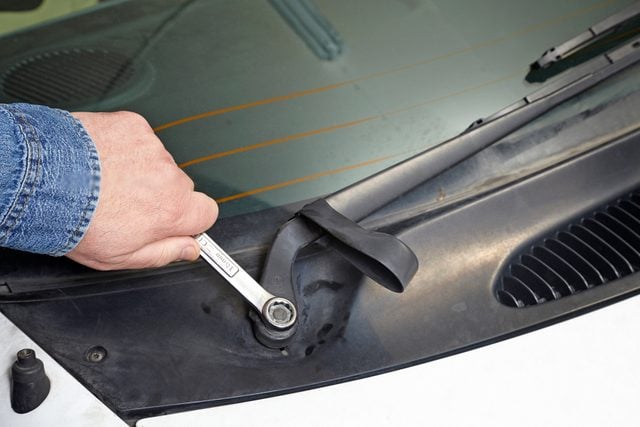
If your wipers skip or don’t press firmly against the glass, the arms might be loose. Sometimes the nut holding the arm tight loosens up, causing poor contact with the windshield. Tightening this nut can restore smooth, even wiping, so keep a wrench handy for this simple fix.
Motor Issues
Your wipers rely on a motor to move back and forth. If you hear a buzzing sound without blade movement, the motor might be stuck or worn out. Testing the motor by turning the wipers on and off can help you decide if it needs repair or replacement before it leaves you stranded in the rain.
Electrical Problems
Wipers won’t work if there’s an electrical problem like a blown fuse or faulty wiring. If your wipers are completely unresponsive, check the fuse box first—replacing a fuse is an easy fix. For wiring issues, inspect the connections for corrosion or loose wires; sometimes a quick clean or reconnection solves the problem.
Tools Needed For Repair
Fixing a car wiper needs the right tools. Using proper tools makes the repair easier and faster. It ensures the job is done safely and correctly. Gather everything before starting your repair.
Basic Hand Tools
- Screwdrivers: Both flathead and Phillips types help remove screws.
- Pliers: Useful for gripping and pulling small parts.
- Socket wrench: Helps remove bolts holding the wiper arm.
- Trim removal tool: Protects car paint while removing clips or covers.
Replacement Parts
- New wiper blades: Match the size to your car model.
- Wiper arm: Needed if the arm is bent or broken.
- Wiper motor fuse: Sometimes the fuse blows and needs replacement.
- Wiper linkage: Replace if the connection between motor and arm is loose.
Safety Gear
- Gloves: Protect your hands from cuts and dirt.
- Safety glasses: Shield eyes from debris or fluid splashes.
- Protective clothing: Keeps your clothes clean from grease and grime.
Inspecting The Wipers
Inspecting the wipers is crucial for safe driving. Wipers ensure clear visibility during rain or snow. Poor wiper performance can lead to dangerous driving conditions. Regular checks help maintain their efficiency.
Checking Blade Condition
Examine the wiper blades for wear and tear. Look for cracks or splits in the rubber. Blades should be smooth and flexible. Replace blades if they appear brittle or damaged. Ensure the rubber edge is intact.
Testing Wiper Movement
Switch on the wipers to test their movement. They should move smoothly across the windshield. Listen for any unusual noises. Jerky movements or loud sounds indicate a problem. Ensure they cover the entire windshield effectively.
Examining Connections
Check the connections between the blades and arms. Ensure they are secure and tight. Loose connections affect wiper performance. Tighten any loose screws or bolts. Examine the wiper arms for any bends or damage.
Credit: www.familyhandyman.com
Fixing Worn Blades
Worn wiper blades can cause streaks and poor visibility. Gently lift the blade, remove it, and replace it with a new one for clear, safe driving. Check the rubber edge for cracks or damage before installing.
Fixing worn wiper blades can improve visibility on rainy days. Over time, wiper blades lose their effectiveness. They may streak or skip across the windshield. Regular maintenance ensures clear driving views.
Removing Old Blades
First, lift the wiper arm away from the windshield. This will make it easier to handle. Find the small tab under the wiper blade. Press the tab and slide the blade off the arm. Be gentle to avoid damaging the wiper arm.
Installing New Blades
Align the new blade with the wiper arm. Most blades have a universal fit. Slide the new blade onto the arm until it clicks. Ensure it is secure and will not detach.
Ensuring Proper Fit
Gently lower the wiper arm back onto the windshield. Test the new blades by turning on the wipers. Make sure they move smoothly across the glass. Check for any gaps or uneven wiping. Adjust if necessary for a snug fit.
Tightening Loose Arms
Loose wiper arms cause poor contact with the windshield. This leads to streaks and reduced visibility. Tightening these arms restores proper pressure and improves wiping performance. The process involves checking parts, adjusting arm position, and securing fasteners. These steps are simple and require minimal tools.
Identifying Loose Components
Start by inspecting the wiper arms closely. Look for movement where the arm meets the pivot. Wiggle the arm gently to spot any looseness. Check the base where it attaches to the vehicle. Loose connections here usually cause poor wiping action. Also, examine the wiper blade for wear or damage.
Adjusting Arm Position
Lift the wiper arm away from the windshield carefully. Align the arm so the blade rests flat on the glass. Avoid angles that cause uneven pressure. The arm should sit parallel to the windshield edge. Adjust gently to avoid bending the arm or damaging the blade.
Securing Fasteners
Locate the nut or bolt holding the arm to the pivot. Use a wrench or socket set to tighten it firmly. Do not overtighten to prevent stripping threads. After securing, test the arm by moving it manually. Ensure it no longer wiggles or shifts. Finally, lower the arm back to the windshield and test the wiper function.

Credit: www.youtube.com
Addressing Motor And Electrical Issues
Car wipers stop working properly when motor or electrical parts fail. Fixing these issues helps restore clear vision during rain. Troubleshooting motor and electrical problems requires basic tools and some patience. Follow simple checks to find the root cause quickly.
Testing The Motor
Start by testing the wiper motor. Locate the motor under the hood near the windshield. Use a multimeter to check for voltage at the motor terminals. No voltage means a power supply problem. If voltage is present, listen for motor sounds when you turn on the wipers. No sound means the motor may be faulty.
Try tapping the motor gently while it’s on. Sometimes this frees stuck parts inside. If the motor still doesn’t run, it likely needs replacement or repair.
Checking Fuses And Wiring
Inspect the wiper fuse in the fuse box. Find the fuse labeled “wiper” or check your owner’s manual. A blown fuse breaks the electrical circuit. Replace any blown fuse with one of the same rating.
Next, examine wiring for damage or loose connections. Look for worn insulation or broken wires near the motor and switch. Repair or replace any damaged wires. Ensure all connectors fit tightly to avoid power loss.
Replacing Faulty Parts
Replace parts that fail tests or show damage. Common replacements include:
- Wiper motor
- Fuse
- Switch or relay
- Wiring connectors
Use parts made for your car’s make and model. Disconnect the battery before replacing electrical parts. Reconnect the battery only after installation is complete. Test the wipers after replacement to ensure proper function.
Maintaining Your Wipers
Maintaining your car wipers ensures clear vision during rain or snow. Proper care helps your wipers work longer and better. Neglect can cause streaks, noise, or damage to the windshield.
Regular Cleaning
Clean the wiper blades often to remove dirt and grime. Use a soft cloth with mild soap and water. Wipe both sides of the blades gently to avoid tearing.
Also, clean the windshield before using wipers. Dirt or debris can wear out the blades quickly. Regular cleaning keeps your wipers smooth and effective.
Seasonal Checks
Check your wipers before each season changes. Cold weather can make blades stiff and brittle. Heat can cause them to dry out and crack.
Inspect the rubber for cracks or hard spots. Make sure the wiper arms move freely without resistance. Adjust or fix any issues early to avoid problems during storms.
When To Replace
Replace wiper blades if they leave streaks or miss spots. Listen for squeaking or chattering sounds while wiping. These signs mean the rubber is worn out.
Change blades every six to twelve months depending on use. Always choose the right size and type for your car. Fresh blades improve safety by clearing your view better.
Safety Tips During Repair
Repairing your car wiper might seem straightforward, but safety should be your top priority throughout the process. Ignoring simple precautions can lead to injury or damage to your vehicle’s electrical system. Let’s look at some essential safety tips to keep in mind while fixing your wiper.
Disconnecting Battery
Always disconnect your car battery before starting any repair on the wiper system. This prevents accidental electrical shocks and avoids short circuits that could damage your vehicle’s electronics.
Unplug the negative terminal first, then the positive. This small step saved me from a nasty shock once when a metal tool slipped during a repair. Have you ever overlooked this and faced unexpected sparks?
Using Proper Tools
Using the right tools makes the repair safer and easier. Avoid makeshift tools that could slip or break, causing injury or worsening the problem.
Invest in a good set of screwdrivers, pliers, and wiper arm pullers designed for automotive use. Your hands will thank you, and the repair will go smoother. What tools do you usually reach for during car fixes?
Avoiding Damage
Be gentle when handling the wiper arms and blades. Applying too much force can bend or break components, leading to costly replacements.
Use a soft cloth to protect painted surfaces and avoid scratches. Take your time to understand how parts connect before pulling or twisting anything. Could a little extra patience save you money on repairs?

Credit: www.youtube.com
Frequently Asked Questions
How Do I Fix A Car Wiper That Won’t Move?
Check the wiper motor fuse first. Replace if blown. Inspect the wiper linkage for disconnection or damage. Reconnect or replace parts as needed. Ensure the wiper switch is functioning properly.
Why Are My Wipers Leaving Streaks On The Windshield?
Wiper blades may be worn out or dirty. Clean the blades and windshield thoroughly. Replace blades if rubber is cracked or damaged. Properly maintained blades ensure clear visibility and streak-free wiping.
How Often Should I Replace My Car Wiper Blades?
Replace wiper blades every 6 to 12 months. Frequent use or harsh weather may require sooner replacement. Regular checks improve safety and maintain clear visibility while driving.
What Tools Do I Need To Fix A Car Wiper?
Basic tools include a screwdriver, pliers, and replacement blades. You may also need a wrench for motor or linkage repairs. Having these tools ready simplifies the fixing process.
Conclusion
Fixing a car wiper is simple and saves money. You can check the wiper blade, arm, and motor easily. Replace worn parts to keep your windshield clear. Regular care helps you drive safely in rain or snow. Don’t wait for problems to get worse.
Try these easy steps next time your wiper stops working. Clear vision means safer driving every time.