
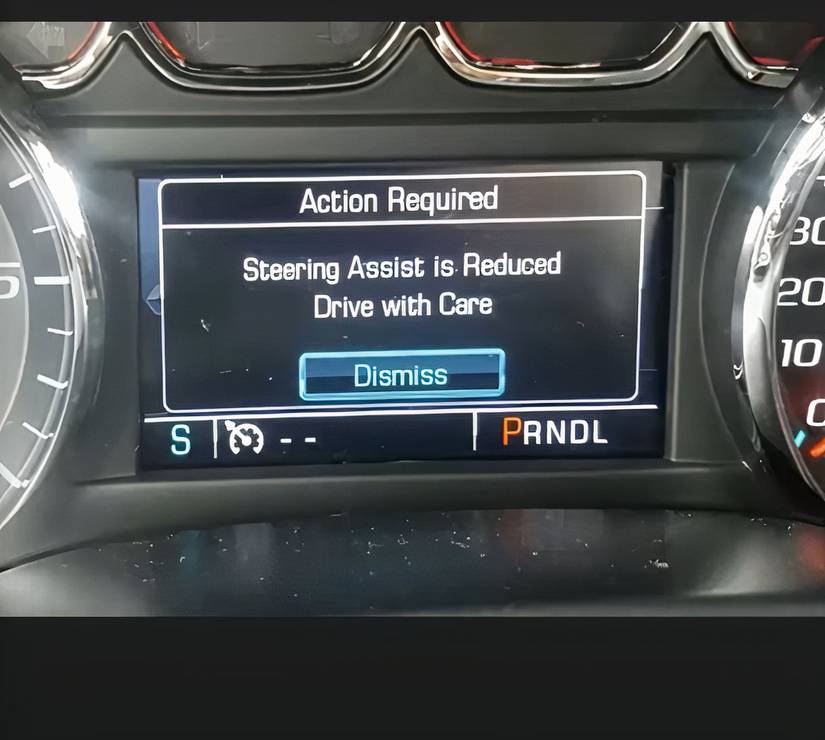
Have you ever noticed the message “Steering Assist is Reduced – Drive With Care” on your car’s dashboard? It can be confusing and even a little scary.
What does it mean for you and your safety on the road? Understanding this warning is crucial because it affects how your car handles and how much control you have behind the wheel. Keep reading to learn why this happens, what you should do next, and how to keep yourself and others safe every time you drive.
What Steering Assist Means
Steering assist helps drivers turn the steering wheel more easily. It makes driving safer and less tiring. Without it, steering requires more effort.
When steering assist is reduced, it signals a problem. Drivers need to be careful and check their vehicle soon.
How Steering Assist Works
Steering assist uses a system to reduce the force needed to turn the wheels. It often relies on power from a pump or electric motor. Sensors detect how much help the driver needs.
- Hydraulic power steering uses fluid pressure to help turn the wheel.
- Electric power steering uses an electric motor for assistance.
- Sensors measure steering effort and adjust the assist level.
- The system makes steering smooth and responsive.
Common Causes Of Reduced Steering Assist
Several issues can cause steering assist to weaken. Some are simple to fix. Others need professional help.
| Cause | Description | Effect on Steering |
| Low Power Steering Fluid | Fluid leaks or low levels in hydraulic systems | Steering feels heavy and hard to turn |
| Faulty Power Steering Pump | Pump failure reduces fluid pressure | Loss of assist, steering becomes stiff |
| Electric Motor Failure | Electric motor in electric steering stops working | No power assist, steering is difficult |
| Damaged Steering Rack | Wear or damage in steering components | Uneven or reduced steering response |
| Broken Belts | Drive belts that power the pump may break | Assist stops functioning |
Credit: www.chevymalibuforum.com
Signs Of Reduced Steering Assist
Steering assist helps you turn the wheel with ease. When it reduces, driving becomes harder and less safe. Knowing the signs helps you act quickly.
Watch for changes in how your car handles. These signs warn you about possible steering problems.
Increased Steering Effort
You may feel the steering wheel is heavier than usual. It takes more force to turn, especially at low speeds. This can make parking and sharp turns tough.
Increased effort often means the power steering system is failing. Do not ignore this problem, as it can get worse quickly.
Unusual Noises During Steering
Listen for strange sounds when you turn the wheel. Grinding, whining, or squealing noises are warning signs. These noises mean the steering system parts are stressed or worn out.
Pay attention to when the noise happens. It might occur only when turning sharply or starting the engine.
- Grinding noise may come from worn gears
- Whining sound often shows low power steering fluid
- Squealing can signal loose belts
Warning Lights On Dashboard
Your car dashboard may show warning lights if steering assist is low. These lights alert you to check the power steering system. Ignoring these signals can cause serious steering failure.
Common warning lights include the power steering or engine warning icons. Look for any light that turns on while driving or at startup.
Risks Of Driving With Reduced Assist
Steering assist helps drivers control their vehicles easily. When assist is reduced, driving becomes harder.
Reduced assist means the steering feels heavier and less responsive. This can cause safety risks on the road.
Impact On Vehicle Control
When steering assist is low, it takes more effort to turn the wheel. Drivers might struggle to steer quickly.
Less control means it is harder to avoid obstacles or make sharp turns. This can be dangerous in emergencies.
Increased Fatigue While Driving
Steering without enough assist uses more physical strength. This tires drivers faster than normal driving.
Fatigue makes it harder to focus and react. Tired drivers have slower reflexes and poor decision-making.
Potential For Accidents
Reduced steering assist can cause delayed reactions to road hazards. This increases the chance of crashes.
Drivers may lose control in sharp turns or quick maneuvers. This risk is higher at fast speeds or on rough roads.
- Harder steering leads to slower responses
- Driver fatigue lowers attention and control
- Increased chance of collisions and crashes
Credit: www.acadiaforum.net
Immediate Actions To Take
Steering assist reduces when there is a problem in the system. Drive carefully to avoid accidents. Follow these steps to check and fix the issue.
Quick action can help protect you and your vehicle from damage. Check fluids, steering parts, and get help if needed.
Check Fluid Levels
Low power steering fluid often causes reduced steering assist. Check the fluid level under the hood. Use the dipstick or reservoir markings to see the level.
- Locate the power steering fluid reservoir.
- Clean the cap and dipstick before checking.
- Check fluid level while the engine is cool.
- Add the correct fluid if the level is low.
- Look for fluid leaks under the vehicle.
Inspect Steering Components
Physical damage can reduce steering assist. Look at the steering rack, tie rods, and hoses. Check for cracks, bends, or leaks that need fixing.
| Component | What to Check | Signs of Damage |
|---|---|---|
| Steering Rack | Leaks and loose parts | Fluid spots, unusual noises |
| Tie Rods | Bends and wear | Loose steering, uneven tire wear |
| Hoses | Cracks and leaks | Fluid drops, low fluid level |
Seek Professional Help
If you cannot find the problem or fix it, call a mechanic. Steering issues affect safety and need expert care. Avoid driving long distances until repaired.
Important:A professional can diagnose hidden issues. They have tools to test the power steering pump and electronic systems.
Preventive Measures For Steering Health
Steering assist helps you control your vehicle smoothly. Reduced steering assist means the system is weaker. This can make driving harder and unsafe.
Taking care of your steering system keeps it working well. Preventive steps help avoid problems and keep you safe on the road.
Regular Maintenance Tips
Check your steering system often to spot issues early. Keep steering parts clean and well-lubricated. Replace worn parts quickly to avoid bigger problems.
- Inspect power steering fluid level and quality
- Check for leaks in hoses and connections
- Examine steering belt for wear and tension
- Look for loose or damaged steering components
- Schedule professional steering system checks yearly
Safe Driving Habits
Drive carefully to reduce stress on the steering system. Avoid sharp turns at high speeds. Steer smoothly to prevent damage to parts.
- Slow down before making turns
- Avoid hitting curbs or potholes
- Do not hold the steering wheel tightly for long periods
- Park with wheels straight to reduce strain
Monitoring Warning Signs
Watch for signs that steering assist is reduced. Early warning helps fix issues before they get worse. Pay attention to how your steering feels.
- Steering feels heavy or stiff
- Unusual noises when turning the wheel
- Steering wheel does not return to center
- Vibrations felt in the steering wheel
- Warning lights on the dashboard related to steering
Credit: www.chevybolt.org
Frequently Asked Questions
What Does “steering Assist Is Reduced” Mean?
It means the vehicle’s power steering support is limited. This can make steering heavier and requires more effort from the driver. The system reduces assistance to protect the steering components or due to system faults.
Why Should I Drive With Care When Steering Assist Is Reduced?
Reduced assist means steering is harder and less responsive. Driving carefully helps maintain control and prevents accidents. Avoid sharp turns and high speeds until the system is checked.
How Can I Fix Reduced Steering Assist Issues?
Check fluid levels and inspect for leaks if your car uses hydraulic steering. For electric power steering, a professional diagnosis is needed. Fixing sensor or motor faults usually restores normal assist function.
Is It Safe To Drive With Reduced Steering Assist?
Driving is possible but not ideal. Steering will require more physical effort, especially at low speeds. Drive cautiously and get the system inspected as soon as possible for safety.
Conclusion
Steering assist helps you drive with less effort and more control. When it reduces, your car feels harder to steer. This change needs your full attention. Slow down and stay calm behind the wheel. Drive carefully and watch the road ahead.
Keep both hands on the wheel at all times. Safety depends on how you respond to the change. Stay alert and avoid sudden moves. Your careful driving protects you and others. Always check your car if steering feels different. Better safe than sorry on every trip.