
You want to keep your child as safe as possible every time you hit the road. One big question many parents face is: when can kids face forward in a car seat?
It’s a decision that can feel confusing and even a little scary. But knowing the right time can make all the difference in protecting your little one. You’ll discover clear, easy-to-follow guidelines that help you make the safest choice for your child.
Keep reading to learn exactly when it’s time to turn that car seat forward—and why waiting just a little longer could save your child’s life.
Rear-facing Vs. Forward-facing Seats
Choosing between rear-facing and forward-facing car seats is one of the most important decisions you’ll make for your child’s safety. Understanding the differences helps you protect your little one during every car ride. Let’s look at why rear-facing seats matter and when it’s time to move forward.
Benefits Of Rear-facing Seats
Rear-facing seats cradle your child’s head, neck, and spine better during a crash. The impact forces are spread across the entire body, reducing the chance of serious injury.
Experts recommend keeping children rear-facing as long as possible. Many seats now support rear-facing up to 40 pounds or more, which often covers kids well past their second birthday.
Think about your own child’s comfort and safety. When my niece stayed rear-facing until age three, she was safer and more comfortable on long drives. Could keeping your child rear-facing longer be the best choice for your family?
When To Switch Forward
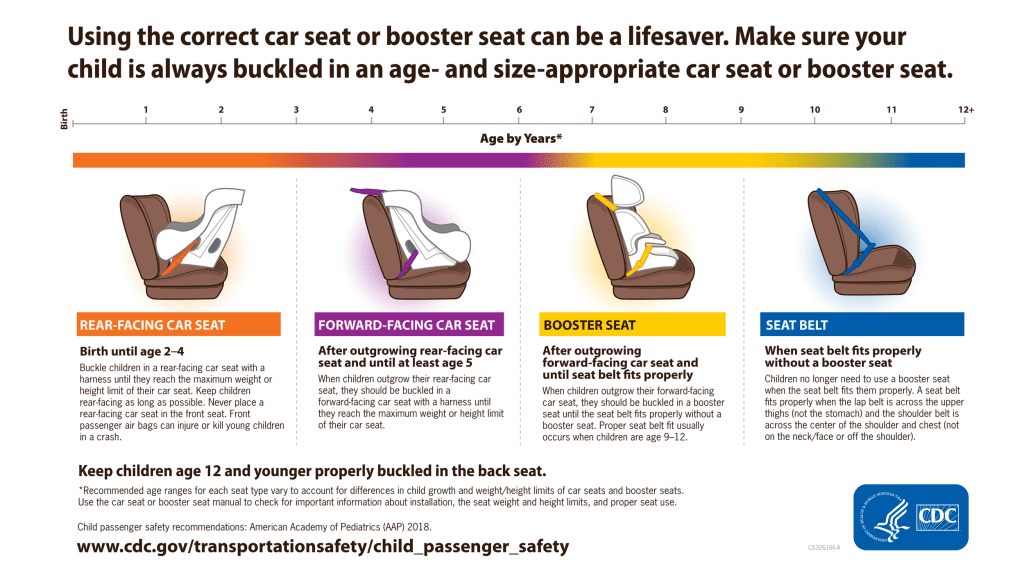
You should only switch to a forward-facing seat once your child exceeds the height or weight limits of their rear-facing seat. Check the specific guidelines on your car seat model to be sure.
Most kids are ready between ages 2 and 4, but age alone isn’t the best indicator. Look for signs like your child’s head passing the top of the seat or the harness no longer fitting snugly.
Remember, switching forward too early can increase injury risk in a crash. Ask yourself: am I switching because my child is ready, or just because they want to face forward?
Age And Weight Guidelines
Knowing the right time to turn your child’s car seat forward is crucial for their safety. Age and weight guidelines help you make this decision confidently. These guidelines are designed to keep your child secure during every ride.
Recommended Age Limits
Most safety experts agree that children should stay in a rear-facing seat until at least 2 years old. Some kids may need to remain rear-facing longer, depending on their growth. Have you checked your car seat manual lately? It often has the specific age recommendations for your model.
Keeping your child rear-facing beyond age 2 can reduce the risk of injury in a crash. It’s common to feel tempted to turn the seat forward once your child wants to see outside. But remember, their neck and spine are still developing, and rear-facing offers the best protection.
Weight And Height Considerations
Age isn’t the only factor. Weight and height limits set by the car seat manufacturer are equally important. Most rear-facing seats support kids up to 40 pounds, but some high-back seats allow even more. Check the labels on your seat to know exactly when your child reaches the limit.
Have you noticed your child’s feet touching the back of the front seat? That might be a sign they’re getting too big for rear-facing. However, if they haven’t hit the weight or height limit, keep them rear-facing as long as possible.
| Car Seat Type | Typical Weight Limit | Typical Height Limit | Recommended Minimum Age |
|---|---|---|---|
| Rear-Facing Infant Seat | Up to 35 lbs | Up to 32 inches | Birth to 1 year+ |
| Convertible Rear-Facing Seat | Up to 40-50 lbs | Up to 40 inches | Up to 2 years or more |
| Forward-Facing Seat | Typically 40-65 lbs | Varies by model | 2 years and older |
Every child grows at their own pace. So, how will you decide when it’s time to switch? Use these guidelines as your safety compass, and always prioritize your child’s comfort and security over convenience.
State Laws And Regulations
Understanding state laws and regulations about when kids can face forward in a car seat is essential for every parent and caregiver. These rules are not just suggestions—they’re designed to keep your child safe and can vary widely depending on where you live. Knowing what applies in your state helps you make informed choices and avoid legal trouble.
Variations Across States
Each state sets its own age, weight, or height limits before a child can face forward in a car seat. Some states require kids to stay rear-facing until at least 2 years old, while others allow forward-facing as early as 1 year. These differences reflect how states interpret safety data and balance it with practical concerns.
For example, in California, children must remain rear-facing until they are 2 years old or reach the highest weight or height allowed by the car seat manufacturer. Meanwhile, Texas law allows children to face forward after 1 year of age and 20 pounds. This variation means you can’t assume the rule is the same everywhere you travel.
Penalties For Non-compliance
Ignoring your state’s car seat laws can lead to fines, points on your license, or even more serious consequences. Some states impose penalties starting around $100, but repeat offenses can increase the cost significantly. Beyond fines, law enforcement may also issue warnings or require you to attend safety courses.
More importantly, failing to follow these laws puts your child at greater risk during an accident. Have you ever thought about how much a fine matters compared to your child’s safety? Staying informed and compliant is a small price to pay for peace of mind and protection.
Credit: dceastleigh.org
Safety Tips For Forward-facing Seats
Kids can face forward in a car seat once they reach the weight and height limits set by the seat’s manufacturer. Always check these limits carefully to keep your child safe. Proper harness use and seat installation are essential for forward-facing safety.
Ensuring the safety of your child when transitioning to a forward-facing car seat is paramount. While the excitement of seeing your little one graduate to this new stage is thrilling, it’s important to focus on safety details that are often overlooked. By paying attention to harnessing techniques and seat installation practices, you can enhance your child’s protection on the road.
Proper Harnessing Techniques
The harness should fit snugly against your child’s body. A common mistake is leaving the harness too loose, which can compromise safety in the event of sudden stops. To test if it’s tight enough, perform the “pinch test”: if you can pinch any excess strap between your fingers, it’s too loose. Make sure the chest clip is at armpit level. This positioning ensures the harness remains secure over your child’s shoulders. Regularly check the harness adjustment as your child grows or wears different types of clothing.
Seat Installation Best Practices
Correct installation is crucial for seat effectiveness. Always use either the car’s seat belt or the LATCH system, but not both. Each has its own method of securing the seat, and using both can affect the performance during a crash. Ensure the seat is tightly secured by checking for movement. The seat should not move more than an inch side-to-side or front-to-back when you push and pull at the belt path. Finally, adjust the recline angle as per the car seat manual. This can prevent your child’s head from slumping forward, which can affect breathing and comfort during long trips. These safety tips can make a significant difference. Have you checked your car seat’s installation lately? Even a small adjustment can lead to greater peace of mind.
Signs Your Child Is Ready To Face Forward
Children show readiness to face forward when they reach the car seat’s height or weight limit. Notice if your child can sit upright without help and their neck supports their head steadily. Safety and comfort are key signals for this transition.
Knowing when your child is ready to face forward in their car seat is a milestone every parent looks forward to. However, safety is key, and ensuring your child is ready involves more than just reaching a certain age or weight. Understanding the signs that your child is ready to make this transition can make a world of difference in ensuring their safety and comfort on the road.
Physical Indicators
Your child’s physical development plays a crucial role in determining when they can safely face forward. Has your child reached the maximum height or weight limit for their rear-facing seat? Check the manufacturer’s guidelines as each car seat model has specific limits. Another important factor is neck strength. Is your child’s neck strong enough to support their head in the event of a sudden stop? Typically, children around age two have developed adequate neck strength, but individual growth rates can vary. Always prioritize your child’s physical readiness over age or peer pressure.
Behavioral Cues
Observe your child’s behavior during car rides. Does your child consistently express discomfort in the rear-facing position? While comfort alone shouldn’t dictate readiness, it can be a cue to assess other indicators. Does your child show interest in observing the environment around them, indicating a desire for more interaction with the journey? While curiosity is natural, ensure it doesn’t compromise safety. Pay attention to how your child behaves when seated. Are they able to sit still and correctly in a forward-facing seat with the harness properly fastened? This is vital for their safety and indicates a level of maturity necessary for facing forward. By staying attuned to these signs, you can make an informed decision about when it’s safe for your child to transition to a forward-facing car seat.

Credit: findforbaby.com
Common Mistakes To Avoid
Understanding when to switch your child to a forward-facing car seat is crucial for their safety. Many parents make common mistakes that can put their little ones at risk. Recognizing these errors can help you make better decisions and keep your child secure on every ride.
Premature Switching
One of the most frequent mistakes is moving kids to a forward-facing seat too early. Children should remain in a rear-facing seat until they reach the height or weight limit recommended by the car seat manufacturer.
I once saw a parent switch their toddler forward-facing right after the first birthday, thinking it was fine. Unfortunately, this increased the child’s risk of injury during sudden stops or crashes. Ask yourself: Are you following the seat’s guidelines, or just the child’s age?
Remember, keeping your child rear-facing longer provides better support for their head, neck, and spine. Don’t rush the switch just because your child seems uncomfortable or restless. Safety must come before convenience.
Improper Seat Installation
Even if you choose the right seat, installing it incorrectly can defeat the purpose. Many parents struggle with tightness and angle adjustments, which are critical for safety.
Think about the last time you installed a car seat. Was it firmly secured, or did you feel some movement? A loose seat can shift during a collision and cause serious injury.
To avoid this, always read the manual carefully and consider getting your installation checked by a certified technician. Small adjustments, like tightening the harness or fixing the recline angle, can make a big difference in your child’s protection.
Choosing The Right Forward-facing Seat
Choosing the right forward-facing car seat is important for your child’s safety and comfort. This seat must fit your child’s size and meet safety standards. It should also be easy for parents to install and adjust. Picking the right seat helps protect your child during every ride.
Features To Look For
- Strong safety ratings from trusted organizations
- Adjustable harness and headrest for growing children
- Side-impact protection for extra safety
- Easy installation system, like LATCH or seatbelt lock-offs
- Comfortable padding and breathable fabric
- Convertible options to switch between harness and booster modes
Budget Considerations
Forward-facing car seats come in a range of prices. More expensive seats often have extra safety features and comfort options. Cheaper seats still meet safety rules but may lack some extras. Choose a seat that fits your budget without sacrificing safety. Look for sales or discounts to save money. Remember, quality and safety should always come first.
Transitioning To Booster Seats
Transitioning your child from a forward-facing car seat to a booster seat is a significant step in their car safety journey. It means they are growing and ready for a new level of protection that fits their size and needs better. Understanding when and how to make this change can help you keep your child safe and comfortable on every ride.
When To Make The Change
You should consider moving your child to a booster seat once they have outgrown the forward-facing car seat’s height or weight limits. Most forward-facing seats have limits around 40 to 65 pounds, but always check your specific seat’s manual.
Also, your child should be at least 4 years old and able to sit properly without slouching or leaning out of the seatbelt. Ask yourself: Does your child sit still during the trip? If they can’t stay seated correctly, it might be too early for a booster.
Booster Seat Safety Tips
- Use a belt-positioning booster:It helps position the seatbelt correctly over your child’s shoulder and lap, which is crucial for safety.
- Check seatbelt fit:The lap belt should lie flat across the upper thighs, not the stomach. The shoulder belt should cross the chest, not the neck or face.
- Choose the right booster:High-back boosters offer head and neck support, while backless boosters are portable but require your car to have headrests.
- Keep the booster until seatbelt fits properly:Your child should remain in a booster seat until the adult seatbelt fits perfectly—usually when they reach about 4 feet 9 inches tall.
- Secure the booster seat:Some boosters have LATCH connectors or anchors; use them if available for extra stability.
Remember, your child’s safety depends on correct usage as much as the type of seat. Have you checked your booster seat’s fit recently? Small adjustments can make a big difference.
Frequently Asked Questions
When Is It Safe For Kids To Face Forward In Car Seats?
Kids can face forward once they reach the car seat’s height and weight limits for rear-facing. This is usually after age 2 or when they outgrow rear-facing limits. Always follow your car seat manufacturer’s guidelines for safe transitions.
Why Keep Kids Rear-facing Longer In Car Seats?
Rear-facing seats better protect a child’s head, neck, and spine during crashes. Experts recommend rear-facing until at least age 2 or longer. This position significantly reduces injury risks compared to forward-facing seats.
What Are The Height And Weight Limits For Forward-facing?
Each car seat has specific height and weight limits for forward-facing use. Typically, kids can face forward after exceeding rear-facing limits, which vary by model. Check your car seat manual for exact measurements and safety instructions.
Can Premature Babies Face Forward Earlier In Car Seats?
Premature babies should remain rear-facing until they meet standard size and developmental milestones. Their fragile bodies need extra protection in crashes. Consult your pediatrician and follow car seat guidelines to ensure safety.
Conclusion
Keeping kids safe in the car is very important. Kids should stay rear-facing as long as possible. This position protects their head and neck better during crashes. Once they outgrow the rear-facing limits, you can switch them forward. Always follow the car seat’s weight and height rules.
Check the laws in your area too. Remember, safety comes first, no matter what. Choosing the right time to face forward helps protect your child every trip. Stay informed and keep your little ones safe on the road.