
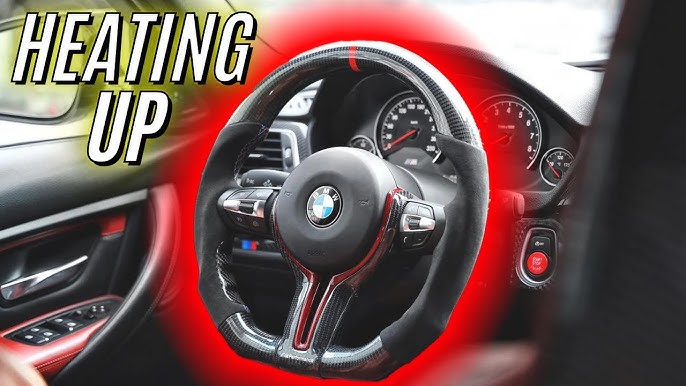
Have you ever wished your hands could stay warm during those chilly morning drives? A heated steering wheel might be the comfort upgrade your car is missing.
But can you add this feature to your current vehicle, or is it only available in new models? If you’re tired of cold hands and want to know how to bring that cozy warmth to your daily drive, keep reading.
This article will guide you through everything you need to know about adding a heated steering wheel to your car—so you can enjoy every ride, no matter the weather.
Benefits Of A Heated Steering Wheel
A heated steering wheel offers several benefits beyond just warmth. It enhances comfort, boosts safety, and supports health during cold weather. Many drivers find it a valuable upgrade for winter driving. Below are some key advantages of having a heated steering wheel in your car.
Comfort In Cold Weather
A heated steering wheel warms your hands quickly on chilly days. Cold hands can feel stiff and uncomfortable. Warmth helps keep fingers flexible and relaxed. It reduces the need to wear bulky gloves while driving. This comfort makes every trip more pleasant during winter months.
Improved Driving Experience
Warm hands improve your grip on the wheel. Better grip leads to safer handling of the vehicle. It also reduces distractions caused by cold discomfort. You stay more focused on the road and control. This can lower the risk of accidents in icy conditions.
Health Advantages
Heating the steering wheel can ease joint pain and stiffness. It benefits people with arthritis or circulation issues. Warmth increases blood flow and reduces muscle tension. This helps prevent discomfort during long drives. It creates a healthier and more comfortable driving environment.

Credit: www.youtube.com
Compatibility Check
Before adding a heated steering wheel, checking compatibility matters. This step avoids buying parts that won’t fit or work properly. Knowing your car’s support for the upgrade saves time and money. Some cars handle this upgrade easily, while others need careful checks.
Car Models That Support Upgrade
Many mid to high-end cars allow heated steering wheel upgrades. Luxury brands often include this feature or offer it as an option. Some popular models that support this upgrade include:
- BMW 3 Series and above
- Audi A4 and higher trims
- Mercedes-Benz C-Class and up
- Toyota Camry and Highlander (newer models)
- Ford F-150 and Mustang (latest versions)
Older or budget cars may lack the wiring or space needed for heating elements.
Steering Wheel Types
Not all steering wheels can be heated. The wheel’s design and materials affect compatibility. Leather wheels often support heating better than plastic ones. Wheels with airbags need special care during upgrades. Custom or aftermarket wheels might not work with heating kits.
- Leather-wrapped wheels: Usually compatible
- Plastic or rubber wheels: Less likely compatible
- Airbag-equipped wheels: Require professional installation
- Aftermarket wheels: Check manufacturer details
Electrical System Requirements
Heated steering wheels need extra power. The car’s electrical system must handle this load safely. Most vehicles require a 12-volt connection and proper fuses. The heating element connects to the vehicle’s wiring harness. Some cars need additional relays or switches installed.
- Check battery and alternator capacity
- Ensure wiring harness compatibility
- Install necessary fuses and relays
- Use proper connectors and switches
Incorrect wiring can cause failures or safety risks. Professional help ensures correct electrical setup.
Choosing The Right Heated Steering Wheel Kit
Adding a heated steering wheel to a car is possible with the right kit. Choose a model that fits your vehicle and offers easy installation. Quality and safety features matter most for a warm, comfortable grip.
Choosing the right heated steering wheel kit involves thoughtful consideration. Many options are available, each with unique benefits. Making an informed choice ensures comfort and satisfaction.
Oem Vs Aftermarket Options
OEM kits are designed by the original car manufacturer. They often fit seamlessly and maintain the car’s aesthetic. These kits can be pricier but offer reliability. Aftermarket kits are developed by third-party companies. They offer a wider range of styles and features. While they may be more affordable, compatibility can vary.
Key Features To Look For
Look for adjustable temperature settings. This allows personalization based on weather or preference. Easy installation is crucial; some kits may require professional help. Safety features are essential. Consider models with auto shut-off to prevent overheating. Durability is important; choose materials that withstand regular use.
Budget Considerations
Set a budget that balances cost and quality. OEM kits might be more expensive but offer durability. Aftermarket kits vary widely in price; research options carefully. Factor in installation costs. DIY installation can save money but requires skill. Professional installation ensures safety and correct fitting.

Credit: www.youtube.com
Tools And Materials Needed
Adding a heated steering wheel to your car is a rewarding upgrade that can bring comfort during chilly drives. Before you start, gathering the right tools and materials is crucial for a smooth installation. Having everything ready not only saves time but also helps you avoid frustration during the process.
Basic Tools
You’ll need a few standard tools to handle the steering wheel components and electrical connections. A set of screwdrivers, both Phillips and flathead, will help you remove panels and screws without damaging them.
Socket wrenches are essential for loosening bolts that hold the steering wheel in place. Don’t forget a trim removal tool to safely pry off dashboard panels without scratching your car’s interior.
Safety Equipment
Working with your car’s electrical system requires caution. Always use insulated gloves to protect yourself from electrical shocks and sharp edges inside the dashboard.
Disconnecting the battery before you start is a must to prevent accidental airbag deployment or short circuits. Safety glasses are a good idea too, shielding your eyes from dust and debris.
Additional Supplies
You’ll need the heated steering wheel kit designed for your car model, which usually includes wiring harnesses, connectors, and heating elements. Electrical tape and zip ties come in handy to secure wires neatly and avoid rattling noises.
Some installations might require a multimeter to check voltage and continuity, ensuring your connections are correct. If you want a professional finish, consider heat shrink tubing for protecting exposed wires.
Step-by-step Installation Process
Installing a heated steering wheel can bring comfort during cold drives. The process requires care and attention to detail. Follow these clear steps to upgrade your steering wheel safely. Each part builds on the previous one for a smooth installation.
Removing The Existing Steering Wheel
Start by disconnecting the car battery to avoid electric shocks. Remove the airbag module carefully; it usually has clips or screws. Use a steering wheel puller tool to detach the wheel from the column. Keep all screws and parts safe for reassembly later.
Wiring The Heating Element
Identify the wiring harness for the heating system in the new steering wheel. Connect the heating wires to the car’s electrical system following the manual. Use electrical tape or heat shrink tubing for secure insulation. Make sure the wires do not interfere with the steering mechanism.
Securing The New Steering Wheel
Align the new steering wheel on the column correctly. Tighten the central bolt to the torque specification given in the manual. Reinstall the airbag module carefully, ensuring all connectors are secure. Double-check that no wires are pinched or loose.
Testing The System
Reconnect the car battery and turn on the ignition. Switch on the heated steering wheel feature to test its function. Feel the wheel surface warm up within a few minutes. Check for warning lights or error messages on the dashboard. Confirm the steering wheel moves freely without noise.
Common Challenges And Solutions
Adding a heated steering wheel to a car is not always simple. Several challenges can arise during installation. Knowing these issues helps prepare and find the right solutions. This section highlights common problems and practical fixes for a smooth upgrade.
Dealing With Airbag Systems
The steering wheel houses the airbag, a critical safety feature. Removing or replacing the wheel risks triggering the airbag or damaging its components.
Always disconnect the car battery before starting. Wait 10 to 15 minutes to let the system discharge. Use a scan tool to check for error codes after installation.
Consult the car manual for airbag removal instructions. If unsure, hire a professional to avoid safety risks.
Wiring Complications
Heated steering wheels need power and control wires connected correctly. Cars without factory heating lack pre-installed wiring, making this tricky.
Identify the correct power source, usually a fuse linked to ignition. Locate the ground wire and heating element wires in the new wheel.
- Use wire connectors or solder for secure connections.
- Protect wires with electrical tape or heat shrink tubing.
- Test the heating function before full assembly.
Ensuring Proper Fit
Not all heated steering wheels fit every car model. Diameter, mounting points, and control switches vary.
Measure your original wheel and compare with the new one. Check compatibility with your car’s make and model.
Choose a steering wheel designed for your vehicle or use an adapter kit. This prevents loose fit or steering problems.
Maintenance Tips
Proper maintenance keeps your heated steering wheel working well and safe. Regular care prevents damage and extends the life of the heating element. Simple habits protect the wheel’s surface and electrical parts.
Cleaning The Heated Steering Wheel
Use a soft cloth and mild soap to clean the wheel. Avoid harsh chemicals that can harm the heating wires inside. Wipe gently and dry fully to prevent moisture build-up. Never spray liquid directly on the wheel.
Troubleshooting Heating Issues
Check the fuse if the heating stops working. Inspect wiring connections for any loose parts. Reset the car’s electrical system by turning it off and on. Consult the manual for specific error codes or warnings.
Long-term Care
- Keep sharp objects away to avoid cuts or scratches.
- Avoid pressing too hard on the wheel’s surface.
- Protect the wheel from extreme temperatures when parked.
- Schedule regular inspections with a professional mechanic.
Credit: www.siennachat.com
Professional Installation Vs Diy
Choosing between professional installation and DIY for adding a heated steering wheel impacts cost, safety, and results. Each option has its pros and cons. Understanding these helps make a smart choice that fits your skills and budget.
When To Hire A Pro
Hire a professional if you lack electrical knowledge or experience with car modifications. Complex wiring and airbag systems require careful handling. Professionals have tools and skills to avoid damage. Mistakes can cause expensive repairs or safety hazards. Choose a pro to ensure the job is done right and your car remains safe.
Cost Comparison
| Installation Type | Average Cost | Included Services |
|---|---|---|
| Professional Installation | $200 – $500 | Parts, labor, warranty |
| DIY Installation | $50 – $150 | Parts only, no labor |
DIY can save money but may risk mistakes or damage. Professional work costs more but offers peace of mind and warranty.
Safety Considerations
- Incorrect wiring can cause electrical shorts or fires.
- Airbags may malfunction if steering wheel is altered improperly.
- Heated steering wheels require proper insulation to prevent shocks.
- Professionals ensure compliance with safety standards and regulations.
Safety risks rise with DIY if instructions are unclear or tools are inadequate. Professional installation minimizes these dangers and protects your car’s systems.
Frequently Asked Questions
Can You Install A Heated Steering Wheel Aftermarket?
Yes, you can add a heated steering wheel aftermarket. Kits are available for most cars. Installation requires basic electrical skills and tools.
How Much Does It Cost To Add Heated Steering?
Adding a heated steering wheel typically costs between $150 and $500. Prices vary by car model and kit quality.
Is Adding A Heated Steering Wheel Safe?
Yes, it is safe if installed correctly. Professional installation is recommended to avoid electrical issues or damage.
Will A Heated Steering Wheel Affect My Car Warranty?
Adding a heated steering wheel may void parts of your warranty. Always check with your dealer before installation.
Conclusion
Adding a heated steering wheel to your car is possible and practical. It brings comfort during cold weather and is worth the effort. Installation can be done by professionals or with proper guidance. Costs vary depending on your car model and the parts used.
Consider your budget and needs before deciding. A warm steering wheel makes driving more pleasant in winter. It’s a simple upgrade that many drivers enjoy. Think about it as a cozy addition for chilly days.