
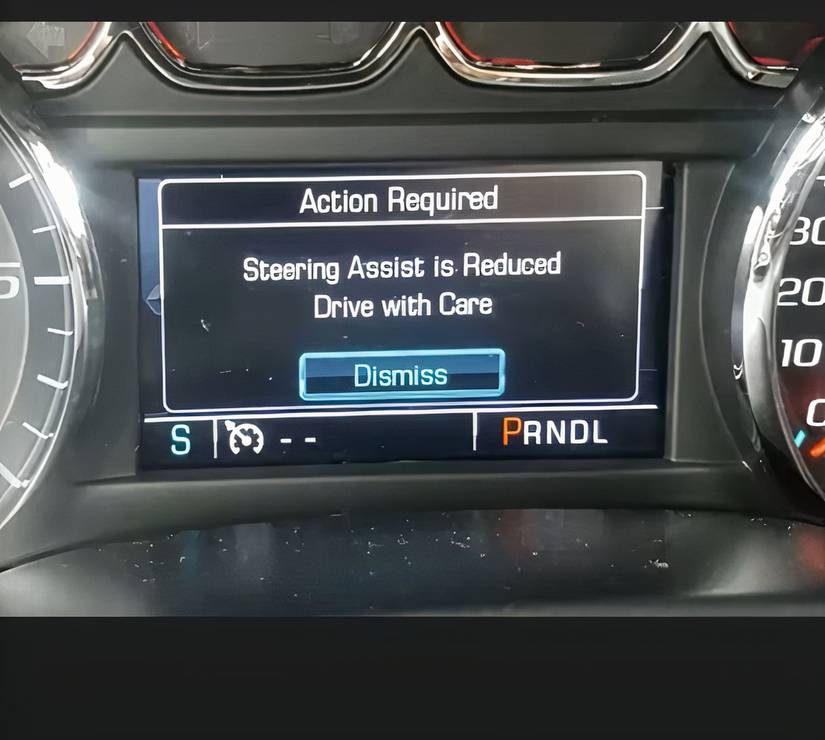
How to Reset Steering Assist is Reduced Drive With Care: Have you noticed a warning that says “Steering Assist is Reduced – Drive With Care” on your dashboard? This message can be confusing and even a little alarming.
You might wonder what it means, if your car is safe to drive, and most importantly, how to fix it. You’ll discover simple, clear steps to reset your steering assist and get back on the road with confidence. Keep reading to learn exactly what you need to do to keep your driving smooth and safe.
Credit: www.cadillacforums.com
Causes Of Reduced Steering Assist
Reduced steering assist means the steering wheel feels harder to turn. This problem can make driving unsafe. Understanding what causes reduced steering assist helps you fix it quickly.
Several issues can lower the steering assist. These include fluid problems, sensor faults, electrical troubles, and mechanical failures.
Low Power Steering Fluid
Power steering fluid helps the steering system work smoothly. Low fluid levels reduce steering assist. This makes the steering wheel feel stiff and hard to turn.
Fluid can leak from hoses or seals. Over time, the fluid also gets dirty and loses its effectiveness.
- Check fluid levels regularly
- Look for leaks under the car
- Replace dirty or old fluid
Faulty Steering Assist Sensors
Sensors tell the car how much steering help to give. If a sensor fails, the system may reduce assist to protect itself. This causes harder steering.
Common sensor issues include bad wiring or sensor damage. Sensors can also get dirty or worn out over time.
- Check sensor connections and wiring
- Replace damaged or worn sensors
- Keep sensors clean from dirt and debris
Electrical System Issues
The steering assist system uses electricity to work. If there is a battery or wiring problem, the assist may drop. Faulty electrical parts can cause the system to fail.
Common problems include blown fuses, bad relays, or weak battery voltage. These issues stop the assist motor from working properly.
- Test the battery and charging system
- Inspect fuses and relays related to steering
- Check wiring for breaks or corrosion
Mechanical Failures
Parts like the steering rack, pump, or belt can wear out or break. Mechanical failures reduce the power steering’s ability to help turn the wheel.
Common mechanical issues include worn belts, damaged pumps, and broken steering racks. These parts need repair or replacement to restore assist.
- Listen for unusual noises when turning
- Check belts for cracks or looseness
- Inspect the power steering pump for leaks
- Look for damage in the steering rack
Signs Of Steering Assist Problems
Steering assist helps you turn the wheel easily. If it stops working well, driving becomes harder. Watch for signs that show steering assist issues.
Noticing problems early can keep you safe. Learn what to look for and act quickly if you see these signs.
Hard Steering Feel
If your steering feels heavy or stiff, your steering assist may be failing. It can be harder to turn the wheel, especially at low speeds. This makes parking and slow driving tough.
- Steering wheel feels heavier than normal
- More effort needed to turn the wheel
- Difficulty in tight turns or parking
- Steering feels jerky or uneven
Warning Lights On Dashboard
Your car’s dashboard may show warning lights if the steering assist system has a problem. These lights alert you to check the steering system soon.
- Power steering warning light
- Check engine light
- ABS or stability control lights
Unusual Noises While Steering
Listen for strange sounds when you turn the wheel. Noises can mean a problem with steering assist parts or low fluid.
| Noise Type | Possible Cause |
| Whining | Low power steering fluid |
| Grinding | Damaged steering pump |
| Clicking | Worn steering components |
Inconsistent Steering Response
Your steering may feel loose or slow to respond if assist problems occur. This can make your car hard to control.
Signs include:
- Steering wheel does not turn as expected
- Delayed or uneven steering reaction
- Car pulling to one side without steering input
Safety Precautions Before Reset
Resetting the steering assist system needs care. Follow safety steps to avoid damage or injury.
These precautions help keep you safe and ensure the reset works well.
Park On A Level Surface
Always park the vehicle on a flat and stable surface. This stops the car from rolling during the reset.
Use the parking brake to keep the car fixed in place.
Turn Off The Engine
Switch off the engine before starting the reset. This prevents electrical issues and keeps you safe.
Remove the key from the ignition to make sure the engine stays off.
Disconnect The Battery
Disconnect the negative battery cable to avoid electric shocks or short circuits during the reset.
- Use a wrench to loosen the battery terminal clamp
- Remove the cable from the negative terminal
- Keep the cable away from the battery to stop accidental contact
Use Proper Tools
Use the right tools to avoid damage. Wrong tools can cause injury or break parts.
| Tool | Purpose |
|---|---|
| Wrench | Loosen battery terminals |
| Screwdriver | Remove screws on covers |
| Gloves | Protect hands from sharp parts |
| Safety glasses | Protect eyes from debris |

Credit: www.youtube.com
Quick Reset Methods
Steering assist can reduce if your system needs resetting. A quick reset can restore proper function. Follow simple methods to reset steering assist safely.
This guide covers four easy ways to reset steering assist. Use these steps to improve your drive and stay safe on the road.
Resetting Power Steering Fluid Level
Check the power steering fluid level first. Low fluid can cause reduced steering assist. Add fluid if needed to fix the issue.
- Locate the power steering fluid reservoir under the hood.
- Clean around the cap before opening it.
- Check fluid level against the marks on the reservoir.
- Add the recommended fluid slowly to the proper level.
- Close the cap tightly and wipe any spills.
Recalibrating Steering Sensors
Steering sensors may need recalibration after repairs or battery loss. Recalibrate to restore accurate steering feedback and assist levels.
- Turn the steering wheel fully left and hold for five seconds.
- Turn the wheel fully right and hold again for five seconds.
- Center the wheel and drive slowly in a straight line for one minute.
- If the assist warning remains, repeat or consult a technician.
Using Onboard Diagnostic Tools
Use an OBD2 scanner to check and reset steering assist errors. This tool reads fault codes and clears them after repair.
| Tool | Use | Benefit |
| OBD2 Scanner | Read fault codes | Identifies steering issues |
| OBD2 Scanner | Clear error codes | Resets steering system alerts |
| OBD2 Scanner | Monitor sensor data | Verify system function |
Manual Steering Wheel Calibration
Manual calibration aligns the steering wheel sensor with the wheels. It fixes misalignment and assist problems.
Follow these steps:
- Park on a level surface and straighten the wheels.
- Turn off the engine and disconnect the battery for 10 minutes.
- Reconnect the battery and start the car.
- Turn the steering wheel fully left, then right slowly.
- Drive straight for a few minutes to complete calibration.
When To Seek Professional Help
Steering assist helps make driving easier and safer. Sometimes, the system may show warnings or stop working properly.
Knowing when to get expert help can keep you safe. Some problems need a trained mechanic to fix them right.
Persistent Warning Lights
If the steering assist warning light stays on after resetting, do not ignore it. This can mean a serious issue.
A mechanic can run tests to find out why the light stays on. They have the tools to diagnose the problem.
Repeated Steering Issues
When steering problems happen again and again, it is time to see a professional. This means the issue is not fixed.
Experts can check the steering system deeply. They can fix hidden problems that cause repeated failures.
Complex Electrical Faults
Steering assist uses sensors and electrical parts. If these parts fail, you may see strange behavior or no assist.
Electrical faults need special tools and knowledge to fix. A professional can safely repair or replace faulty parts.
Mechanical Component Replacement
If steering parts like the rack or motor are damaged, they must be replaced. This is not a simple DIY job.
A mechanic will remove old parts and install new ones correctly. This ensures the steering works well and safely.
Tips For Maintaining Steering System
Maintaining your steering system is important for safe driving. A well-kept system ensures smooth and responsive handling.
Follow these tips to keep your steering system in top condition and avoid potential issues on the road.
Regular Fluid Checks
Checking steering fluid regularly is crucial. It helps in preventing wear and tear on the system.
Low fluid levels can lead to steering problems. Always refill with the recommended type of fluid.
- Check fluid levels monthly
- Use a clean cloth to wipe the dipstick
- Top up with manufacturer-recommended fluid
Routine Sensor Inspections
Sensors help in detecting issues early. Inspect them regularly to ensure they function properly.
A malfunctioning sensor can lead to errors in steering assistance. This may cause unsafe driving conditions.
- Check sensor connections
- Look for any damage or corrosion
- Replace faulty sensors immediately
Prompt Repairs
Addressing repairs quickly prevents further damage. Small issues can grow into larger, more costly problems if ignored.
Never delay repairs for any unusual noises or steering difficulties. This ensures your safety on the road.
- Listen for unusual sounds
- Fix minor issues promptly
- Consult a professional for major repairs
Safe Driving Practices
Practicing safe driving helps reduce stress on the steering system. It also extends the life of your vehicle.
Avoid sudden turns and high-speed maneuvers. These can put unnecessary strain on the steering components.
- Drive at safe speeds
- Avoid sharp turns
- Maintain a safe distance from other vehicles

Credit: carbuzz.com
Frequently Asked Questions
What Does “steering Assist Is Reduced Drive With Care” Mean?
This warning indicates your vehicle’s power steering system has limited function. It means the assistive power steering is reduced, making steering harder. Drive carefully and get the system checked to avoid safety risks.
How Do I Reset The “steering Assist Is Reduced” Message?
To reset, turn off your vehicle and restart it after a few minutes. If the warning persists, use an OBD-II scanner to clear codes or consult a mechanic for deeper diagnostics.
Can I Drive Safely With Reduced Steering Assist?
You can drive, but cautiously and at lower speeds. Reduced assist means heavier steering effort is required, especially during turns. Avoid long trips and get your steering system inspected promptly.
What Causes The “steering Assist Is Reduced” Warning?
Common causes include low power steering fluid, sensor faults, electrical issues, or steering motor problems. Regular maintenance and fluid checks help prevent this warning.
Conclusion
Resetting your steering assist can improve your driving safety. Follow the steps carefully to avoid problems. Drive with caution after resetting the system. Check your vehicle regularly to keep everything working well. Simple care helps prevent future issues on the road.
Stay alert and keep your hands steady while driving. Small actions can make a big difference in safety. Keep this guide handy for quick reference anytime. Safe driving always matters the most.