

Have you ever wondered what happens when your car is in neutral gear? Can your car actually move on its own, or will it stay put?
Understanding how your vehicle behaves in neutral is more important than you might think. Whether you’re parking on a slope or trying to save fuel, knowing the truth about neutral gear can keep you safe and save you money. Keep reading to discover exactly how your car reacts in neutral and what that means for you every time you hit the road.
How Neutral Gear Works
Understanding how the neutral gear works can change the way you think about driving and car control. It’s not just about putting your car in a resting state; it has specific mechanical roles and safety purposes. Let’s break down what happens under the hood when you shift into neutral.
Neutral Gear Mechanics
Neutral gear disconnects the engine from the wheels. This means the engine runs, but no power is sent to move the car forward or backward.
Inside the transmission, gears are designed to either engage or disengage power flow. When in neutral, none of these gears mesh to drive the wheels.
This separation allows the wheels to spin freely without engine resistance. Have you noticed how your car can roll downhill in neutral? That’s because the connection to the engine is cut off.
Purpose Of Neutral Gear
Neutral gear primarily acts as a safety and convenience feature. It helps you start the engine without moving the vehicle.
It also allows you to push or tow the car without causing damage to the transmission system. Ever tried moving your car in a tight spot? Neutral gear makes that possible without straining the engine.
Another practical use is during stops where you don’t want to keep your foot on the clutch or brake constantly. Neutral provides a break without turning off your engine.
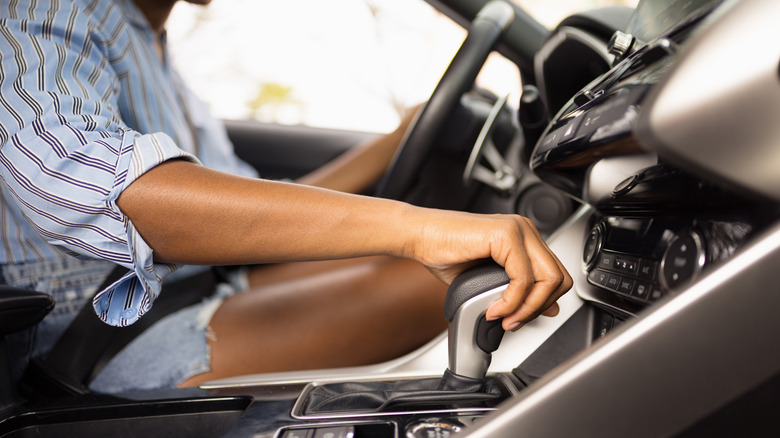
Credit: www.slashgear.com
Movement In Neutral Gear
When a car is in neutral gear, the engine is disconnected from the wheels. This means the car does not get power to move forward or backward by itself. Yet, the car can still move in certain situations. Understanding how a car behaves in neutral helps with safe driving and parking.
Can The Car Roll?
Yes, a car can roll in neutral gear. Without the engine connected, the wheels turn freely. On flat ground, the car might stay still, but on a slope, it can start rolling. Gravity pulls the car down the hill or incline. Drivers must use the parking brake to stop this movement.
Factors Affecting Movement
Several factors affect whether a car moves in neutral:
- Road slope:Steeper slopes increase rolling speed.
- Brake condition:Well-functioning brakes prevent rolling.
- Tire grip:Good tires hold the car in place better.
- Wind:Strong wind can push the car slightly.
- Weight:Heavier cars may roll slower but with more force.
Safety Concerns
Understanding the safety concerns around using neutral gear is crucial for every driver. While it might seem harmless to shift into neutral when the car is moving, it can lead to unexpected and dangerous situations. Let’s break down what risks you face and when you should avoid neutral gear to keep control and protect yourself on the road.
Risks Of Rolling In Neutral
When your car is in neutral, you lose engine braking, which means the vehicle can roll freely without resistance. This increases the risk of picking up speed, especially on slopes or declines, making it harder to control your car.
Imagine coasting down a hill in neutral and suddenly needing to brake quickly. Without engine braking, your brakes work harder and may overheat, reducing their effectiveness. This can lead to longer stopping distances and potential accidents.
Another danger is reduced control over your vehicle’s response. If an unexpected obstacle appears, you can’t accelerate quickly to avoid it. Have you ever found yourself in a situation where you needed to speed up immediately? Neutral gear takes that option away.
When To Avoid Neutral Gear
You should never use neutral gear when driving downhill or in heavy traffic. These situations require constant speed adjustments and quick reactions, which neutral gear limits.
Avoid shifting into neutral at intersections or when waiting to move. Keeping the car in gear allows you to move promptly if needed and prevents rolling backward on inclines.
Also, steer clear of neutral gear in slippery or wet conditions. The lack of engine control can make handling more difficult and increase the chance of losing traction.
Think about your daily drives—are there moments where you might be tempted to shift into neutral? Recognizing these situations helps you stay safer and more in control.
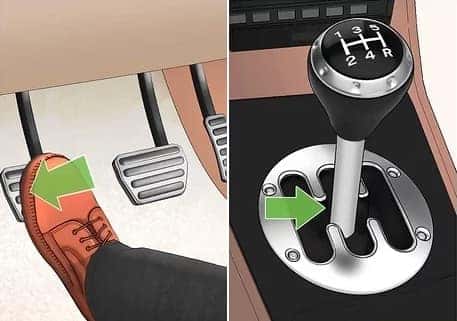
Credit: www.statewideford.com
Situations To Use Neutral
Using neutral gear in your car isn’t just about letting the vehicle roll freely. There are specific moments when shifting to neutral makes sense and can even protect your car’s transmission. Understanding these situations helps you drive smarter and avoid unnecessary wear.
At Traffic Lights
Many drivers wonder if they should keep the car in gear while waiting at red lights. Shifting to neutral can reduce strain on your transmission during long stops. It also lets your foot rest from holding the brake pedal constantly.
However, if the stop is brief, staying in drive might be easier and safer. Neutral at traffic lights works best when you expect to wait for a minute or more. Have you noticed how much less tiring it feels when you switch to neutral during long waits?
During Towing
Towing your car requires careful handling of the transmission. Putting the vehicle in neutral allows the wheels to turn freely without engaging the engine. This prevents damage, especially in automatic cars where towing with the transmission in gear can cause serious harm.
Always check your car’s manual before towing to confirm the proper procedure. Sometimes, additional steps like disconnecting the driveshaft or using a flatbed are necessary. Have you ever had to tow a car? Knowing when to use neutral can save you from costly repairs.
Effects On Transmission
The transmission is a key part of a car. It controls how power moves from the engine to the wheels. Using neutral gear affects the transmission in different ways. Understanding these effects helps keep the car in good shape.
Wear And Tear In Neutral
Driving in neutral reduces the load on the transmission. This means less stress on gears and components. But coasting in neutral for long periods can cause other issues. The transmission fluid flow may reduce, leading to less lubrication. Poor lubrication increases wear and tear inside the transmission. This can shorten its lifespan and cause costly repairs.
Impact On Fuel Efficiency
Fuel efficiency depends on engine load and speed. In neutral, the engine runs but does not drive the wheels. This can sometimes increase fuel use because the engine works harder to stay running. Modern cars have fuel-saving systems that cut fuel supply during deceleration. These systems do not work in neutral, which can lower fuel efficiency. Staying in gear is often better for saving fuel during slowdowns.
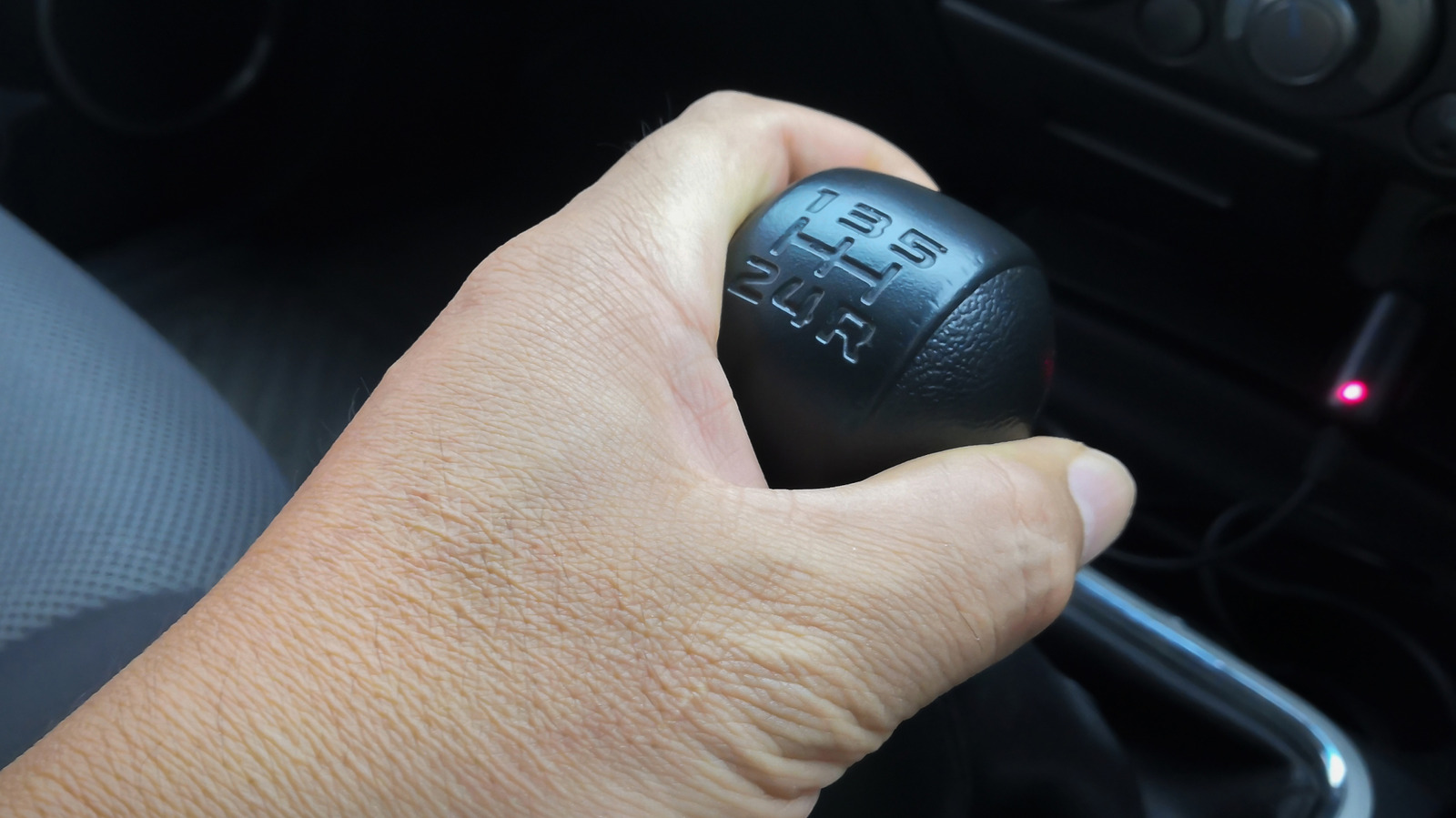
Credit: www.slashgear.com
Myths About Neutral Gear
Neutral gear often sparks debates among drivers. Many myths surround its use. Some believe it saves fuel, while others think it poses risks. This section will debunk common misconceptions and clarify the truth about neutral gear.
Common Misconceptions
Many drivers think putting a car in neutral saves fuel. This belief persists among both new and seasoned drivers. Another myth is that neutral gear can damage the car’s transmission. Some even argue it makes the car roll faster downhill. These misconceptions can affect driving habits.
Clarifying The Truth
Neutral gear doesn’t save fuel in modern cars. Engines are designed to be efficient while in gear. Rolling downhill in neutral can actually be unsafe. You have less control over the vehicle’s speed. Neutral doesn’t damage the transmission. It’s safe when used correctly. Understanding these truths helps improve driving practices.
Frequently Asked Questions
Can A Car Roll In Neutral Gear On A Slope?
Yes, a car can roll in neutral gear on a slope. Neutral disconnects the engine from the wheels. Gravity causes the vehicle to move downhill without engine power.
Is It Safe To Drive A Car In Neutral Gear?
No, driving in neutral is unsafe. It reduces your control over the vehicle. You can’t accelerate or respond quickly in emergencies.
Why Does A Car Move In Neutral Without Pressing Gas?
In neutral, the engine is disengaged. The car moves due to external forces like gravity or momentum. Pressing gas doesn’t affect movement when in neutral.
Can Neutral Gear Cause Damage To The Transmission?
Using neutral gear occasionally won’t harm the transmission. However, coasting in neutral frequently may cause wear. It’s best to use proper gears while driving.
Conclusion
Cars can move in neutral gear only when going downhill or pushed. Neutral gear disconnects the engine from the wheels, so the car won’t move on its own. Using neutral while driving can be unsafe and damage parts of the car.
Always keep control by using the right gear for the situation. Understanding how your car works helps you drive safely and save fuel. Remember, neutral is not for normal driving or slowing down. Stay alert and choose gears wisely to protect yourself and your vehicle.