
How Many Gears Can a Car Have: Have you ever wondered how many gears a car can have? Whether you’re curious about your own vehicle or thinking about buying a new one, understanding gears can change the way you drive.
Gears affect everything—from fuel efficiency to how smoothly your car handles different speeds. Keep reading, and you’ll discover surprising facts that could help you get the most out of your car’s performance. Don’t miss out on unlocking the secrets behind those gears!

Credit: ceylontoday.lk
Basics Of Car Gears
Understanding the basics of car gears helps you grasp how vehicles move smoothly. Gears control the power from the engine to the wheels. They adjust speed and force to match driving needs. Each gear has a specific role in this process. Knowing these basics can clarify how many gears a car might have.
Purpose Of Gears
Gears change the engine’s speed and torque. Torque means the force that turns the wheels. Low gears provide more torque but less speed. High gears give more speed but less torque. This balance helps the car start, climb hills, and cruise efficiently. Gears also improve fuel economy by keeping the engine at the right speed.
Types Of Transmission
Transmissions help change gears in a car. There are two main types:
- Manual Transmission:The driver shifts gears using a clutch and gear stick.
- Automatic Transmission:The car shifts gears automatically without driver input.
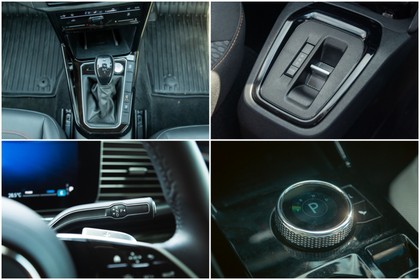
Some cars use variations like CVT (Continuously Variable Transmission). It offers a smooth range of gear ratios. Others have dual-clutch systems for faster gear changes. Each type affects how many gears a car can have and how it drives.

Credit: www.whocanfixmycar.com
Common Gear Counts In Cars
Cars use different gear counts depending on their transmission type. These gears help control speed and power. Knowing common gear counts helps understand how a car drives. Each transmission type offers unique gear numbers and functions.
Manual Transmission Gears
Manual cars usually have 5 or 6 gears. Some older models have only 4 gears. Sports cars may offer 7 gears for better speed control. Drivers shift gears by hand using a clutch pedal. More gears can improve fuel efficiency and performance.
Automatic Transmission Gears
Automatic cars often have 6 to 10 gears. Modern automatics use more gears to save fuel. Some luxury cars feature 8 or 9-speed automatics. The car shifts gears without driver input. This creates a smooth driving experience.
Cvt And Dual-clutch Systems
CVT transmissions do not have fixed gears. They use a belt and pulley system for smooth speed changes. Dual-clutch systems combine manual and automatic features. They often have 7 or more gears. These systems offer quick shifts and better fuel economy.
Factors Affecting Gear Numbers
The number of gears in a car isn’t random; it depends on several key factors that shape how the vehicle performs and feels on the road. Understanding these factors can help you appreciate why some cars have fewer gears while others boast a higher count. Let’s break down what influences the gear setup.
Engine Performance
Your car’s engine plays a huge role in deciding how many gears it needs. Engines with a wide power band might get by with fewer gears because they deliver power smoothly across a range of speeds.
On the other hand, high-performance engines, like those in sports cars, often require more gears to keep the engine in its optimal power zone. This maximizes acceleration and responsiveness, giving you better control and excitement behind the wheel.
Fuel Efficiency
Gears directly affect how efficiently your car uses fuel. More gears allow the engine to run at lower revolutions per minute (RPM) during cruising, which saves fuel.
Think about highway driving: with more gears, the engine doesn’t work as hard, so you spend less at the pump. Cars focused on economy often have transmissions with six or more gears to keep fuel consumption low.
Driving Conditions
Where and how you drive also matters. Vehicles designed for city driving with frequent stops and starts might have fewer gears to simplify shifting and reduce mechanical complexity.
Meanwhile, trucks or off-road vehicles often have additional gears or special low-range options to handle tough terrains and heavy loads. This flexibility lets you adapt to steep hills or rough surfaces without sacrificing control.
Advantages Of More Gears
Cars with more gears offer several advantages that enhance driving and vehicle performance. The extra gears help the engine run more efficiently at different speeds. This means better control, less fuel use, and a smoother ride. These benefits make cars with many gears popular among drivers who want comfort and efficiency.
Improved Acceleration
More gears let the car stay in the best power range longer. This helps the car speed up faster from a stop or when passing. The engine can deliver power more smoothly, avoiding sudden jumps in speed. Drivers feel more control and responsiveness on the road.
Better Fuel Economy
Extra gears keep the engine running at lower speeds during cruising. This lowers fuel use because the engine works less hard. The car uses less gas on highways and city roads. Saving fuel means spending less money and producing fewer emissions.
Smoother Driving Experience
With more gears, gear changes happen more gently. This reduces jerks and noise while driving. The ride feels calm and comfortable, especially on long trips. Drivers enjoy less fatigue and a relaxed driving style.
Limits On Gear Counts
Cars come with a variety of gear counts. Gear counts affect performance, efficiency, and cost. Understanding the limits on gear counts is crucial for car enthusiasts. Let’s explore the different factors that influence gear counts.
Mechanical Complexity
Adding more gears increases mechanical complexity. Each gear requires precise engineering and manufacturing. More gears mean more moving parts, increasing the chance of malfunctions. Complex systems require skilled technicians for repairs. Balancing gear count and simplicity is key for manufacturers.
Cost Implications
More gears can lead to higher costs. Manufacturing additional gears involves more materials and labor. This increase affects the car’s final price. Consumers may face higher maintenance costs with more gears. Automakers must weigh the benefits against the added expenses.
Maintenance Concerns
More gears can complicate maintenance. Complex transmissions need expert attention. Regular servicing is essential to keep them running smoothly. Neglecting maintenance can lead to costly repairs. Car owners should consider these factors before opting for more gears.
Credit: www.cardekho.com
Future Trends In Car Gears
The future of car gears is shaping up to be as dynamic as the vehicles themselves. As technology advances, the traditional concept of gears is evolving, influenced by the rise of electric vehicles and innovations in transmission systems. Understanding these trends can help you appreciate how your next car might feel and perform differently on the road.
Electric Vehicles And Gearboxes
Electric vehicles (EVs) often use simpler transmission systems compared to conventional cars. Many EVs operate efficiently with just a single-speed gearbox because electric motors deliver instant torque across a wide range of speeds.
This simplicity reduces mechanical complexity and maintenance needs. However, some high-performance electric cars are experimenting with multi-speed gearboxes to improve acceleration and top speed. How might this affect your driving experience in the future?
Innovations In Transmission Technology
Transmission technology is moving towards more efficient and adaptive systems. Continuously Variable Transmissions (CVTs) and dual-clutch transmissions (DCTs) are becoming more common, offering smoother shifts and better fuel economy.
Researchers are also developing smart transmissions that use sensors and AI to optimize gear changes based on your driving style and road conditions. Imagine a car that adjusts its gears to your mood and the environment—how would that change your daily drive?
Frequently Asked Questions
How Many Gears Do Typical Cars Have?
Most cars have between 5 to 8 gears. Manual cars often have 5 or 6 gears. Automatic cars may have 6 to 8 gears for smoother performance and fuel efficiency.
What Is The Maximum Number Of Car Gears?
Modern cars can have up to 10 gears, especially automatics. More gears help improve fuel economy and provide better acceleration control.
Why Do Cars Need Multiple Gears?
Multiple gears optimize engine power and fuel efficiency. They help cars adapt to different speeds and driving conditions effectively.
Do Electric Cars Have Gears?
Most electric cars have a single-speed transmission. They don’t require multiple gears because electric motors provide consistent torque across speeds.
Conclusion
Cars can have different numbers of gears, usually between four and ten. More gears help the engine run smoothly and save fuel. Some sports cars have fewer gears but shift faster. Automatic and manual transmissions work differently but both aim to improve driving.
Knowing gear counts helps you understand how a car performs. Every car suits different needs and roads. Choose a car with gears that fit your driving style. Gears make driving easier and more efficient. Simple but important to remember when buying or learning about cars.