

How Many Gears Does a Drag Car Have. Have you ever wondered how drag cars shift through their speeds so quickly? If you’re curious about how many gears a drag car actually has, you’re in the right place.
Understanding this can change the way you see these powerful machines and even improve your own racing knowledge. Stick with me, and by the end of this article, you’ll know exactly why gear count matters in drag racing—and how it affects performance on the track.
Ready to dive in? Let’s get started!

Credit: www.hotrod.com
Drag Car Gear Basics
Understanding drag car gear basics helps grasp how these machines deliver power. Gears control the engine’s power and speed. They let the car accelerate quickly on the strip. The number of gears affects performance and driver control. Each gear has a specific role in racing. This section explains the key gear concepts in drag racing.
Role Of Gears In Drag Racing
Gears transfer engine power to the wheels. They adjust torque and speed for the track. Lower gears provide high torque for fast starts. Higher gears help maintain top speed. Shifting gears at the right moment is crucial. It maximizes acceleration and prevents engine strain. Proper gear use can cut down race time.
Common Gear Configurations
Drag cars often use a few different gear setups. The choice depends on the car’s power and class. Common setups include:
- Two-speed automatic transmissions for quick shifts
- Three or four-speed manual transmissions for more control
- Multi-speed sequential gearboxes in high-end drag cars
Many drag cars use fewer gears than street cars. This keeps the transmission simple and strong. Gears are spaced to optimize acceleration and top speed. Racers adjust gear ratios to match engine power and track length.

Credit: www.autoweek.com
Typical Gear Counts In Drag Cars
Drag cars use different gear setups to match their power and track needs. Gear counts affect how quickly a car shifts and how well it uses its engine power. The number of gears in a drag car depends on its design and racing style.
Four-speed Transmissions
Four-speed transmissions are common in traditional drag cars. They offer a simple setup with fewer shifts. This helps drivers focus on quick, strong launches. Four gears provide a balance between speed and control. Many classic drag cars still use this setup for its reliability.
Five And Six-speed Options
Five and six-speed transmissions give more flexibility on the track. More gears allow smoother acceleration and better engine performance. Drivers can keep the engine in its best power range longer. These transmissions suit modern drag cars with higher horsepower. They help optimize speed over the quarter-mile distance.
Sequential Gearboxes
Sequential gearboxes shift faster than traditional manuals. They allow quick, precise gear changes without clutch use. This reduces time lost during shifts. Sequential gearboxes often have 5 or 6 speeds. They are popular in professional drag racing for maximum speed and control. Their design supports rapid acceleration and consistent performance.
Impact Of Gear Ratios On Speed
Gear ratios play a crucial role in how a drag car performs on the strip. They determine how power from the engine is transferred to the wheels, directly affecting both acceleration and top speed. Understanding this balance can help you fine-tune your car for the best possible run.
Acceleration Vs Top Speed
Lower gear ratios provide quicker acceleration by increasing torque to the wheels. This means your car can launch faster off the line, shaving precious milliseconds from your quarter-mile time.
However, if the gear ratios are too low, your top speed will suffer because the engine reaches its maximum RPM sooner. Higher gear ratios allow the car to reach greater speeds but at the cost of slower initial acceleration.
Think about what matters more for your runs—is it beating the clock in the first few seconds, or hitting a higher terminal velocity at the finish line? Your answer will guide your gear ratio choices.
Optimizing Gear Ratios For The Track
Track conditions and car setup heavily influence ideal gear ratios. A short track with quick shifts might favor closer, lower gears to keep the engine in its power band.
On longer tracks, you might want a wider spread of gears to balance between fast launches and high top speeds. Testing different setups and noting your elapsed times can reveal what works best.
- Review your engine’s power curve to match gear ratios effectively.
- Consider tire size, as it affects the final drive ratio and speed.
- Adjust gearing incrementally and record performance changes.
I remember tuning my own drag car and initially choosing a gear ratio that gave great acceleration but left me short on top speed. After a few test runs and gear swaps, I found the perfect balance that cut my time by nearly a tenth of a second. Could small changes in your gear setup unlock similar gains?
Transmission Types In Drag Racing
Transmission types play a vital role in drag racing performance. They control how power from the engine reaches the wheels. Different transmissions affect acceleration, speed, and gear shifts. Drag cars often use specialized transmissions to handle extreme power and quick shifts. Understanding these types helps explain how drag cars manage their gears.
Manual Vs Automatic Transmissions
Manual transmissions require the driver to change gears by hand. They offer precise control over gear shifts. Many drag racers prefer manuals for their direct feel and control. However, shifting too slowly can cost valuable time.
Automatic transmissions shift gears on their own using fluid pressure and electronics. They allow faster, smoother shifts without driver input. Many modern drag cars use automatics for consistent, quick gear changes. Automatics also handle high power better in some cases.
Both types have pros and cons. Manual transmissions give control but need skill. Automatics offer speed and ease but can be heavier or complex. The choice depends on the car’s setup and driver preference.
Role Of Clutches And Torque Converters
Clutches connect and disconnect the engine from the transmission in manual cars. They let drivers shift gears smoothly. In drag racing, clutches are built to handle high torque and quick engagement. A strong clutch prevents power loss during shifts.
Torque converters replace clutches in automatic transmissions. They transfer power using fluid coupling. Torque converters multiply engine torque, helping launch the car faster. High-performance converters lock up to improve efficiency at high speeds.
Both clutches and torque converters must be finely tuned. They ensure maximum power reaches the wheels. Proper setup reduces wheel spin and improves acceleration. Drag racers invest in these parts to gain crucial fractions of a second.
Adjusting Gears For Different Drag Cars
Drag racing is a sport where speed and precision matter. The number of gears in a drag car plays a vital role. Adjusting these gears helps the car perform its best. Different drag cars have unique gearing needs. Understanding these differences is crucial for success on the track.
Pro Stock Vs Funny Car Gearing
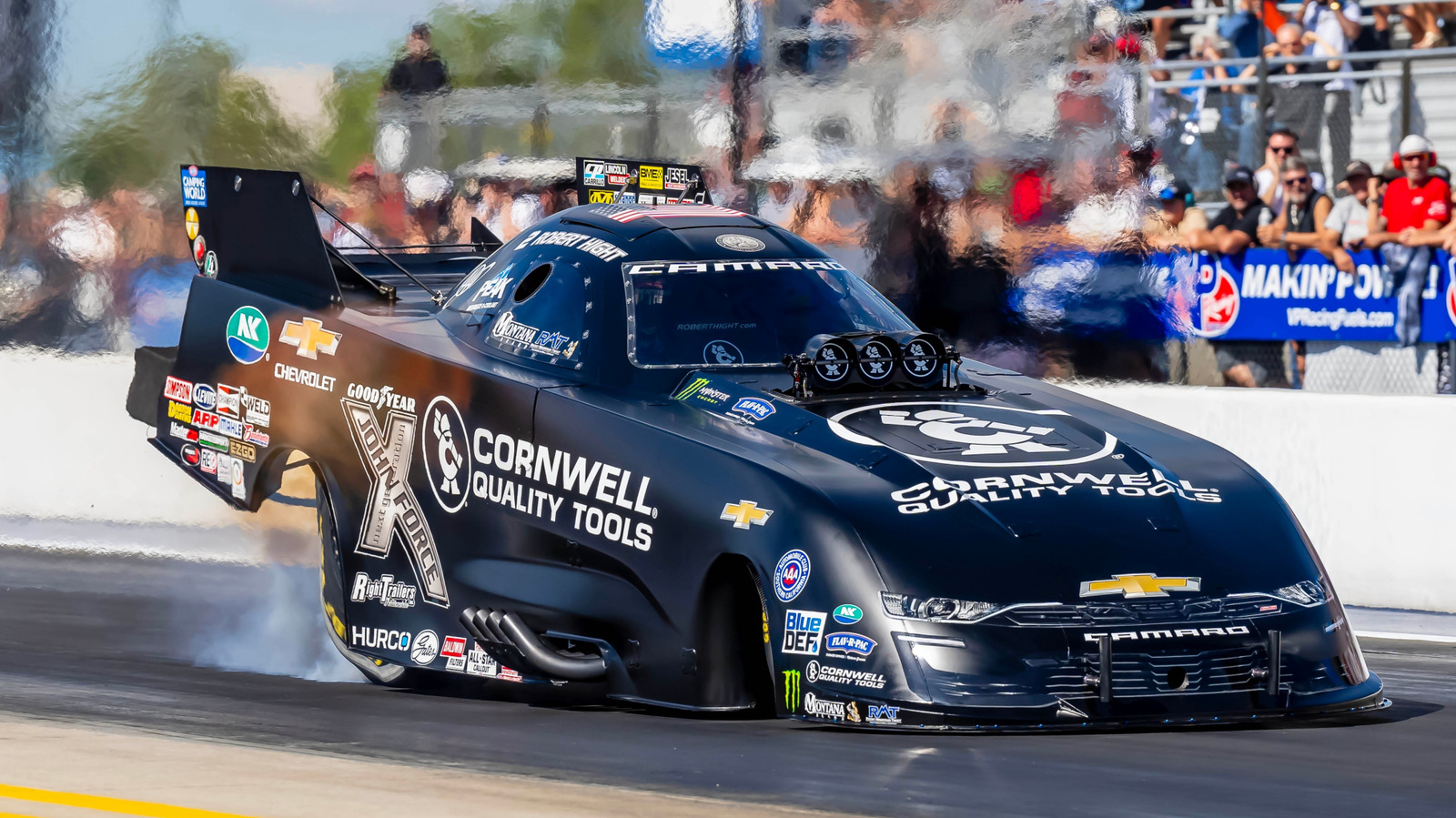
Pro Stock cars focus on precision and balance. They usually have five-speed transmissions. This allows for smooth power delivery and control. Drivers can manage speed effectively during a race. Funny Cars, on the other hand, are different. They often use two-speed transmissions. This setup suits their raw power and speed bursts. Their gearing is designed for quick acceleration and short bursts.
Electric Drag Car Gear Systems
Electric drag cars are becoming more popular. They have unique gear systems. Many use single-speed transmissions. This setup is efficient for electric motors. The simplicity offers consistent power delivery. It also reduces weight, which is important in drag racing. Electric drag cars focus on torque and instant power. This makes their gear systems quite different from traditional setups.
Gear Shifting Techniques For Maximum Speed
Gear shifting plays a crucial role in drag racing. Precise shifting can boost speed and improve race times. Drivers focus on timing and technique to keep the engine in its power band. This helps maintain maximum acceleration throughout the run.
Launch And Shift Timing
The launch sets the tone for the entire race. Shifting too early wastes power. Shifting too late risks hitting the rev limiter. The goal is to shift at the engine’s peak power RPM.
Drivers watch the tachometer closely. They shift just as the engine reaches its power peak. This keeps the car accelerating hard after every gear change. Perfect timing means smooth, fast transitions.
Minimizing Shift Time
Every millisecond counts during a shift. Quick shifts keep the car moving forward. Techniques like clutchless shifting reduce the time lost.
- Use precise throttle control to prevent engine bogging.
- Practice smooth, fast gear lever movements.
- Coordinate clutch and throttle for seamless shifts.
- Train to reduce hesitation between shifts.
Shorter shift times mean less speed drop. This leads to faster overall runs and better drag race results.
Future Trends In Drag Car Gearing
The future of drag car gearing holds exciting possibilities. Technology is evolving fast. This evolution will change how transmissions work in drag racing. The focus is on improving speed, efficiency, and control. Innovations aim to make gear shifts smoother and faster. These changes will impact performance on the track.
Advances In Transmission Technology
New materials make transmissions lighter and stronger. This reduces weight and boosts speed. Computer-controlled gearboxes improve shift timing. They adjust shifts for better power delivery. Automated transmissions reduce human error during races. These systems react faster than manual shifting. Multi-speed transmissions with more gears offer better acceleration control. This helps drivers maintain optimal engine power.
Impact Of Electric Powertrains
Electric drag cars use different gearing needs. Electric motors deliver instant torque. This reduces the need for many gears. Some electric drag cars run with a single-speed transmission. This simplifies the drivetrain and reduces mechanical loss. Future electric drag cars may use advanced gear systems for better efficiency. Electric powertrains also allow new designs in gear ratios. These designs focus on maximizing battery power and motor output.
Credit: www.slashgear.com
Frequently Asked Questions
How Many Gears Does A Typical Drag Car Have?
Most drag cars have 3 to 4 gears. This limited range helps optimize acceleration and power delivery during short, intense races.
Why Do Drag Cars Have Fewer Gears Than Regular Cars?
Fewer gears reduce weight and complexity. Drag cars focus on quick acceleration, so multiple gears are unnecessary and can slow down shifts.
Can Drag Cars Use Automatic Transmissions With Many Gears?
Drag cars usually avoid multi-gear automatics. They prefer manual or two-speed automatics to maximize control and faster, more reliable gear changes.
How Does Gear Count Affect A Drag Car’s Performance?
Fewer gears mean quicker shifts and better power use. More gears could cause delays and reduce the car’s explosive acceleration.
Conclusion
Drag cars usually have two to four gears. This limited number helps deliver power quickly. Fewer gears mean faster shifting and better speed control. Drag racing focuses on quick bursts, not long drives. Each gear plays a key role in acceleration.
Understanding gear count helps fans appreciate the sport more. The simplicity of gears suits the high-speed drag track. It’s all about speed and power in a short time. Knowing this makes watching drag races more exciting. Gears may be few, but their impact is big.