
Have you ever wondered how much safer your car is compared to vehicles from just a few decades ago? Every time you get behind the wheel, your safety depends on countless improvements made over the years.
From stronger frames to advanced airbags and smart technology, car safety has come a long way. You’ll discover the key changes that protect you and your loved ones on the road today. Keep reading to learn how these innovations work to keep you safer every time you drive.

Credit: www.consumerreports.org
Early Car Safety Measures
Early car safety measures laid the groundwork for the advanced protections we see in vehicles today. Back then, the focus was on simple yet effective solutions to reduce injuries during accidents. These initial steps were often overlooked by drivers but proved crucial in saving lives and changing how we think about road safety.
Basic Seatbelts And Their Impact
The introduction of basic seatbelts was a game-changer in car safety. At first, many drivers resisted wearing them, thinking they were uncomfortable or unnecessary. However, seatbelts quickly showed their value by significantly reducing fatal injuries in crashes.
Seatbelts keep you from being thrown forward during sudden stops. Imagine a sudden brake—without a seatbelt, the impact could send you flying inside the car. Wearing one is a simple step that can protect your life every time you drive.
Introduction Of Safety Glass
Early cars used regular glass, which could shatter into sharp, dangerous pieces during accidents. This often caused severe cuts and injuries to passengers. Safety glass was introduced to solve this problem by breaking into small, dull pieces instead.
Think about how much safer you feel when your windshield stays intact during minor collisions. This innovation made a huge difference by preventing glass-related injuries, giving you a clearer view and more protection on the road.
Early Crash Testing Methods
Before modern crash tests, engineers relied on basic, sometimes crude methods to understand car safety. They used dummies, filmed collisions, and even real crashes to see what parts of a car needed reinforcement. These early tests helped identify weak points and improve vehicle designs.
Have you ever wondered how car makers know which features keep you safe? Those early crash tests were the first steps toward today’s sophisticated safety evaluations that help protect you and your loved ones every time you drive.

Credit: www.carmudi.com.ph
Evolution Of Structural Design
The evolution of structural design in cars has dramatically reshaped how vehicles protect you during a crash. Over the years, engineers have focused on creating structures that absorb impact and keep the passenger cabin intact. This shift not only saves lives but also changes the way you experience safety on the road.
Crumple Zones And Energy Absorption
Crumple zones are areas of a car specifically designed to deform and absorb energy in a collision. Instead of the force hitting you directly, these zones take the hit and reduce the impact transferred to you. Imagine driving a car where the front and rear can gently collapse like a cushion; that’s how crumple zones work to protect your body.
These zones have been carefully tested and improved to handle different types of crashes, including front, side, and rear impacts. Have you ever wondered why modern cars look bulkier at the front? That space is often dedicated to effective crumple zones.
Reinforced Passenger Cabins
The passenger cabin, or safety cell, is now built to be incredibly strong. This reinforced area acts like a protective shell, preventing the car’s frame from collapsing inward during an accident. It means that even if the outside structure bends or crumples, your space remains secure.
You might notice that many newer cars have thicker pillars and stronger door frames. These aren’t just design choices—they help maintain the cabin’s integrity. Have you ever felt the solid click of a car door closing? That firmness is a sign of a reinforced cabin ready to protect you.
Use Of High-strength Materials
Car makers are now using materials that are lighter but much stronger than before. High-strength steel, aluminum alloys, and even carbon fiber parts help create a durable frame that can withstand severe impacts. This combination keeps the car light for better fuel efficiency while increasing your safety.
These materials also allow engineers to design cars with more precision, targeting exactly where strength is needed most. Next time you check your car’s specifications, see if it mentions advanced materials—it’s a good indicator of improved safety. What improvements in your car’s build might you have overlooked that actually protect you?
Advances In Restraint Systems
Advances in restraint systems have dramatically changed how vehicles protect you during a crash. These improvements focus on keeping you firmly in place and absorbing impact forces to reduce injury. Let’s look at how restraint technology has evolved to make your drives safer every day.
From Lap Belts To Three-point Seatbelts
Early cars only had simple lap belts, which secured your waist but left your upper body vulnerable. The introduction of the three-point seatbelt changed that by adding a shoulder strap, spreading crash forces across stronger parts of your body.
This design not only improves comfort but also prevents serious injuries like chest and head trauma. Do you always buckle up fully, or do you sometimes leave the shoulder belt loose? Tightening both parts can be the difference between minor bruises and serious harm.
Airbag Development And Deployment
Airbags started as a luxury feature but are now standard in nearly all vehicles. Early airbags deployed only in frontal crashes, but newer systems include side, curtain, and knee airbags to protect multiple body parts.
Modern airbags work with seatbelts to absorb impact energy and reduce the force hitting your body. Have you noticed how airbags deploy in a fraction of a second? That split-second timing is crucial to preventing injuries you might not even feel coming.
Child Safety Seats And Anchors
Child safety seats have saved countless young lives by providing tailored protection for smaller bodies. The introduction of standardized anchor points, like LATCH (Lower Anchors and Tethers for Children), makes installing these seats easier and safer.
Correct installation is key—an improperly secured seat can fail during a crash. Have you ever checked your child’s seat installation or asked a professional to help? Taking this extra step can keep your little ones secure on every trip.
Electronic Safety Features
Electronic safety features have transformed car safety. These systems help prevent accidents and protect drivers and passengers. They use sensors and computers to monitor the car’s condition and surroundings. These features react faster than humans in many cases. They make driving safer in various weather and traffic conditions.
Anti-lock Braking Systems (abs)
ABS stops wheels from locking during hard braking. It helps maintain steering control. This prevents skidding on slippery roads. ABS reduces stopping distance in emergencies. It works by rapidly pulsing the brakes. This allows the driver to steer while braking hard.
Electronic Stability Control (esc)
ESC helps keep the car stable during sharp turns. It detects loss of traction or skidding. The system applies brakes to individual wheels. This helps the driver regain control quickly. ESC is vital on wet or icy roads. It lowers the risk of rollovers and crashes.
Adaptive Cruise Control And Collision Avoidance
Adaptive Cruise Control adjusts speed based on traffic. It keeps a safe distance from the car ahead. This reduces driver fatigue on long trips. Collision Avoidance warns drivers of potential crashes. It can apply brakes automatically if needed. These features work together to prevent rear-end collisions.
Driver Assistance Technologies
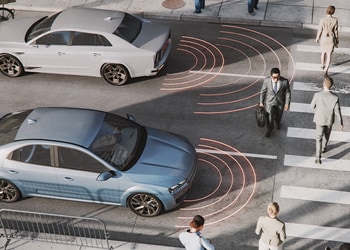
Driver assistance technologies have become a cornerstone in enhancing vehicle safety. These innovations not only reduce the likelihood of accidents but also make driving a more pleasant experience. As you navigate through traffic, these systems act as an extra pair of eyes, helping you stay aware of your surroundings.
Lane Departure Warning Systems
Lane departure warning systems are like a vigilant co-pilot keeping you on track. They alert you when your vehicle starts to drift out of its lane without signaling. Think about those long, monotonous drives where your mind might wander—these systems ensure you stay safe by nudging you back to focus.
Imagine the peace of mind knowing that even during brief lapses in attention, your car helps maintain your course. These systems often use cameras to detect lane markings, ensuring real-time feedback. Such technologies are paving the way for safer highways, one alert at a time.
Blind Spot Detection
Blind spot detection is a game-changer for many drivers, especially in congested traffic. This technology alerts you when vehicles are in your blind spots, those tricky areas you can’t see in your mirrors. It’s like having a guardian angel watching over your shoulders.
Have you ever been startled by a sudden honk when changing lanes? With blind spot detection, you receive gentle alerts before making such moves. This proactive approach not only prevents accidents but also boosts your confidence on the road.
Automatic Emergency Braking
Automatic emergency braking (AEB) can be a literal lifesaver. It steps in when a collision is imminent and you don’t react in time. This system applies the brakes automatically, reducing the severity of an impact or preventing it entirely.
Consider those moments when you’re momentarily distracted—perhaps adjusting the radio or attending to a passenger. AEB ensures that split-second distractions don’t turn into disasters. As more vehicles adopt this technology, the roads become safer for everyone.
Have you ever experienced any of these technologies firsthand? If so, how did they change your driving experience? These advancements are not just about safety; they enhance your overall driving journey. As more innovations emerge, the future of car safety looks promising and exciting.
Credit: www.lithia.com
Impact Of Crash Testing And Ratings
Crash testing and safety ratings have shaped car safety over time. These tests show how cars behave in accidents. They help car makers improve designs and protect passengers better. Safety ratings guide buyers to safer vehicles. This impact extends beyond technology to influence public awareness and regulations.
Role Of Ncap And Other Organizations
NCAP, or New Car Assessment Program, leads crash testing worldwide. It runs strict tests on new cars and scores their safety. Other groups like IIHS and Euro NCAP also test cars. They focus on different crash types and safety features. These organizations set clear safety standards for manufacturers.
Testing includes front, side, and rollover crashes. Cars receive star ratings based on performance. This system makes safety easy to understand. It pushes car companies to build safer vehicles to earn better scores.
Influence On Consumer Choices
Safety ratings affect what cars people buy. Buyers trust high-rated cars to protect them in crashes. Manufacturers highlight good ratings in ads and sales. This creates a market demand for safer cars.
Consumers look for features like airbags, crash avoidance, and strong frames. Ratings help compare these features clearly. The pressure from buyers encourages more safety innovations.
Continuous Improvement Through Testing
Crash tests keep evolving to match real-world crashes. New tests target child safety, pedestrian protection, and crash avoidance tech. Cars improve after each round of testing.
Manufacturers study test results to fix weak points. This cycle of testing and improving raises safety standards. It means cars today are much safer than decades ago.
Future Trends In Car Safety
The future of car safety looks promising with new technology shaping how vehicles protect passengers. Advances focus on smarter, faster responses to dangers on the road. Cars will work with their environment and other vehicles to prevent accidents before they happen.
Integration Of Ai And Machine Learning
Artificial intelligence helps cars learn from every trip. This tech improves systems like automatic braking and lane keeping. AI detects hazards faster than humans can. It adapts to different driving styles and road conditions. This leads to safer driving experiences for everyone.
Vehicle-to-everything Communication
Cars will talk to each other and to road infrastructure. This communication shares important data like traffic, accidents, and road hazards. Vehicles can warn drivers about dangers ahead or slow traffic. This reduces crashes and improves traffic flow. It creates a network where every vehicle is aware of its surroundings.
Autonomous Driving Safety Innovations
Self-driving cars use sensors and cameras to navigate safely. Future models will better handle complex traffic and weather conditions. They reduce human errors, the main cause of accidents. These cars follow strict safety rules and make decisions quickly. Autonomous technology will make roads safer for all users.
Frequently Asked Questions
How Have Car Safety Features Evolved Over Time?
Car safety features have evolved significantly, from basic seat belts to advanced airbags. Modern cars include electronic stability control, collision warning, and automatic emergency braking, enhancing driver and passenger protection.
What Role Does Technology Play In Car Safety Improvements?
Technology plays a crucial role by integrating sensors, cameras, and AI. These systems help prevent accidents, improve crash detection, and assist in safer driving through real-time alerts and automatic interventions.
How Have Crash Test Standards Improved Car Safety?
Crash test standards have become more rigorous and detailed. They now assess multiple impact types and occupant protection levels, pushing manufacturers to design safer vehicles with improved structural integrity.
Why Are Airbags Important In Modern Car Safety?
Airbags reduce injury risk by cushioning occupants during collisions. They deploy instantly to protect the head and chest, significantly lowering fatality rates in crashes.
Conclusion
Car safety has come a long way over the years. Cars today protect drivers and passengers much better. Features like airbags, seat belts, and crash tests save many lives. Technology helps avoid accidents before they happen. Roads feel safer with these improvements.
Everyone benefits from these changes. Staying informed about car safety helps us all make smart choices. Safety will keep growing as new ideas emerge. The journey to safer cars continues every day.