
Have you ever been driving and suddenly found that you can’t change gears in your car? It’s a frustrating problem that can leave you stuck and unsure of what to do next.
If this has happened to you, you’re not alone—and there’s a reason behind it. You’ll discover the most common causes of gear shifting issues and simple steps you can take to fix them. Keep reading, because understanding what’s happening under the hood could save you time, money, and a lot of stress on the road.

Credit: www.carparts.com
Common Causes Of Gear Shifting Problems
Gear shifting problems can be frustrating, especially when you’re in the middle of a drive. Understanding the common causes helps you pinpoint the issue quickly and avoid further damage. Let’s look at some frequent reasons why your car might struggle to change gears.
Worn Clutch Components
Your clutch plays a crucial role in smooth gear shifting. Over time, clutch plates and discs wear down, making it difficult to engage or disengage gears properly. If you notice a burning smell or slipping gears, worn clutch parts could be the culprit.
Have you ever felt the clutch pedal becoming softer or harder to press? This can signal wear or damage in the clutch assembly, and ignoring it might lead to complete clutch failure.
Low Transmission Fluid
Transmission fluid lubricates and cools the moving parts inside your gearbox. Low fluid levels cause increased friction, making gear shifts rough or impossible. Checking your fluid regularly can prevent this common issue.
Leaks often cause fluid loss, so look for puddles under your car or a drop in fluid levels on the dipstick. Have you checked your transmission fluid lately?
Faulty Linkage Or Cables
The gear linkage and cables connect your gear lever to the transmission. If these parts are damaged or misaligned, your car may not shift gears smoothly or at all. Sometimes, a simple adjustment or replacement can restore proper function.
Listen for unusual noises or stiffness when you move the gear lever—these are signs that the linkage needs attention. Could your shifting problem be as simple as a loose cable?
Transmission Fluid Contamination
Dirty or contaminated transmission fluid can cause gears to slip or hesitate. Over time, debris and metal shavings build up, reducing the fluid’s effectiveness. Flushing and replacing the fluid can often solve this problem.
Regular maintenance helps keep your transmission fluid clean and your gears shifting smoothly. When was the last time you had your transmission fluid changed?
Credit: www.sunautoservice.com
Quick Fixes For Manual Transmission
Manual transmission problems can be frustrating, especially when the gears won’t change. Quick fixes can save time and money before visiting a mechanic. These simple checks often solve common gear-shifting issues.
Checking And Adjusting Clutch Pedal
Start by pressing the clutch pedal fully. Notice if it feels loose or stiff. A loose pedal might need adjustment to engage the gears properly. Locate the clutch pedal adjustment bolt under the dashboard or near the pedal. Turn it to change pedal height or free play. Proper adjustment helps the clutch fully disengage, allowing smooth gear changes.
Inspecting Transmission Fluid Levels
Transmission fluid keeps gears lubricated and cool. Low fluid can cause grinding or trouble shifting. Find the transmission fluid dipstick, usually near the engine. Pull it out, wipe clean, and reinsert. Pull again to check the fluid level. Add the recommended fluid if the level is low. Avoid overfilling, as it can cause leaks or damage.
Lubricating Linkages
Gear linkages connect the gear stick to the transmission. Dirt or rust can block smooth movement. Spray a lubricant on the linkage joints and moving parts. Use a light machine oil or a spray designed for car parts. Move the gear stick through all gears to spread the lubricant. This simple step can free up stiff gear shifts.
Using Starter Fluid To Free Stuck Gears
Sometimes gears stick due to dirt or grime buildup. Applying a small amount of starter fluid can help loosen them. Spray a little around the gear linkage and inside the transmission housing if accessible. Let it sit for a few minutes to penetrate. Then, try shifting gears gently. Avoid excessive use to prevent damage to seals and components.
Quick Fixes For Automatic Transmission
Automatic transmission problems can be frustrating, especially if the car won’t change gears. Many issues have simple fixes that do not require a mechanic. Quick checks and small adjustments often solve the problem. These tips help get your car shifting smoothly again.
Verifying Transmission Fluid Condition
Transmission fluid keeps gears moving smoothly. Check the fluid level using the dipstick. The fluid should be bright red or pink. Dark or burnt-smelling fluid means it needs changing. Low or dirty fluid can cause gear shifting problems. Add or replace fluid as needed. Use the type recommended in your car’s manual.
Resetting The Transmission Control Module
The transmission control module (TCM) manages gear shifts electronically. Sometimes, it needs a reset to fix glitches. Disconnect the car battery for about 15 minutes. This resets the TCM and clears minor errors. Reconnect the battery and start the car. This simple reset can restore normal shifting.
Checking For Shift Lock Release
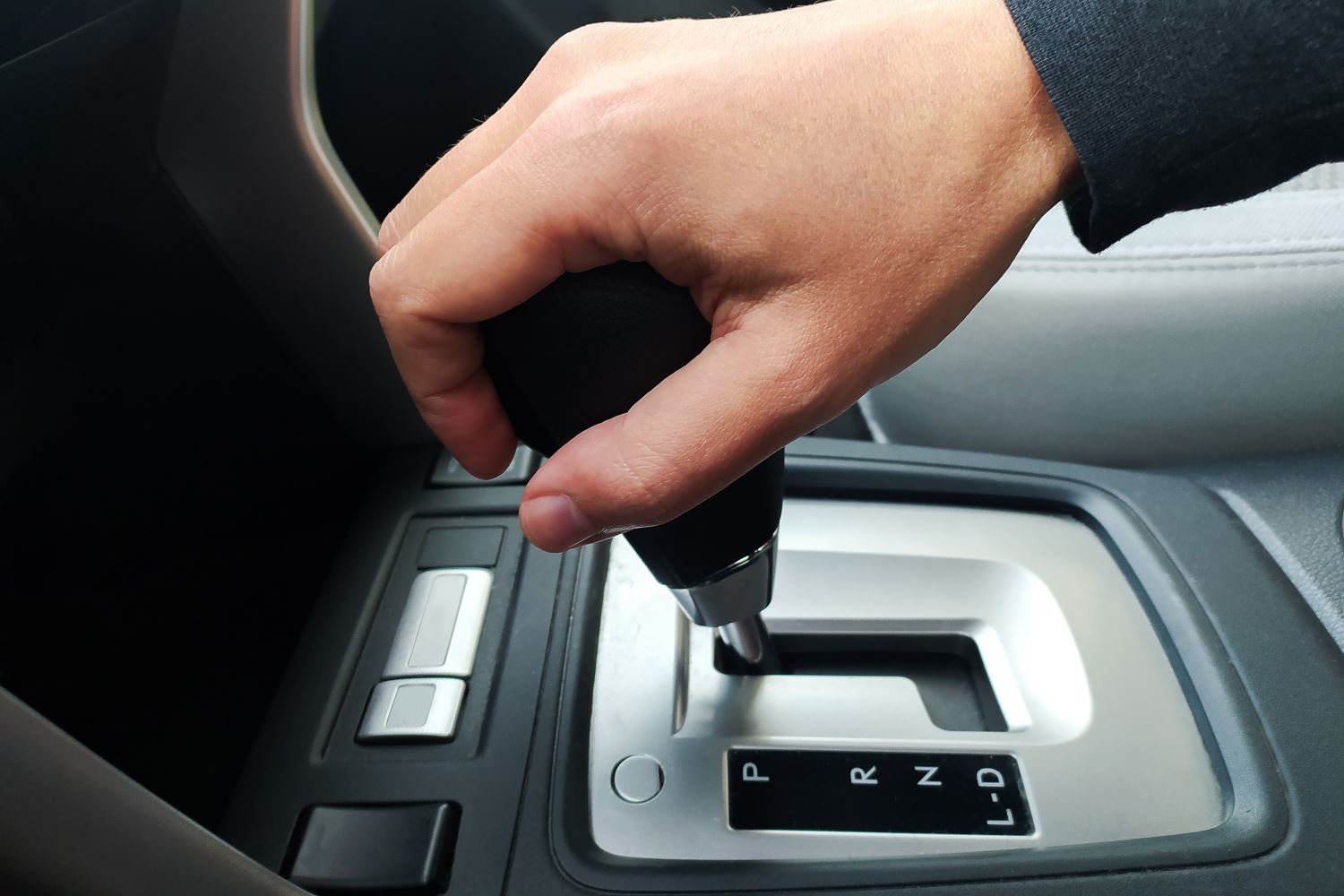
Shift lock prevents accidental gear changes. It may get stuck and stop shifting. Find the shift lock release slot near the gear lever. Insert a key or flat tool into the slot. Press gently while trying to shift gears. This bypass helps release the lock and allows gear changes.
Tapping Transmission Pan To Loosen Stuck Components
Sometimes parts inside the transmission pan get stuck. Light tapping can free these components. Use a rubber mallet to tap the transmission pan gently. Avoid hitting too hard to prevent damage. Tapping may release stuck parts and restore gear movement. This fix works for minor internal jams.
Credit: www.carparts.com
When To Seek Professional Help
Knowing when to seek professional help for gear shifting problems can save you from costly repairs and keep you safe on the road. Minor hiccups might seem manageable, but some signs indicate deeper issues that require expert attention. Ignoring these warning signals can lead to complete transmission failure or leave you stranded unexpectedly.
Persistent Gear Shifting Issues
If your car consistently struggles to change gears, it’s a clear sign that something isn’t right. You might notice delays or resistance when shifting, or the gear lever might feel unusually stiff or loose. These problems often point to worn-out components or transmission fluid issues that need a mechanic’s diagnosis.
Unusual Noises Or Smells
Pay close attention if you hear grinding, clunking, or whining sounds when shifting gears. Strange noises often indicate internal damage or low transmission fluid. Similarly, a burning smell could mean your transmission is overheating or the fluid is deteriorating, both of which require immediate professional inspection.
Transmission Warning Lights
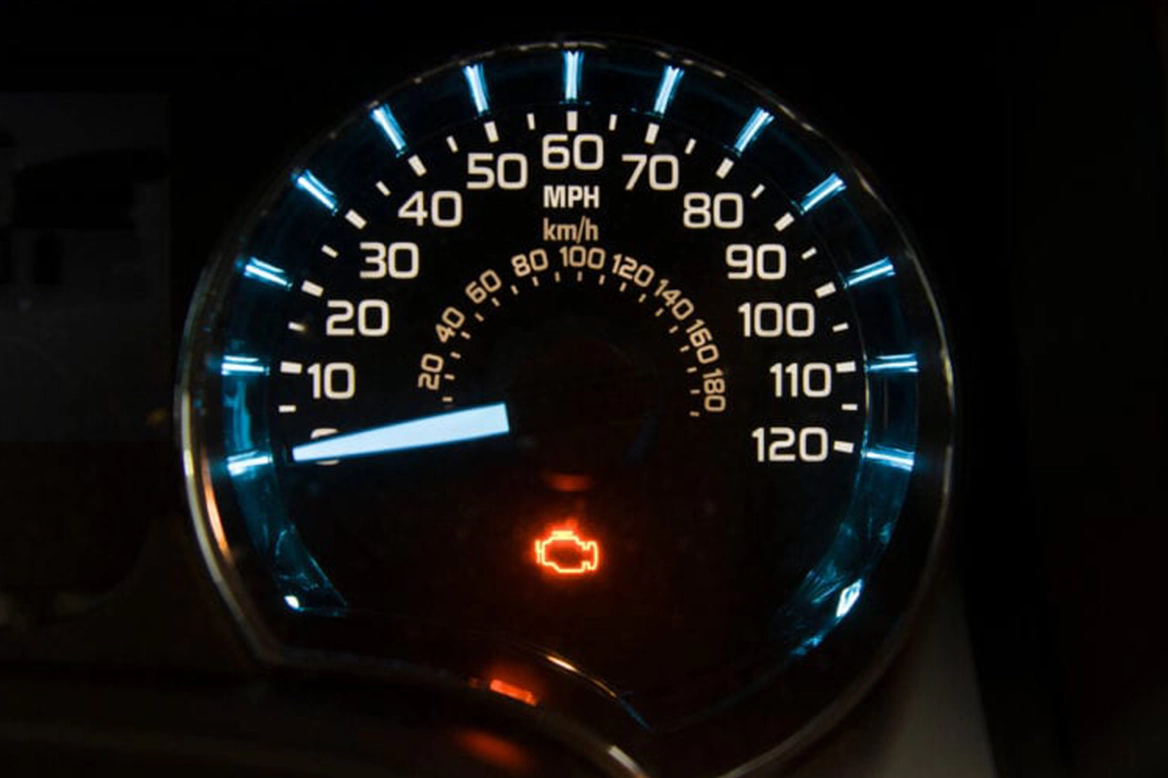
Your dashboard warning lights are there for a reason. If the transmission or check engine light turns on and stays lit, don’t ignore it. These lights can signal a range of problems, from sensor failures to serious transmission malfunctions, and should prompt a visit to the repair shop without delay.
Fluid Leaks Under The Vehicle
Notice any puddles or spots of red or brown fluid under your car? Transmission fluid leaks can lead to low fluid levels and cause shifting problems. Spotting these leaks early and getting them fixed by a professional can prevent more severe damage and keep your transmission running smoothly.
Preventive Tips To Avoid Gear Problems
Regularly check your car’s transmission fluid to keep gears shifting smoothly. Avoid sudden gear changes and keep the clutch properly adjusted to prevent issues. Routine maintenance helps catch problems early and extends gear system life.
Preventive Tips to Avoid Gear Problems Gear problems in your car can be a major headache, but the good news is that many issues can be prevented with regular care and attention. By incorporating a few simple habits into your routine, you can keep your vehicle’s transmission running smoothly and avoid the frustration of gears refusing to change. Let’s explore some practical tips that can save you from costly repairs and keep you safely on the road.Regular Transmission Maintenance
Routine transmission maintenance is crucial for preventing gear issues. Ensure that you have your transmission fluid checked regularly. A clean and adequate level of transmission fluid helps maintain smooth gear shifts. Keep an eye on the transmission system for any leaks or strange noises. These could be early signs of trouble. Regular check-ups with a trusted mechanic can spot potential problems before they become serious.Proper Clutch Usage
Using the clutch properly is essential to maintaining the health of your gears. Avoid resting your foot on the clutch pedal while driving, as this can lead to unnecessary wear. Ensure you fully depress the clutch pedal when shifting gears to prevent grinding. It’s also important to release the clutch smoothly and gradually. This helps in reducing stress on the transmission and prolongs its life. Are you guilty of riding the clutch? It’s time to break that habit for the sake of your car!Avoiding Overloading The Vehicle
Overloading your vehicle puts extra strain on your transmission. Check your car’s manual for its maximum load capacity. Keeping within this limit ensures that the gears are not overworked. Distribute weight evenly when loading your car. This balance prevents unnecessary stress on the transmission, making gear shifts smoother. Next time you plan a road trip, consider what’s really necessary to bring along.Using The Correct Transmission Fluid
Using the right transmission fluid is crucial for your car’s performance. Different cars require specific types of transmission fluid, so always refer to your vehicle’s manual. Using the wrong type can lead to inefficient gear shifts and potential damage. Regularly change the transmission fluid as recommended by the manufacturer. Clean fluid not only ensures smooth operation but also extends the life of your transmission. Are you using the right fluid for your car? It might be time to double-check!Frequently Asked Questions
Why Can’t I Change Gears In My Car?
You may have a clutch issue, low transmission fluid, or a faulty gear linkage. These problems prevent smooth gear shifting and need inspection.
How To Fix A Car That Won’t Change Gears?
Check the clutch for wear, ensure transmission fluid is sufficient, and inspect gear linkages. Professional help may be required for complex issues.
Can Low Transmission Fluid Cause Gear Shifting Problems?
Yes, low transmission fluid can cause gears to stick or slip. Maintaining proper fluid levels is crucial for smooth gear changes.
Is A Worn Clutch Causing Gear Change Issues?
A worn clutch can prevent gears from engaging properly. If you hear grinding or feel resistance, the clutch might need replacement.
Conclusion
Struggling to change gears can stop your car from working well. Check the clutch, gearbox, and fluid first. Small fixes often solve big problems. Don’t ignore strange noises or stiffness when shifting. Regular car care keeps gears smooth and safe.
Trust your instincts and act quickly to avoid damage. Driving feels better with smooth gear changes. Stay calm, check the basics, and get help if needed. Your car depends on proper gear shifting every time you drive.