
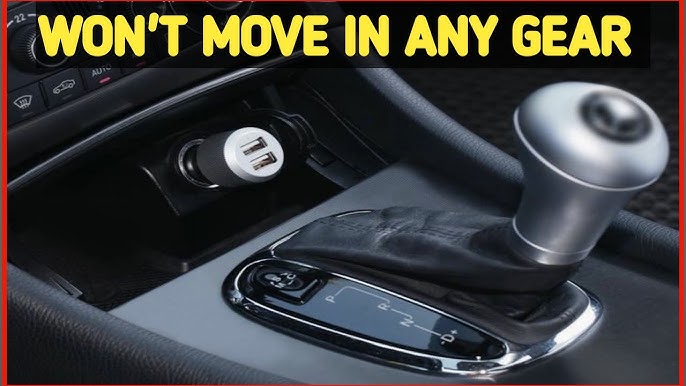
Can’T Change Gears When Car is Running: Have you ever tried to shift gears while driving, only to find your car stuck and refusing to respond? It’s frustrating and can even be dangerous if you don’t know what to do next.
If you’re struggling with the problem of not being able to change gears when your car is running, you’re not alone. This issue can stop you in your tracks and leave you feeling helpless behind the wheel. But don’t worry—understanding why this happens and how to fix it can save you time, money, and stress.
Keep reading to discover the common causes and simple solutions that will get your car shifting smoothly again.
Common Causes Of Gear Shifting Issues
Struggling to change gears while your car is running can be frustrating and even dangerous. Understanding the common causes of gear shifting issues helps you pinpoint the problem faster and avoid costly repairs. Let’s look at some typical reasons why your car might resist shifting gears smoothly.
Low Transmission Fluid Levels
Transmission fluid lubricates the moving parts inside your gearbox. If the fluid level is low, the gears won’t engage properly, causing difficulty in shifting.
Have you checked your transmission fluid recently? A simple fluid top-up or replacement might solve your gear problems quickly.
Worn Clutch Components
The clutch controls gear engagement in manual cars. If your clutch plate or release bearing is worn out, it won’t disengage the engine correctly.
This can make shifting gears feel stiff or even impossible. Pay attention to any slipping or unusual noises when pressing the clutch pedal.
Faulty Gear Linkage
Gear linkage connects your gear lever to the transmission. If it’s damaged or misaligned, the gears won’t respond as expected.
Sometimes, a loose or broken linkage can be adjusted or replaced without a full transmission overhaul. Could your gear lever feel loose or out of place?
Transmission Fluid Contamination
Dirty or contaminated transmission fluid loses its ability to lubricate and protect gears. This leads to grinding or hard shifting.
Regular fluid changes keep your transmission healthy. If you notice a burnt smell or dark fluid, it’s time for a fluid flush.
Damaged Synchronizers
Synchronizers help match gear speeds to allow smooth shifting. When they wear out, you may hear grinding noises or feel resistance during gear changes.
Ignoring this can cause more serious damage. Do you hear any unusual sounds when shifting gears?
Problems With The Shift Cable
The shift cable transmits your gear selection from the lever to the transmission. If it’s stretched, frayed, or broken, shifting becomes difficult or impossible.
Replacing a faulty shift cable is often a straightforward fix. Have you noticed your gear lever feels unusually loose or doesn’t move smoothly?
Signs Of Gear Problems While Driving
Noticing signs of gear problems while driving can save you from unexpected breakdowns and costly repairs. If your car struggles to change gears smoothly, it’s a clear signal that something isn’t right. Paying attention to these warning signs helps you act quickly and keep your vehicle running safely.
Difficulty Moving The Gear Stick
If you find it hard to move the gear stick, especially while the car is running, it points to possible issues with the clutch or transmission linkages. You might feel resistance or stiffness that wasn’t there before. Have you ever had to force your gear lever just to get into the right gear? This struggle often means internal parts need inspection or adjustment.
Grinding Or Unusual Noises
Grinding sounds when shifting gears are more than just annoying—they can indicate worn-out synchronizers or damaged gears. Such noises usually come with a rough or jerky feeling during gear changes. Ignoring these sounds can lead to more severe transmission damage, so listen carefully to your car’s “voice.”
Gear Slipping Or Sticking
When your car unexpectedly slips out of gear or the gear sticks and won’t move smoothly, it’s a red flag. This could mean your transmission fluid is low or contaminated, or that internal components are wearing out. Have you ever experienced your car unexpectedly jumping to neutral? That experience should prompt an immediate check-up.
Delayed Gear Engagement
Do you notice a lag between shifting gears and the car actually responding? Delayed gear engagement often signals clutch problems or transmission fluid issues. This delay reduces your control over the vehicle and can be dangerous, especially in traffic. How comfortable do you feel driving when your car hesitates to respond?
Simple Fixes To Try At Home
Experiencing trouble changing gears while your car is running can be frustrating. Many common issues can be fixed easily at home. Simple checks and adjustments often restore smooth gear shifts. These fixes save time and money by avoiding trips to the mechanic. Follow these tips to troubleshoot your car’s gear shifting problems safely.
Check And Refill Transmission Fluid
Low or dirty transmission fluid causes gear shifting problems. Locate the transmission fluid dipstick under the hood. Pull it out, wipe it clean, then dip it again to check the level. The fluid should be bright red or pink and clear. If it looks dark or smells burnt, it needs changing. Add the correct fluid type to the recommended level. Avoid overfilling, which can cause damage.
Adjust The Clutch Pedal
A poorly adjusted clutch pedal can stop smooth gear changes. Check the pedal’s free play by pressing it gently. There should be slight movement before resistance. Too much or too little free play affects clutch release. Adjust the clutch cable or hydraulic system to correct this. Proper pedal adjustment ensures gears engage and disengage properly.
Lubricate Gear Linkage
Stiff or sticky gear linkage restricts gear movement. Locate the gear linkage under the car or near the transmission. Apply a suitable lubricant to all pivot points and joints. Use grease or spray lubricant designed for car parts. Lubrication reduces friction and helps gears shift more smoothly. Regular lubrication prevents future gear shifting issues.
Inspect And Replace Shift Cable
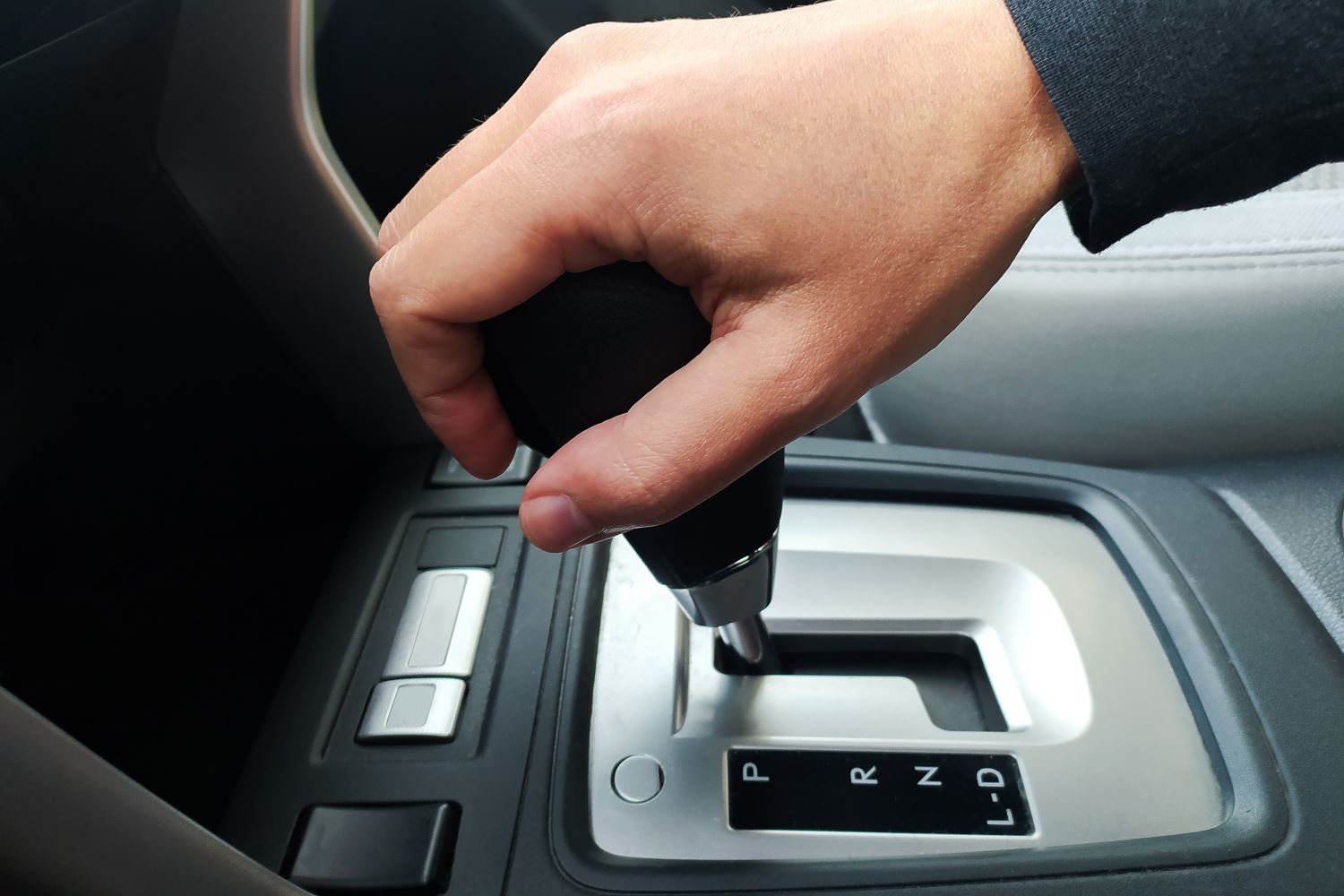
A worn or stretched shift cable can cause gear shifting problems. Check the cable for visible wear, cracks, or damage. If the cable looks faulty, it needs replacement. Disconnect the old cable from the gear lever and transmission. Install a new cable matching your car’s specifications. A fresh shift cable restores precise gear control and smooth shifting.
Credit: www.carparts.com
When To Seek Professional Help
Knowing when to seek professional help is crucial for car health. Gear shifting issues might seem minor at first. But ignoring them can lead to bigger problems. Timely intervention can save money and stress. Understanding key signs helps decide the right moment to visit a mechanic.
Persistent Gear Shifting Problems
Difficulty changing gears often signals a serious issue. If the car struggles to shift repeatedly, do not delay repairs. Strange noises or grinding sounds during shifting need attention. Avoid forcing the gear lever, which may cause more damage. Persistent problems suggest worn or damaged parts needing expert care.
Signs Of Transmission Damage
Transmission issues affect the whole car’s performance. Warning signs include slipping gears, delayed engagement, or unusual vibrations. Check for fluid leaks or burning smells. These symptoms indicate potential transmission failure. Ignoring them risks costly repairs or total transmission replacement. A professional mechanic can diagnose and fix these problems.
Clutch Replacement Needs
The clutch controls gear changes in manual cars. Signs of clutch wear include a spongy pedal or difficulty in shifting gears. If the clutch slips or makes noise, it may need replacement. Delaying clutch repair worsens the problem and affects driving safety. A mechanic can assess clutch health and recommend replacement if needed.
Preventive Maintenance Tips
Shifting gears while the car is running can damage the transmission. Regularly check the clutch and gear system for smooth operation. Avoid forcing the gear lever to prevent costly repairs.
When your car refuses to change gears while running, it can be more than just a minor inconvenience. To prevent such frustrating moments, integrating preventive maintenance into your routine is crucial. By doing so, you can extend the life of your transmission and ensure your car operates smoothly.
Regular Fluid Checks And Changes
Checking and changing transmission fluid is a simple yet effective maintenance step. Dirty or low fluid can lead to gear shifting issues. Make it a habit to check fluid levels monthly and replace the fluid as per your car manufacturer’s recommendations. Neglecting this can lead to costly repairs down the line. I’ve learned this the hard way when I ignored a fluid leak, resulting in my car getting stuck in neutral during a busy morning. You don’t want to experience that!
Proper Clutch Usage
Clutch usage plays a critical role in gear shifting. Avoid riding the clutch or using it excessively, as this can wear out the clutch and cause gear changing issues. Always press the clutch fully when shifting gears. Many drivers develop bad habits over time, like resting their foot on the clutch pedal, which can lead to premature wear. Do you often find yourself doing this unconsciously?
Routine Transmission Inspections
Regular inspections by a professional can identify potential issues before they become significant problems. They can check for worn-out parts and recommend replacements if necessary. Consider scheduling an inspection every year or every 20,000 miles, whichever comes first. This proactive approach can save you from unexpected breakdowns. Have you scheduled your next inspection yet? By adopting these preventive maintenance tips, you can ensure your car’s transmission remains in top condition, providing you with a smoother driving experience.

Credit: www.youtube.com

Credit: www.carparts.com
Frequently Asked Questions
Why Can’t I Change Gears While Car Is Running?
You can’t change gears while the car is running without proper clutch use. The clutch disengages the engine from the wheels. Without it, gear teeth grind, causing damage and difficulty in shifting smoothly.
What Causes Gear Shifting Problems In A Running Car?
Gear shifting problems arise from clutch issues, low transmission fluid, or worn gear synchronizers. These factors prevent smooth gear engagement, making it hard to change gears when the car is moving.
Is It Harmful To Force Gear Changes While Driving?
Yes, forcing gear changes damages the transmission and clutch components. It leads to costly repairs and unsafe driving conditions. Always use the clutch and shift gears gently to avoid damage.
How To Fix The Inability To Change Gears While Driving?
Check the clutch pedal and transmission fluid levels first. If issues persist, inspect for worn clutch plates or damaged synchronizers. Professional mechanical service is often required to fix gear change problems.
Conclusion
Changing gears while your car runs is not always easy. Problems can happen due to clutch issues or gearbox faults. Fixing these quickly keeps your car safe and working well. Regular checks help avoid gear problems on the road. Always listen to strange sounds or feel unusual resistance.
Taking care of your car saves money and stress. Drive safely and pay attention to your car’s signals. Simple steps prevent bigger troubles later. Keep your vehicle smooth and reliable every time you drive.