

Are you wondering if AppleCare covers all your devices? You’re not alone.
When you invest in Apple products, protecting them is important. But does one AppleCare plan cover everything you own, or do you need separate coverage? Knowing the answer can save you time, money, and stress. Keep reading to find out exactly what AppleCare covers and how it works for your devices.
This information will help you make smart choices to keep your Apple gear safe.

Credit: www.pcmag.com
Applecare Coverage Basics
Understanding AppleCare coverage basics can save you from unexpected repair costs and give you peace of mind about your Apple devices. Knowing what devices are eligible, the types of plans available, and how long coverage lasts will help you decide if AppleCare is right for you. Let’s break down these key points so you can make an informed choice.
Devices Eligible For Applecare
AppleCare isn’t available for every product Apple sells, so it’s important to know which devices qualify. Most Apple devices like iPhones, iPads, Macs, Apple Watches, and AirPods can have AppleCare coverage. However, eligibility often depends on the device’s purchase date and condition.
For example, if you recently bought a MacBook, you can add AppleCare within 60 days of purchase. But older devices or refurbished items might have restrictions or different coverage options. Have you checked your device’s eligibility before considering AppleCare?
Types Of Applecare Plans
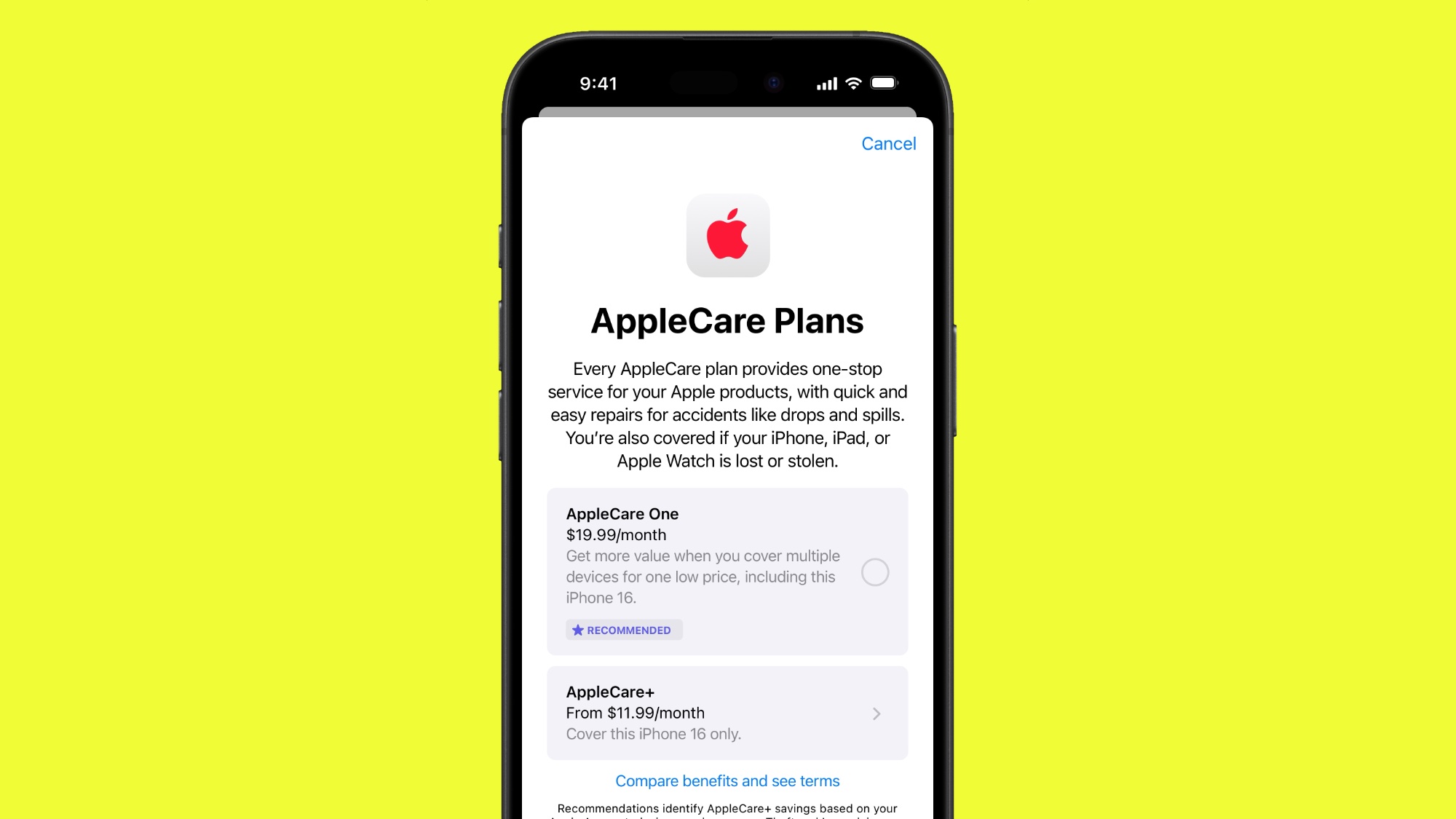
Apple offers different AppleCare plans tailored to various devices and user needs. The most common are AppleCare+ and AppleCare Protection Plan. AppleCare+ includes coverage for accidental damage along with extended technical support, while the Protection Plan focuses on extended warranty and support without accidental coverage.
Some devices, like the iPhone, have AppleCare+ with theft and loss protection as an option, adding extra security. Choosing the right plan depends on how you use your device and how much risk you’re willing to take. What kind of protection matters most to you?
Coverage Duration And Renewal
AppleCare coverage usually lasts for two or three years, depending on the device and plan you select. For example, AppleCare+ for iPhones typically covers two years, while Macs often get three years of coverage. You must purchase AppleCare within a specific time frame after buying your device, usually 60 days.
Apple has started offering monthly renewal options for some AppleCare+ plans, letting you extend coverage beyond the initial period. This can be handy if you plan to keep your device longer than expected. Have you thought about how long you want protection on your device?
Credit: www.tomsguide.com
Devices Covered By Applecare
AppleCare offers coverage for many Apple devices, giving users peace of mind. Understanding which devices are covered helps you choose the right plan. AppleCare extends its protection to a range of products from iPhones to accessories.
Each device has specific coverage details, repair options, and support benefits. Knowing these details helps in making informed decisions about device care.
Iphone Coverage Details
AppleCare+ for iPhone covers hardware repairs and accidental damage. It includes battery service and software support. Coverage applies to most iPhone models, providing up to two years of protection. Users get access to priority repair and technical support.
Ipad Protection Options
AppleCare+ for iPad covers repairs for accidental damage and hardware defects. It includes battery service and software help. The plan applies to all iPad models, including iPad Pro, Air, and Mini. It offers up to two years of coverage with fast repair options.
Macbook And Mac Coverage
AppleCare+ for Mac covers MacBook and desktop Mac models. It protects against hardware failures and accidental damage. The plan extends coverage up to three years. Users receive priority access to Apple experts and repair service for batteries, displays, and other parts.
Apple Watch Plans
AppleCare+ for Apple Watch covers accidental damage and hardware issues. It applies to all Apple Watch models, including Edition and SE. Coverage includes battery service and software support for up to two years. Repairs and replacements happen quickly through authorized service providers.
Apple Tv And Accessories
AppleCare+ covers Apple TV and some accessories like AirPods. It protects against defects and hardware failures. The coverage period varies but typically lasts two years. It includes repair or replacement services and technical support for setup and use.
Coverage Limitations And Exclusions
AppleCare offers valuable protection for your Apple devices, extending warranty support and providing peace of mind. However, it is crucial to understand that AppleCare does not cover every incident or issue that may arise. Familiarizing yourself with the coverage limitations and exclusions can prevent unexpected expenses and disappointments. Let’s delve into some specific areas where AppleCare’s coverage falls short.
What Applecare Does Not Cover
While AppleCare is comprehensive, it does not cover theft or loss of your devices. Imagine leaving your iPhone in a cab; unfortunately, AppleCare won’t replace it. Moreover, cosmetic damages, like scratches or dents, are not part of the coverage either. If you’re someone who prefers their devices looking pristine, consider investing in additional protection like cases or screen protectors.
Accidental Damage And Repairs
Accidents happen, but they’re not always covered. AppleCare provides limited coverage for accidental damage, typically allowing for a couple of incidents with a service fee. This fee varies depending on the device and type of damage. For instance, a cracked iPad screen might incur a different charge compared to a damaged MacBook. It’s vital to check these details before assuming everything will be repaired free of charge. Have you ever had a minor accident and thought it would be covered? It’s better to be informed upfront.
Battery And Hardware Issues
Battery and hardware issues are covered under AppleCare, but with specific conditions. If your device’s battery holds less than 80% of its original capacity, it will be replaced. However, if your battery drains quickly due to heavy usage, that’s beyond AppleCare’s scope. Hardware failures that occur naturally, and not due to external damage, are covered. It’s important to differentiate between natural wear and tear versus damage from external factors. Have you monitored your device’s battery health lately?
Purchasing Applecare
Purchasing AppleCare adds an extra layer of security to your Apple devices. It extends your warranty and offers technical support beyond the standard coverage. Knowing when and how to buy AppleCare can save you from unexpected repair costs and hassle.
When To Buy Applecare
You need to purchase AppleCare within a limited time frame after buying your device—usually 60 days. Waiting too long can mean missing out on this protection. If you act quickly, you ensure your device is covered from the start, especially for accidental damage.
Have you ever faced a sudden screen crack or battery issue? AppleCare can cover repairs that otherwise might cost hundreds. Don’t wait until something goes wrong; buy it early to avoid surprises.
How To Add Applecare To Your Device
You can add AppleCare directly when purchasing a new device from Apple’s online store or physical locations. If you missed that, you can still buy it through the Apple Support app or website by entering your device’s serial number.
Apple may require a quick diagnostic check, either online or in-store, to confirm your device is in good condition before adding coverage. It’s easy and fast, and the process ensures you’re not paying for coverage on a device that already has problems.
Costs And Payment Options
AppleCare costs vary depending on the device. For example, coverage for an iPhone might range from $79 to $199, while a MacBook can cost several hundred dollars. It’s a small price for peace of mind, especially if you plan to keep your device long-term.
You can pay for AppleCare upfront or choose monthly payments, which spreads out the cost. Monthly plans make it easier to budget, especially if you own multiple Apple devices. Have you considered how much a single repair might cost compared to the price of AppleCare?
Making A Claim
Making a claim through AppleCare can feel straightforward, but knowing the exact steps can save you time and frustration. Whether your device has a cracked screen or a hardware failure, understanding the claim process ensures you get the service you need quickly. Let’s break down how to request service, what happens during repair or replacement, and why using Apple Authorized Service Providers matters.
How To Request Service
Start by visiting Apple’s official support website or using the Apple Support app on your device. You’ll need to sign in with your Apple ID to check your device’s coverage and initiate the claim.
You can choose between mail-in service, visiting an Apple Store, or going to an authorized service provider. Apple often offers a guided process that helps you select the best option based on your location and issue.
Have your device’s serial number and proof of purchase handy to speed up the process. Missing these details can delay your claim or create confusion.
Repair And Replacement Process
Once your claim is approved, Apple assesses whether your device can be repaired or if it requires replacement. Repairs often cover issues like screen damage, battery problems, or software-related faults.
If a replacement is needed, Apple usually provides a refurbished device that meets its quality standards. This keeps your experience smooth without the wait for a brand-new product.
Keep in mind that some repairs might not be covered if the damage falls outside AppleCare’s terms. Always read the coverage details carefully to avoid surprises.
Using Apple Authorized Service Providers
Apple Authorized Service Providers (AASPs) are certified to perform repairs under AppleCare policies. They use genuine Apple parts and follow strict repair guidelines.
Choosing an AASP instead of a third-party repair shop protects your warranty and ensures high-quality service. Plus, you may find AASPs more accessible if you don’t have an Apple Store nearby.
Have you ever wondered why some repairs seem quicker or better at authorized centers? The answer lies in their direct connection to Apple’s resources and training.
Comparing Applecare To Other Warranties
Choosing the right protection plan for your Apple devices can be tricky. You want to know exactly what each warranty covers and how it fits your needs. Comparing AppleCare with other warranty options helps you make an informed decision and avoid unexpected costs.
Standard Warranty Vs. Applecare
Apple includes a standard warranty with every device, which covers manufacturing defects for one year. However, this warranty doesn’t protect against accidental damage like drops or spills.
AppleCare extends this coverage up to two or three years, depending on the product. It also adds accidental damage protection, although you still pay a service fee when repairs are needed.
Think about how often you use your device and how likely accidents are. If you’re someone who relies heavily on your iPhone or MacBook daily, AppleCare might save you money in the long run.
Third-party Insurance Options
Third-party insurance plans often cover a wider range of issues, including theft and loss, which AppleCare doesn’t cover. These plans can be more flexible and sometimes cheaper than AppleCare, but the claims process can be complicated.
Some third-party providers offer quicker repairs or replacements, while others might require you to send your device away for weeks. It’s important to read reviews and understand the fine print before choosing one.
Have you ever had to deal with a frustrating insurance claim? Your experience with third-party plans might be very different from Apple’s streamlined service. Which matters more to you: cost, coverage, or convenience?
Maximizing Your Applecare Benefits
AppleCare offers more than just repair services; it’s a way to protect your investment and keep your Apple devices running smoothly for longer. Knowing how to get the most out of your AppleCare plan can save you time, money, and frustration. Are you truly making the most of your coverage?
Tips For Extending Device Lifespan
Proper care can stretch the life of your device beyond the warranty period. Simple habits, like charging your device before it hits 20% and avoiding extreme temperatures, make a big difference. Regular software updates not only add features but also fix bugs that could harm your device’s performance.
I once ignored a minor glitch on my iPhone until it worsened, leading to a costly repair that AppleCare thankfully covered. Don’t wait to address small issues—they can escalate quickly.
Avoiding Common Damage
Most AppleCare claims stem from accidental damage like drops, spills, or screen cracks. Protect your device with a sturdy case and a screen protector designed for your model. Keep liquids away and avoid placing your phone in tight pockets with keys or coins to prevent scratches and damage.
Think about your daily routine—where could your device be vulnerable? Spotting risks early helps you avoid filing claims and keeps your AppleCare coverage available for more serious issues.
Keeping Your Coverage Active
AppleCare requires timely registration, usually within 60 days of purchasing your device. Make sure to register right away to avoid missing out. Keep your purchase receipts and monitor your coverage status through the Apple Support app or website regularly.
If you upgrade devices, check if your AppleCare plan can transfer or if you need to purchase a new one. Staying informed prevents surprises when you need service most.

Credit: www.instagram.com
Frequently Asked Questions
Does Applecare Cover All Apple Devices?
AppleCare covers most Apple devices, including iPhones, iPads, Macs, Apple Watches, and AirPods. However, coverage varies by product type and model. Check Apple’s official site for specific device eligibility and plan details to ensure your device qualifies for AppleCare protection.
What Does Applecare+ Protection Include?
AppleCare+ extends warranty and technical support. It covers accidental damage, battery service, and hardware repairs. AppleCare+ also offers priority access to Apple experts for troubleshooting and software support, enhancing your device’s lifespan and performance.
Can Applecare Be Purchased After Device Purchase?
Yes, AppleCare can be bought within 60 days of your device purchase. You may need to pass a remote diagnostic test. This ensures your device qualifies for extended coverage and support.
Does Applecare Cover Accidental Damage?
Yes, AppleCare+ covers accidental damage with a service fee. This includes screen damage, liquid damage, and other accidental issues. It provides peace of mind by reducing costly repairs.
Conclusion
Apple Care does not cover every device automatically. Coverage depends on the product type and purchase date. Some devices may need separate plans for full protection. It’s important to check the exact terms before buying. Knowing what Apple Care covers helps avoid surprises later.
Choose plans that fit your device and needs. Protecting your device can save money on repairs. Always read the details carefully to understand the coverage limits. Taking time now means fewer worries later. Simple steps lead to smart device care.