

Can You Make a Front Wheel Drive Car Awd? Have you ever wondered if you can turn your front-wheel drive car into an all-wheel drive? Imagine the extra grip on slippery roads and better control during tough weather.
It sounds exciting, but is it really possible? You’ll discover what it takes to make this upgrade, the challenges involved, and whether it’s worth your time and money. Keep reading to find out how you can boost your car’s performance and take your driving experience to the next level.
Front Wheel Drive Basics
Understanding front wheel drive (FWD) is key before exploring all-wheel drive (AWD) conversions. FWD cars send power to the front wheels only. This setup affects how the car handles and performs. Knowing the basics helps explain the challenges and possibilities of adding AWD.
How Fwd Systems Work
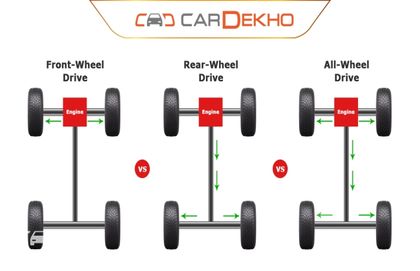
In a front wheel drive car, the engine powers the front wheels directly. Power moves through the transmission and differential to these wheels. The rear wheels do not receive power and only roll freely. This layout saves space and weight, making cars lighter and more fuel-efficient.
The front wheels handle both steering and driving tasks. This can affect grip and handling in certain conditions. The design often places the engine transversely (sideways) to fit better in the car’s front.
Advantages And Limitations
- Advantages:
- Better traction on slippery roads due to engine weight over the front wheels.
- More interior space since no driveshaft runs to the rear wheels.
- Lower manufacturing and maintenance costs compared to AWD systems.
- Limitations:
- Less traction during hard acceleration because the front wheels steer and drive.
- Reduced handling balance, especially in high-speed or sharp turns.
- Limited off-road or poor weather capability compared to AWD or 4WD.

Credit: www.instagram.com
All Wheel Drive Overview
Understanding the basics of all wheel drive (AWD) is essential before considering modifications to your front wheel drive (FWD) car. AWD systems distribute power to all four wheels, enhancing traction and control in varied driving conditions. This overview will clarify how AWD works and why it might offer advantages over FWD for your vehicle.
Awd Mechanism
AWD systems use a center differential or an electronic control unit to send power to both the front and rear wheels simultaneously. This setup allows the car to adjust power distribution based on traction needs. For example, if the front wheels start slipping on ice, the system can shift more power to the rear wheels to maintain grip.
Unlike FWD, where only the front wheels drive the car, AWD keeps all wheels engaged. This means better handling on wet or uneven roads. Some AWD systems operate full-time, while others engage only when sensors detect wheel slip.
Benefits Over Fwd
Switching from FWD to AWD can significantly improve your car’s stability and safety. AWD enhances acceleration and cornering, especially in poor weather conditions like rain, snow, or mud. You’ll notice fewer instances of wheel spin and better overall control.
However, AWD often comes with increased weight and complexity, which might affect fuel efficiency and maintenance costs. Ask yourself if your driving conditions demand the extra traction and whether the benefits outweigh these trade-offs. For city driving on dry roads, FWD might still be the practical choice.
Converting Fwd To Awd
Transforming a front-wheel drive (FWD) car into all-wheel drive (AWD) involves complex modifications. It requires a new drivetrain, rear differential, and extensive mechanical adjustments. This conversion can be costly and labor-intensive, but it enhances traction and performance in various driving conditions.
Converting your front-wheel-drive (FWD) car to an all-wheel-drive (AWD) system can be an exciting project if you’re looking to boost performance and enhance handling. The transition from FWD to AWD involves several intricate steps and components, but with the right knowledge, it’s possible to achieve. Let’s explore the feasibility, necessary components, and costs associated with making your vehicle AWD.
Feasibility And Challenges
Before diving into this conversion, assess whether it’s truly feasible for your car model. Not all FWD cars can easily become AWD due to their design differences. The main challenge lies in fitting AWD components into a chassis originally designed for FWD. This might involve significant modifications to the underbody and suspension system. Another hurdle is ensuring the compatibility of the transmission system with AWD components, which requires technical expertise. It’s not just about swapping parts; it’s about recalibrating the car’s dynamics.
Required Components
To convert a FWD car to AWD, you’ll need specific components that may not originally be part of your car’s design.
- Transfer Case:This is crucial for distributing power to both the front and rear axles.
- Rear Differential:Essential for managing the power distribution to the rear wheels.
- Driveshafts:These connect the transfer case to the rear differential, enabling power transfer.
- Modified Suspension:To support the new drivetrain layout, suspension adjustments are often necessary.
Each component must be precisely matched to your car’s specifications to ensure proper functioning.
Cost Considerations
The conversion from FWD to AWD is not a budget-friendly endeavor. It involves a significant financial investment not just in parts, but also in labor. Costs vary widely depending on the car model, the complexity of the conversion, and the quality of components you choose. You might also need to budget for professional installation unless you have the mechanical skills to tackle the process yourself. Are you willing to invest in this conversion for enhanced performance and grip?
Technical Modifications Needed
Transforming a front-wheel drive (FWD) car into an all-wheel drive (AWD) vehicle is no small feat. It demands significant technical changes that impact the core mechanics of your car. Understanding these modifications will help you decide if the conversion fits your skills, budget, and goals.
Transmission And Drivetrain Changes
The heart of converting to AWD lies in overhauling the transmission and drivetrain. You need to add a transfer case or center differential to split power between the front and rear wheels.
Swapping the transmission might also be necessary to accommodate the new AWD system. This often means sourcing parts from an AWD variant of your car or a compatible model, which can be complex and costly.
Think about the driveshafts, too—they must connect the transmission to the rear wheels. Custom fabrication or modifications to the chassis may be required to fit these components properly.
Suspension And Axle Adjustments
Adding AWD affects the suspension setup significantly. The rear suspension needs to be installed or modified to handle the additional drivetrain components and power delivery.
You’ll have to install rear axles and possibly upgrade the rear differential. This can change the ride height and handling characteristics, so adjustments are critical for safety and performance.
Consider the impact on wheel alignment and tire wear. AWD puts different stresses on tires and suspension, so your setup must account for these changes.
Electronic System Updates
Modern cars rely heavily on electronic controls for managing AWD systems. Your vehicle’s computer might require reprogramming or replacing to communicate with new sensors and actuators.
ABS, traction control, and stability systems are often linked to drivetrain configuration. These need recalibration or upgrades to function correctly with AWD.
Failing to update electronics can lead to erratic behavior or warning lights. Are you ready to dive into the complex world of automotive software?
Professional Vs Diy Conversion
Deciding between a professional or DIY approach to converting your front-wheel drive (FWD) car to all-wheel drive (AWD) is a big choice. Both paths have their own advantages and challenges, and understanding these can save you time, money, and headaches. Let’s break down what each option entails so you can decide what fits your skills, tools, and appetite for risk.
Skill Level Needed
Converting a FWD car to AWD is no small feat. It demands a solid grasp of automotive mechanics and drivetrain systems. If you’re a seasoned mechanic or have hands-on experience with complex car modifications, a DIY conversion might be within your reach.
However, if you’re new to car repairs or modifications, attempting this yourself could lead to costly mistakes. Professionals bring specialized knowledge and experience that helps avoid common pitfalls. Ask yourself: do you fully understand how the AWD system integrates with your car’s existing setup?
Tools And Equipment
This kind of conversion isn’t just about skill—it requires the right tools. You’ll need advanced automotive tools like a lift, torque wrenches, transmission jacks, and possibly custom fabrication equipment. These aren’t typical tools in a basic home garage.
Professionals have access to specialized equipment and diagnostic tools that ensure precise installation. If you don’t own or can’t rent these tools, your DIY project could stall or result in subpar work. Have you checked what tools you’ll need before starting?
Potential Risks
Taking on an AWD conversion yourself carries risks beyond just the physical challenge. Mistakes could compromise your car’s safety, drivetrain reliability, and even void warranties. A poorly executed conversion might lead to costly repairs down the road.
Professionals minimize these risks with tested procedures and quality parts. They can spot issues early and ensure the system works as intended. Consider how much risk you’re willing to accept and whether you’re prepared to troubleshoot complex problems on your own.
Credit: www.cardekho.com
Alternative Solutions
If you’re wondering whether you can turn your front-wheel-drive (FWD) car into an all-wheel-drive (AWD) machine, the answer isn’t straightforward. Instead of a simple swap, there are alternative solutions that can help you get closer to AWD performance without the full conversion hassle. These options range from mechanical kits to smarter traction aids and even switching vehicles altogether.
Aftermarket Awd Kits
Aftermarket AWD kits offer a way to add AWD capabilities to your FWD car, but they’re not plug-and-play. These kits usually include extra differentials, driveshafts, and transfer cases designed to send power to the rear wheels.
Installation can be complex and costly, often requiring professional help and modifications to your car’s chassis. However, if you’re serious about AWD, these kits can provide genuine improvements in traction and handling.
Before diving in, ask yourself: Is the investment worth it for your driving needs? Many drivers find that the cost and effort outweigh the benefits compared to other solutions.
Switching To Awd Vehicles
Sometimes, the easiest path is to switch to a vehicle that already has AWD built-in. Many manufacturers offer AWD versions of popular models that fit various budgets.
This option saves you time, money, and stress, and ensures your car’s drivetrain is designed for AWD from the ground up. Plus, factory AWD systems often come with warranties and better engineering reliability.
Think about your priorities: Would you rather invest in a new ride or customize your current one? Often, a factory AWD car delivers a more balanced and dependable driving experience.
Using Traction Control Enhancements
If mechanical changes sound daunting, traction control enhancements can boost your FWD car’s grip without adding AWD. These include electronic aids like stability control systems, limited-slip differentials, and performance tires.
Many modern FWD cars come with traction control software that optimizes wheel spin during acceleration. Adding a limited-slip differential can also help distribute power more evenly to the front wheels, reducing slippage.
Upgrading your tires is one of the simplest ways to improve traction in various conditions. Have you checked your tires recently? Sometimes, the right rubber makes a bigger difference than drivetrain changes.
Real World Examples
Converting a front-wheel-drive (FWD) car to all-wheel drive (AWD) is an ambitious project that many car enthusiasts consider. While the idea sounds straightforward, the real-world examples show a mix of impressive successes and notable challenges. Understanding these can help you decide if this modification suits your skills and needs.
Successful Conversions
Several enthusiasts have successfully transformed their FWD vehicles into AWD powerhouses. One popular example is the Subaru Impreza swap into older FWD models, which adds a reliable AWD system and boosts traction significantly.
Another approach involves using drivetrain components from cars like the Audi A4 or Volkswagen Golf R, which come with advanced AWD systems. These swaps often require custom fabrication but yield excellent handling improvements and increased performance.
- Improved grip in wet or snowy conditions
- Better acceleration due to power distribution
- Enhanced off-road capability for some models
People who have completed these conversions often share detailed build logs and video tutorials online. These resources can guide you through the process and help avoid common pitfalls.
Common Issues Encountered
Despite success stories, many encounter significant hurdles during the conversion. One major challenge is the complexity of integrating an AWD drivetrain with the existing FWD chassis, which often requires altering suspension mounts and drivetrain tunnel.
Another frequent problem is the increased weight from AWD components, which can negatively affect fuel economy and handling if not properly balanced. Electrical system compatibility is also tricky, especially with modern vehicles that rely heavily on computer controls.
- Drivetrain alignment and clearance issues
- High costs due to custom parts and labor
- Potential warranty and insurance complications
Have you considered how much time and money you’re willing to invest? Sometimes, buying a dedicated AWD vehicle might be more practical than converting a FWD car. But if you enjoy hands-on projects and learning, this challenge could be rewarding.
Cost And Time Estimates
Switching your front-wheel-drive car to all-wheel drive is a serious commitment. It involves more than just swapping parts; the process demands careful budgeting and time planning. Understanding these factors upfront can save you from unexpected delays and expenses.
Budget Breakdown
The cost of converting a front-wheel-drive car to AWD can vary widely depending on the vehicle model and the parts you choose. Key expenses include a compatible transmission, driveshafts, differentials, and sometimes a new rear axle. Labor costs can add up quickly, especially if you don’t have the tools or experience to do the work yourself.
- Transmission and transfer case:$1,500 to $3,000
- Rear differential and driveshaft:$800 to $2,000
- Labor costs:$1,000 to $3,500 depending on complexity
- Miscellaneous parts and modifications:$500 to $1,000
I once underestimated the cost and ended up spending nearly twice my initial budget due to unexpected parts and custom fabrication. Are you prepared for potential surprise expenses? It’s wise to allocate an extra 20-30% for contingencies.
Project Duration
Converting your vehicle is not a quick weekend project unless you have professional experience and all parts ready. Expect the job to take anywhere from several days to a few weeks. This includes disassembling the existing drivetrain, installing new components, and performing necessary adjustments and testing.
- Parts sourcing:1-2 weeks (sometimes longer for rare components)
- Installation:3-7 days for experienced mechanics
- Testing and tuning:1-3 days to ensure everything works smoothly
Delays often occur due to part compatibility issues or unforeseen mechanical problems. How much time can you realistically dedicate to this project? Planning your schedule around these demands will help avoid frustration and rushed work.
Final Recommendations
Converting a front-wheel-drive car to all-wheel drive is a complex task. It requires careful thought and planning. Not every vehicle or owner is suited for this project. The following recommendations help decide if conversion is the right choice or if other options should be explored.
When To Attempt Conversion
- The car has a strong, compatible chassis for AWD parts.
- You have access to skilled mechanics and proper tools.
- Performance improvement is a priority over cost and time.
- The vehicle is used in conditions needing better traction.
- You can handle ongoing maintenance and potential issues.
When To Consider Alternatives
- The conversion cost exceeds the car’s value.
- The car’s design limits AWD integration.
- You want a simpler, more reliable upgrade.
- Buying an AWD vehicle fits your needs better.
- Time and effort for conversion are not feasible.

Credit: www.instagram.com
Frequently Asked Questions
Can A Front Wheel Drive Car Be Converted To Awd?
Yes, a front wheel drive car can be converted to AWD. However, it requires significant mechanical modifications and costs. It involves adding a rear differential, driveshaft, and transferring power to the rear wheels. This upgrade is complex and often not practical for most vehicles.
What Are The Benefits Of Converting Fwd To Awd?
Converting FWD to AWD improves traction and handling, especially in slippery conditions. It enhances vehicle stability and off-road capability. AWD provides better power distribution, which can improve acceleration and safety on wet or snowy roads. However, the cost and complexity may outweigh the benefits for some users.
How Much Does It Cost To Convert Fwd To Awd?
The cost to convert a front wheel drive car to AWD varies widely. On average, it can range from $3,000 to $7,000 or more. Costs include parts like differentials and driveshafts, plus labor. It’s often more economical to buy an AWD vehicle instead of converting.
Is Converting Fwd To Awd Worth The Effort?
Converting FWD to AWD is rarely worth the effort unless you need AWD for specific reasons. It is expensive, complex, and may affect vehicle reliability. Often, buying an AWD model is a better choice. Consider your driving needs before deciding to convert your car.
Conclusion
Converting a front-wheel drive car to all-wheel drive is complex and costly. It needs many parts and expert work. Not all cars can handle these changes well. Think about your budget and goals first. Sometimes, buying an AWD car is easier and safer.
Still, learning about this helps you make smart choices. Keep your car’s needs and your driving style in mind. This way, you get the best performance and safety on the road.