

If you’ve been required to use an interlock device in your car, you might wonder how it affects your vehicle and what repairs you may need. Understanding car repair with an interlock device is essential to keep your vehicle running smoothly and avoid unexpected problems.
You’ll discover what an interlock device does, how it interacts with your car, and the key maintenance tips you need to know. Keep reading to ensure your car stays safe, reliable, and compliant with regulations—without surprises.
Choosing The Right Interlock Device
Choosing the right interlock device is essential for safe and effective use. The device must fit your vehicle and meet legal requirements. Understanding different options helps in making the best choice.
Types Of Interlock Devices
Several types of interlock devices exist, each with unique features:
- Breath Alcohol Ignition Interlock Device (BAIID) – Measures breath alcohol before engine starts.
- Passive Alcohol Sensors – Automatically detect alcohol without requiring a breath sample.
- Portable Interlock Devices – Can be moved between vehicles but less common.
Select a device that suits your driving habits and vehicle type.
Factors To Consider
Several factors influence the right interlock device choice:
- Vehicle compatibility – Ensure the device fits your car model.
- Installation and calibration – Some devices need frequent adjustments.
- Cost – Consider device price and maintenance fees.
- Ease of use – Choose a user-friendly device for daily operation.
- Legal requirements – Confirm device meets local laws and regulations.
Certified Installation Providers
Proper installation is crucial for device performance. Certified providers have training and approval to install devices correctly. They ensure:
- Accurate device setup
- Compliance with legal standards
- Reliable maintenance and support
Always select a certified installer to avoid future issues.
Credit: roadguardinterlock.com
Preparing Your Vehicle
Preparing your vehicle for a car repair with an interlock device is crucial. This step ensures smooth installation and proper function. Taking time to ready the vehicle helps avoid problems later. Follow these guidelines to get your car ready for the device.
Inspection And Maintenance
Start by checking your vehicle’s current condition. Look for signs of wear or damage in key areas. Test the brakes, battery, and electrical system. Fix any issues before installing the interlock device. Routine maintenance like oil changes and tire checks also matter.
Ensuring Compatibility
Verify the interlock device fits your vehicle model. Some devices work only with specific makes or engines. Check the device manual or consult the installer. Confirm that your car’s wiring and sensors can connect properly. Compatibility prevents installation delays and extra costs.
Pre-installation Checklist
- Gather all vehicle documents, including registration and insurance.
- Clean the dashboard and area where the device will go.
- Remove any accessories that might block installation.
- Make sure the vehicle battery is fully charged.
- Inform the installer about any special vehicle features.
Installation Process
The installation process of a car repair with an interlock device can often seem daunting, but with the right guidance, it can become a manageable task. Whether you’re opting for professional help or considering a DIY approach, understanding the steps involved can ensure a smooth experience. This section will delve into the specific details of installation, highlighting key challenges and considerations.
Step-by-step Guide
Installing an interlock device involves several crucial steps to ensure proper functionality and compliance with regulations.
- Assessment:Begin by assessing your vehicle’s compatibility with the interlock device.
- Preparation:Gather necessary tools and ensure you have the required components for installation.
- Connection:Connect the device to your car’s ignition system, following the manufacturer’s instructions carefully.
- Calibration:Calibrate the device to meet legal standards and ensure accurate readings.
- Testing:Conduct a series of tests to verify the proper functioning of the device.
Each step is vital to prevent potential issues and ensure your vehicle remains operational.
Common Challenges
While the installation process is straightforward, you might encounter some common challenges.
- Technical Difficulties:Issues with wiring or compatibility can arise, requiring troubleshooting.
- Compliance Concerns:Ensuring the device meets legal requirements is crucial to avoid penalties.
- Time Constraints:The process can be time-consuming, requiring patience and attention to detail.
Identifying these challenges early can help in finding quick solutions and avoiding unnecessary delays.
Professional Vs Diy Installation
Deciding between professional and DIY installation involves weighing the pros and cons of each approach.
Professional Installation:
- Offers expertise and assurance that the device is installed correctly.
- Can be more expensive but saves time and reduces risk of errors.
DIY Installation:
- Allows you to save money and gain hands-on experience.
- Requires careful attention to instructions and can be challenging without technical knowledge.
Consider your own skills and the complexity of the device before making a choice. Are you confident enough to tackle the installation yourself, or would you prefer the peace of mind that comes with professional assistance?
Operating The Interlock Device
Operating an interlock device requires a clear understanding of its daily functions and how to handle common issues. This ensures your vehicle remains compliant and safe. Let’s dive into some practical tips to help you manage the device smoothly.
Daily Usage Tips
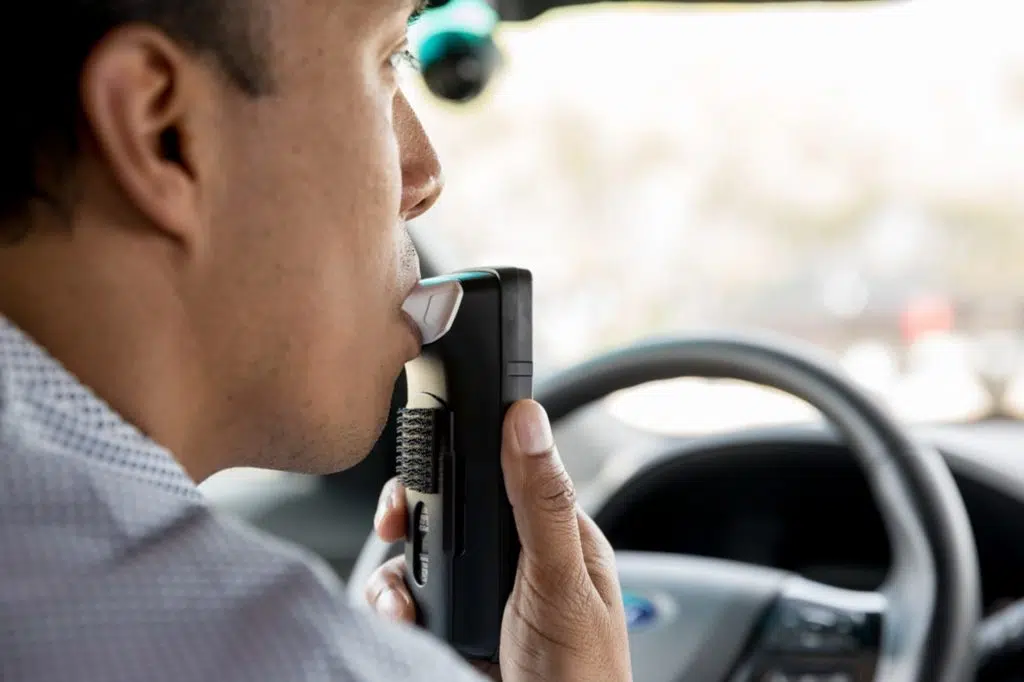
Start your day by giving the device a quick check before you drive. Make sure the mouthpiece is clean and dry to avoid any false readings.
Always blow steadily and calmly into the device. Rushing this process can cause errors, leading to unnecessary delays.
Keep the device charged or replace batteries as needed. A dead battery can prevent the system from working, leaving you stranded.
Have you noticed how a simple habit like cleaning the mouthpiece daily can reduce failed attempts? Small steps like this save time and frustration.
Troubleshooting Issues
If the device shows an error or fails to start, first verify the mouthpiece is properly attached. Loose connections often cause problems.
Check the error code displayed on the device screen. Refer to your manual to understand the specific issue indicated.
Sometimes environmental factors like extreme temperatures affect performance. Try operating the device in a moderate climate when possible.
Experiencing repeated failures? Consider if recent medications or mouthwash could interfere with readings. These can sometimes trigger false positives.
Reset And Calibration
Resetting the device is usually straightforward but must be done following the manufacturer’s instructions to avoid data loss.
Calibration is crucial to keep the readings accurate. Most devices require periodic calibration at authorized service centers.
Ask yourself, when was the last time your device was calibrated? Regular calibration prevents malfunctions and keeps your driving on track.
Keep a log of calibration dates and resets. This record helps you stay on top of maintenance and avoid unexpected issues.
Maintaining Your Interlock Device
Maintaining your interlock device is essential to ensure it functions correctly and keeps you safe on the road. Regular attention can prevent unexpected failures and costly repairs. Simple care habits can extend the life of your device and help you avoid frustrating lockouts.
Regular Servicing
Schedule regular check-ups for your interlock device just like you do for your car. Most manufacturers recommend servicing every 30 to 60 days. These visits allow professionals to calibrate sensors, update software, and verify that the device is working properly.
Skipping these check-ups can lead to false readings or device malfunctions. Think of it as a routine tune-up that keeps everything running smoothly. Have you ever ignored a small warning only to face bigger problems later? Regular servicing helps you avoid that situation.
Battery And Sensor Care
Your interlock device relies heavily on its battery and sensors to detect alcohol levels accurately. Make sure the battery is fully charged and replaced when needed. Weak batteries can cause the device to shut down unexpectedly or give inaccurate results.
Keep sensors clean and free from dirt or moisture. Wiping the mouthpiece gently after each use can prevent build-up that might affect readings. Have you noticed your device giving inconsistent results? It might be time to check the battery and sensors.
When To Seek Expert Help
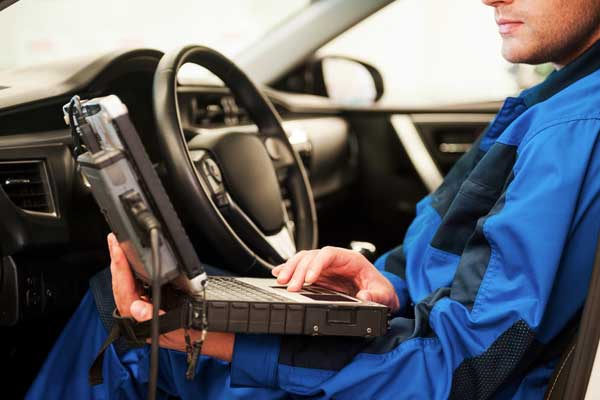
If your interlock device starts showing error messages or repeatedly locks you out despite sober tests, it’s a sign to get professional help. Don’t try to fix complex issues yourself, as this could damage the device or void warranties.
Experts can diagnose problems quickly using specialized tools. They can also guide you on proper usage and care. Are you unsure about a warning or error on your device? Contacting a technician early can save you time and stress.
Credit: www.bdfleetmobile.com
Legal And Safety Considerations
Understanding the legal and safety aspects of driving with an interlock device is crucial. These devices don’t just prevent impaired driving—they come with rules and responsibilities that you must follow closely. Ignoring these can lead to penalties or even jeopardize your safety and that of others on the road.
Compliance With Regulations
You must follow specific laws set by your state or local jurisdiction when using an interlock device. These rules often include installation by certified providers and regular maintenance checks.
Failing to comply can lead to fines or extended periods of restricted driving privileges. Have you checked if your state requires periodic calibration or reporting? Staying updated helps avoid surprises.
Reporting And Documentation
Most programs require you or your service provider to submit regular reports to the court or licensing authority. These reports show your device usage and any attempts to bypass it.
Keeping copies of these documents is wise. It can save you from disputes or misunderstandings about your compliance status. Imagine the frustration of proving you followed the rules without proper records.
Safe Driving Practices
The interlock device is a tool, not a guarantee of safe driving. You still need to practice caution and stay alert behind the wheel.
Alcohol is only one risk factor; distractions and fatigue also matter. How do you prepare yourself before driving to ensure safety beyond just passing the breath test? Thinking about this can make a real difference every time you drive.
Cost And Financing Options
Understanding the costs and financing options for car repair with an interlock device helps plan your budget. These devices require initial installation and ongoing maintenance. Various financial aid programs may also reduce the expense.
Installation Expenses
Installing an interlock device usually costs between $70 and $150. The price depends on your location and the device type. Some shops charge a one-time fee, while others add a monthly rental fee. Expect to pay for installation and activation separately.
Maintenance Costs
Maintenance includes regular calibration and cleaning. Most states require monthly or quarterly check-ups. Each visit may cost $30 to $80. Missing appointments can lead to fines or device lockouts. Budget for ongoing fees to keep the device working properly.
Financial Assistance Programs
Some states offer help to lower-income individuals. Assistance can cover installation or monthly fees. Non-profit organizations sometimes provide grants or loans. Check local government websites or social services for options. Applying early increases your chances of support.

Credit: pitstopinterlock.com
Frequently Asked Questions
What Is An Interlock Device In Car Repair?
An interlock device prevents a vehicle from starting if alcohol is detected. It ensures drivers stay sober and safe. This device is often required after DUI offenses. It helps reduce repeat drunk-driving incidents.
How Does A Car Interlock Device Work?
The driver blows into the device before starting the car. If alcohol is detected, the engine won’t start. The device records data and reports to authorities. It promotes responsible driving and compliance.
When Is An Interlock Device Needed For Repairs?
Interlock devices are installed after DUI convictions or legal mandates. Repairs may be needed if the device malfunctions or is damaged. Regular maintenance ensures accurate readings and device reliability. Repair shops specializing in interlock devices handle these services.
Can Car Repair Shops Install Interlock Devices?
Yes, certified repair shops can install and service interlock devices. They ensure the device meets legal and technical standards. Professional installation guarantees proper function and compliance. Always choose authorized providers for installation and repairs.
Conclusion
Car repair with an interlock device helps keep roads safer. It ensures drivers stay responsible and cautious. This device also supports those working to regain trust. Repair shops now often handle these special repairs. Choosing the right service makes the process easier.
Regular maintenance keeps the interlock working well. Safe driving benefits everyone on the road. Simple steps can lead to better driving habits. Trust the process and stay focused on safety. Your commitment matters most in this journey.