
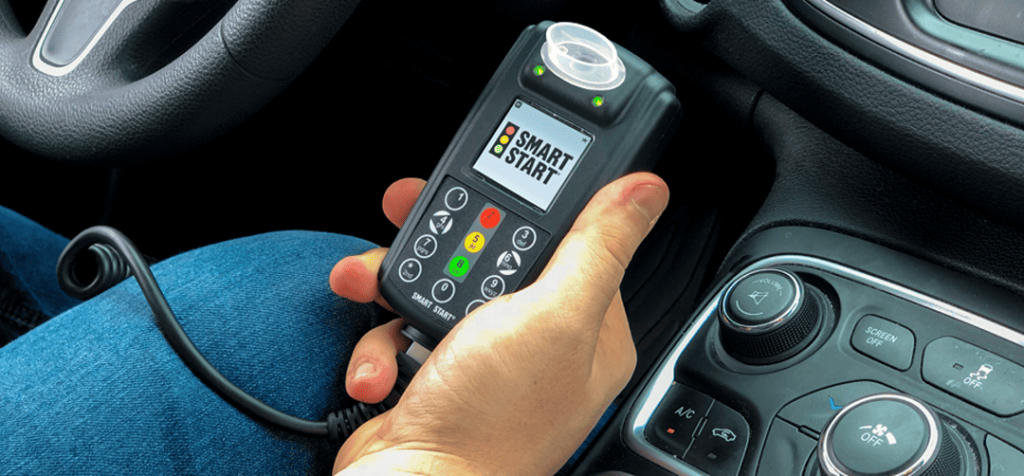
What is an Interlock Device on a Car. Have you ever wondered what keeps certain drivers from getting behind the wheel when they shouldn’t? An interlock device on a car might be the answer.
This small but powerful tool can protect you, your loved ones, and others on the road by preventing dangerous driving. If you want to understand how this device works and why it might be important for your safety, keep reading.
You’ll discover everything you need to know about interlock devices and how they can make a real difference every time you drive.
Interlock Device Basics
Understanding the basics of an interlock device on a car is key to grasping how it helps improve safety and prevent risky behavior. These devices are designed to ensure that a vehicle cannot start unless certain conditions are met, typically related to alcohol consumption. If you’re curious about how this technology works and the options available, let’s break down the essentials.
What It Does
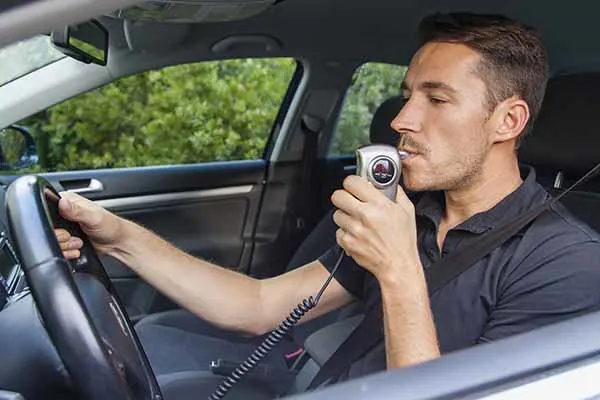
An interlock device acts like a breathalyzer connected to your car’s ignition system. Before you can start the engine, you must blow into the device. If it detects alcohol above a set limit, the car simply won’t start.
This prevents you from driving under the influence and potentially causing harm. Imagine being in a situation where you’re unsure if you’re safe to drive—this device takes that guesswork away. It also records data, which can be reviewed by authorities or program administrators to ensure compliance.
Types Of Interlock Devices
There are several types of interlock devices tailored to different needs and technologies. The most common type is the breath alcohol ignition interlock device (BAIID), which requires the driver to provide a breath sample.
- Standard Breath Alcohol Interlock:Measures breath alcohol concentration before starting the car.
- Rolling Retest Interlock:Requires random breath tests while driving to ensure ongoing sobriety.
- Bluetooth-Enabled Interlock:Sends data wirelessly to monitoring systems for real-time tracking.
Some models come with cameras to verify the driver’s identity during the breath test. Choosing the right type depends on legal requirements and personal circumstances. Have you considered how such technology might influence your driving habits or those of someone you care about?
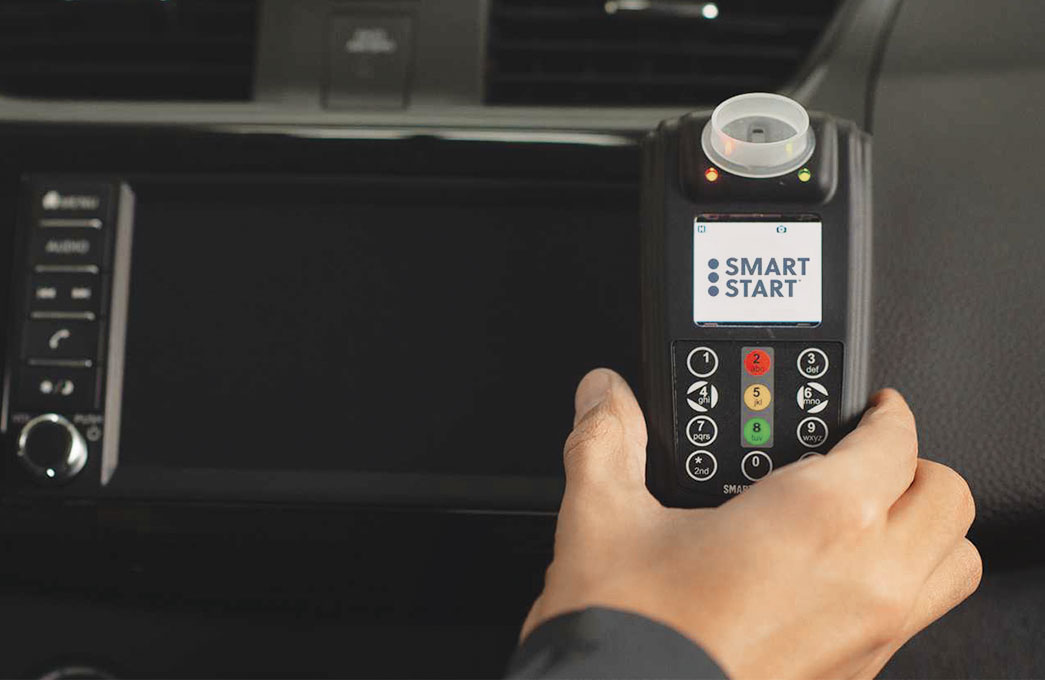
Credit: smartstartmichigan.com
How Interlock Devices Work
Interlock devices work by ensuring a driver is sober before starting a vehicle. They use technology to measure alcohol levels in the breath. If the alcohol level is above a set limit, the car will not start. This system helps prevent drunk driving and keeps roads safer.
Breathalyzer Mechanism
The core of an interlock device is the breathalyzer sensor. The driver must blow into the mouthpiece. The device analyzes the breath sample for alcohol content. It uses a chemical sensor that reacts with alcohol molecules. If the alcohol level is too high, the device blocks the engine start.
The device stores data like breath samples and times. This data can be reviewed by authorities or service providers. It ensures drivers comply with court or program requirements.
Installation Process
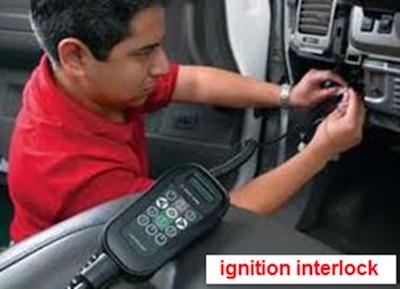
Installation of an interlock device is done by certified technicians. They connect the device to the vehicle’s ignition system. The device fits discreetly inside the car, usually near the steering wheel.
The process usually takes about an hour. After installation, the driver receives instructions on how to use it. Regular maintenance and calibration checks keep the device accurate and working properly.
Safety Benefits
An interlock device in a car offers significant safety benefits. This device ensures drivers are sober before they start the vehicle. Its primary function is to prevent drunk driving, reducing the risk of accidents. Understanding these benefits highlights its importance in promoting road safety.
Preventing Drunk Driving
Interlock devices act as a barrier against drunk driving. Drivers must pass a breath test to start the car. If alcohol is detected, the vehicle won’t start. This technology deters impaired individuals from driving. It directly reduces instances of driving under the influence.
Reducing Accidents
By preventing drunk driving, interlock devices reduce accident rates. Sober drivers are less likely to make dangerous mistakes. They have better reaction times and judgment. Roads become safer as fewer intoxicated drivers are present. This leads to a decrease in traffic collisions. Safer roads benefit everyone, from pedestrians to other drivers.
Legal Requirements
Legal requirements for car interlock devices vary by state and situation. These rules ensure safer roads by preventing drunk driving. Understanding who must use these devices and the court rules is vital for compliance.
Who Needs One
People convicted of driving under the influence often must install an interlock device. Some states require it after a first offense. Others apply the rule only after repeat offenses or high blood alcohol levels. The device checks blood alcohol before the car starts. If alcohol is detected, the car won’t start.
Individuals with serious DUI histories usually face longer device use periods. Some employers also require interlock devices for drivers in safety-sensitive jobs. This helps reduce risks on the road.
Court Mandates And Regulations
Courts set specific rules about interlock devices. Judges may order installation as part of a DUI sentence. The order includes how long the device must stay on the vehicle. Regular maintenance and calibration are often required by law.
Failure to comply can lead to fines or license suspension. Some states offer reduced penalties if the device is used correctly. Courts also require reports from the device to monitor compliance. This helps ensure the driver is following the law.
Costs And Maintenance
Understanding the costs and maintenance of an interlock device is crucial before deciding to install one in your car. These devices are designed to keep you safe, but they come with ongoing responsibilities and expenses. Knowing what to expect can help you manage your budget and avoid surprises.
Installation Fees
Installing an interlock device typically involves an upfront fee. This cost can vary widely depending on your location and the type of device used. On average, installation fees range from $70 to $150.
Some companies include installation in a package deal, while others charge separately. You might also face extra charges if your vehicle requires special modifications.
Have you checked multiple providers to compare installation costs? Shopping around can save you a significant amount.
Ongoing Calibration And Service
After installation, the device requires regular calibration and servicing to ensure it works correctly. This usually happens every 30 to 60 days and can cost between $60 and $100 per visit.
Missing these appointments can result in penalties or even device lockouts, which could leave you stranded. It’s essential to set reminders and plan ahead.
In addition to calibration, some devices need battery replacements or software updates, adding to your maintenance tasks. Are you ready to commit to this ongoing care for your safety and compliance?
Credit: ktenaslaw.com
Limitations And Challenges
Interlock devices offer an important layer of safety by preventing impaired driving. However, they are not without their limitations and challenges. Understanding these drawbacks can help you better navigate the responsibilities that come with using one.
Potential Bypass Methods
Despite their design to prevent alcohol-impaired driving, some people try to bypass interlock devices.
- Using someone else’s breath to start the car.
- Attempting to blow air from a balloon or other object.
- Manipulating the device’s sensors or wiring.
These tactics may seem clever but can lead to serious legal consequences. Have you ever wondered how strict monitoring could reduce these attempts? Technology is improving, but awareness and enforcement are key.
User Compliance Issues
One of the biggest challenges with interlock devices is ensuring users follow the rules consistently.
- Forgetfulness in providing breath samples at required intervals.
- Frustration with false positives due to medical conditions or mouthwash use.
- Reluctance to use the device leading to non-compliance or tampering.
Your attitude towards the device impacts its effectiveness. Do you see it as a helpful safeguard or an annoying obstacle? Staying compliant requires commitment, but it ultimately protects you and others on the road.
Future Of Interlock Devices
The future of interlock devices promises to be more than just a safety feature—it could become a seamless part of your driving experience. These devices are evolving rapidly, driven by advances in technology and the growing presence of smart cars on the road. Imagine a device that not only prevents impaired driving but also communicates with your vehicle and other systems to enhance safety and convenience.
Technological Advances
Interlock devices are moving beyond simple breath analysis. New sensors are being developed to detect a wider range of substances quickly and accurately. Some devices now include facial recognition to ensure the right person is using the car.
Battery life and connectivity have also improved, allowing devices to work continuously without interruption. This means you won’t have to worry about the device failing while you’re on the road. Plus, real-time data transmission to authorities or family members can provide immediate alerts if any issues arise.
Integration With Smart Cars
Smart cars offer a unique opportunity to make interlock devices more intuitive. These vehicles can sync with interlock systems to control ignition, monitor driver status, and even adjust driving settings automatically.
Imagine your car recognizing when you’re sober and unlocking full features, but limiting speed or disabling certain controls if impairment is detected. Integration could also allow interlock devices to share data with navigation systems, suggesting safer routes or alerting nearby vehicles.
How would you feel about your car actively helping to keep you and others safe without you having to do anything extra? This kind of proactive safety could change how we think about driving responsibility.
Credit: www.mississippi-lawyers.com
Frequently Asked Questions
What Is An Interlock Device On A Car?
An interlock device is a breathalyzer installed in cars. It prevents the engine from starting if alcohol is detected on the driver’s breath. This device helps reduce drunk driving accidents and improves road safety.
How Does A Car Interlock Device Work?
The driver must blow into the device before starting the car. If the alcohol level is above the preset limit, the car won’t start. It requires periodic retests while driving to ensure continuous sobriety.
Who Needs To Use An Interlock Device?
Courts often mandate interlock devices for DUI offenders. Some states require them for repeat or high-BAC offenders. They help monitor and prevent impaired driving as part of legal penalties.
Can An Interlock Device Be Removed From A Car?
Interlock devices can only be removed after fulfilling court or state requirements. Usually, removal occurs after a set period without violations. Unauthorized removal can lead to legal consequences.
Conclusion
An interlock device helps keep roads safer by preventing drunk driving. It checks your breath before you start the car. If alcohol is detected, the car won’t start. Many people use these devices after DUI offenses. They encourage responsible driving habits.
Understanding how an interlock device works is important for all drivers. It supports safer choices and protects lives. Simple, effective, and easy to use—this device saves lives every day.