

Can You Tow a Car in Gear. Have you ever wondered if you can tow a car while it’s still in gear? It’s a question many drivers face when their vehicle breaks down or needs to be moved.
Getting this wrong can cause serious damage to your car’s transmission, leading to costly repairs. But don’t worry—this article will clear up the confusion and give you simple, clear answers. By the time you finish reading, you’ll know exactly how to tow your car safely and avoid common mistakes that could hurt your vehicle.
Keep reading to protect your car and save yourself from unexpected headaches.
Towing Basics
Towing a car requires understanding basic rules to avoid damage. The way you tow depends on the car’s transmission and other factors. Knowing when to tow in gear and how transmissions work helps protect your vehicle. This section covers essential towing basics for safe handling.
When To Tow In Gear
Some cars need to be towed in gear to prevent damage. For example, manual transmissions usually require the car to be in neutral. Automatic transmissions often need wheels off the ground or special equipment.
Towing in gear may be necessary if the vehicle is stuck or disabled. Always check the owner’s manual for specific instructions. Incorrect towing can lead to costly repairs.
Types Of Transmissions
- Manual Transmission:The driver controls gear changes using a clutch and gear stick.
- Automatic Transmission:The car changes gears on its own using a torque converter.
- CVT (Continuously Variable Transmission):Uses belts and pulleys for smooth gear changes.
- Dual-Clutch Transmission:Combines manual and automatic features for quick shifts.
Each transmission type has different towing needs. Knowing the type helps decide if towing in gear is safe.
Impact On Vehicle Components
Towing a car incorrectly can harm many parts. The transmission is most at risk, but brakes and tires can suffer too.
Towing in gear without proper care may cause:
- Transmission overheating
- Fluid leaks
- Gear damage
- Brake wear
Proper towing techniques protect these components and extend vehicle life.
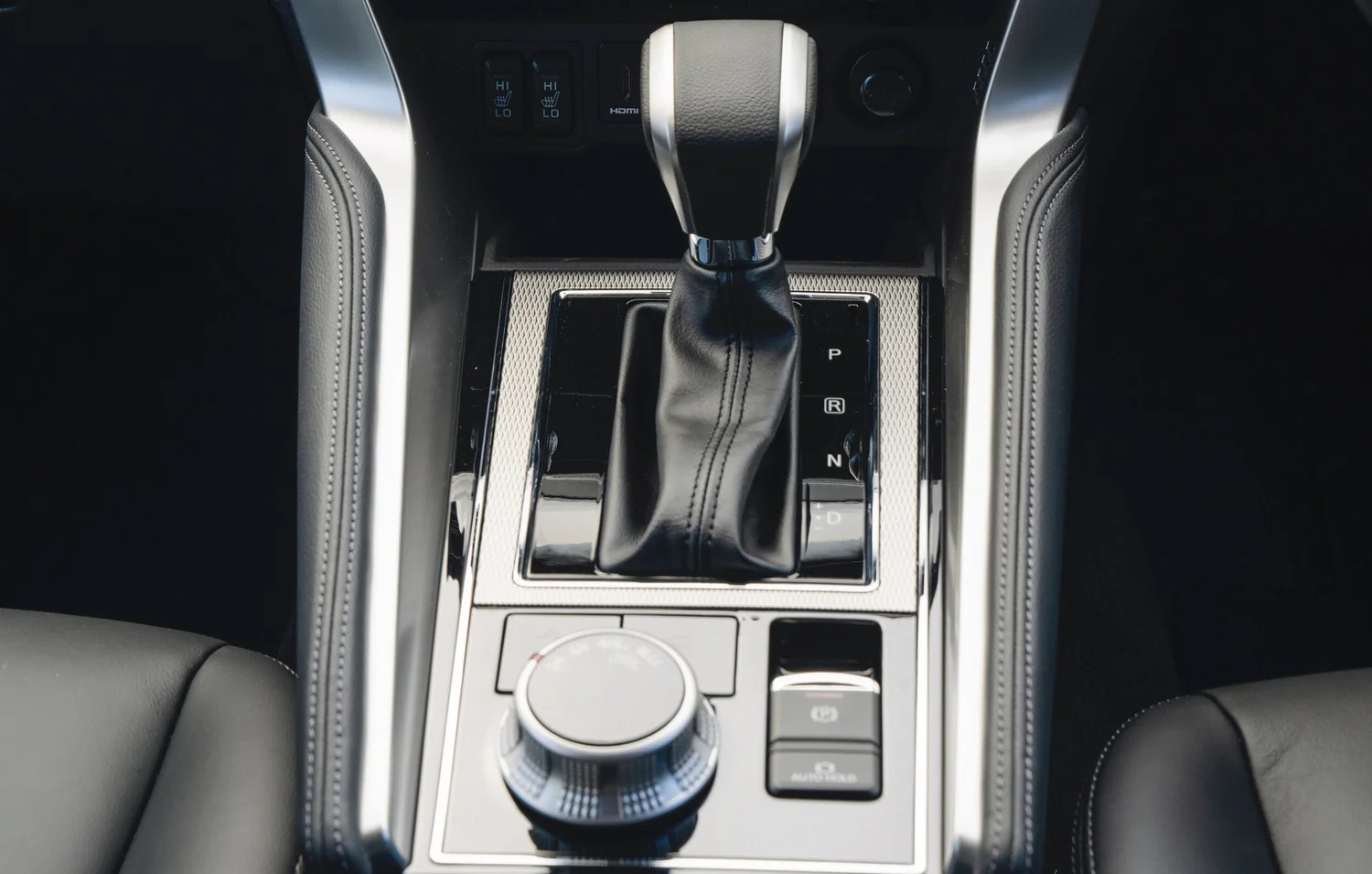
Credit: autoexpert.com.au
Manual Transmission Towing
Manual transmission vehicles require special care during towing. The way you tow affects the transmission’s health and overall vehicle safety. Understanding how to tow a manual car correctly helps avoid costly repairs. This section explains towing with the gear engaged, comparing neutral and first gear, and highlights clutch and gearbox concerns.
Towing With Gear Engaged
Towing a manual car with the gear engaged is risky. The engine stays connected to the wheels. This can cause damage if the engine is off or not running. The transmission parts may wear out quickly. Avoid towing long distances with the car in gear. Short moves might be okay but proceed with caution. Always check the owner’s manual for specific advice.
Neutral Vs. First Gear
Neutral is the safest position for towing a manual car. It disconnects the engine from the wheels. This prevents transmission damage during movement. Towing in first gear keeps the engine linked to the wheels. It may cause extra strain on the transmission parts. Use first gear only if neutral is not possible. For short distances, first gear may work. Neutral is best for longer tows.
Clutch And Gearbox Considerations
The clutch plays a key role during towing. If the clutch is worn, towing can worsen the problem. Towing with the clutch engaged can cause overheating. The gearbox also faces stress if towed incorrectly. Damage to internal gears may happen from improper towing. Always ensure the clutch and gearbox are in good condition before towing. Use professional help for long or heavy towing tasks.
Automatic Transmission Towing
Towing a car with an automatic transmission requires careful attention to how the transmission is positioned. Unlike manual transmissions, automatic gearboxes rely on fluid pressure and specific settings to operate without damage. Understanding the correct way to tow your automatic vehicle can save you from costly repairs and unexpected breakdowns.
Neutral Position Importance
Placing your automatic car in neutral is crucial before towing. This disengages the transmission from the engine, allowing the wheels to turn freely without causing harm. Without shifting to neutral, internal parts of the transmission may not receive proper lubrication, leading to severe damage.
Have you ever tried pushing a car in gear? It quickly becomes clear why neutral matters—it prevents the drivetrain from locking up. Always check your owner’s manual, as some vehicles require specific procedures to safely shift into neutral for towing.
Risks Of Towing In Gear
Towing an automatic car while it’s in gear puts unnecessary strain on the transmission. The transmission fluid pump depends on engine movement to circulate fluid; when towed in gear with the engine off, this fluid flow stops. This lack of lubrication can cause overheating and wear of the transmission components.
Many people overlook this risk, thinking the car can be towed like a manual. But even short distances can cause damage if the car isn’t properly set. Is saving a few minutes really worth the potential thousands in repairs?
Using Tow/neutral Modes
Some automatic vehicles come with a “Tow/Haul” or dedicated “Neutral” mode designed specifically for towing. Engaging these modes adjusts transmission behavior to protect the drivetrain during towing. It’s important to know if your car has these features and how to activate them.
If your car supports a tow mode, use it as directed. If not, always shift to neutral and follow the manufacturer’s recommended towing procedures. Ignoring these settings can lead to unexpected transmission failure and costly downtime.

Credit: www.carparts.com
Safety Tips For Towing
Towing a car might seem straightforward, but safety should always be your top priority. Ignoring key precautions can lead to costly damage or even accidents. Here are crucial safety tips that will help you tow your vehicle securely and efficiently.
Securing The Vehicle
Before you start towing, make sure the car is properly secured. Use strong tow straps or chains designed for your vehicle’s weight. Attach them to designated towing points—never to bumpers or suspension parts.
Double-check that the vehicle is in neutral if you’re towing with the drive wheels on the ground. This reduces strain on the transmission and prevents damage. Ask yourself: Have I inspected every connection to avoid any unexpected detachment?
Speed And Distance Guidelines
Drive slowly and steadily when towing. Keeping your speed under 30 mph helps maintain control and reduces stress on both vehicles. Sudden stops or sharp turns could cause the towed car to sway dangerously behind you.
Keep extra distance from other vehicles to allow ample braking time. Think about how towing affects your stopping power—are you leaving enough room to react safely to traffic changes?
Checking Vehicle Fluids
Many people overlook fluid levels before towing. Check the engine oil, coolant, and transmission fluid to ensure your car won’t overheat or suffer mechanical failure. This is especially important if the car will be towed for a long distance.
Also, verify the brake fluid and power steering fluid if the engine will run during towing. Neglecting these can cause poor braking response or steering difficulty. Have you ever experienced a breakdown that could have been prevented with a quick fluid check?
Legal And Insurance Aspects
Towing a car in gear involves more than just technical aspects. Legal and insurance considerations play a crucial role. Understanding these aspects ensures a smooth towing experience without unexpected issues.
Towing Regulations
Towing laws vary by location. Check local regulations before towing. Some areas require specific equipment or permits. Ignoring these can lead to fines or legal trouble. Always stay informed about the rules in your area.
Insurance Coverage
Insurance is vital when towing a car. Verify if your policy covers towing incidents. Some policies include towing coverage, but it’s wise to confirm. Contact your insurance provider for detailed information. It ensures peace of mind and financial protection.
Liability Concerns
Liability is a major concern when towing a car. Ensure you are not held responsible for damages. Use proper equipment and follow safety guidelines. Knowing your liability limits can prevent potential disputes. Always prioritize safety to minimize risks.

Credit: www.crossroadshelpline.com
Alternatives To Towing In Gear
Towing a car in gear can damage the transmission and other parts. Choosing safer alternatives protects your vehicle and ensures smooth transport. Several options exist to avoid towing in gear. Each method fits different needs and vehicle types.
Flatbed Towing
Flatbed towing lifts the entire car off the ground. The vehicle rests on a flat platform during transport. This method prevents wear on tires and transmission. It suits all car types, especially those with automatic transmissions. Flatbed towing offers the safest way to move your vehicle.
Using Tow Dollies
Tow dollies lift only the front or rear wheels of the car. The other wheels stay on the road. This reduces stress on the transmission and drivetrain. Tow dollies work well for front-wheel or rear-wheel drive cars. They are more affordable than flatbed towing but less protective.
Professional Towing Services
Professional towing companies know how to handle vehicles safely. They use the right equipment for each car type. Experts avoid towing in gear to prevent damage. Hiring professionals ensures your vehicle arrives without issues. They provide advice on the best towing method for your car.
Frequently Asked Questions
Can You Tow A Car In Gear Safely?
Towing a car in gear can damage its transmission. It’s safer to tow with the car in neutral to avoid mechanical issues and costly repairs.
What Happens If You Tow A Car In Gear?
Towing a car in gear can cause transmission grinding. This may lead to expensive damage and reduce the vehicle’s lifespan significantly.
Is It Okay To Tow A Manual Car In Gear?
For manual cars, towing in gear is generally unsafe. It can harm the clutch and transmission, so always shift to neutral before towing.
Can Automatic Cars Be Towed In Gear?
Automatic cars should never be towed in gear. Doing so risks transmission damage; use neutral or a flatbed tow truck instead.
Conclusion
Towing a car in gear can damage its transmission. Always check the owner’s manual first. Many cars need to be in neutral or have special equipment. Driving slowly and carefully helps avoid extra problems. Knowing the right way saves money and stress.
Take time to prepare before towing any vehicle. Safe towing protects your car and others on the road. Simple steps make a big difference.