
How Do Gears on a Car Work. Have you ever wondered what makes your car move smoothly when you shift gears? Understanding how the gears on a car work can give you a new appreciation for your vehicle and even improve your driving experience.
Gears are the hidden heroes that control speed and power, helping your car respond perfectly to every twist and turn. You’ll discover exactly how these gears function and why they matter to you every time you get behind the wheel.
Keep reading, and you’ll see your car in a whole new light.
Credit: www.sportskeeda.com
Car Gear Basics
Understanding car gears is key to knowing how a vehicle moves. Gears help control speed and power from the engine to the wheels. They adjust the engine’s output to match driving conditions. This makes driving smoother and more efficient. Let’s explore the basics of car gears to see how they work.
Types Of Car Gears
Cars use different types of gears to manage power and speed. Common types include:
- First Gear:Provides high torque for starting and climbing hills.
- Second Gear:Used for moderate speed and power.
- Third Gear and Higher:Suitable for cruising at higher speeds.
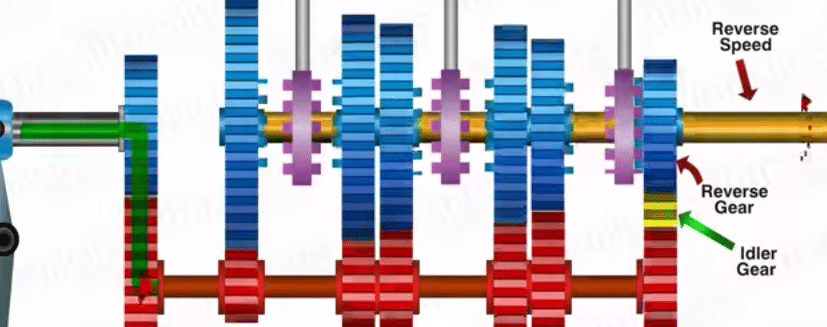
- Reverse Gear:Allows the car to move backward.
- Neutral Gear:Disconnects the engine from the wheels.
Gear Components
Gears consist of several key parts working together. These include:
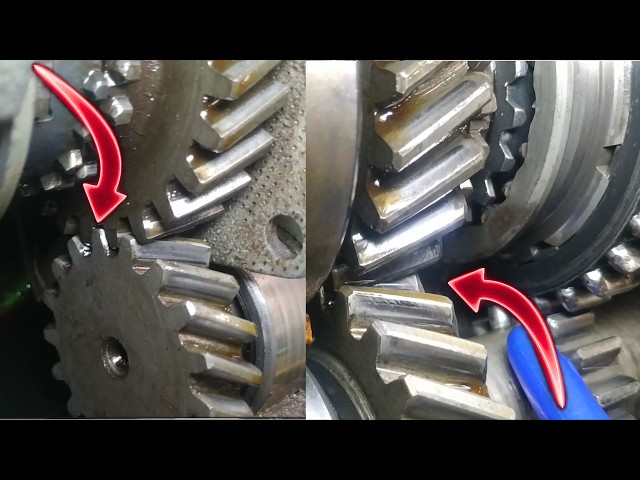
- Gear Teeth:Interlock to transfer power smoothly.
- Gear Shaft:Supports the gears and spins them.
- Synchronizer Rings:Help match gear speeds for smooth shifts.
- Clutch:Engages and disengages the engine from the transmission.
Manual Vs Automatic
Manual and automatic transmissions use gears differently. Manual gears require the driver to change gears using a clutch and gear stick. This gives more control but needs skill.
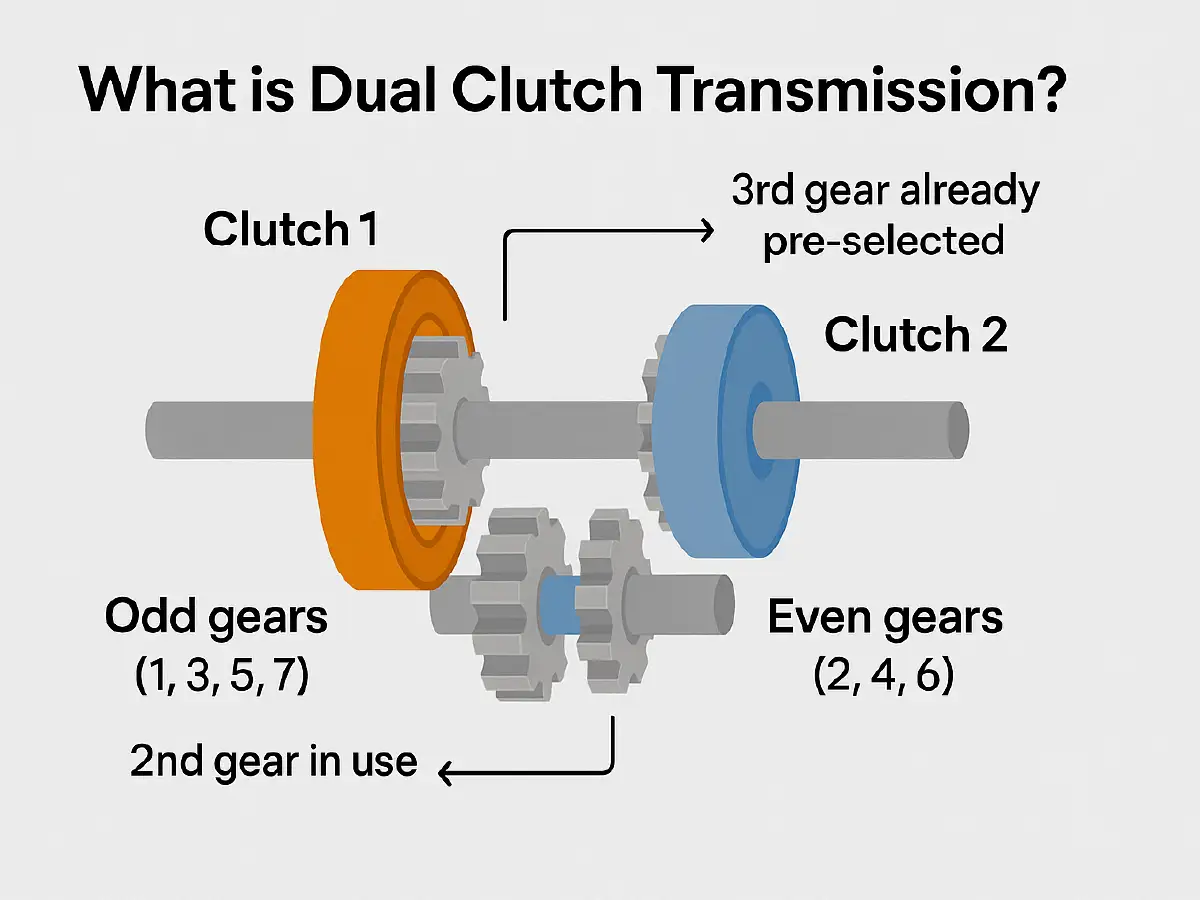
Automatic transmissions change gears by themselves. They use sensors and hydraulic systems to shift smoothly without driver input. This makes driving easier, especially in traffic.
How Gears Transfer Power
Gears play a crucial role in transferring power from your car’s engine to its wheels. Without gears, your engine’s energy would not be efficiently converted into motion, and driving would be a struggle. Understanding how gears transfer power helps you appreciate the mechanics behind smooth acceleration and controlled speed.
Engine To Wheels
Your engine generates power by burning fuel, but this power alone can’t move the car effectively. Gears act as intermediaries, passing that power through the transmission system to the wheels. They change the direction and force of the engine’s rotation, making sure the wheels get the right amount of energy to move the car forward.
Think about when you start driving from a standstill—your car needs more force than speed. Gears adjust this by increasing torque sent to the wheels. Without this adjustment, your engine would stall or the wheels would slip.
Torque And Speed Balance
Torque is the twisting force that helps your car move, and speed is how fast the wheels turn. Gears balance these two factors by either increasing torque and reducing speed or increasing speed and reducing torque. This balance is essential because high torque helps your car climb hills or accelerate, while high speed lets you cruise on highways.
Have you ever noticed how the engine sounds different when you shift gears? That’s the torque and speed balance changing to match driving conditions. Without gears managing this, your car’s engine would run inefficiently and wear out faster.
Gear Ratios Explained
Gear ratio is a simple number that tells you how many times the engine turns for one turn of the wheels. A low gear ratio means the engine turns many times to turn the wheels once, giving high torque but low speed. A high gear ratio means fewer engine turns per wheel turn, providing higher speed but less torque.
| Gear | Gear Ratio | Effect |
|---|---|---|
| 1st Gear | 4:1 | High torque, low speed (good for starting) |
| 3rd Gear | 2:1 | Balanced torque and speed |
| 5th Gear | 1:1 | Low torque, high speed (good for cruising) |
Understanding gear ratios can help you drive more efficiently. Next time you’re shifting, consider how your car is adjusting torque and speed to match the road. Could this awareness improve your driving habits or car maintenance?
Manual Transmission Mechanics
Manual transmission mechanics involve a system that allows drivers to control the power and speed of a car. This system uses gears and a clutch to transfer engine power to the wheels. Drivers change gears to match the engine speed with the vehicle’s speed. This helps the car run smoothly and saves fuel.
Clutch Role
The clutch connects and disconnects the engine from the wheels. Pressing the clutch pedal stops power flow to the wheels. This lets the driver change gears without damage. Releasing the pedal reconnects power to the wheels. The clutch must be used carefully to avoid wear.
Shifting Process
Shifting gears requires pressing the clutch pedal first. The driver moves the gear stick to the desired gear. Then, the clutch pedal is slowly released. This blends the engine and wheel speeds. Smooth shifting avoids jerks and keeps the car steady.
Common Challenges
- Stalling the engine by releasing the clutch too fast.
- Grinding gears due to poor clutch use.
- Difficulty in finding the right gear while driving.
- Wearing out the clutch from improper use.
Practice and patience help overcome these challenges. Understanding the clutch and gear timing is key.
Automatic Transmission Insights
Understanding how gears work in an automatic transmission can change the way you view your daily drive. Unlike manual transmissions, automatics shift gears on their own, making your ride smoother and easier. But what exactly happens inside this system? Let’s break down the key components that make automatic transmissions tick.
Torque Converter Function
The torque converter replaces the clutch found in manual cars. It connects the engine to the transmission and allows the car to come to a stop without stalling. Inside, it uses a fluid coupling to transfer engine power, which means it can multiply torque when needed, especially during acceleration.
Imagine you’re waiting at a red light; the torque converter keeps the engine running smoothly without jerking. When you press the gas, it quickly transfers power to the wheels. This seamless transition improves your driving comfort without you even noticing the complex mechanics behind it.
Gear Selection System
Automatic transmissions use a system called a planetary gearset to select gears. Instead of manually choosing gears, your car’s computer decides the best gear based on speed, engine load, and throttle position. This system uses hydraulic controls and sensors to shift gears fluidly.
Have you ever wondered why your car sometimes shifts gears unexpectedly? It’s the computer adjusting to road conditions and your driving style. This smart gear selection helps optimize fuel efficiency and performance without any input from you.
Advantages Over Manual
- Ease of use:No clutch pedal means less effort, especially in stop-and-go traffic.
- Reduced driver fatigue:Automatic shifting lets you focus more on the road and less on gear changes.
- Smoother rides:Gear shifts happen with minimal jolts, enhancing comfort.
- Better for beginners:Learning to drive is often easier without the complexity of manual shifting.
However, do you ever feel like you’re disconnected from your car in an automatic? While manuals offer more control, automatics give you freedom from constant gear management. It’s a trade-off that depends on what you value most during your drive.
Impact Of Gears On Driving
Gears help control a car’s speed and power by changing how the engine’s force reaches the wheels. Shifting gears lets drivers move smoothly and save fuel. Understanding gears improves driving comfort and vehicle performance.
The impact of gears on driving is significant. Gears play a vital role in how a car operates. They influence fuel efficiency, performance, and the overall driving experience. Proper gear management can lead to smoother rides and better control of the vehicle. Understanding these effects can enhance your driving skills.
Fuel Efficiency
Gears help manage engine power. Higher gears reduce engine strain on highways. This improves fuel consumption. Lower gears are useful in city traffic. They provide more power for acceleration. Efficient gear use can save fuel costs over time.
Performance And Control
Gears affect a car’s performance and control. Lower gears offer better acceleration. This is important for overtaking or climbing hills. Higher gears maintain speed with less effort. They are essential for steady highway driving. Selecting the right gear improves vehicle handling.
Smoothness Of Ride
Gears contribute to a smooth driving experience. Correct gear shifts prevent jerky movements. This enhances passenger comfort. Smooth gear changes also reduce wear and tear. They extend the car’s lifespan. A well-maintained gearbox ensures a pleasant ride.
Credit: www.cars24.com
Maintaining Gear Systems
Maintaining gear systems in cars ensures smooth driving and prolongs vehicle life. Gears work under pressure and need care to avoid breakdowns. Proper maintenance prevents costly repairs and unsafe driving conditions.
Signs Of Gear Problems
- Grinding or whining noises when shifting gears
- Difficulty shifting or gears slipping out unexpectedly
- Delayed response when changing gears
- Burning smell or smoke near the transmission
- Vibrations or shaking during gear changes
Regular Maintenance Tips
- Check and change transmission fluid as recommended
- Inspect gear linkage and cables for wear
- Keep the clutch system adjusted properly
- Clean or replace filters to keep fluid clean
- Listen to unusual sounds during driving
- Schedule routine inspections with a mechanic
When To Seek Repairs
Seek professional help if you notice persistent gear issues. Ignoring problems can cause serious damage. Visit a mechanic if shifting feels rough or noisy. Early repairs save money and improve safety. Do not wait for complete failure to act.

Credit: en.wikipedia.org
Frequently Asked Questions
How Do Car Gears Affect Driving Performance?
Car gears control the engine’s power and speed. Lower gears provide more torque for acceleration. Higher gears improve fuel efficiency at cruising speeds. They help balance power and speed for smooth driving.
What Is The Function Of A Car’s Transmission Gears?
Transmission gears transfer engine power to the wheels. They adjust torque and speed based on driving conditions. This enables efficient acceleration, deceleration, and fuel economy. Gears ensure the car runs smoothly on different terrains.
Why Do Cars Have Multiple Gears?
Multiple gears allow better control of engine power and speed. They help optimize fuel consumption and performance. Different gears suit different driving needs like climbing hills or cruising. This ensures a comfortable and efficient ride.
How Do Manual And Automatic Car Gears Differ?
Manual gears require driver input to change speeds using a clutch. Automatic gears shift automatically based on speed and load. Both control power delivery but differ in driver involvement and convenience.
Conclusion
Gears help control a car’s speed and power. They connect the engine to the wheels. Changing gears changes how fast the car moves. Drivers use gears to drive smoothly on different roads. Understanding gears makes car driving easier to learn.
Next time you drive, notice how gears work. They are key to a car’s performance and safety. Simple parts working together. That’s how gears keep your car moving right.