
You want what’s best for your baby, especially when it comes to safety in the car. One question many parents ask is, “When can my baby face forward in a car seat?” Making the right choice can feel confusing and overwhelming.
But knowing the right time to switch your baby’s car seat direction is crucial for their safety and comfort. Keep reading to discover the simple guidelines that will help you make the safest decision for your little one every time you hit the road.

Credit: incarsafetycentre.co.uk
Rear-facing Car Seat Benefits
Choosing to keep your baby in a rear-facing car seat longer offers more than just peace of mind—it provides critical protection in everyday travel. Rear-facing seats are designed to support your baby’s head, neck, and spine better during sudden stops or crashes. Understanding the benefits helps you make safer choices about when to switch to forward-facing.
Safety Advantages For Infants
Rear-facing seats cradle your baby’s delicate body in a way forward-facing seats can’t. When a crash occurs, the seat absorbs the force, spreading it evenly across the back, which is the strongest part of your child’s body.
Did you know that most serious injuries happen when the head and neck snap forward in a crash? Keeping your baby rear-facing minimizes this risk significantly. This positioning also reduces the chance of your baby’s head snapping sideways, which can cause severe injury.
Many parents notice their baby sleeps more comfortably and securely in a rear-facing seat, which adds to the overall safety during travel. You might find your baby less fussy and more relaxed, making the car ride smoother for everyone.
Impact On Injury Prevention
Research consistently shows that rear-facing seats reduce the risk of injury by up to 75% compared to forward-facing ones. This is because the seat acts like a shield, absorbing energy and protecting the most vulnerable parts of your baby’s body.
Think about how your baby’s spine is still developing. In a sudden stop, a rear-facing seat supports the entire body, preventing serious spinal injuries. Forward-facing seats can put dangerous pressure on the neck and spine during crashes.
Have you ever wondered why safety experts recommend keeping children rear-facing until at least age 2? It’s not just a suggestion—it’s based on solid evidence that rear-facing car seats save lives and reduce injury severity.
By choosing to keep your baby rear-facing as long as possible, you’re giving them the best protection available. That decision can make all the difference in an unexpected accident.
Recommended Age And Weight Limits
Knowing the right time to turn your baby forward in a car seat is crucial for their safety. This decision depends mainly on age and weight limits designed to protect your little one during every trip. Understanding these limits can help you avoid common mistakes and keep your child secure.
Guidelines From Safety Authorities
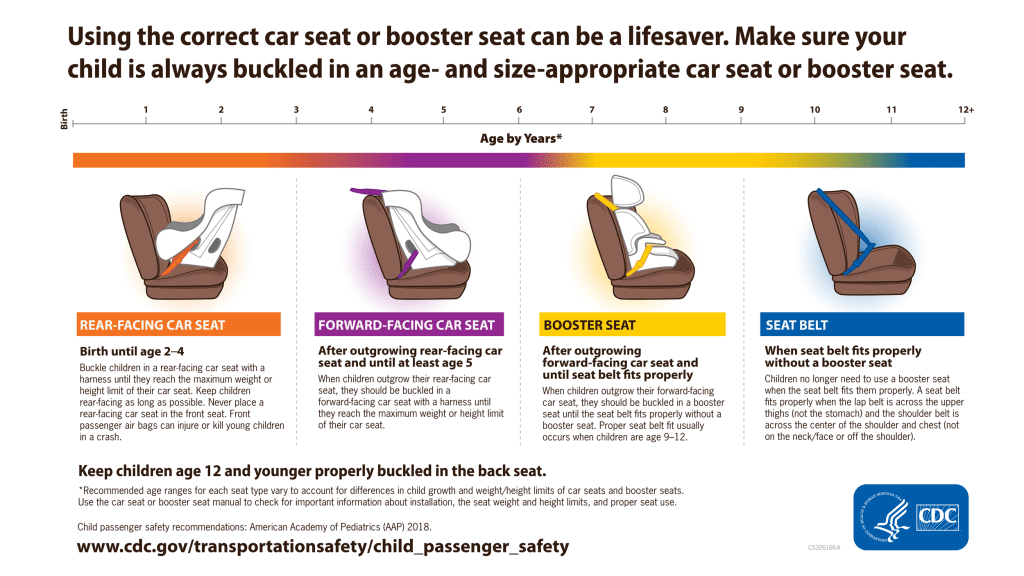
Safety experts recommend keeping your baby rear-facing as long as possible. The American Academy of Pediatrics (AAP) suggests children remain rear-facing until at least 2 years old or until they reach the highest weight or height allowed by the car seat manufacturer.
Rear-facing positions better support the head, neck, and spine in a crash. Many parents wonder if their toddler is ready to turn forward earlier, but rushing this step can increase injury risks. Ask yourself: Is your child meeting the minimum age and weight, or are you simply eager for convenience?
- Minimum age: Usually 2 years or older
- Weight limits: Typically 20-40 pounds, depending on the seat
- Height limits: Follow car seat’s maximum rear-facing height
Manufacturer Specifications
Every car seat comes with its own age, weight, and height limits for forward-facing use. These details are in the instruction manual or on the seat label. It’s important to check these before making the switch.
For instance, some convertible car seats allow rear-facing up to 40 pounds, which is higher than many parents expect. Others might have stricter limits, requiring the child to be at least 2 years old and 30 pounds before facing forward.
| Car Seat Type | Rear-Facing Weight Limit | Forward-Facing Minimum Age | Forward-Facing Weight Limit |
|---|---|---|---|
| Infant-only | Up to 35 lbs | Not applicable (fixed rear-facing) | N/A |
| Convertible | Up to 40 lbs or more | At least 2 years | Up to 65 lbs |
| All-in-one | Up to 40 lbs | At least 2 years | Up to 65-100 lbs |
Have you checked your car seat’s manual lately? It might have updated guidelines that could keep your child safer. Always follow the manufacturer’s limits over guesses or advice from others.
Signs Baby Is Ready To Face Forward
Knowing when your baby is ready to face forward in their car seat is an important milestone for safety and comfort. Watching for clear signs can help you make this transition confidently. Your baby’s development and behavior provide the best clues to guide your decision.
Physical Development Indicators
Look for strong neck and head control. If your baby can hold their head steady without wobbling, they are physically prepared to face forward safely.
Check their ability to sit upright without support. This shows their muscles are strong enough for the new position.
Weight and height limits set by the car seat manufacturer also matter. If your baby meets or exceeds these limits, it’s a good sign they can switch positions.
Behavioral Cues
Notice if your baby shows curiosity about the world around them. A forward-facing position can help satisfy their desire to explore visually.
If your baby becomes restless or unhappy during rear-facing rides, it might mean they’re ready to face forward.
However, some babies prefer rear-facing longer for comfort or security. Your child’s unique temperament should guide your timing.
Have you observed your baby’s reactions during car rides? Their behavior can tell you a lot about their readiness.
Risks Of Early Forward Facing
Switching a baby to face forward in a car seat too early can increase safety risks. Babies have soft bones and weak neck muscles. Facing forward puts more strain on their head and neck during sudden stops or crashes. This can lead to serious injuries. Experts recommend keeping babies rear-facing as long as possible.
Understanding the risks helps parents make safer choices for their children. The following sections explain common dangers and mistakes.
Increased Injury Risks
Babies’ bodies are not ready for forward-facing seats early on. In a crash, the force pushes the child forward. This pressure can cause neck and spine injuries. The head is heavy compared to the body. Rear-facing seats spread crash forces over the entire back. This reduces the chance of serious harm.
Studies show babies face a higher risk of injury when placed forward too soon. The American Academy of Pediatrics advises keeping children rear-facing until at least age 2. This position protects the most vulnerable parts of the body.
Common Mistakes Parents Make
- Switching to forward-facing right after the child outgrows the infant seat.
- Ignoring height and weight limits on car seats.
- Using seats that are not approved for rear-facing beyond infancy.
- Not tightening harness straps properly, which reduces safety.
- Placing the car seat in the front seat instead of the back.
Parents often change the seat direction too early due to convenience or misunderstanding. Reading the car seat manual carefully prevents these errors. Keeping the baby rear-facing longer is a simple step to ensure safety.
Choosing The Right Car Seat
Choosing the right car seat is one of the most important decisions you will make for your baby’s safety and comfort. It’s not just about picking a seat that fits your car or budget; it’s about understanding when your baby is ready to face forward and ensuring the seat supports their growth and development. The right car seat can give you peace of mind every time you hit the road.
Convertible Vs. Forward-facing Seats
Convertible car seats offer flexibility. They start as rear-facing seats for infants and can be converted to forward-facing as your child grows. This means you don’t have to buy a new seat when your baby is ready to face forward.
Forward-facing seats, on the other hand, are designed solely for older toddlers and preschoolers who meet the height and weight requirements. They often provide more space and features tailored to forward-facing safety.
Think about how long you want to use the seat in rear-facing mode. Convertible seats usually allow for longer rear-facing use, which experts recommend for as long as possible. Have you considered how your child’s growth and comfort will influence your choice?
Features To Look For
- Adjustable Harness:Look for seats with a harness that can be easily adjusted to fit your growing child without rethreading.
- Side Impact Protection:Extra padding or energy-absorbing materials around the head and sides provide better protection in a crash.
- Easy Installation:Seats with clear instructions, level indicators, and LATCH systems make installation simpler and safer.
- Comfort:Removable padding, breathable fabrics, and recline options can keep your baby comfortable on longer rides.
- Weight and Height Limits:Check the manufacturer’s guidelines to ensure the seat accommodates your child’s current and near-future size.
Choosing a car seat isn’t just about safety ratings but also about what fits your lifestyle and your baby’s needs. What features matter most to you when it comes to daily convenience and your child’s comfort?
Proper Installation Tips
Babies should face backward in a car seat until they reach the right age and weight. Always check the car seat manual for specific guidelines. Proper installation ensures your child’s safety during every ride.
Proper installation of a car seat ensures your baby’s safety. It may seem complex, but with the right steps, you can do it confidently. Let’s dive into some crucial tips.
Securing The Seat Correctly
Make sure the car seat is snugly installed. Use the vehicle’s seat belt or LATCH system. Check the car seat manual for specific instructions. Ensure the base does not move more than an inch side-to-side. Test for a firm fit to avoid any risks.
Harness Adjustments
Adjust the harness straps to fit your baby snugly. The straps should be at or below the shoulders for rear-facing seats. Ensure the chest clip is at armpit level. Make sure you can’t pinch any extra material. Proper adjustments prevent your baby from sliding in the seat.
Expert Safety Recommendations
Knowing when to turn your baby’s car seat forward can feel confusing. Safety experts offer clear advice to help you make the best choice for your child’s protection. Their recommendations focus on keeping your baby rear-facing as long as possible, which can significantly reduce injury risks in a crash.
Advice From Pediatricians
Pediatricians strongly recommend keeping your baby rear-facing until at least 2 years old or until your child reaches the maximum height or weight limit allowed by the car seat manufacturer.
Dr. Emily Johnson, a pediatrician and mother, shares how she kept her son rear-facing well past his first birthday. She noticed he was more secure and comfortable, and she felt confident knowing he was safer in an accident.
They emphasize that the back of a child’s head, neck, and spine are still developing, so rear-facing seats provide the best support and protection. You should check the car seat manual carefully to understand the limits before switching directions.
Insights From Safety Organizations
Groups like the American Academy of Pediatrics (AAP) and the National Highway Traffic Safety Administration (NHTSA) advise delaying forward-facing until your child outgrows the rear-facing limits.
- The AAP states that children should remain rear-facing as long as possible, ideally until age 2 or beyond.
- The NHTSA provides specific guidelines based on height and weight, which vary by car seat model.
- Both organizations stress that premature forward-facing increases the risk of serious injury during a crash.
Have you reviewed your car seat’s height and weight guidelines lately? It’s a simple step that can make a big difference in your baby’s safety. Remember, turning your child forward too soon puts them at unnecessary risk.

Credit: findforbaby.com
Common Questions From Parents
Parents often ask about the right time to turn their baby’s car seat forward. Experts recommend waiting until the child meets height and weight limits for rear-facing seats. Safety rules help keep babies protected during car rides.
Parenting is a journey filled with questions, and one of the most common queries revolves around the right time for your baby to transition to a forward-facing car seat. It’s a decision that not only impacts your baby’s comfort but also their safety. As parents, you’re often flooded with advice and information, making it crucial to sift through and find what’s best for your little one.
Handling Growth Spurts
Your baby grows faster than you might expect, and with each growth spurt, there’s a new challenge. One day they fit perfectly in their rear-facing seat, and the next, they’re looking cramped. When you notice their legs touching the back of the seat or their head reaching the top, it might be time to consider a change. However, safety experts recommend keeping your child rear-facing as long as possible because it provides better protection in case of an accident. Take a moment to measure your baby’s height and weight regularly. This helps you ensure they still fit within the safety guidelines of their current car seat.
Traveling With Car Seats
Traveling with young children means carrying a lot more than just luggage. The car seat becomes an essential part of your travel gear, so it’s important to ensure it’s easy to install and uninstall. Look for a car seat that’s lightweight and portable if you’re planning road trips or flights. Some parents find it helpful to practice installing the car seat in different vehicles before a big trip. Does your car seat come with a travel bag or stroller compatibility? These features can make a world of difference when you’re juggling suitcases and a squirming toddler. By considering these common questions and practical tips, you can make informed decisions that prioritize your child’s safety and comfort.
Frequently Asked Questions
When Is It Safe To Face A Baby Forward In A Car Seat?
It’s safe to face your baby forward once they reach the car seat’s height or weight limit. Usually, this is after age 2. Always follow the car seat manufacturer’s guidelines and local laws to ensure your child’s safety.
What Are The Risks Of Early Forward-facing For Babies?
Early forward-facing increases the risk of injury in crashes. Babies’ necks and spines are still fragile. Rear-facing seats offer better support and protection during impact, reducing injury risks significantly.
How Long Should A Baby Remain Rear-facing In A Car Seat?
Babies should remain rear-facing as long as possible, at least until age 2. Rear-facing seats provide optimal head, neck, and spine protection during accidents for infants and toddlers.
Can Premature Babies Face Forward Earlier In Car Seats?
No, premature babies should remain rear-facing until meeting standard size and age limits. Their fragile bodies need maximum protection, so follow pediatrician advice and car seat instructions carefully.
Conclusion
Your baby should face forward only when ready and safe. Check the car seat manual for weight and height limits. Keep your child rear-facing as long as possible. Rear-facing seats protect the head, neck, and spine better. Always follow safety guidelines to reduce injury risks.
Remember, safety is the top priority on every trip. Stay informed and update your car seat as your baby grows. Safe travels start with the right car seat position.