

Do Safety Car Laps Count? Have you ever wondered if those slow laps behind the safety car actually count toward the race? If you’re a racing fan or just curious about how motorsports work, this question might have crossed your mind.
Understanding whether safety car laps affect the total race distance can change how you watch the race and how you think about strategy. Stick with me, and I’ll break down exactly what happens during those safety car periods—and why it matters to you as a fan.
Keep reading, because the answer might surprise you!
Role Of Safety Car In Racing
The safety car plays a vital role in motor racing. It helps keep drivers safe during accidents or dangerous track conditions. The safety car controls the pace of the race and ensures that all drivers follow the same speed limit.
This allows marshals and medical teams to work safely on the track. The safety car also prevents further crashes by slowing down the cars behind it. It helps maintain order and fairness until the track is safe again.
When Safety Car Is Deployed
The safety car appears after an accident or hazard on the track. It is used when debris, oil, or a stopped car makes racing unsafe. Weather conditions like heavy rain may also cause a safety car deployment.
The race director decides when to send out the safety car. Drivers must follow it and keep a steady pace. Overtaking is not allowed during safety car laps, keeping the race fair.
Purpose Of Safety Car Laps
Safety car laps give officials time to clear the track. They ensure that all dangers are removed before racing resumes. These laps also help drivers cool down their tires and brakes safely.
The laps count towards the race distance but at a slower speed. This keeps the race on schedule without risking safety. It balances the need for speed with the need for caution.
Do Safety Car Laps Count Towards Race Distance?
Do safety car laps count towards the total race distance? This question often puzzles fans and even some newcomers to motorsports. Understanding how these laps are treated can change how you view race tactics and the flow of the competition.
Rules Across Different Racing Series
Not all racing series treat safety car laps the same way. In Formula 1, safety car laps are included in the overall race distance. This means the race clock keeps ticking, and the total number of laps decreases accordingly.
Contrast this with NASCAR, where laps under the safety car (called the “pace car”) count towards the race total as well. However, some touring car championships might pause the lap count during safety car periods, extending the race length.
Knowing these differences helps you understand why race durations and lap numbers can vary so much between series. It also highlights how rules shape the sport’s unique challenges.
Impact On Race Strategy
Including safety car laps in race distance forces teams to rethink fuel management and tire wear. You might notice drivers conserving tires more aggressively if they know fewer full-speed laps remain.
When the safety car is deployed, it bunches up the field, wiping out any significant lead. This creates intense strategic decisions for teams: should they pit immediately or wait for green flag conditions?
Have you ever wondered why some drivers take big risks right after a safety car period ends? It’s because the race distance is effectively shortened, so every lap counts more. Your favorite team’s pit crew often plays a critical role in these split-second calls.
Effects On Race Timing And Scoring
Safety car laps influence the timing and scoring of a race in key ways. These laps slow down the overall race pace and affect how race leaders manage their positions. Understanding the effects on timing and scoring helps fans follow the race more clearly.
Lap Counting During Safety Car Periods
Safety car laps count as official race laps. The race clock continues running while the safety car leads the field. Drivers must complete these laps, which reduces the total number of racing laps left. This means fewer chances to overtake once the safety car leaves the track.
Race officials track every lap during safety car periods. The lap counter does not stop or pause. The number of laps completed includes those behind the safety car. This can impact race strategies and fuel management for teams.
Influence On Final Results
Safety car laps can change the final race outcome. The field bunches up, erasing gaps between drivers. Leaders lose their advantage, giving others a chance to catch up. This often leads to more intense racing after the safety car exits.
Penalties and pit stops during safety car periods affect scoring too. Some drivers use this time to pit and gain a strategic edge. Others may lose positions if they do not pit wisely. The timing of the safety car can be a crucial factor in the final standings.
Safety Car And Pit Stop Regulations
The rules around safety cars and pit stops play a crucial role in shaping race strategies. Understanding these regulations can give you an edge in predicting race outcomes or enhancing your own racing tactics. Let’s look closely at what’s allowed during safety car periods and how teams use these moments.
Pit Stops Allowed Under Safety Car
During safety car laps, drivers are usually permitted to make pit stops, but this comes with specific rules. Teams can change tires, refuel (if the series allows), or fix minor damages. However, the pit lane speed limit remains strictly enforced to ensure safety.
Interestingly, not all series have the same regulations. For instance, in Formula 1, refueling is banned, but tire changes are common. This means teams must be quick and efficient with tire swaps while staying within the speed limit.
Have you noticed how some drivers dive into the pit lane as soon as the safety car appears? This is a tactical decision, trying to minimize time loss compared to pitting under normal racing conditions.
Strategic Advantages And Risks
Pitting under a safety car can give you a big advantage by reducing the time lost compared to a pit stop during green flag racing. You can gain track position if others delay their stops.
But there’s a risk. The pit lane can become crowded, increasing chances of delays or accidents. A slow pit stop or a poorly timed entry can cost you dearly.
Additionally, drivers who pit early might struggle with tire wear later, while those who stay out could lose time behind slower cars. What would you do if you were the team strategist? Would you take the risk or play it safe?
Common Misconceptions About Safety Car Laps
Many fans are confused about safety car laps in racing. Misunderstandings often arise about their role in a race. Some believe these laps don’t impact the race outcome. Let’s explore why these misconceptions exist and clarify the official rules.
Why Some Fans Think They Don’t Count
Fans often view safety car laps as interruptions. They seem to pause the action. This pause can create a belief that these laps don’t affect the race. The cars are moving slower, so they appear less important. Spectators might not see immediate changes in positions or strategy. This leads to the belief that safety car laps are inconsequential.
Clarifying Official Rules
Official rules state safety car laps do count. Every lap completed under the safety car adds to the total lap count. These laps play a role in race strategy. Teams use this time to make crucial decisions. Pit stops and tire changes often happen during these laps. They can influence race outcomes significantly.

Credit: en.wikipedia.org
Notable Races Affected By Safety Car Rules
Safety car rules have shaped many key moments in racing history. They can change the race outcome quickly and unexpectedly. Some races stand out because safety car laps affected strategies and results. These moments highlight how important safety car rules are in motorsport.
Memorable Safety Car Interventions
One famous example is the 2011 Canadian Grand Prix. Multiple safety car periods helped keep the race unpredictable. Drivers had to adapt their pace and tire choices. The race ended with a surprise winner after a crash and safety car.
Another notable event is the 2021 Belgian Grand Prix. Heavy rain caused many safety car laps. The race distance was very short, but laps under safety car still counted towards points. Fans and teams debated if it should have counted as a race.
Controversies And Debates
Safety car rules often spark debates in racing circles. Some question whether laps under safety car should count fully. Critics argue it can unfairly affect race length and points distribution.
In 2010, the Abu Dhabi Grand Prix saw a controversial safety car restart. It influenced the championship outcome. Fans and experts discussed whether the rules were applied fairly or needed change.
These debates show how safety car laps impact not just races but also racing rules and fairness. They remain a hot topic among teams, drivers, and fans worldwide.
Future Of Safety Car Rules
The future of safety car rules is shaping how races are managed and how drivers strategize their moves. As you watch races unfold, you’ll notice these rules evolving to improve fairness and safety. Understanding these changes can give you a deeper appreciation of the sport and might even change how you view those safety car laps.
Recent Changes And Proposals
Racing authorities have recently adjusted rules about safety car laps to make race outcomes clearer and fairer. One key update is how laps under the safety car now often count towards the total race distance, affecting team strategies. Some proposals suggest limiting the number of safety car laps to reduce race interruptions and keep the excitement alive.
These changes impact how teams decide when to pit and how drivers maintain their rhythm. Imagine being a fan watching a race where the safety car laps don’t count—would the race feel shorter or less intense to you? Your perspective as a viewer or a fan can shape opinions about what makes racing thrilling yet safe.
Technological Innovations Impact
Technology is playing a bigger role in managing safety car procedures. Advanced tracking systems now give race control real-time data on all cars, helping decide when to deploy or withdraw the safety car more efficiently. This reduces unnecessary laps behind the safety car, keeping races flowing better.
Innovations like automated speed control and virtual safety cars might soon become standard, minimizing human error and boosting consistency. How would you react to a race where technology controls safety car periods instead of a race director’s call? This shift could change your experience and the sport’s dynamics significantly.

Credit: f1.fandom.com
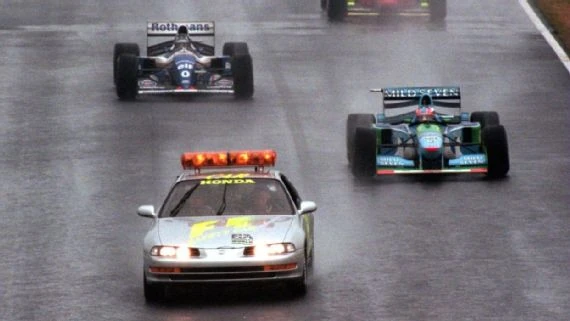
Credit: f1.fandom.com
Frequently Asked Questions
Do Safety Car Laps Count Towards Race Distance?
Yes, safety car laps count towards the total race distance. They are included in the lap count and reduce the remaining race laps.
How Do Safety Car Laps Affect Race Strategy?
Safety car laps slow down the race pace, allowing teams to adjust strategies. Pit stops during these laps can save time and improve positioning.
Are Points Awarded For Safety Car Laps?
No, drivers do not earn points specifically for safety car laps. Points are only awarded based on final race positions.
Can Safety Car Laps Change Race Outcomes?
Yes, safety car periods can influence race outcomes by bunching up the field and affecting tire wear and fuel consumption.
Conclusion
Safety car laps do count in many racing series, affecting race length and strategy. Drivers must follow rules carefully during these laps. Points may still be awarded based on race regulations. Understanding safety car laps helps fans enjoy races more fully.
Next time you watch, notice how these laps impact the race flow. They keep drivers safe while keeping the race fair. Safety car periods add a unique challenge to motorsport. Remember, these laps are part of the race journey, not just pauses.