
Do You Leave Car in Gear When Parked? Have you ever wondered whether you should leave your car in gear when it’s parked? It might seem like a small detail, but this simple choice can make a big difference for your safety and your vehicle’s health.
You might be surprised to learn how this habit affects your car—and even your peace of mind. Keep reading to find out the smart way to park your car and avoid common mistakes that many drivers don’t realize they’re making.
Your car—and your safety—will thank you.
Credit: www.slashgear.com
Car Parking Basics
Parking a car safely is important for your vehicle and others around you. Knowing the basics helps prevent accidents and damage. Simple steps can keep your car secure on flat roads and slopes. Understanding gear use and parking brakes is key to safe parking.
Why Parking Gear Matters
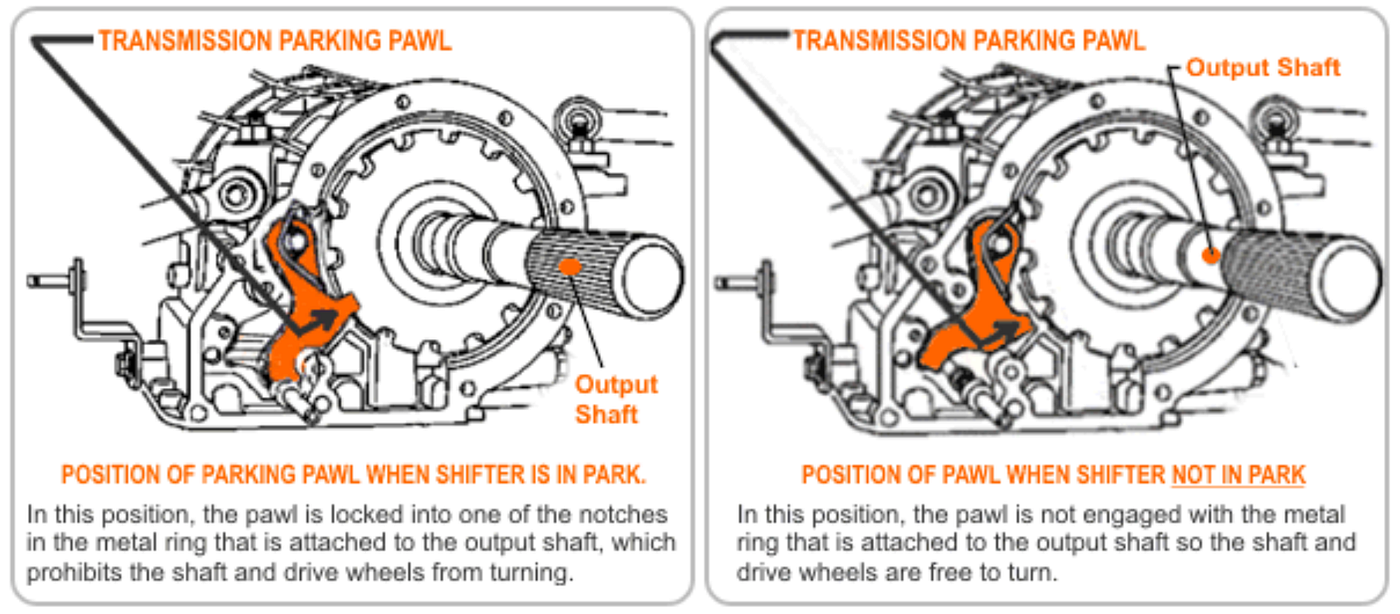
Parking gear holds the car in place by locking the transmission. It stops the wheels from moving when the engine is off. This is especially important on hills. Without the gear, the car can roll away. Using parking gear reduces the risk of accidents and damage.
Role Of The Parking Brake
The parking brake adds an extra layer of safety. It locks the wheels directly, preventing movement. This is useful on steep slopes and uneven ground. Always use the parking brake along with the gear. It protects the transmission from stress and keeps the car stable.
Credit: www.slashgear.com
Manual Transmission Parking Tips
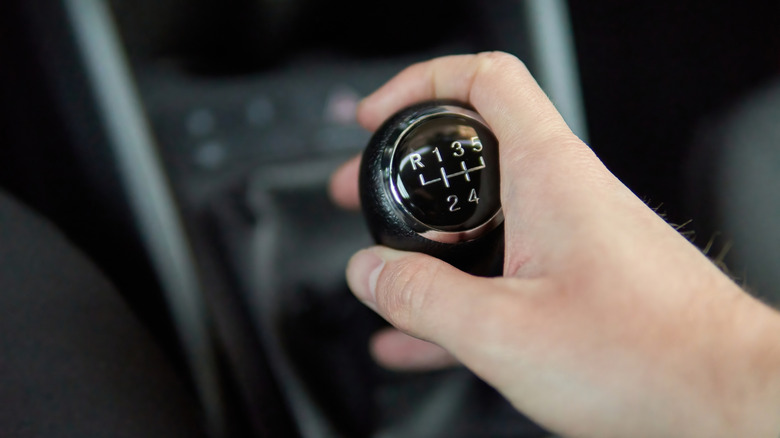
Parking a manual transmission car might feel tricky at first, but with the right habits, you can keep your vehicle safe and secure. Understanding how to properly use your gears when parking is key to preventing unwanted movement and avoiding costly repairs. Let’s focus on some practical tips that can make parking your manual car less stressful.
Leaving The Car In Gear
Yes, it’s important to leave your car in gear when parked. This acts as a mechanical lock, reducing the chance your car will roll away, especially if your parking brake isn’t 100% reliable.
Many drivers skip this step, relying only on the handbrake. But if the brake fails, the gear acts as a backup. Have you ever experienced your car rolling slightly after parking? Leaving it in gear helps avoid that.
Best Gear To Use When Parked
Choosing the right gear depends on the slope your car is parked on. If you’re facing uphill, use first gear. This gear resists the car from rolling backward.
When parked downhill, switch to reverse gear. It helps prevent the car from rolling forward. On flat surfaces, either first or reverse gear works fine.
Preventing Rollback On Hills
Hills can be intimidating, but you can prevent rollback by combining gear use with your parking brake. Always apply the handbrake firmly before letting your foot off the clutch after parking.
Try this: after stopping on a hill, engage the correct gear and pull the handbrake tight. Slowly release the clutch to feel the gear holding the car, then fully release the footbrake. This double protection keeps your car in place.
Have you noticed how some drivers leave just the handbrake on and their car still moves? Adding the correct gear stops that. It’s a simple habit that saves headaches and keeps your car safe.
Automatic Transmission Parking Tips
Parking an automatic transmission car correctly helps protect the vehicle and ensures safety. Understanding how to use the transmission and parking brake properly is important. These tips help you avoid costly repairs and keep your car secure on any slope.
Using The Park Mode
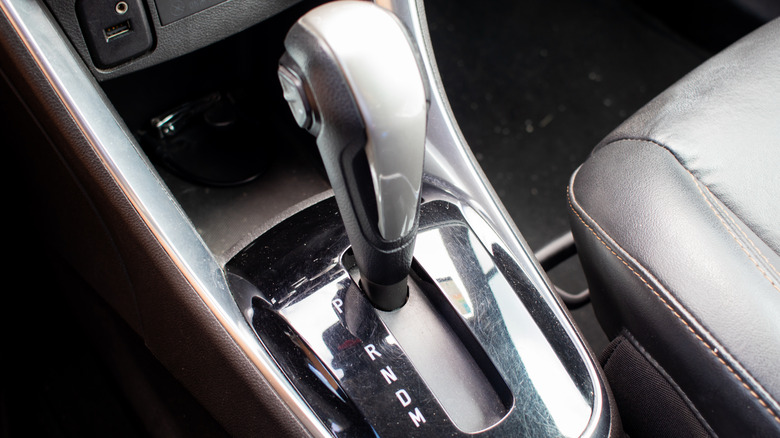
Park mode locks the transmission and stops the wheels from turning. Always bring your car to a complete stop before shifting to park. Shifting while moving can cause damage to the transmission. The “P” position holds the car steady on flat ground.
On hills, park mode alone might not hold the car firmly. The transmission’s parking pawl is strong but not designed to hold the entire weight.
Avoiding Transmission Damage
Relying only on the transmission to hold the car can strain its parts. The parking pawl can wear out or break under heavy load. This damage can be expensive to fix.
To protect your transmission:
- Stop fully before shifting to park.
- Use the parking brake as extra support.
- Do not leave the car in gear instead of park.
Leaving the car in gear can confuse automatic systems and cause errors.
When To Use The Parking Brake
The parking brake is crucial on hills or uneven surfaces. It holds the wheels firmly and reduces stress on the transmission. Always apply the parking brake after shifting to park.
Using the parking brake provides an extra safety layer. It prevents the car from rolling if the transmission fails. For long stops or parking on slopes, the parking brake is essential.
Safety Risks Of Improper Parking
Parking your car improperly can lead to serious safety problems. Leaving your car in the wrong gear or not using the parking brake might cause accidents or damage. Understanding these risks helps protect you and others around your vehicle.
Car Rolling Hazards
A car not secured in the correct gear can roll away. This can cause injuries to people or damage to property. Even on slight slopes, a vehicle may start moving without warning. Rolling cars are a common cause of parking lot accidents.
Transmission Wear And Tear
Leaving a car in the wrong gear stresses the transmission. Constant pressure on gears can wear them down faster. Over time, this leads to costly repairs and reduced vehicle lifespan. Proper gear use helps maintain transmission health.
Legal And Liability Concerns
Improper parking can result in legal trouble. If your car rolls and causes damage, you might be held responsible. Some areas have laws about securing vehicles when parked. Following safe parking practices reduces your risk of fines or lawsuits.
Additional Parking Safety Tips
Leaving your car in gear while parked can prevent it from rolling, especially on slopes. Always use the handbrake to add extra security and avoid accidents. Double-check that your vehicle is stable before leaving it unattended.
Parking your car safely is more than just turning off the engine and locking the doors. It involves a series of mindful steps that ensure your vehicle remains secure and stationary, regardless of the terrain or conditions. Here are some additional parking safety tips to consider that can make a significant difference in your daily routine.
Parking On Slopes
When parking on an incline, the direction you turn your wheels can prevent your car from rolling away. If you’re parking uphill, turning your wheels away from the curb helps the curb catch your wheels if the car starts to roll. Conversely, if parking downhill, point your wheels toward the curb. Have you ever considered parking your car in gear rather than relying solely on the parking brake? This habit can provide an extra layer of security, especially on slopes. Try it out next time and notice the peace of mind it brings.
Using Wheel Chocks
Wheel chocks are an excellent tool for added parking safety, especially on steep slopes. These small wedges can be placed behind your tires to prevent any unintended movement. They’re easy to store in your trunk and quick to deploy. Have you ever had an unexpected roll on a hill? If so, consider keeping a set of wheel chocks handy. They are particularly useful for heavy vehicles or when parking on uneven surfaces.
Regular Maintenance Checks
Regular maintenance checks can prevent parking mishaps. Ensuring your parking brake is in good working order is crucial, as it’s your first line of defense against rolling. It’s also wise to check tire pressure and tread regularly, as these factors influence traction and stability. How often do you really inspect your car’s parking mechanisms? A simple check can save you from potential hazards and costly repairs. Incorporating these checks into your routine can enhance your vehicle’s reliability and safety.
Credit: medium.com
Frequently Asked Questions
Should I Leave My Car In Gear When Parked?
Yes, leaving your car in gear prevents it from rolling. It adds extra security, especially on slopes, alongside the parking brake. Always use the parking brake to avoid strain on the transmission.
What Happens If I Don’t Leave Car In Gear Parked?
If you don’t leave your car in gear, it may roll if the parking brake fails. This risks accidents and damage. Gear acts as a mechanical lock, ensuring the vehicle stays stationary and safe.
Is It Better To Park In Gear Or Neutral?
Parking in gear is better for manual cars to prevent movement. Neutral relies solely on the parking brake, which can sometimes fail. Always combine gear engagement with the parking brake for maximum safety.
Can Leaving Car In Gear Damage The Transmission?
No, leaving your car in gear when parked does not damage the transmission. It actually reduces stress on the parking brake. Proper use protects your vehicle and ensures stability.
Conclusion
Parking your car in gear can add safety on slopes. It helps prevent the vehicle from rolling away. Always use the handbrake along with the gear for extra security. Leaving the car in gear is especially useful for manual transmissions.
Remember to follow your car’s manual for the best practice. This small step can protect your car and others around it. Safety first, always. Simple habits make a big difference.